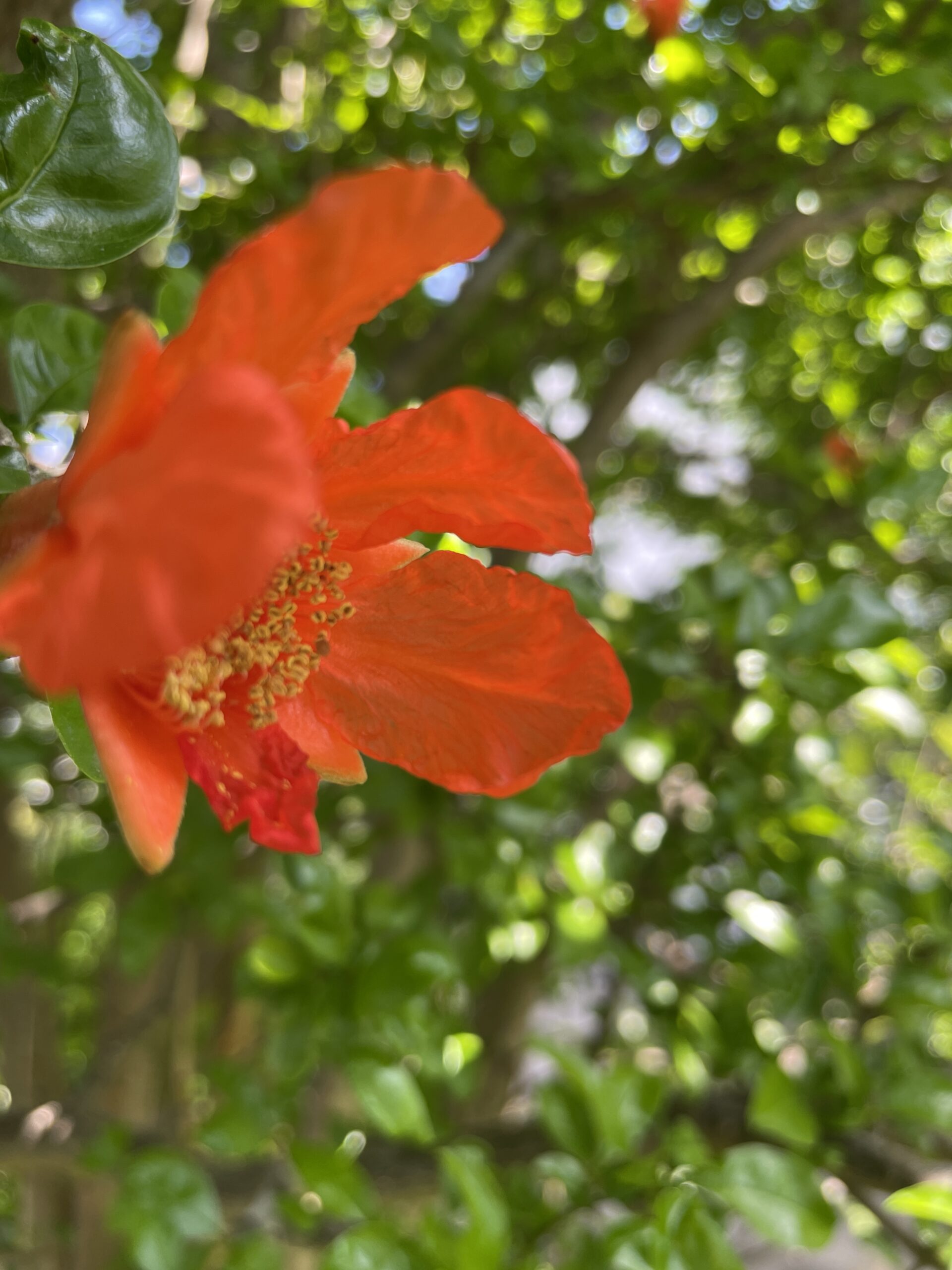
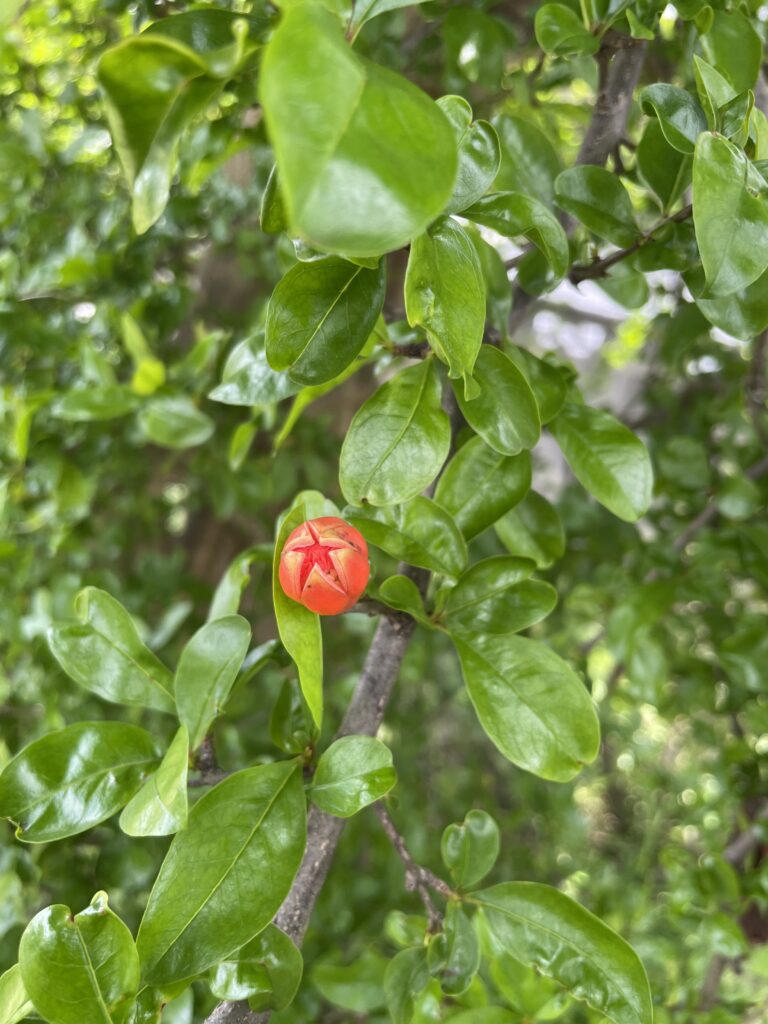
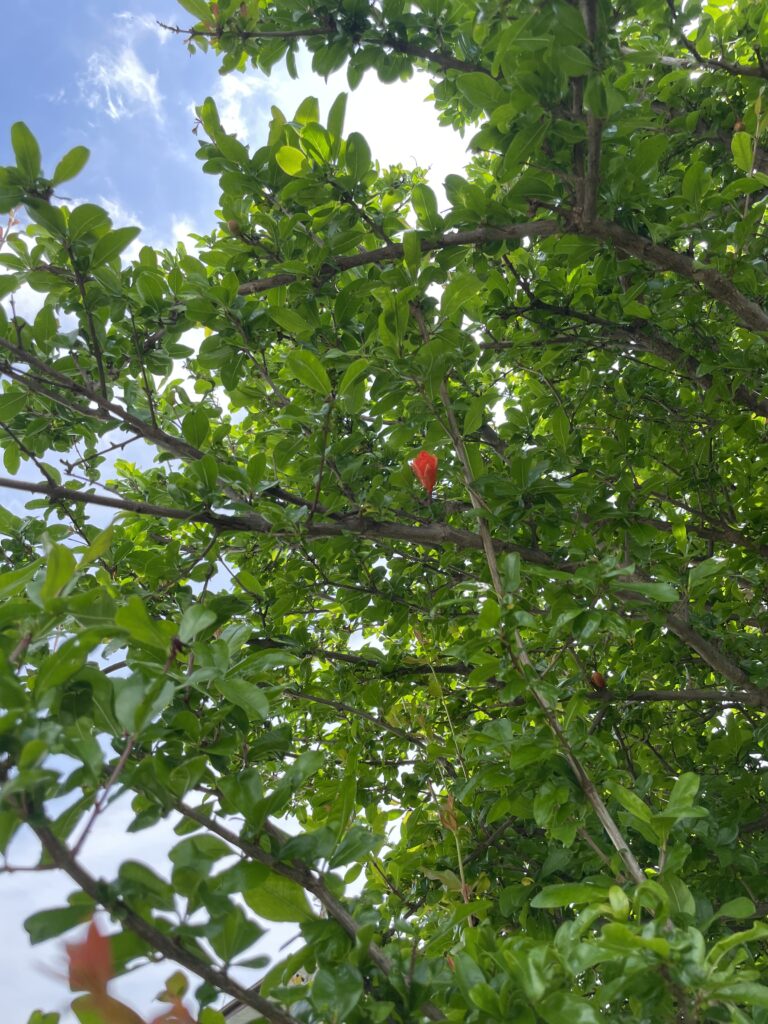
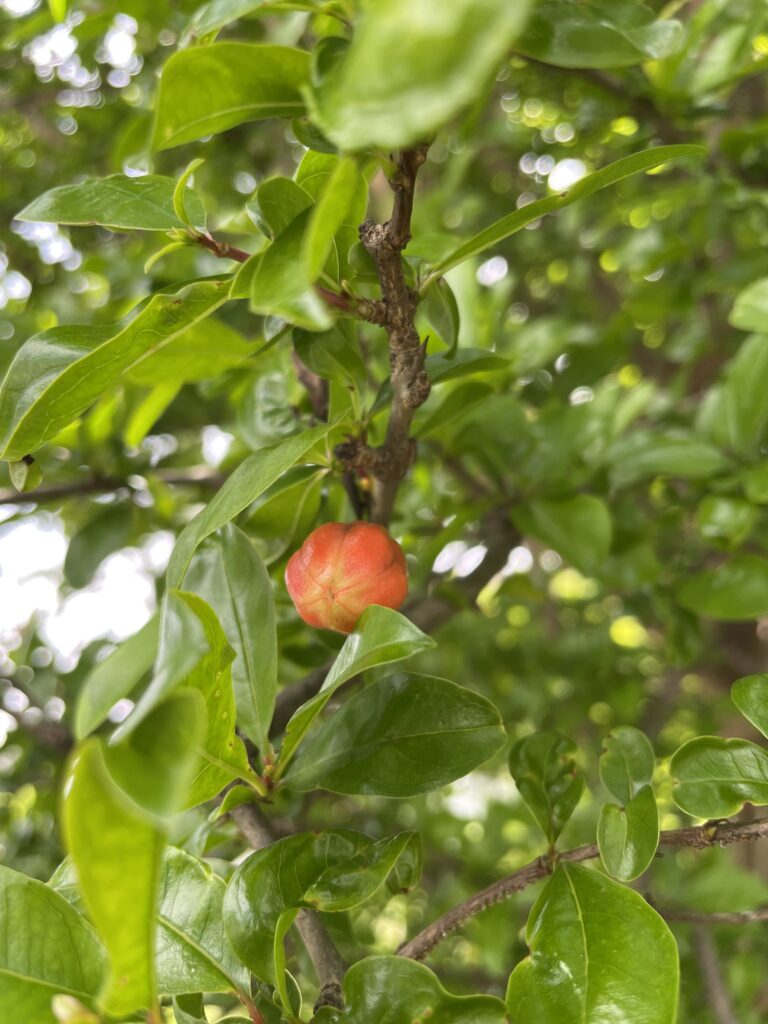
In my garden grows a pomegranate tree that has been here since before I was born — over 50 years old. Every autumn, it produces around 50 bright red fruits, filling the garden with color. This year, I’m finally going to make my own pomegranate vinegar!
The Buddhist Legend of Pomegranate
In Japan, pomegranate has a sacred connection to Buddhism. Kishimojin was a demon who devoured children — until the Buddha offered her a pomegranate as a substitute. She was transformed, becoming a protector of children. Her shrines in Tokyo’s Zoshigaya and Iriya are still visited by many today.
Beauty Secret from Korea to Japan
Pomegranate vinegar is hugely popular in Korea as a beauty drink — great for skin and anti-aging. The recipe is simple: equal parts pomegranate seeds, sugar, and vinegar. Mix and wait one month. I’ll be trying this myself this autumn!
Tokyo’s most rewarding shopping street for food lovers — and most tourists have never heard of it.
東京で一番面白いショッピングストリート。でも知らない観光客がほとんど。
How to Get There
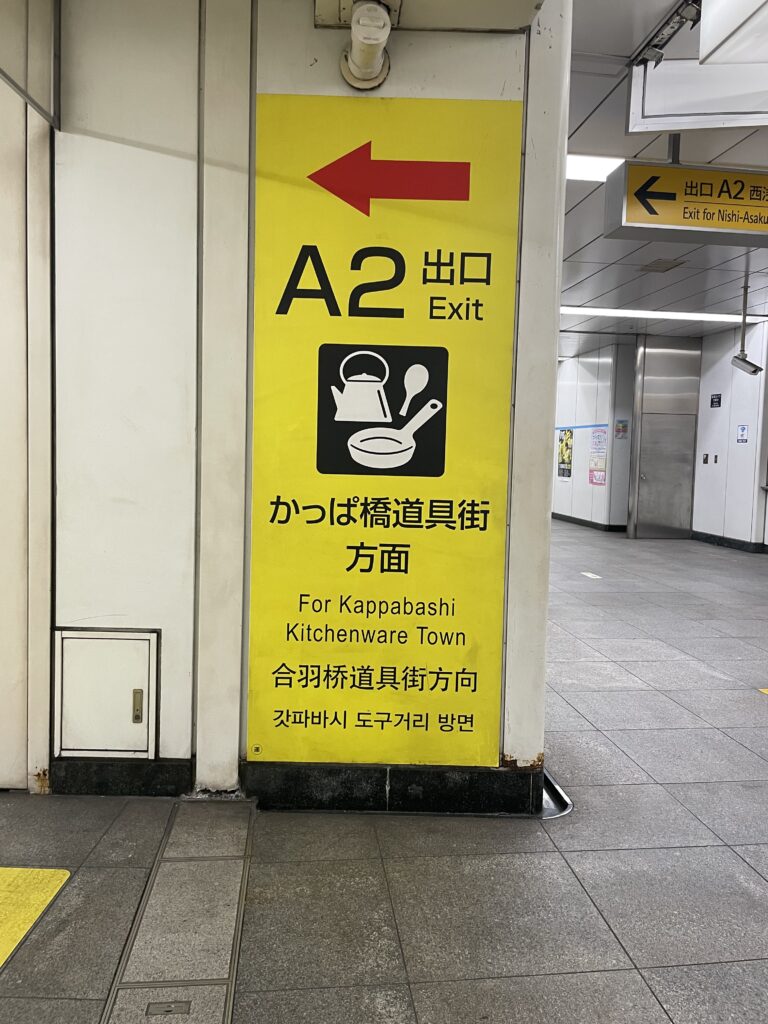
Take the Tsukuba Express to Asakusa Station, then follow the yellow signs to Exit A2. You’ll see “For Kappabashi Kitchenware Town” written in English, Japanese, Chinese, and Korean right on the floor.
From Exit A2, it’s a 7-minute walk. You can’t miss it.
つくばエクスプレス浅草駅A2出口を出て徒歩7分。床の黄色いサインが目印。
What Makes Kappabashi Special
Kappabashi — locals call it Kappa-bashi Dougu-gai — is a 170-meter street packed with over 170 shops selling professional-grade kitchen tools. Chefs from all over Japan shop here. And now, so can you.
Japanese knives are world-famous — and Kappabashi is where you buy them.
You’ll find everything from traditional shops with wooden displays of hand-crafted blades to sleek modern stores like ZAKU Knives, where the design feels more like a concept store than a kitchen shop.
Prices range from ¥4,100 for a basic knife to tens of thousands for professional chef’s knives. Labels are in both Japanese and English.
This is the detail most visitors miss — and the one they’ll remember forever.
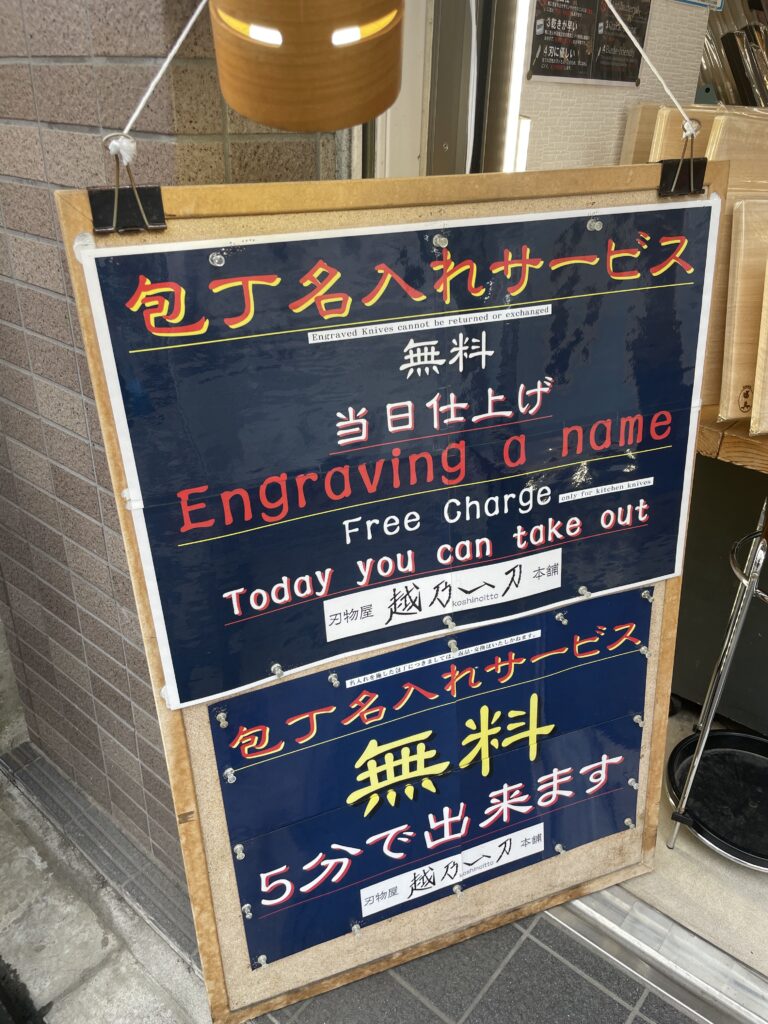
Several shops on Kappabashi offer free name engraving on kitchen knives, completed the same day. You can walk out with a personalized Japanese knife in your hands within minutes.
Look for the sign: “Engraving a name — Free Charge. Today you can take out.”
It makes the perfect gift. Or keep it for yourself.
Kappabashi isn’t only about knives. Look out for shops like Soil, which carries handmade ceramics from regions across Japan — Hasami-yaki from Nagasaki, Mashiko-yaki from Tochigi, Yachimunn from Okinawa.
Each piece tells a story of Japanese craftsmanship. Prices are reasonable, and the display cases are beautiful enough to photograph.
包丁だけじゃない。波佐見焼・益子焼・やちむんなど全国の焼き物も揃う。
Tips for Foreign Visitors
Knives in checked luggage only — you cannot bring them in carry-on bags on flights
Most shops are open 10am–5pm, closed on Sundays
Cash and IC cards are accepted at most shops; some accept credit cards
The street is uncrowded on weekday mornings — the best time to visit
Have you been to Kappabashi? What did you buy? Let me know in the comments.
📖 Learn More: The World of Japanese Knives
Fascinated by Japanese knives? This beautifully illustrated book dives deep into the craft, culture, and history behind Japan’s legendary blades — perfect reading before or after your Kappabashi visit! 👉 The Anatomy of a Japanese Knife (Amazon)
Subtitle: 国際唎酒師が教える日本酒入門 — A Certified Sake Sommelier’s Complete Guide
🇯🇵 日本語まとめは記事の最後にあります
Introduction
Japan is famous for many things — cherry blossoms, sushi, and bullet trains. But there’s one liquid treasure that most foreigners leave Japan without truly understanding: sake (日本酒).
As a certified International Kikisake-shi (国際唎酒師) — Japan’s official sake sommelier qualification — and a wine sommelier with 15 years of experience as a tour guide, I’ve introduced sake to thousands of visitors from around the world.
This is the guide I wish every foreigner had before their first sip.
1. What Is Sake? 🍶
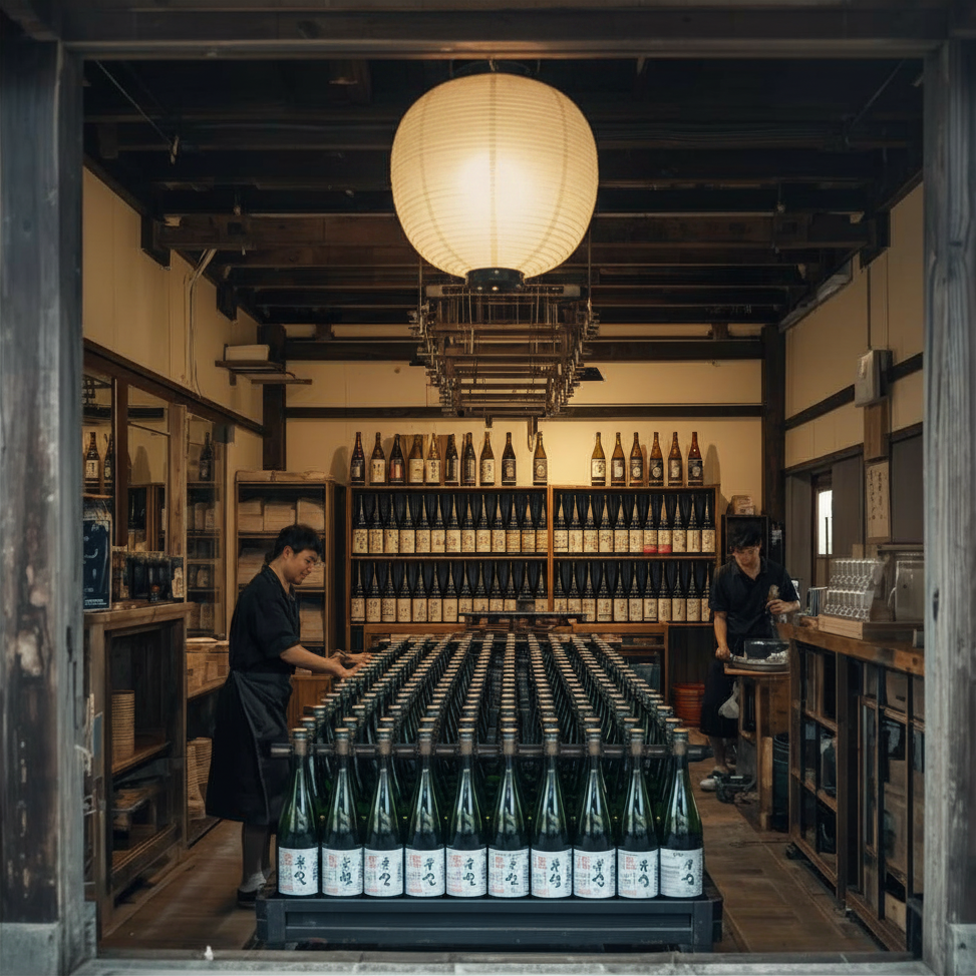
Sake is a Japanese alcoholic beverage brewed from fermented rice. Despite often being called “rice wine,” the brewing process is actually closer to beer — enzymes convert starches into sugars, which then ferment into alcohol.
Sake typically contains 15–16% alcohol — stronger than wine but usually drunk in smaller quantities.
It has been part of Japanese culture for over 2,000 years, used in religious ceremonies, celebrations, and everyday dining.
2. The 4 Main Types of Sake You Need to Know
Type
Rice Polishing
Flavor
Best For
Junmai (純米)
No requirement
Rich, full-bodied
Food pairing
Ginjo (吟醸)
60% or less
Fruity, light
Beginners
Daiginjo (大吟醸)
50% or less
Elegant, complex
Special occasions
Honjozo (本醸造)
70% or less
Smooth, easy-drinking
Everyday drinking
Pro tip from your sake sommelier: Start with Ginjo — it’s approachable, fruity, and easy to love for first-timers.
3. How to Taste Sake Like a Professional 👃
Follow these steps at any sake tasting:
Step 1 — Look: Hold the glass up to light. Good sake is clear and bright, sometimes with a light golden hue.
Step 2 — Smell: Gently swirl and nose the glass. Notice fruity aromas (apple, pear, melon) or more earthy, umami-rich notes.
Step 3 — Sip: Take a small sip and let it coat your tongue. Notice:
Sweetness vs. dryness (amakuchi vs. karakuchi)
Acidity
Umami depth
Finish length
Step 4 — Pair: Notice how the sake changes when eaten with food. This is where sake truly shines.
4. Hot or Cold? The Temperature Question
One of the most common questions from foreigners:
Temperature
Name
Type
Chilled (5–10°C)
Reishu (冷酒)
Fruity Ginjo/Daiginjo
Room temp (20°C)
Hiya (冷や)
Junmai
Warm (40–50°C)
Atsukan (熱燗)
Honjozo, Junmai
My recommendation: Premium sake (Ginjo, Daiginjo) is best enjoyed chilled. Everyday sake can be warmed for a cozy experience — especially in winter.
5. How to Read a Sake Label
Don’t be intimidated by Japanese labels! Here are the key words:
純米 (Junmai) — made with only rice, water, yeast
吟醸 (Ginjo) — premium grade
大吟醸 (Daiginjo) — super premium
辛口 (Karakuchi) — dry
甘口 (Amakuchi) — sweet
精米歩合 (Seimaibuai) — rice polishing ratio (lower = more premium)
6. Sake and Food Pairing 🍣
Sake’s secret power is its versatility with food:
Sushi & sashimi → Light Ginjo (complements without overpowering)
Hakkaisan Ginjo (八海山 吟醸) — Reliable, clean, widely available
Kubota Manju (久保田 万寿) — Elegant and complex, perfect as a gift
まとめ / Final Thoughts
Sake is not just a drink — it’s a window into Japanese culture, craftsmanship, and the seasons.
Whether you’re visiting Japan for the first time or ordering sake at a restaurant abroad, I hope this guide gives you the confidence to explore and enjoy.
Kanpai! 乾杯 🍶
Bring Sake Culture Home
Want to start your own sake journey? Here are my sommelier-approved picks, all available on Amazon Japan with international shipping options:
As a Certified International Kikisake-shi, these are tools and bottles I genuinely recommend for anyone exploring the world of Japanese sake.
🇯🇵 日本語まとめ — 国際唎酒師が教える日本酒入門
外国人に日本酒の魅力を伝えるための基本ガイドです!
日本酒はお米から作る醸造酒。ビールに近い製法
種類は4つ:純米・吟醸・大吟醸・本醸造
初心者には吟醸がおすすめ — フルーティーで飲みやすい
温度で味が変わる:高級酒は冷やして・普通酒は燗もOK
ラベルの「辛口・甘口・精米歩合」を覚えると選びやすい
料理との相性抜群 — 特に寿司・刺身・チーズ
デパートや専門店で質の高い日本酒が買える
ネット通販でも購入可能(海外配送あり)
注いでもらう時は両手でカップを持つのがマナー
「乾杯!」で始まる日本酒体験を楽しんでください 🍶
この記事を書いたのは国際唎酒師&ソムリエ資格保持者のJinです。
📚 Want to Become a Sake Expert?
Ready to go deeper into the world of Japanese sake? This comprehensive guide covers everything from how sake is made to how to taste and pair it — written for English speakers exploring Japan’s favorite drink. 👉 The Japanese Sake Bible (Amazon)
Every spring, Japan transforms into a pink wonderland. Cherry blossoms — called sakura (桜) — bloom for just about two weeks, and the Japanese celebrate with hanami (花見), which literally means “flower viewing.”
Parks fill with people, laughter, and bento boxes. It’s one of the most magical experiences you can have in Japan.
But hanami comes with unwritten rules. Miss them, and you might accidentally offend the locals — or simply miss out on the full experience.
Here are 10 things foreigners need to know before their first hanami.
1. Arrive Early to Reserve Your Spot 🕖
In popular parks like Ueno or Yoyogi, people start reserving spots from 6 or 7 AM — sometimes even earlier.
The tool of choice? A blue sheet (ブルーシート) — a simple blue tarp available at any convenience store or 100-yen shop for just a few hundred yen.
You lay it down, leave it there, and come back with your group later. Yes, this is completely normal and accepted.
Pro tip: Send the newest member of your group or the person with the most free time. Waiting for a spot is a rite of passage in Japan.
2. There Are No Trash Cans — Bring a Bag 🗑️
This surprises almost every foreigner.
Japanese parks have very few — sometimes zero — public trash cans. The rule is simple: you bring it, you take it home.
Bring extra plastic bags to sort your garbage (Japan recycles religiously: burnable, plastic, cans). Leaving trash behind is considered extremely disrespectful.
What to bring: A few large zip-lock bags or convenience store bags work perfectly.
3. Don’t Touch or Climb the Trees 🌸
It may be tempting to grab a branch for the perfect photo, but please don’t.
Cherry blossom trees are fragile and carefully maintained by local governments year-round. Shaking branches or climbing trees can damage them — and you’ll get some very stern looks from locals.
Instead, find a spot where petals naturally fall around you. That’s the real magic.
4. Alcohol Is Usually OK — But Read the Park Rules 🍶
One of the most enjoyable parts of hanami is drinking with friends under the blossoms. Beer, sake, wine — it’s all part of the tradition.
However, some parks have recently restricted or banned alcohol. Always check the rules of the specific park you’re visiting before you go.
Generally OK: Ueno Park, Shinjuku Gyoen (check current rules), Yoyogi Park Check first: Parks near schools or shrines may have restrictions
5. Keep the Noise at a Respectful Level 🎵
Hanami can get lively — music, singing, laughter. That’s all part of the fun.
But be mindful of neighbors. If the group next to you is having a quiet family picnic, keep your volume in check. Japan values reading the atmosphere (空気を読む, kuuki wo yomu).
A portable Bluetooth speaker at low volume is fine. A full DJ setup at 11PM? Probably not.
6. Daytime vs. Night Viewing — Two Completely Different Experiences 🌙
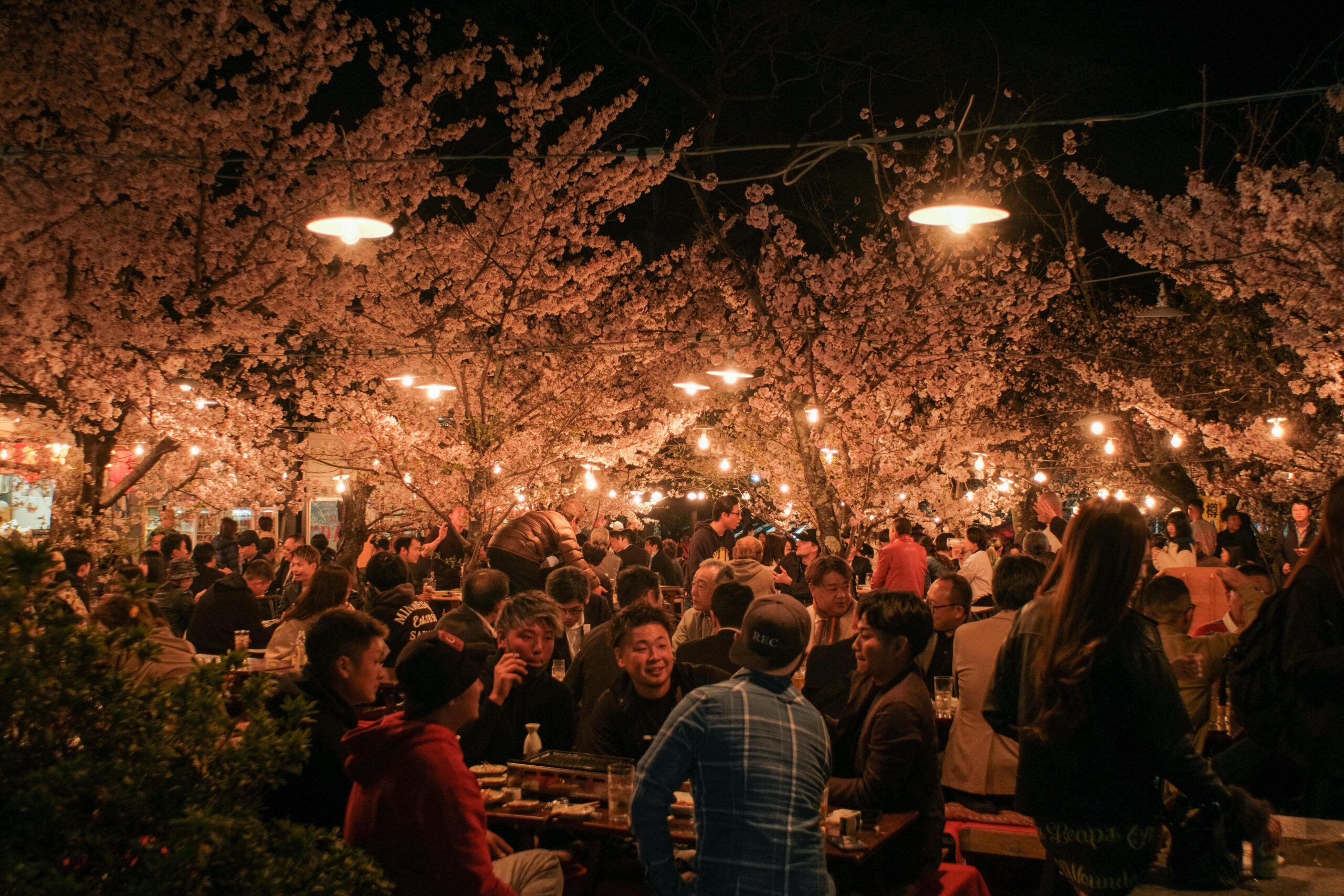
Yozakura (夜桜) means “night cherry blossoms,” and it’s breathtaking.
Many parks illuminate the trees after dark, creating a dreamlike atmosphere. The crowds are different too — more romantic, more mysterious.
Daytime hanami: Bright, social, family-friendly, great for photos Night hanami: Atmospheric, romantic, less crowded, lantern-lit
Try to experience both if you can.
7. Ask Before Photographing Strangers 📸
Japan has strict privacy norms. Taking photos of strangers — especially children — without permission is considered rude and can cause serious problems.
If someone accidentally appears in your shot, it’s polite to either delete the photo or blur their face if you post it online.
When in doubt, ask: “写真を撮ってもいいですか?” (Shashin wo totte mo ii desu ka?) — “May I take your photo?”
8. What to Bring to Hanami — The Essential Packing List 🎒
Here’s what every experienced hanami-goer brings:
Blue sheet / picnic mat — for your spot
Bento box or convenience store snacks — onigiri, sandwiches, karaage
Drinks — beer, sake, non-alcoholic options
Trash bags — multiple, for sorting
Wet wipes & hand sanitizer — limited facilities in parks
Warm layers — early April mornings can still be cold
Camera or phone — fully charged!
Cash — some park vendors don’t accept cards
🍷 Love wine? A light rosé or sparkling wine pairs beautifully with cherry blossoms. Explore a curated selection of imported wines delivered to Japan →スミレ色の白ワインをご存じですか?
Want to make the most of hanami season? This all-in-one Tokyo travel guide covers the best sakura spots, seasonal tips, and local etiquette — everything you need for the perfect cherry blossom experience! 👉 Tuttle Travel Pack: Your Guide to Tokyo’s Best Sights (Amazon)
Ginza is a dream destination for wine lovers. From affordable standing bars to sophisticated establishments, this iconic district offers every style of wine experience imaginable. As a sommelier working at a Ginza department store, here are my five absolute favorites.
1. Barabara Bao|Feel Like You’re in Italy
Step inside and you’ll instantly feel transported to Italy. At the entrance, you can enjoy wine and small bites standing up — casual, fun, and very affordable. Perfect for a spontaneous stop. Head further inside and you’ll find a proper restaurant area where you can sit and enjoy a full meal. Both the food and wine deliver authentic Italian quality. 👉 Official Website
2. Termini|The Joy of Choosing Your Own Wine
A beloved Ginza institution with over 25 years of history. The highlight? You get to walk into the wine cellar and choose your own bottle — it feels like a treasure hunt! Their signature steak platter is outstanding and pairs beautifully with almost any wine on the list. 👉 Official Website
3. Goss|Perfect for a Casual Glass
A slightly sophisticated wine bar where you can sample various wines in small pours from a wine dispenser. Champagne is also available by the glass. Easy to drop in after work or whenever you have a spare moment. Ideal for those who love exploring different wines without committing to a full bottle. 👉 Official Website
4. Grand Marché|A Wine Lover’s Paradise Run by Importers
Conveniently located directly connected to the subway in the Sukiyabashi area of Ginza. Because it’s run by a wine importer, the selection is extensive and surprisingly affordable. Several options for glass wine and champagne are always available. You can also purchase directly imported cheeses and salami — perfect for taking back to your hotel. And don’t miss the wine dispenser at the back, where you can try world-class wines like Opus One in small pours. 👉 Official Website
5. Mikasa Kaikan|A Classic Ginza Experience
One of Ginza’s most storied establishments, offering impeccable service in an elegant setting. The happy hour set is exceptional value and a great way to experience the best of this iconic venue. Perfect for a special evening or an important dinner with someone dear to you. 👉 Official Website
Final Thoughts
Ginza’s wine scene has something for everyone — whether you’re looking for a quick glass after work or a memorable evening out. I hope these five picks help you discover your perfect spot. Cheers! 🍷
summarize the estimated cherry blossom front in Japan for j 、This year, it’s said that areas like Kanto and Eastern Japan are expected to bloom slightly earlier than usual.
⭐️Tokyo and Kanto: expected to bloom around March 20th, 2026 this year!
Cherry blossoms are flowers that symbolize spring in Japan and are loved by many people. It is said that Tokyo is expected to be in full bloom on March 30, 2025, but…
26/03/2025
東京満開にはもう少しかかりそうです♪
東京の桜情報でした!ではまた次回!
It seems like it will take a little longer for Tokyo to be in full bloom♪
It was information about cherry blossoms in Tokyo!