Blog 

  • Fresh Soba Festival in Chichibu: A Gentle Autumn Day Out (November 8, 2026)

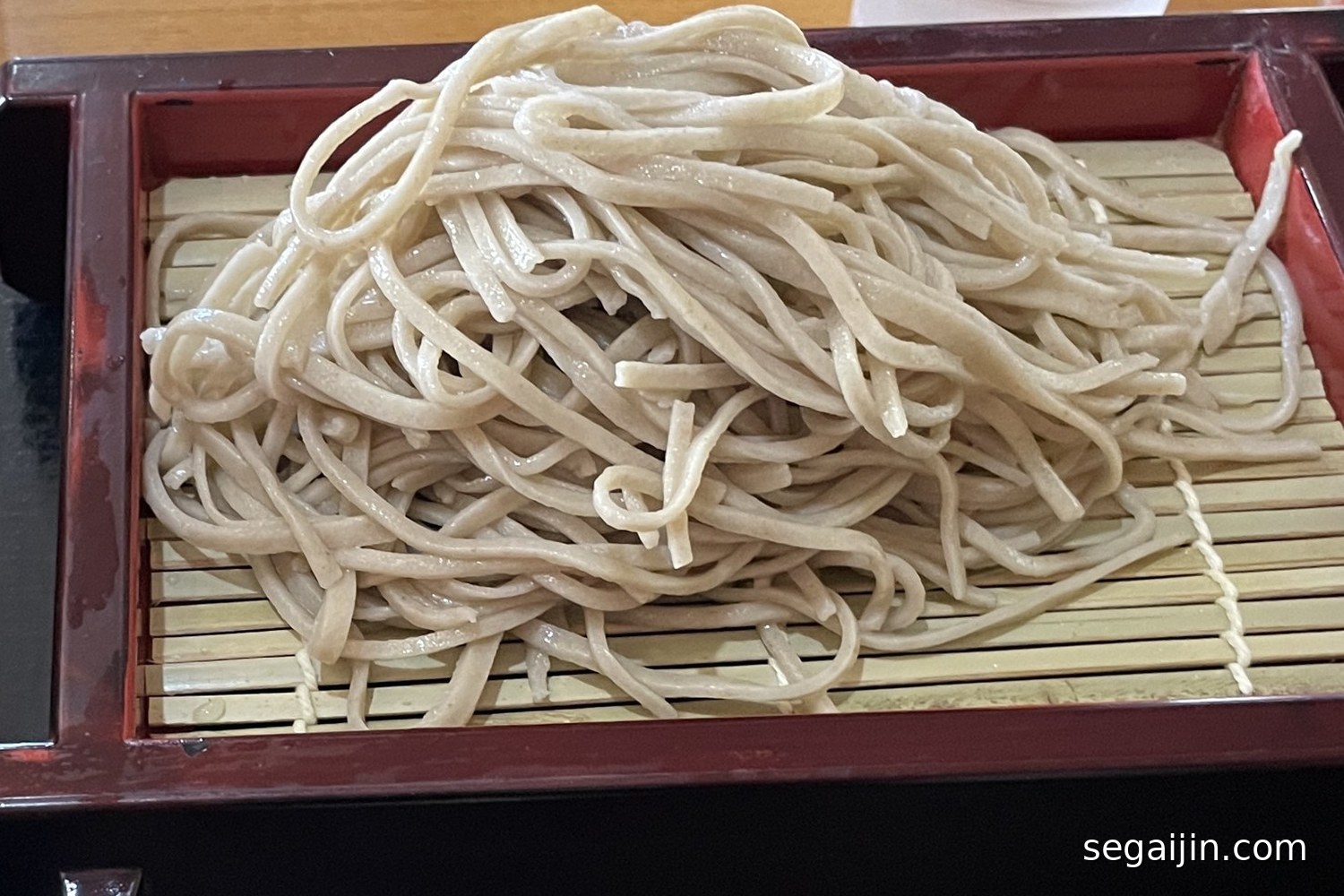
    Cold zaru soba noodles served on a bamboo mat in a red lacquer tray, enjoyed in Chichibu
    Zaru soba I enjoyed in Chichibu on an ordinary day (not at the festival). It really is a soba town!

    If you love soba, this one is for you. Every autumn, the mountain town of Chichibu in Saitama celebrates the new buckwheat harvest with a cheerful little festival, and this year is the 30th time. It sounds like a lovely way to spend a quiet autumn day in the Japanese countryside.

    The basics

    • Name: The 30th Chichibu Arakawa Shin-Soba Festival (“shin-soba” means soba made from freshly harvested buckwheat)
    • Date: Sunday, November 8, 2026, from 10:00 to 15:00 (it may be cancelled in bad weather)
    • Place: Soba-dokoro Chichibu Hanami no Sato, Arakawa Kamitano, Chichibu City, Saitama

    What you can enjoy

    There is a soba dining area where a plate starts from about 600 yen (quantities are limited, so it may be nice to go a little early). You can also look through local soba specialty products, and there are traditional local performances and small attractions for the whole family. Some of the restaurants may not use buckwheat flour grown in Arakawa, so if that matters to you, it is kind to ask the staff.

    How to get there

    Parking is limited, so public transport is kindly recommended. A free shuttle bus runs from Seibu-Chichibu Station, and also from the temporary parking lot at Arakawa Sports Park. Pets are asked to stay at home this time.

    Chichibu is also home to Ichiro’s Malt

    Chichibu is also the hometown of Ichiro’s Malt, a Japanese whisky loved by fans all over the world. It is made at the Chichibu Distillery, founded by Ichiro Akuto, which has been making whisky since 2008. The distillery is known for its small-batch craft and its Mizunara (Japanese oak) casks, and its bottles are often hard to find, even in Japan.

    The distillery is not a casual walk-in spot. Visits are generally by reservation only and mainly for people in the trade, so please do not just turn up at the gate. A public open day has been held in mid-February during the Chichibu Whisky Matsuri, with a limited number of places, and tickets are said to sell out within minutes, so if you are a whisky lover, it may be worth keeping that in mind for another trip. Please check the distillery’s official website for the latest information.

    For now, the quiet streets and mountain air of Chichibu are a lovely place to imagine where your favorite dram comes from. And if you are a whisky fan, it might be nice to raise a small glass after a day of soba and autumn leaves. Please enjoy responsibly!

    A little autumn bonus

    The autumn leaves around Urayama are usually at their best from early to mid November, so the timing is wonderful. You might enjoy a bowl of fresh soba and then a slow walk among the red leaves.

    For questions, the organizers (the Arakawa Soba no Sato Liaison Council) can be reached at +81-494-54-1059 (Japanese only). Details are based on the official event flyer, so please check for the latest news before you go.

    Do you have a favorite way to eat soba? I would love to hear about it. Thank you for reading, and I hope you have a warm and tasty autumn!


  • Watashi wa Piano (私はピアノ) by Mizue Takada (Words & Music: Keisuke Kuwata): A Showa Hit That Found Its Audience Again

    Close-up of the black and white keys of an upright piano in soft, dim light
    Black keys, quiet evening light. Photo: Segaijin

    Some songs wait quietly for years, and then find a whole new audience. “Watashi wa Piano” (私はピアノ) by Mizue Takada (高田みづえ) is one of them. It was a big hit in 1980, and this summer it came back into the spotlight in a way that touched many people.

    About the song

    “Watashi wa Piano” was written and composed by Keisuke Kuwata (桑田佳祐) of Southern All Stars. The band first recorded it on an album in March 1980, with keyboardist Yuko Hara singing the lead. Mizue Takada then recorded her own version, which became the best-known one. It reached No. 5 on the Oricon singles chart, and her record label says it sold about 490,000 copies.

    Mizue Takada debuted in 1977 as a young idol singer, and she stepped away from show business in 1985. For many years, fans only had her records to remember her by.

    Why it is in the news again

    On August 25, 2026, she appeared on NHK’s music program “Utakon” for a special one-night comeback and sang this song and her debut single “Garasu Zaka” (硝子坂). According to her record label, the performance video was watched more than 3 million times on YouTube in the first week, and “Watashi wa Piano” went back into the digital download rankings. It is a lovely reminder that a good song can wait a long time and still reach people.

    What I remember

    I loved this song back then. Her voice sounded a little sad to me, and the melody felt so beautiful and gentle. I was too young to understand such deep feelings at that time, but the sadness in the music stayed with me.

    The song also mentions two musicians, Larry Carlton and Billy Joel. I remember wondering who Larry Carlton was, and I came to love Billy Joel’s songs later on. A song can open a little door to other music, and this one did that for me.

    It was only later that I learned it was a Southern All Stars song first. Now, when I read the words slowly, I feel how much deep emotion is inside them. Mr. Kuwata is truly a genius.

    Listen

    You can also listen on YouTube (official audio):

    The soft piano and her clear voice make it a nice song for a quiet evening, perhaps with a cup of tea. If you have never heard it, I would love for you to try it once.

    I also love “Garasu Zaka,” and I would like to share it with you another day. Is there a song from long ago that suddenly came back into your life? Thank you for listening with me. I hope this song stays in your heart for a while.

  • Fly-Day Chinatown (フライディ・チャイナタウン) by Yasuha (Lyrics: Toyohisa Araki, Music: Yasuha Ebina): A Song That Was Loved Later

    Some songs wait a long time before the world finds them. “Fly-Day Chinatown” (フライディ・チャイナタウン) is one of those songs. It was sung by Yasuha (泰葉) and released in September 1981, and today it is loved by city pop fans all over the world.

    A street in New York Chinatown at dusk, with round red lanterns hanging over the road and soft city lights
    Chinatown in New York. Photo: Kayla Linero / Pexels

    About the song

    “Fly-Day Chinatown” was Yasuha’s debut single. She wrote the music herself, the lyrics were written by Toyohisa Araki, and the arrangement was by Akira Inoue. When it was released, it reached No. 69 on the Oricon chart, so it was not a big hit at the time, and it slowly faded from many people’s memories.

    Then, around 2020, during the city pop boom, a Korean DJ named Night Tempo played a remix of the song, and listeners overseas fell in love with it. The song was first released digitally in May 2022, and a 7-inch vinyl record came back in June of the same year. As of October 2026, it has been played more than 150 million times on Spotify.

    The title is a little mysterious. “Fly-Day” is said to be a coined word that means “flying,” rather than “Friday.” Many listeners imagine the Chinatown of Yokohama, although the lyrics do not name a place.

    What I remember

    What I remember most is her singing. Her voice was so skillful, and her high notes were so clear and beautiful that they stayed in my heart for a long time.

    I do not know much about music, so I cannot explain it well. But there is a part in the middle of the song, the instrumental break, where a low, bouncing sound moves along under the music. I think it might be the bass, and it is so, so cool! And I can hear a piano there, too, sparkling on top. Every time I listen, I think, "This part is the best!" It makes me want to move along with it.

    Somewhere in the middle, the song also seems to change its key, as if the mood suddenly lifts. I love that part, too. If you know music well, I would be so happy if you could tell me more about it in the comments!

    Listen

    You can also listen to the whole album, “TRANSIT” (1981), on YouTube Music. The song is track 7.

    A song that was loved later

    I find it very touching that this song did not reach many people at first, yet it found its way to new listeners across the sea, so many years later. A song, it seems, can quietly wait for the right time.

    The song is not easy to find as a CD at the moment. If you visit Japan, it might be fun to look for it in a record shop, or to listen to it on a streaming service.

    Is there a song you loved long ago that has found new listeners today?

    Thank you for listening with me. I hope this song stays in your heart, too.

  • Origami by Segaijin: A Paper Flower That Blooms Open

    Welcome to a small new corner of my blog: Origami by Segaijin. Everything here is folded by my own hands, and today I would like to share the piece that people seem to love most.

    A blooming paper flower made of folded pastel and bright origami units, handmade by Segaijin
    A paper flower that opens like a blossom, folded by me

    The piece

    It is a flower-like form made from many colored sheets of paper. Each sheet is folded the same way, then the pieces are joined together, and the whole shape slowly opens into petals. When the light touches the folds, you can see soft shadows in every color.

    Why I love it

    Origami begins with just a flat square of paper, and yet it can become something with real depth and character. I like that every fold is simple, but together they make a shape that looks almost like it is blooming. The color combinations are my favorite part: pastel shades beside bright red and blue, like a little garden on the table.

    Close view of the colorful folded origami flower, with red, blue and yellow petals
    A closer look at the petals

    A little note on folding

    If you are new to origami, please do not worry. You can begin with just a few sheets of paper and take your time. The same folds, repeated patiently, can lead to a beautiful result. I hope to share more of my pieces here, little by little.

    If you would like to try more folds, here is an origami book from Japan that comes with an English translation. CDJapan ships worldwide (affiliate link):

    And here is another one, whose title means “Origami of Japan”:

    Nippon No Origami / Yamada Katsuhisa
    Yamada Katsuhisa

    My flower is made by folding many sheets the same way and joining them together. This kind of origami is called “unit origami,” and this book is about exactly that. Its title means “Unit Origami Explained with Photos”:

    And if you would like to fold with lots of colors and patterns, here are two origami papers with good reviews on Amazon Japan. Please check the Amazon page for shipping options to your country (Amazon affiliate links):

    As an Amazon Associate I earn from qualifying purchases.

    I also shared my folded pieces on Pinterest, in a short video filmed from above.

    I hope to share more of my pieces here, little by little. Is there a flower or a color that makes you smile where you live?

  • Watashi no Heart wa Stop Motion (私のハートはストップモーション) by Tomoko Kuwae (Lyrics: Machiko Ryu, Music: Shunichi Tokura): A Spring Song for an Autumn Day

    Watashi no Heart wa Stop Motion (私のハートはストップモーション) by Tomoko Kuwae (Lyrics: Machiko Ryu, Music: Shunichi Tokura): A Spring Song for an Autumn Day

    Some songs carry the feeling of a season, even when you hear them in another one. For me, “Watashi no Heart wa Stop Motion” (私のハートはストップモーション) is a spring song, and it is a joy to listen to on a quiet autumn day. It was sung by Tomoko Kuwae (桑江知子) and released in January 1979.

    About the song

    This was Tomoko Kuwae’s debut single. It was used in a cosmetics commercial in the spring of 1979, reached No. 12 on the Oricon chart, and sold about 148,000 copies, which made it her biggest hit. That year it also won a Best New Artist award at the Japan Record Awards. The sound is bright and stylish, with a gentle city feeling, and in recent years it has been introduced as a song that city pop fans enjoy, too. It is a late-1970s pop song that feels like city pop.

    What I remember

    I did not know the English words “stop motion” back then. This song was the first time I heard them, and they felt fresh and exciting to me. What I loved most was the feeling of the song: a new love that comes in softly, together with spring. Even now, it makes me feel the warm air of that season.

    Listen

    A spring song that also suits autumn

    This is a song of spring, when a new love comes in softly. Still, I like listening to it in autumn too, while the leaves slowly change color. Its light, hopeful feeling seems to warm a quiet autumn day. If you are looking for a gentle Showa-era song, I would love for you to try this one with a cup of tea.

    The song does not seem to be sold as a CD at the moment, but in Japan it can be bought as a digital download. If you visit Japan, it might be fun to look for it in a record shop. Finding an old record or CD in a small shop can be a lovely little treasure hunt, and it is a good song to look for.

    Is there a song that reminds you of a season, even when you hear it in a different one?

    Thank you for listening with me. I hope this song stays in your heart, too.

  • Purple Town (パープルタウン) by Junko Yagami (Lyrics: Noriko Miura, Music: Junko Yagami): A Dream of a Faraway City

    Purple Town (パープルタウン) by Junko Yagami (Lyrics: Noriko Miura, Music: Junko Yagami): A Dream of a Faraway City

    Ginza street at dusk with purple lights glowing on a building and city lights below a deep blue sky
    Purple lights in Ginza at dusk. Not New York, but my own little Purple Town. Photo: Segaijin

    Some songs make you dream of a faraway place before you even know where it is. For me, “Purple Town” by Junko Yagami is one of those songs. Released on July 21, 1980, its full title is “Purple Town (パープル タウン) ~You Oughta Know by Now~.”

    About the song

    “Purple Town” became a big hit, reaching No. 2 on the Oricon chart. That same year, it took Junko Yagami to the NHK Kohaku Uta Gassen, the famous New Year’s Eve music show, for the very first time. With its bright city sound, the song is now loved by city pop fans all over the world.

    Junko Yagami made her debut in 1978. Later, in 1987, she moved to Los Angeles and continued her music there, so her story also crosses the ocean, just like this song.

    What I remember

    When I was little, I did not know much about the song itself. But I remember the phrase “New York” so clearly. Hearing it made me dream about New York, a place that seemed so shining and far away. And I often wondered, “What is a Purple Town?” It sounded like a magical city to me.

    My favorite part was the moment she sings “I love…” in English. Her voice turns a little husky there, and I thought it was so cool. Even now, that part still gives me a small thrill. It stays in my heart as the sound of a big, bright city.

    Junko Yagami’s best-of CD, with “Purple Town” as track 2 (CDJapan, affiliate link):

    A city in a song

    If you love city pop, I hope you will listen to “Purple Town” and imagine the lights of a big city at night, just like I did as a child.

    Is there a city you once dreamed about because of a song?

  • Kimi no Asa (きみの朝) by Satoshi Kishida (Lyrics: Osami Okamoto, Music: Satoshi Kishida): A Song That Feels Like Morning Light

    Kimi no Asa (きみの朝) by Satoshi Kishida (Lyrics: Osami Okamoto, Music: Satoshi Kishida): A Song That Feels Like Morning Light

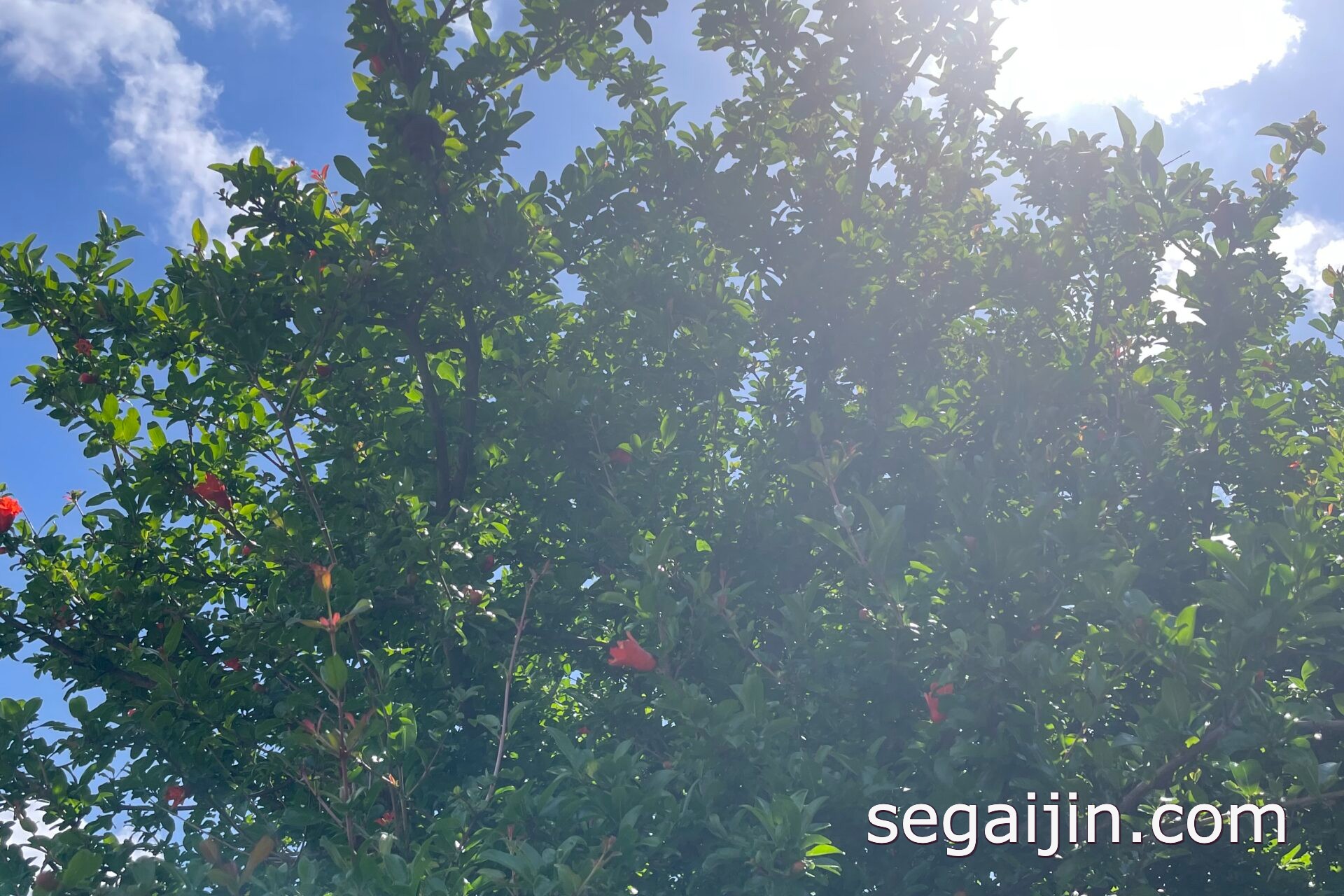
    Morning sunlight shining through a pomegranate tree with red flowers in a Japanese garden
    Morning light through the pomegranate tree in my garden. Photo: Segaijin

    Some songs feel like the first light of the day. For me, “Kimi no Asa” (きみの朝), which means “Your Morning,” is one of them. It was released in 1979 by Satoshi Kishida, a singer-songwriter who later changed the way his name is written to 岸田敏志.

    About the song

    “Kimi no Asa” belongs to the gentle “new music” sound of late-1970s Japan, when singer-songwriters brought soft melodies and personal stories to the charts. The song begins quietly and slowly opens up, like a window letting the morning in. Kishida’s voice is clear and warm, and the piano carries the whole song with a calm, steady heart.

    What I remember

    I was only a child when this song was on the radio and TV. What I loved most was the moment the music rises into the word “morning.” Even as a little girl, that part felt so comfortable to me. His voice was beautiful, and I think the piano was a big part of the magic, too.

    Looking back now, I realize the song carries a deeper story than I could understand back then. As a child, I simply felt the brightness of it. As an adult, I can hear the feelings hidden inside, and that makes the song even more precious to me. It stays in my heart like a quiet sunrise.

    Satoshi Kishida’s album “Morning” on CD (CDJapan, affiliate link):

    A song for a new day

    If you are looking for a Showa-era song to start your morning, I would love for you to try this one. Put it on with a cup of tea or coffee, and let the piano and that clear voice welcome the day with you.

    Is there a song that you like to listen to in the morning, one that makes a new day feel a little brighter?

  • Kochia in My Garden: A Soft Red Ball of Autumn

    Kochia in My Garden: A Soft Red Ball of Autumn

    Every autumn, a soft green plant in my garden turns into a round ball of deep red. It is called kochia (コキア), and it is one of the most beautiful sights of the season for me.

    From my garden

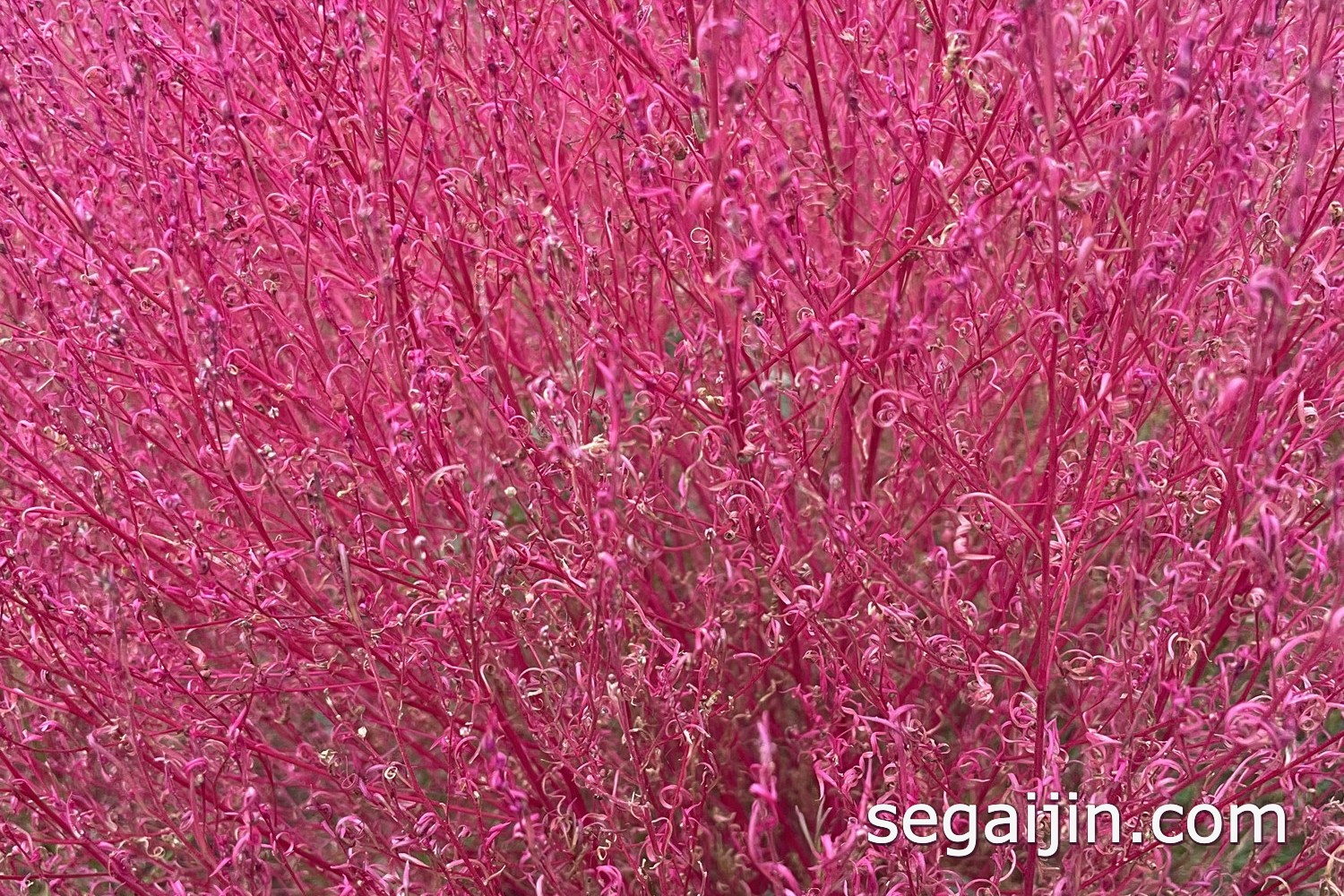
    A friend of mine grew these kochia from seed and planted them in my garden, Mon Papillon. They were green and fresh in the warm months, and now, in autumn, they have turned a bright, glowing red. When the light touches the thin branches, the whole plant looks as if it is softly burning.

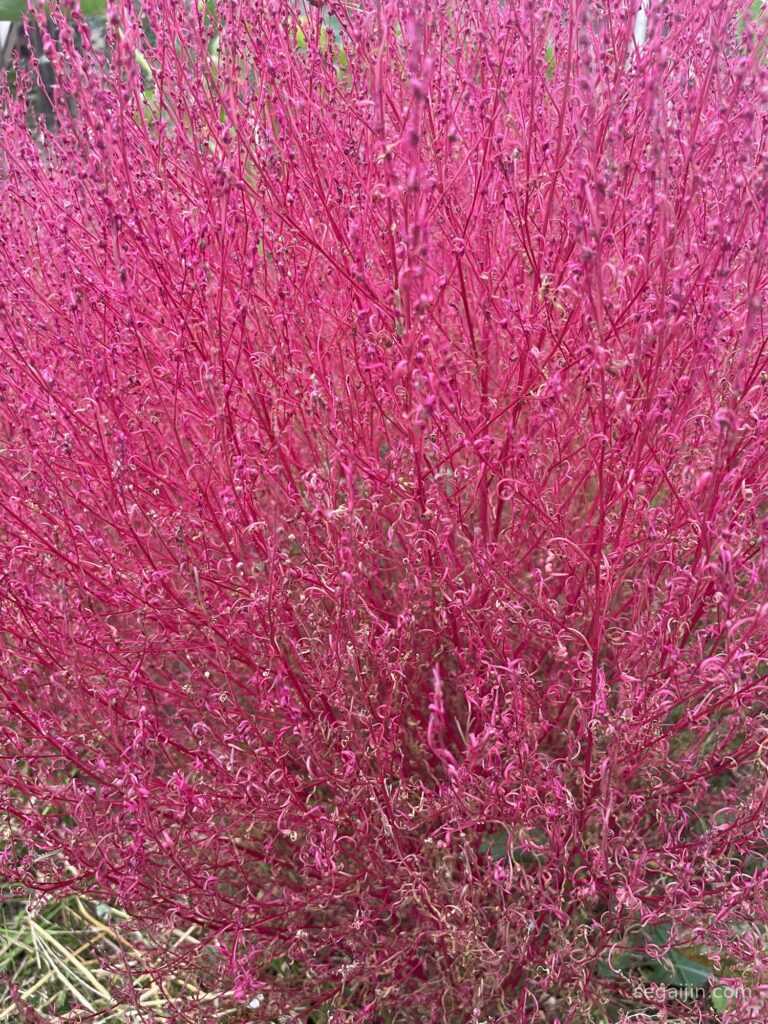
    Close-up of red kochia branches in autumn in my garden
    Kochia turning red in my garden in autumn. Photo: Segaijin

    What is kochia?

    Kochia is also called hokigusa (ほうきぐさ), which means “broom grass.” The thin branches were once dried and made into brooms, and the round, fluffy shape still looks a little like one. In summer it is a fresh green. In autumn it slowly changes to red, and each plant becomes a gentle ball of color. Its tiny seeds are eaten in some parts of Japan, too, and are known as tonburi.

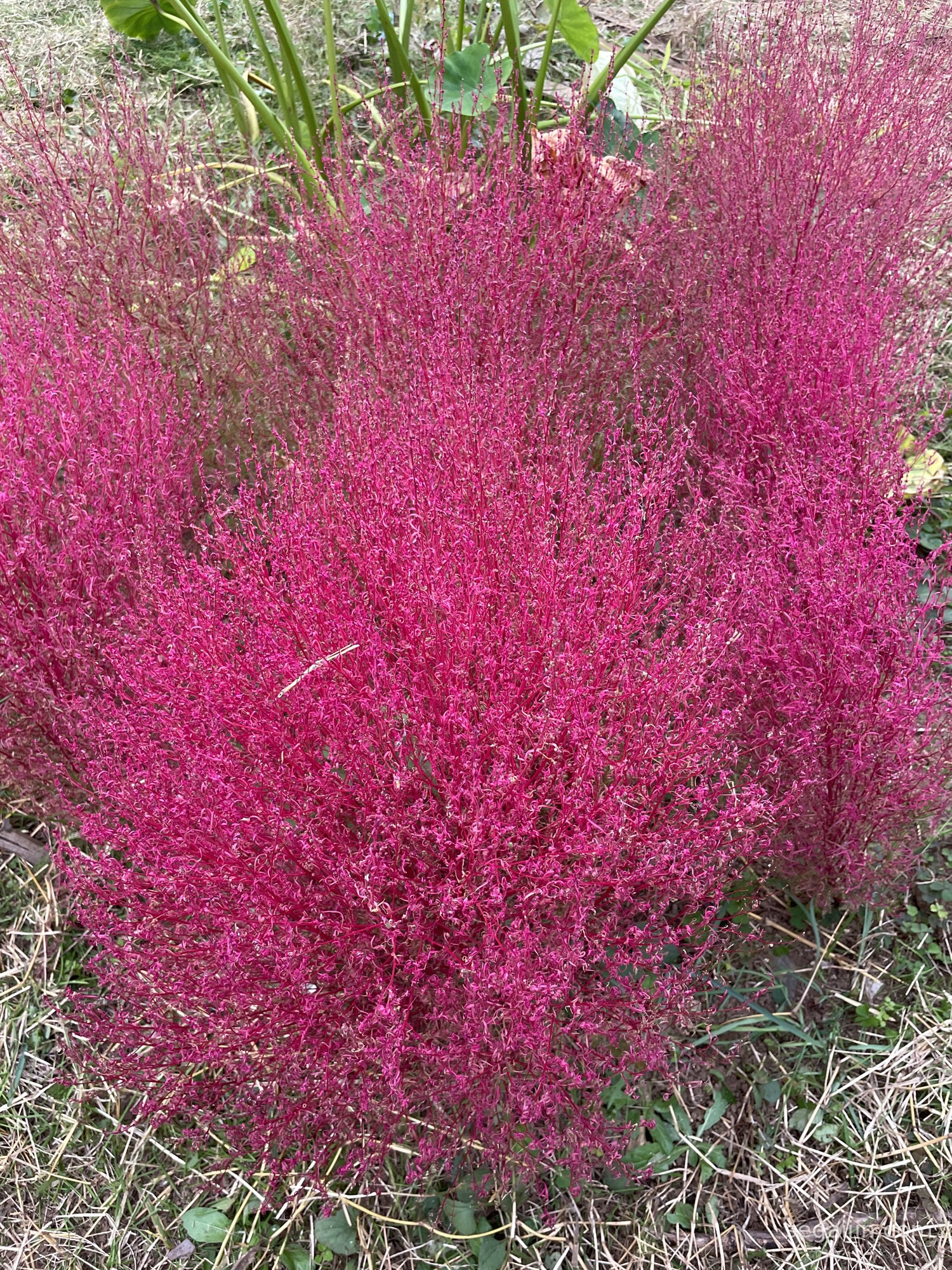
    Several fluffy red kochia bushes in an autumn garden
    Soft red balls of kochia in autumn. Photo: Segaijin

    If you would like to see more: Ibaraki

    If you would like to see kochia on a much larger scale, Hitachi Seaside Park (国営ひたち海浜公園) in Ibaraki Prefecture is famous for it. About 40,000 kochia plants grow on Miharashi Hill, the same hill that is covered in blue nemophila flowers in spring. In 2026, a “Kochia Carnival” is held from September 18 to November 3. The best time for the red color is usually around mid-October, and the colors move to a mix of red and brown toward the end of the month. Opening hours, fees, and the colors change from year to year, so please check the official website before you go.

    The park is in Hitachinaka, and it can be reached from Tokyo by train and bus. I am only introducing it here as a gentle guide. For me, my own little garden is enough to enjoy the red of autumn.

    In spring (usually late April to early May), the same hill turns sky blue with millions of nemophila flowers, which is just as beautiful. You can find the latest information on the official Hitachi Seaside Park website.

    If you would rather not worry about trains and buses, a day tour from Tokyo is an easy way to go: Hitachi Seaside Park day tour from Tokyo on Klook (affiliate link). It also visits Oarai Isosaki Shrine, with its torii gate standing in the sea.

    I also shared this autumn scene on Pinterest.

    What color does autumn have where you live?

  • Summer Candles (サマー・キャンドル) by Anri (Lyrics: Yumi Yoshimoto, Music: Anri)

    When summer comes, there is one voice I always want to hear: Anri. Today I would like to share one of her warm, breezy summer songs with you.

    A single lit candle on a striped beach towel at twilight, with soft waves blurred in the background
    Photo: hello aesthe / Pexels

    The song

    “Summer Candles” (サマー・キャンドル) is sung by Anri, one of the most loved voices of Japanese city pop. Her songs have a gentle, sparkling feeling, like evening light on the sea, and this one carries that mood beautifully.

    Why I chose it

    Anri is at the heart of the city pop sound that so many fans overseas have come to love: smooth melodies, a bright rhythm, and a touch of seaside romance. If you enjoy Japanese city pop, I think this song will feel very welcome to you.

    What I remember

    What touches my heart most is the very first line of the lyrics. It speaks about a miracle that is so close to us that we cannot see it. Every time I hear it, I feel I should look again at the people and the everyday moments right beside me, and thank them quietly. I also love the lines that wish for a new and beautiful tomorrow, for a long, long time to come. They sound like a quiet blessing, and they stay in my heart, long after the summer is over.

    To tell the truth, I have always loved Anri’s ballads. Her voice is bright, but it is also tender, and it holds your feelings gently. If you enjoy this song, I hope you will also try her slower songs.

    Listen

    This is the surfing version, which I like best. It has a fresh, open feeling, like a breeze coming in from the water.

    This version is closest to the one in my memories. I love the strength and brightness of her voice here, and it brings those summer days right back to me. Her newer arrangements are lovely too, and they are her own, but this is the voice I remember.

    If you would like to hold an Anri album in your hands, CDJapan ships worldwide (affiliate link):

    Here is another Anri album that caught my eye: "Timely!!" in a Blu-spec CD edition, which is made for clear, beautiful sound. It also ships worldwide from CDJapan (affiliate link).

    Do you have a summer song that takes you back to a special season? I would love to hear about it in the comments.

  • Hikoki-gumo (ひこうき雲) by Yumi Arai (Words & Music: Yumi Arai): A Gentle Song for a Quiet Sky

    A thin white line drawn across a blue sky. It appears quietly, and then slowly fades away. This is the song that comes to my mind when I look up and find one.

    A thin pink contrail across a soft purple dusk sky. Photo: Sherif Emad / Pexels
    Photo: Sherif Emad / Pexels

    The song

    “Hikoki-gumo (ひこうき雲)” is a song by Yumi Arai, who is now known as Yumi Matsutoya, or simply “Yuming.” It was released in 1973 as the title track of her first album. In 2013, it was chosen as the theme song of Studio Ghibli’s film The Wind Rises (風立ちぬ), and many new listeners around the world found it. The title means “contrail,” the white trail an airplane leaves in the sky.

    Why I chose it

    This is not city pop, and it is not an 80s idol song. It is an earlier, gentler song from the beginning of Japan’s “New Music” style. Still, Yuming is loved by many Showa fans overseas, and her soft, sweet sound is often said to have helped shape the city pop that came later. I wanted to share the place where that gentle sound began.

    What I remember

    I loved this melody long before I understood what the song was really about. I have always loved airplanes, and I have always longed for the sky. As a child, I loved watching contrails in the evening sky. The white lines slowly turned soft pink and gold, and I could look at them for a very long time.

    Later, I learned that this is a song with sadness in it. Even so, the gentleness of the melody has stayed with me. Now, when I find a contrail in the evening sky, I still stop and look up for a moment. I have been lucky enough to travel to many places, and these days I watch them with a gentle heart and a feeling of gratitude.

    Listen

    Here is the song on Spotify:

    If you would like to hold the album in your hands, CDJapan ships the CD worldwide (affiliate link).

    If you would like to hear Yuming’s later songs as well, this 50th anniversary best album is also available from CDJapan (affiliate link).

    Is there a small sight in your sky, or a song, that makes you stop and look up?