Food in Japan

  • Fresh Soba Festival in Chichibu: A Gentle Autumn Day Out (November 8, 2026)

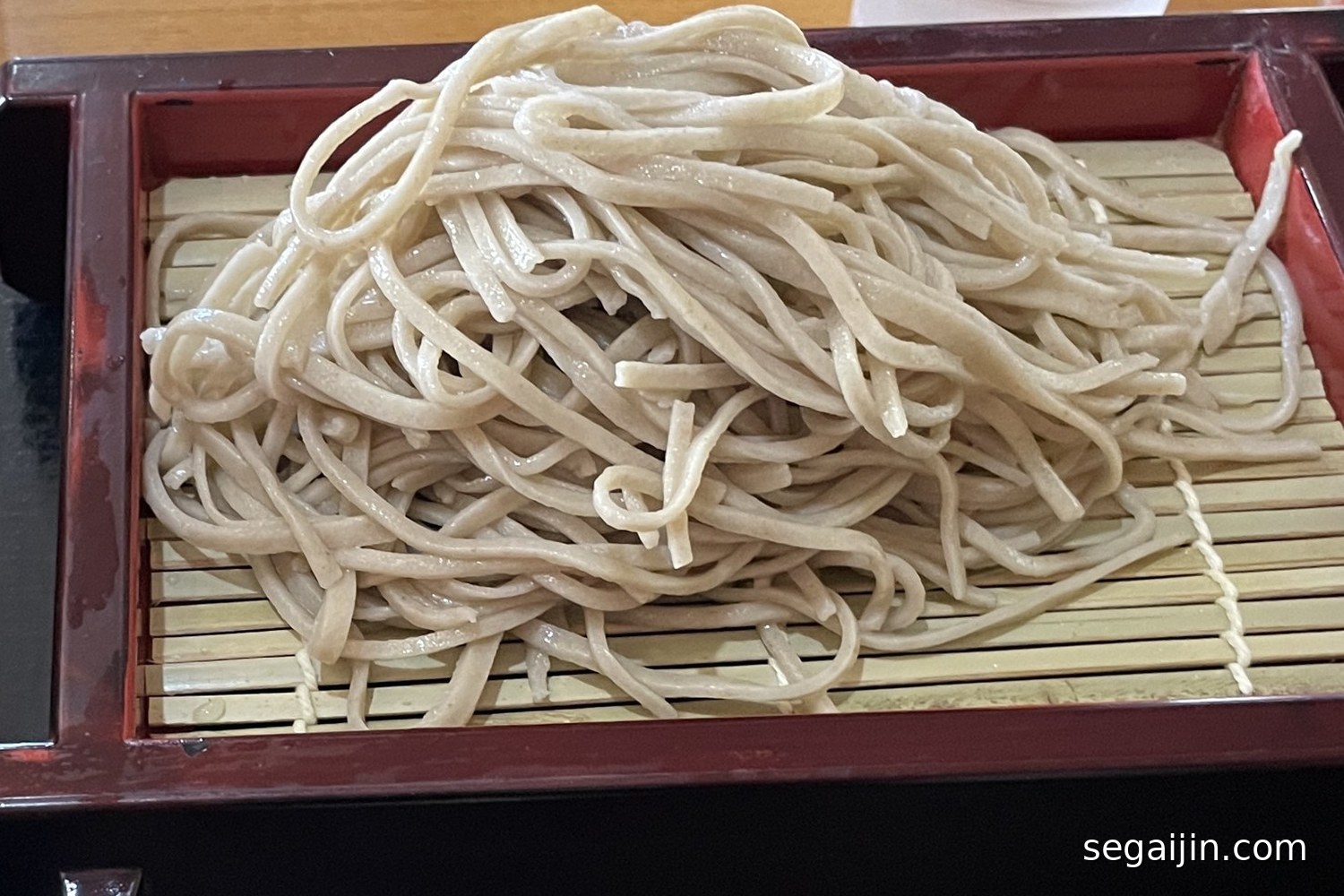
    Cold zaru soba noodles served on a bamboo mat in a red lacquer tray, enjoyed in Chichibu
    Zaru soba I enjoyed in Chichibu on an ordinary day (not at the festival). It really is a soba town!

    If you love soba, this one is for you. Every autumn, the mountain town of Chichibu in Saitama celebrates the new buckwheat harvest with a cheerful little festival, and this year is the 30th time. It sounds like a lovely way to spend a quiet autumn day in the Japanese countryside.

    The basics

    • Name: The 30th Chichibu Arakawa Shin-Soba Festival (“shin-soba” means soba made from freshly harvested buckwheat)
    • Date: Sunday, November 8, 2026, from 10:00 to 15:00 (it may be cancelled in bad weather)
    • Place: Soba-dokoro Chichibu Hanami no Sato, Arakawa Kamitano, Chichibu City, Saitama

    What you can enjoy

    There is a soba dining area where a plate starts from about 600 yen (quantities are limited, so it may be nice to go a little early). You can also look through local soba specialty products, and there are traditional local performances and small attractions for the whole family. Some of the restaurants may not use buckwheat flour grown in Arakawa, so if that matters to you, it is kind to ask the staff.

    How to get there

    Parking is limited, so public transport is kindly recommended. A free shuttle bus runs from Seibu-Chichibu Station, and also from the temporary parking lot at Arakawa Sports Park. Pets are asked to stay at home this time.

    Chichibu is also home to Ichiro’s Malt

    Chichibu is also the hometown of Ichiro’s Malt, a Japanese whisky loved by fans all over the world. It is made at the Chichibu Distillery, founded by Ichiro Akuto, which has been making whisky since 2008. The distillery is known for its small-batch craft and its Mizunara (Japanese oak) casks, and its bottles are often hard to find, even in Japan.

    The distillery is not a casual walk-in spot. Visits are generally by reservation only and mainly for people in the trade, so please do not just turn up at the gate. A public open day has been held in mid-February during the Chichibu Whisky Matsuri, with a limited number of places, and tickets are said to sell out within minutes, so if you are a whisky lover, it may be worth keeping that in mind for another trip. Please check the distillery’s official website for the latest information.

    For now, the quiet streets and mountain air of Chichibu are a lovely place to imagine where your favorite dram comes from. And if you are a whisky fan, it might be nice to raise a small glass after a day of soba and autumn leaves. Please enjoy responsibly!

    A little autumn bonus

    The autumn leaves around Urayama are usually at their best from early to mid November, so the timing is wonderful. You might enjoy a bowl of fresh soba and then a slow walk among the red leaves.

    For questions, the organizers (the Arakawa Soba no Sato Liaison Council) can be reached at +81-494-54-1059 (Japanese only). Details are based on the official event flyer, so please check for the latest news before you go.

    Do you have a favorite way to eat soba? I would love to hear about it. Thank you for reading, and I hope you have a warm and tasty autumn!
  • Two Hours in Ikebukuro: Ramen, Then a Whole Building of Anime

    Ikebukuro is a great place to enjoy for just a few hours. This time I stopped for a bowl of ramen first, and then went looking for anime goods. Here is the ramen part of my little trip.

    Ramen at Tonchin (屯ちん)

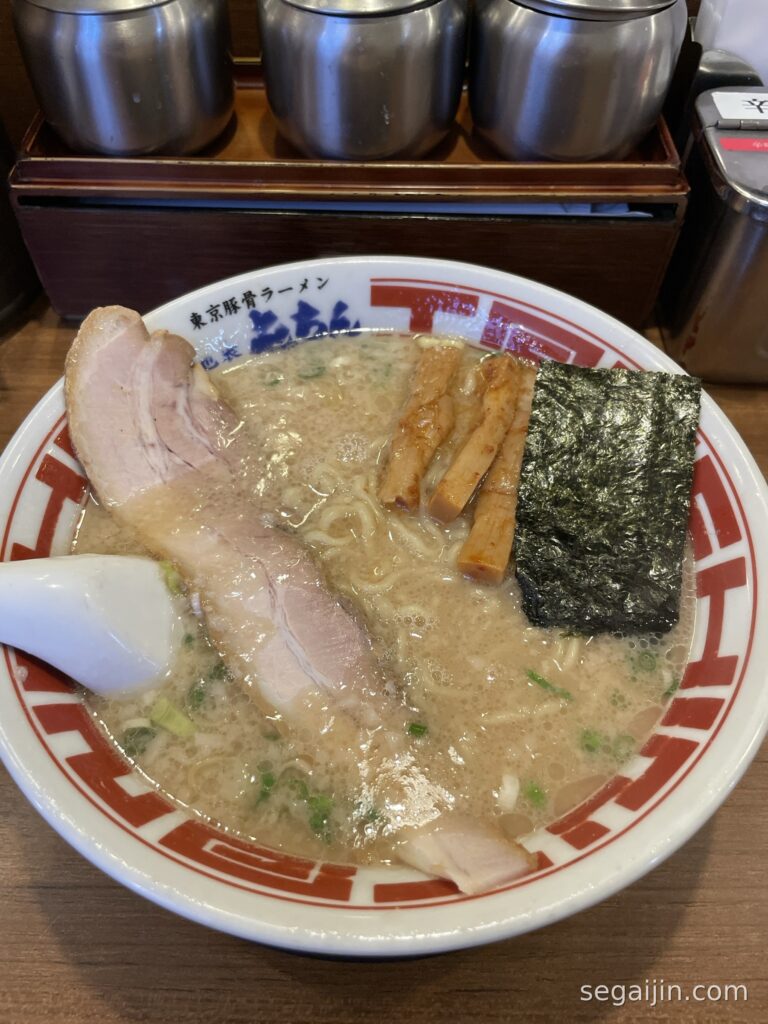
    I went to the Ikebukuro West Exit branch of Tonchin (屯ちん), a ramen shop that serves Tokyo-style tonkotsu (pork bone) ramen. The tonkotsu soup was delicious. It was around 3 p.m., a time when I thought it might be quiet, but every seat was full and some people were waiting outside. I also saw visitors from abroad enjoying their ramen, which made me feel happy.

    The shop is open 24 hours a day, which is so helpful when you are traveling and your schedule is not fixed. Most people spend about 1,000 to 2,000 yen per person. (Please check the latest information before you go.)

    Tonchin started here in Ikebukuro, and there are two branches in the area: the main branch and the West Exit branch. The West Exit branch is just a short walk from the station. Long ago, there were also branches in Kabukicho and Akasaka, and I used to go there often. So this bowl brought back many warm memories for me.

    It is the kind of place where your feet seem to carry you naturally after an evening of drinking. And being open 24 hours is a joy even in the middle of a trip, whatever your schedule may be. This branch is close to the station and easy to find, so it is a comfortable place for visitors, too.

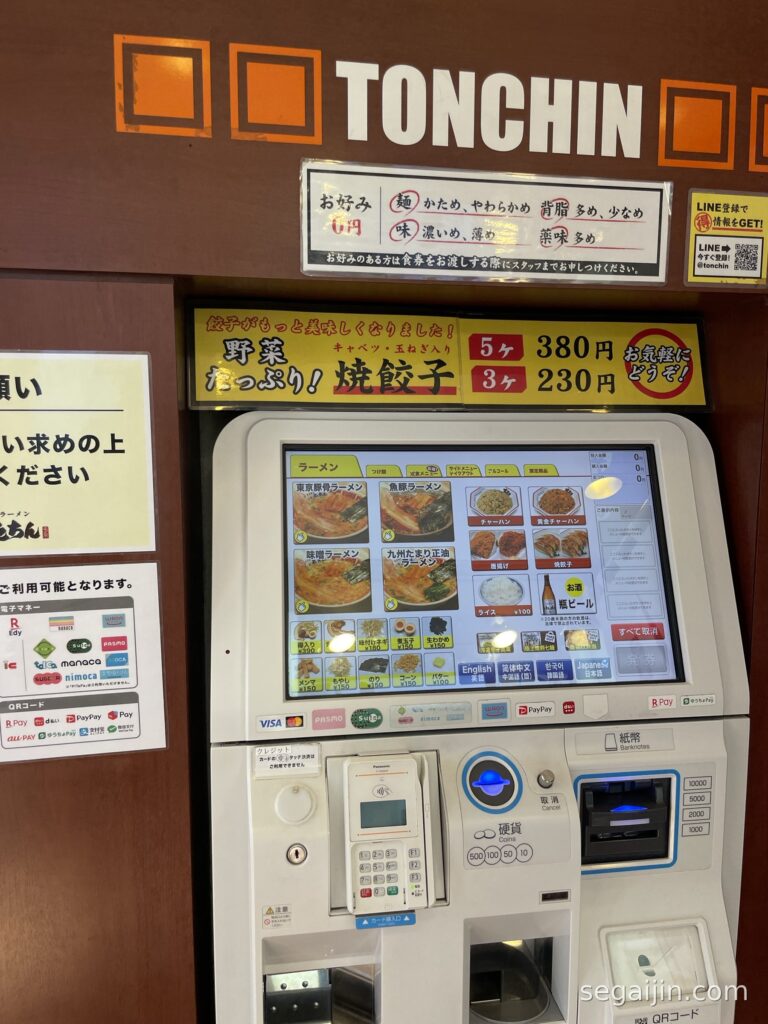
    A ramen ticket machine with an English language button, a menu with ramen photos, and a sign advertising gyoza
    The ticket machine has an English button, so ordering is easy. Photo: Segaijin

    How to order

    You buy a meal ticket from the machine at the entrance, then hand it to the staff. The machine has an English button, and it takes cash, cards, transit IC cards and QR payments. If you like, you can ask for small changes at no extra cost, such as firmer or softer noodles, richer or lighter soup, more or less back fat, or more toppings of chopped green onion. Just tell the staff when you give them your ticket.

    There are side dishes, too. Gyoza (dumplings) are 230 yen for 3 pieces or 380 yen for 5 pieces. Many people were also ordering fried chicken or a bowl of rice with their ramen.

    A bowl of Tokyo-style tonkotsu ramen with a thick slice of pork, bamboo shoots and a sheet of nori
    A bowl of Tokyo-style tonkotsu ramen. Photo: Segaijin

    At the counter

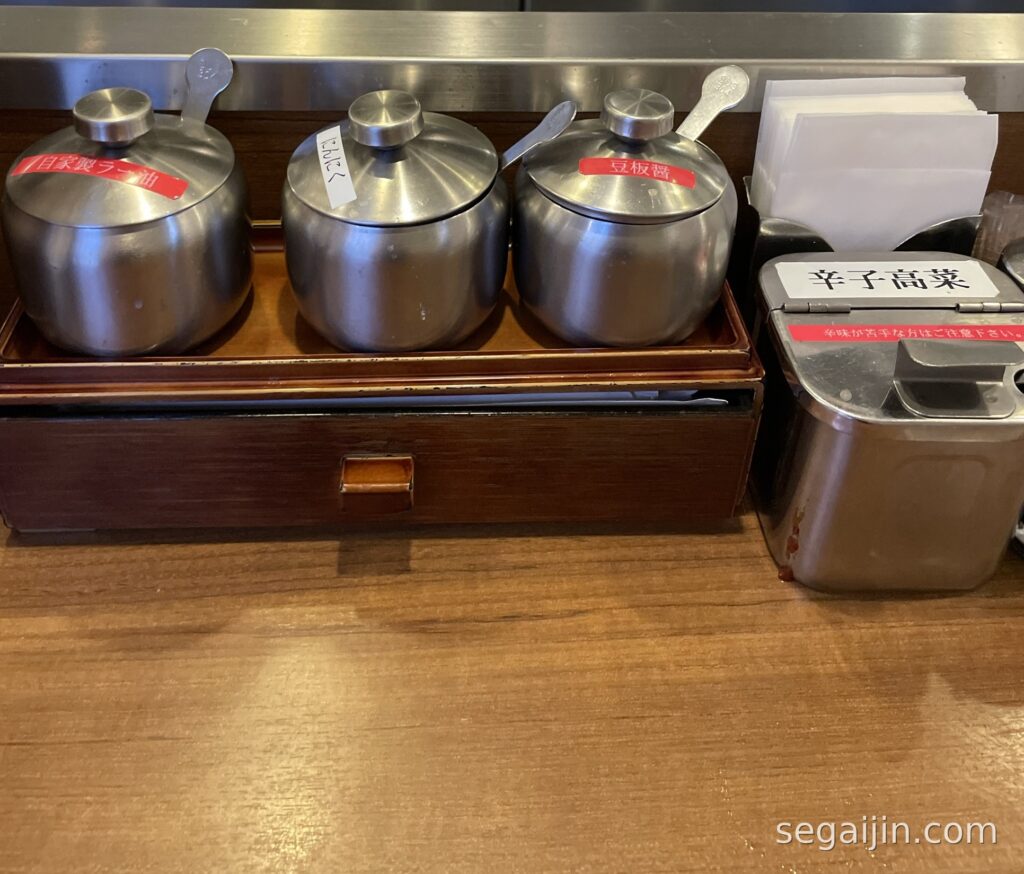
    Because this is Tokyo-style tonkotsu, there was no red pickled ginger, but there was spicy pickled mustard greens (karashi takana). On the counter you will also find house-made chili oil, garlic and doubanjiang (a spicy bean paste). Please be careful if you do not like spicy food. A little at a time is a good way to try them.

    Counter condiments at a ramen shop: house chili oil, garlic, doubanjiang and spicy pickled mustard greens
    Chili oil, garlic, doubanjiang and spicy pickled mustard greens on the counter. Photo: Segaijin

    Then, Animate Ikebukuro Main Store

    After the ramen, I walked over to Animate, one of the best-known anime and manga shops in Japan. The main store is about five minutes on foot from the East Exit of Ikebukuro Station, and the building has ten floors, so it is a lovely place to spend an hour or two.

    A few floors to know about: the 1st floor has character goods and a café, the 2nd floor has manga, light novels and capsule toys, the 4th floor has apparel and household goods inspired by anime, the 5th floor has trading goods, straps and key chains, and the 6th floor has CDs, DVDs, Blu-rays and games.

    The shop is open from about 10:00 to 21:00. Floors and events change from time to time, so please check the official website before you go.

    I could happily stay here all day. I had also hoped to visit Sunshine City to see the Pokémon goods and the capsule toy machines, but by the time I had explored Animate from the bottom floor to the top, the hours had slipped away. Sunshine City will be my next visit.

    If you would like to visit the Sunshine Aquarium there, you can buy your ticket online on Klook (affiliate link).

    For anime music fans

    For anime music fans, this album by voice actress and singer Nao Toyama is a gentle listen. CDJapan ships worldwide (affiliate links):

    If you enjoy watching anime at home, That Time I Got Reincarnated as a Slime, Season 4 is also available at CDJapan (affiliate links):

  • Two Hours in Omotesando: Sushi, Then Souvenirs

    Chiyoda Line toward Yoyogi-Uehara, front car, Exit A1.

    Eat very good sushi. Walk two minutes. Buy something small and ridiculous and perfect. That’s the whole plan.

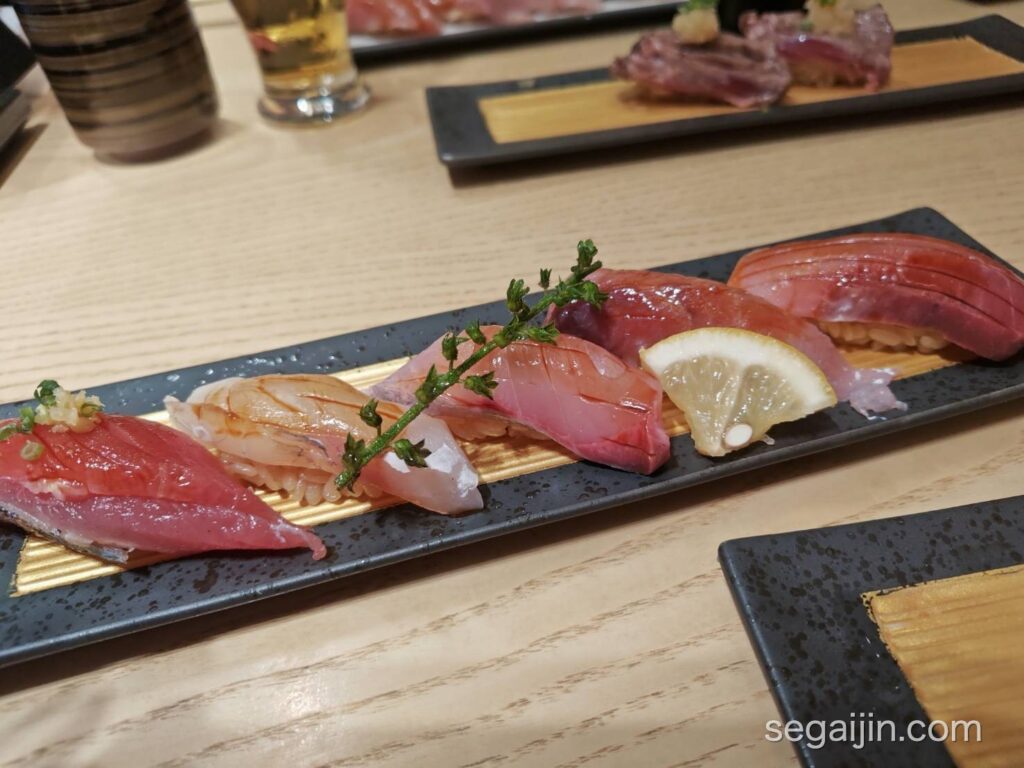
    A plate of five pieces of nigiri sushi on a black and gold plate
    Sushi at Onodera. Photo: Segaijin

    Getting there

    Omotesando Station has ten exits. Take the Chiyoda Line toward Yoyogi-Uehara, ride the front car, come out of Exit A1. You’ll surface across from the BOSS building, on the same side as the sushi restaurant. No crossing, no backtracking.


    Kaiten Sushi Ginza Onodera

    It says kaiten — conveyor belt. Elsewhere that means cheap. In Japan it’s a format, not a price tier, and Onodera sits at the top of it.

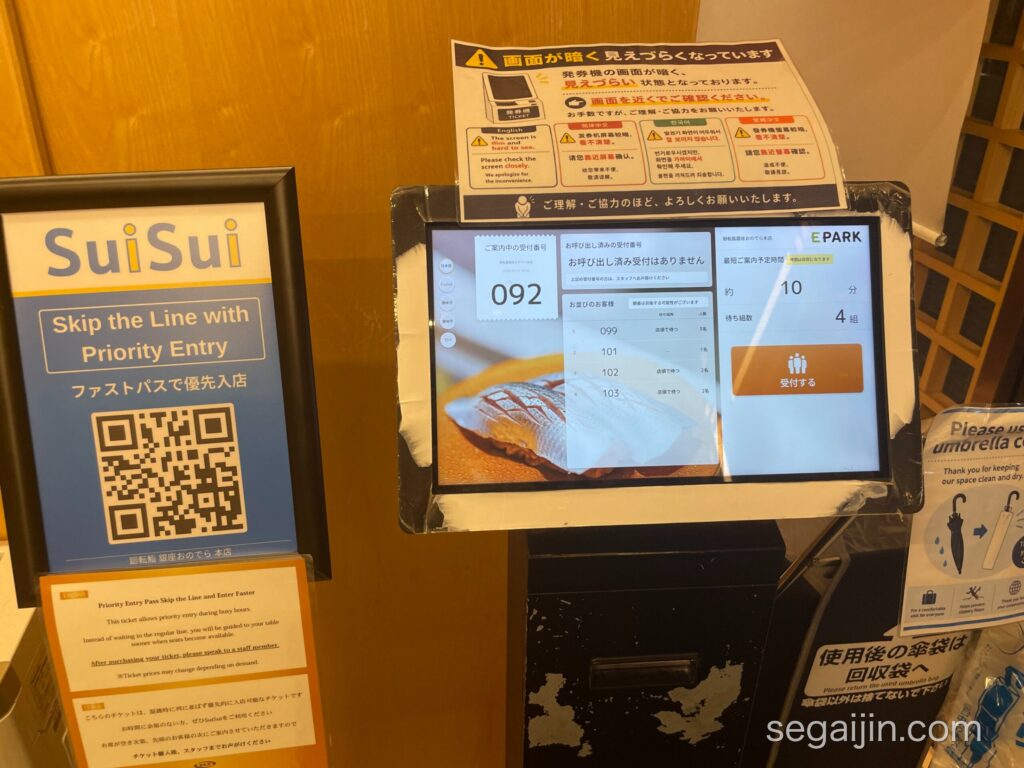
    Getting in. No reservations. There’s a ticket machine inside the door with language buttons down the left edge — tap English, then 受付する, take your ticket. The screen shows the number being seated, how many groups are ahead, and an estimated wait.

    I took a ticket at 6:56 pm on a Tuesday: four groups ahead, ten minutes estimated. Nobody was queuing outside. The restaurant was nearly full and I was seated straight away. The estimate is a ceiling, not a promise. Early evening moves fast.

    The shortcut. Next to the machine, a small sign: SuiSui — Skip the Line with Priority Entry. Buy a pass by QR code and you’re seated ahead of the queue. Prices change with demand. I didn’t need it. On a Saturday lunchtime you might.

    The waiting-list ticket machine at the restaurant entrance, next to the SuiSui priority entry sign
    The ticket machine, with the SuiSui priority-entry sign on the left. Photo: Segaijin

    Rules, posted in English.

    • 70-minute seating limit at peak times
    • Check your wait by scanning the QR code on your ticket
    • If you’re away more than 30 minutes after your number is called, your booking is cancelled

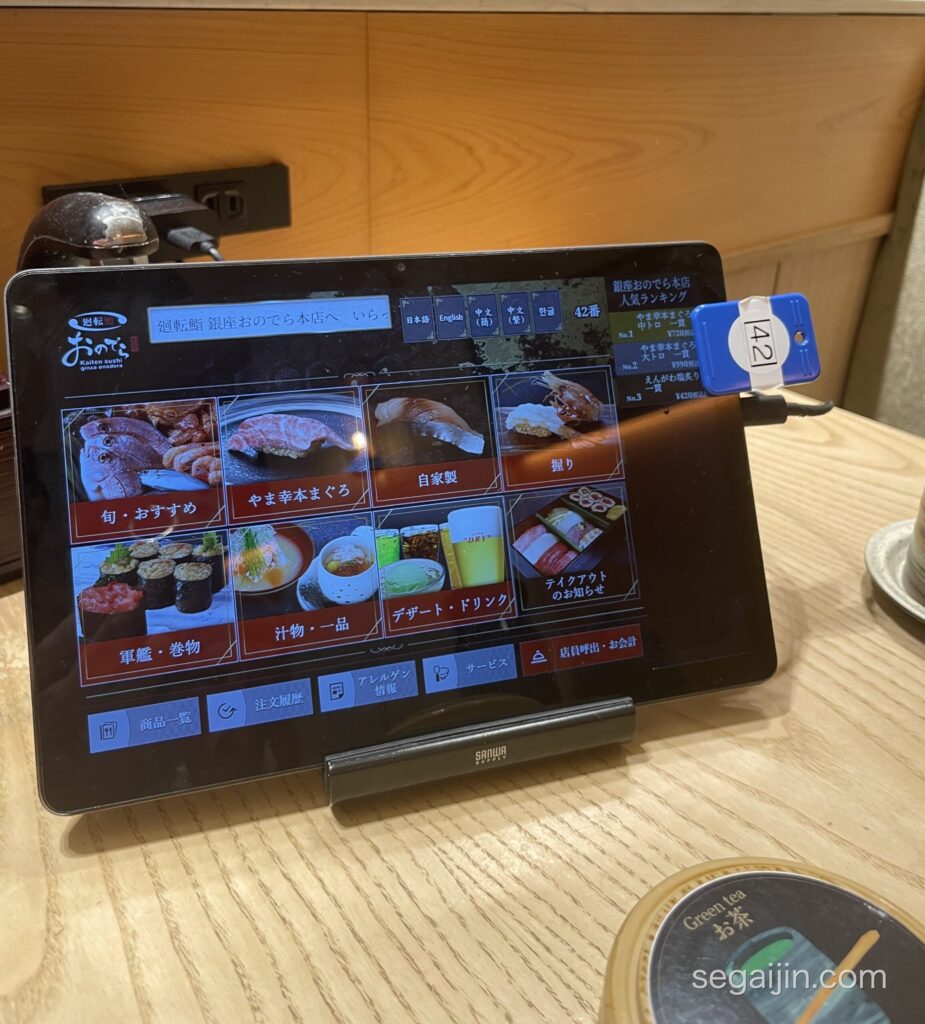
    Ordering. Every seat has a tablet. Language buttons top right. The house ranking is the fastest way to order well:

    1Chūtoro (medium fatty tuna)¥720
    2Ōtoro (fatty tuna)¥990
    3Engawa, salt-seared¥420
    The ordering tablet at a conveyor-belt sushi restaurant, with language buttons and a numbered ticket tag
    The tablet at your seat. Language buttons are at the top right. Photo: Segaijin
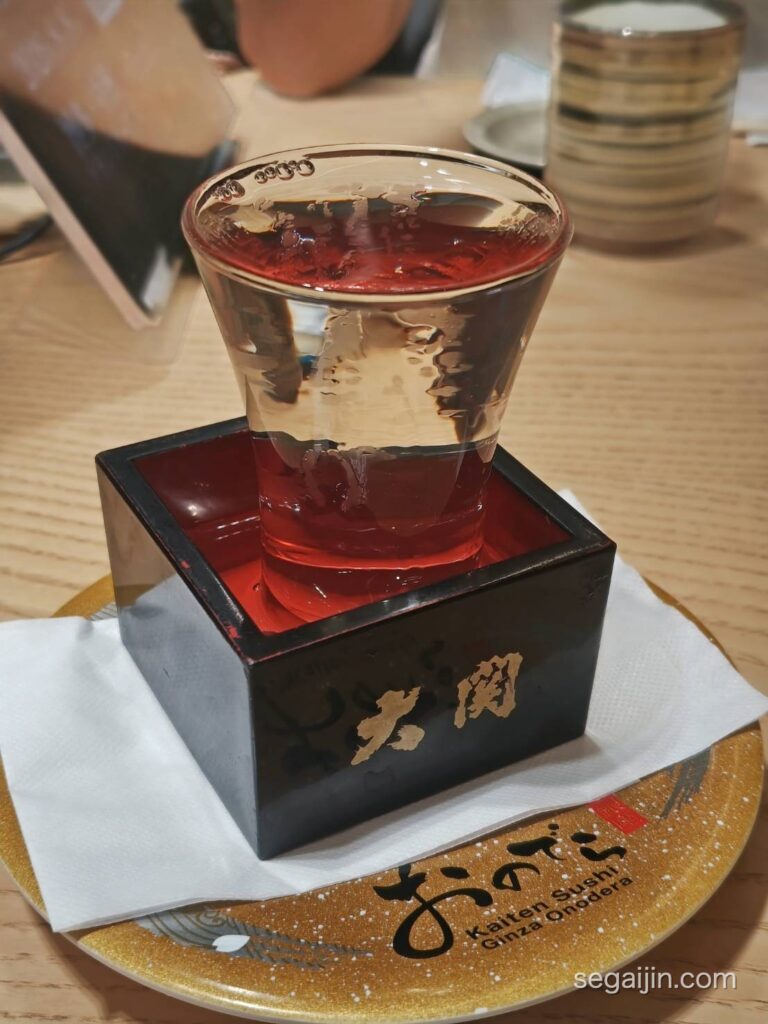
    Sake in a glass sitting in a wooden masu box, on a gold Onodera plate
    Sake, served in a masu (wooden box). Photo: Segaijin

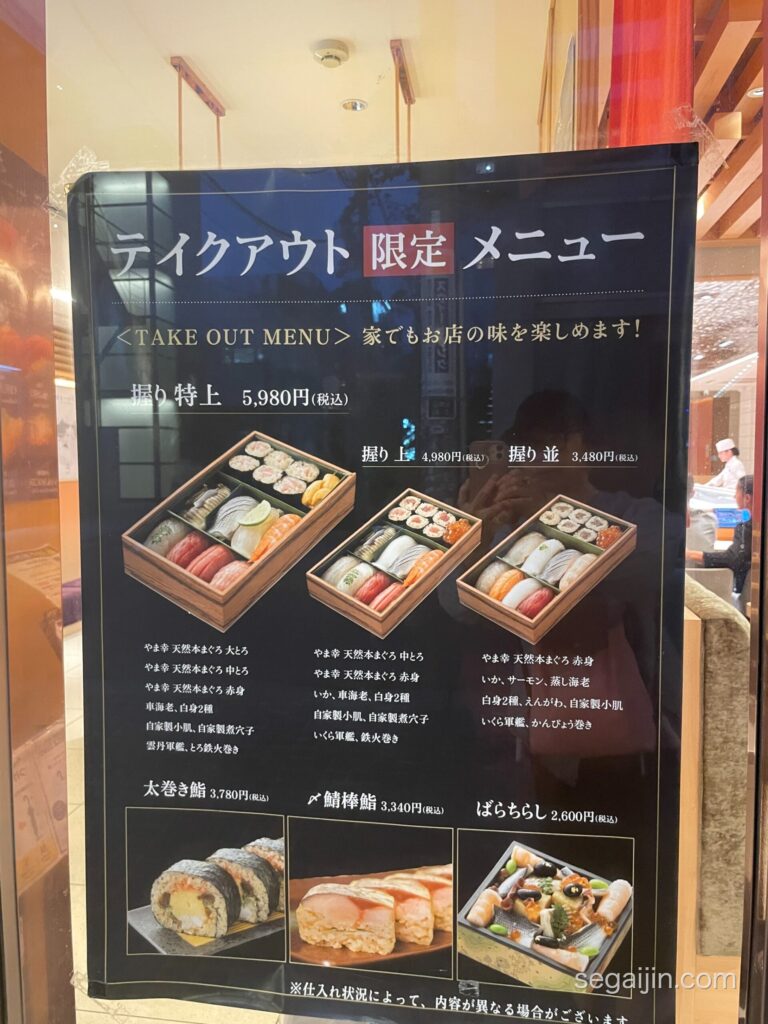
    The takeout menu outside gives you the range: nigiri sets at ¥3,480 / ¥4,980 / ¥5,980, bara chirashi ¥2,600. A sit-down meal lands in similar territory.

    The takeout menu poster outside the restaurant, showing nigiri sets and prices
    The takeout menu posted outside the restaurant. Photo: Segaijin

    What this place is, and isn’t

    This is not the place for a conversation with the chef. The counter moves fast, the room is busy, ordering happens on a tablet. Think of it as very good fast food — the fish is serious, the format is not.

    If you want the other thing — a small owner-run counter, pieces handed to you one at a time, a conversation across the wood — that exists. Budget around ¥20,000 for a course, and book ahead.

    Two different nights. Both worth having. Just know which one you’ve booked.

    Open daily, roughly 10:30–22:30. Check before you go.


    Kiddy Land, two minutes away

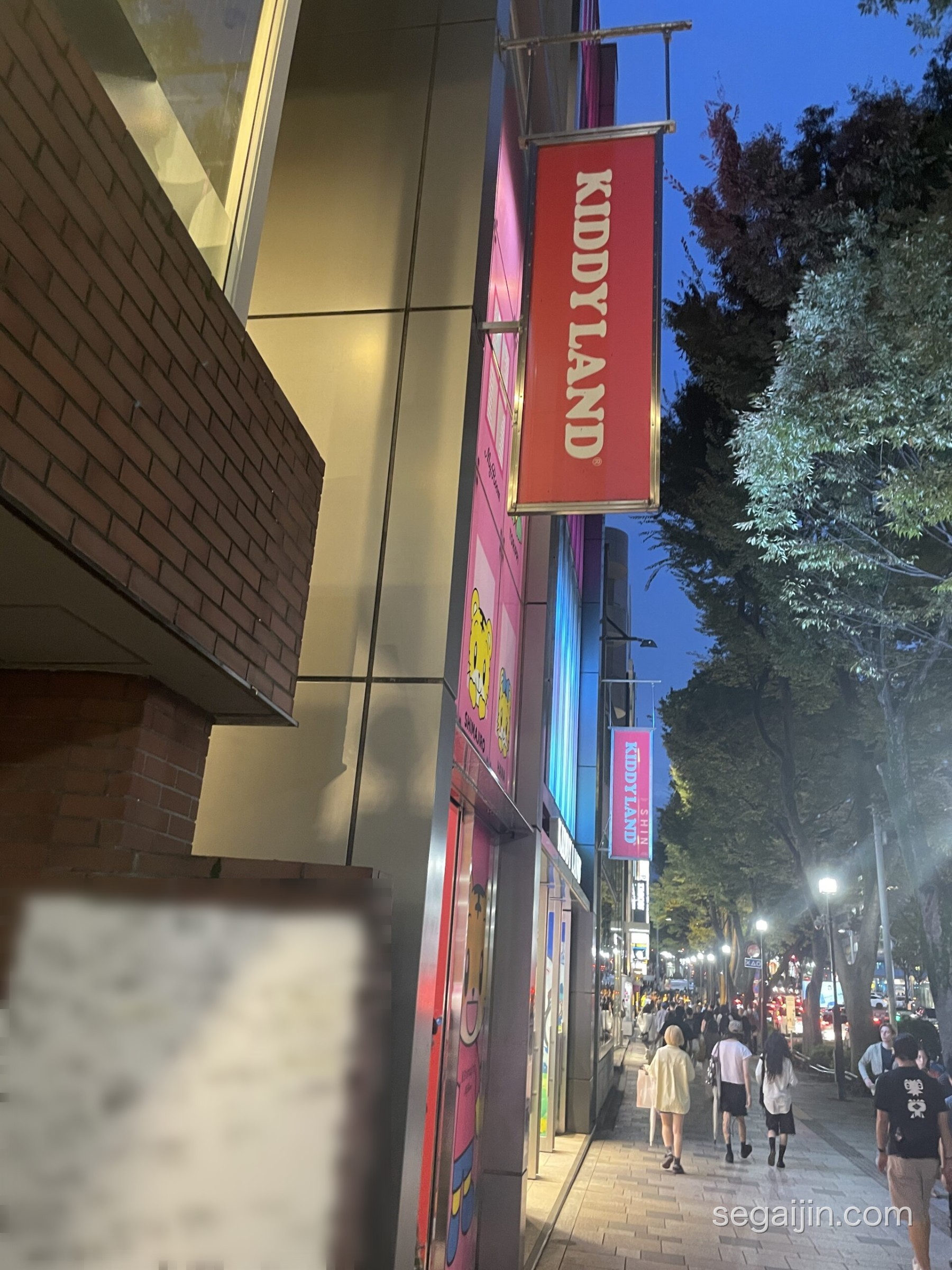
    Same side of the street. You’ll see it before you’ve finished deciding — a pink and blue corner covered in enormous cartoon animals.

    Kirby was waiting for me at Kiddy Land. Here is a little look:

    The Kiddy Land sign on a tree-lined street in Omotesando at dusk
    Kiddy Land, Omotesando. Photo: Segaijin
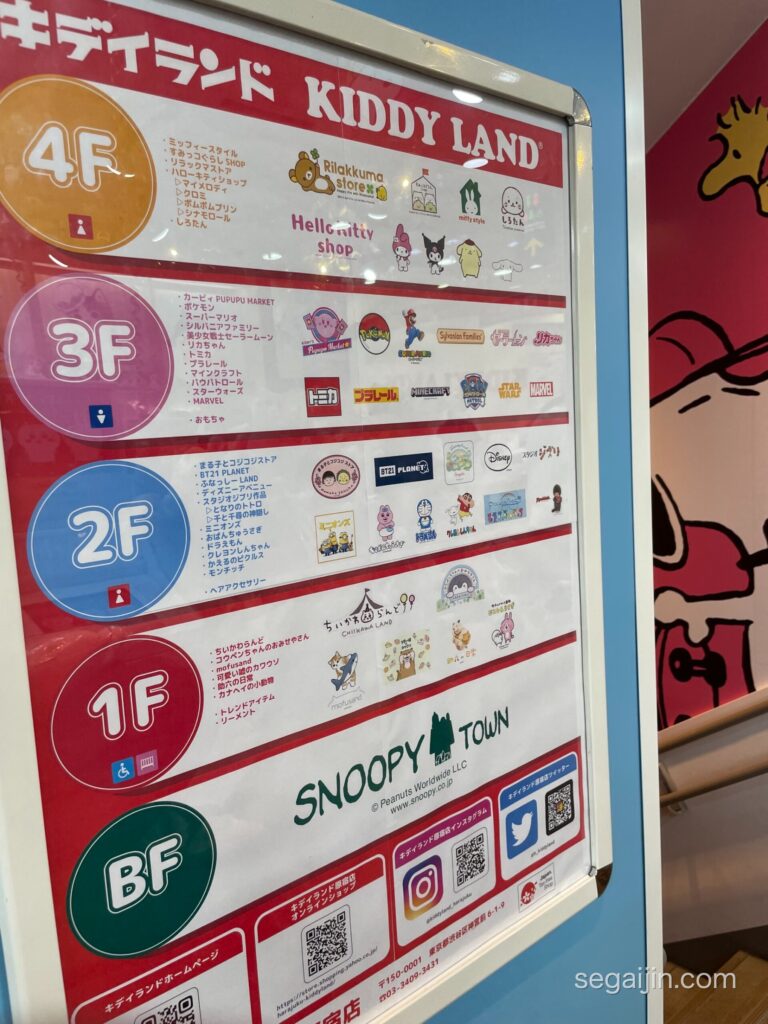
    Floor
    B1Snoopy Town
    1FChiikawa Land
    2FGhibli, Disney, Doraemon, Koupen-chan, mofusand
    3FPokémon, Mario, Kirby’s Pupupu Market, Tomica
    4FSanrio, Rilakkuma, Sumikkogurashi
    A Kiddy Land floor guide listing the character shops on each floor
    The Kiddy Land floor guide. Photo: Segaijin

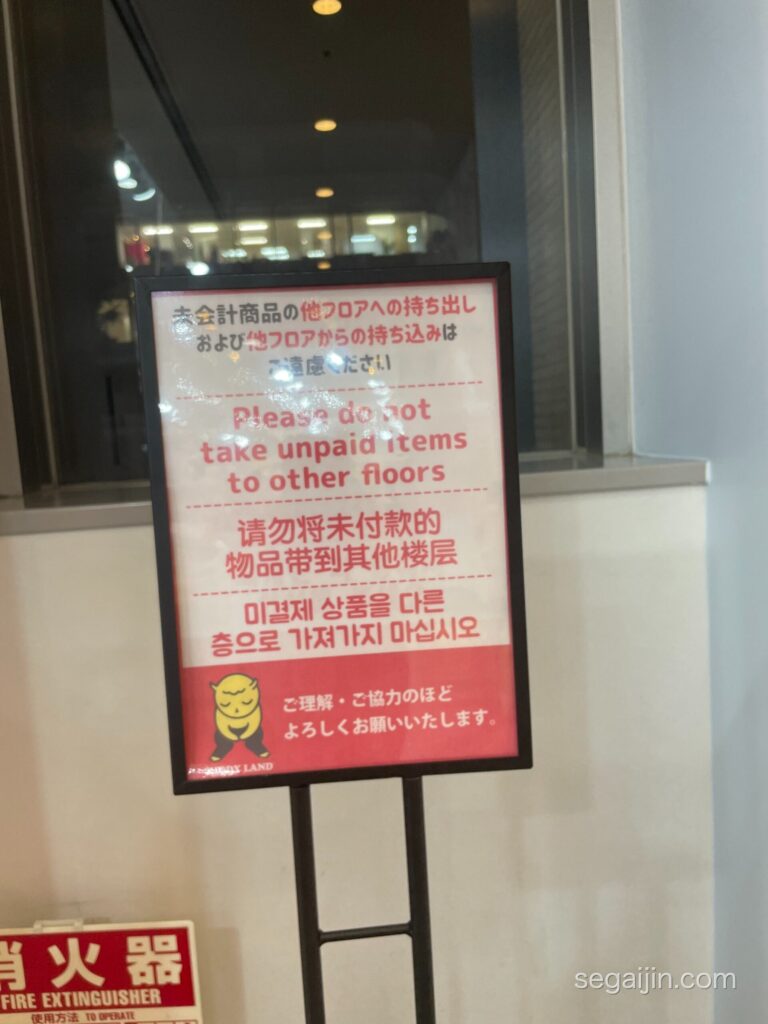
    The rule that catches everyone: you pay on each floor. Each floor has its own register, and unpaid items can’t leave the floor — or go in the elevator. There are signs in four languages and most people still miss it.

    A sign in English, Japanese, Chinese and Korean asking customers not to take unpaid items to other floors
    The sign that catches everyone: do not take unpaid items to other floors. Photo: Segaijin

    Prices start low. Palm-sized plush from ¥638, stickers around ¥660, Sanrio earrings ¥2,200. Some popular plush are limited to one per transaction. Tax-free — bring your passport.

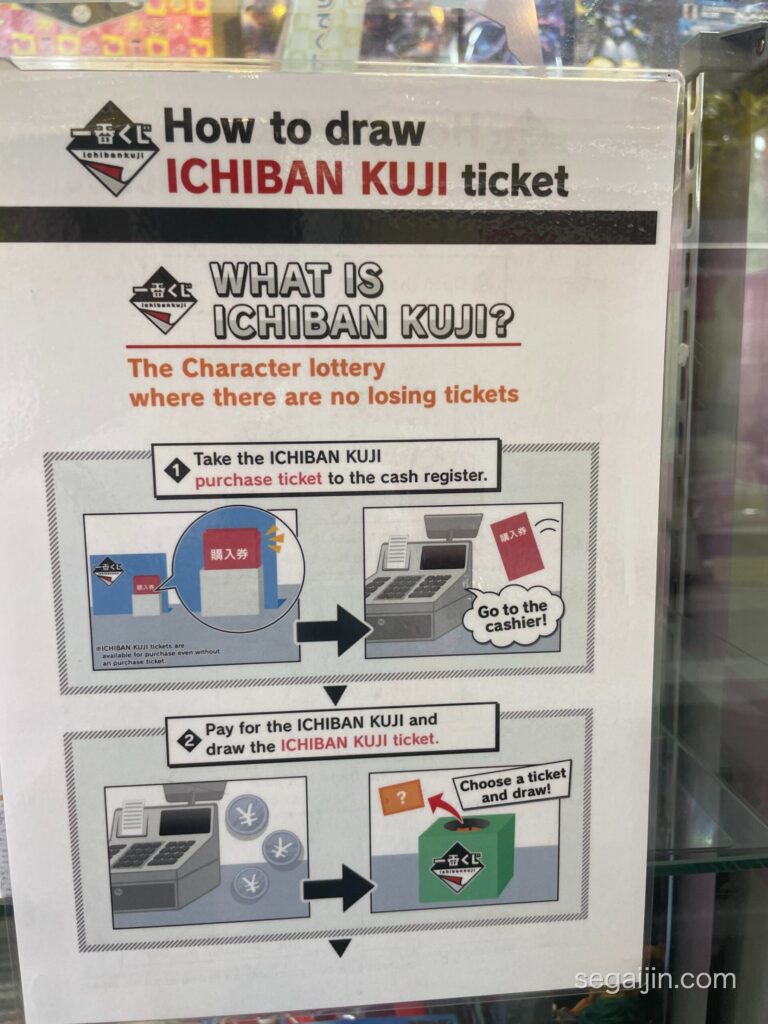
    An English poster explaining how to draw an Ichiban Kuji ticket
    Ichiban Kuji, the character lottery with no losing tickets. The poster explains how to play in English. Photo: Segaijin

    Two hours. One meal you’ll remember, one bag of things that will delight people.

    You’ve eaten fish handled by people who take it seriously, then walked into a building where a stuffed penguin sits on a plinth marked HARAJUKU. Both of those are Japan. Neither explains the other.

    When I visited, the whole ground floor of Kiddy Land was a Chiikawa feature. If you love Japanese character goods, Chiikawa calendars and books are a cute souvenir (CDJapan, affiliate links):

    Chiikawa Aiueo / Nagano / Chizuru Kato
    Nagano / Chizuru Kato (Book)

    September 2026. Prices and times change — check before you go.

  • Niku Sui: Osaka’s Hangover-Curing Soul Food

    Niku Sui: Osaka’s Hangover-Curing Soul Food

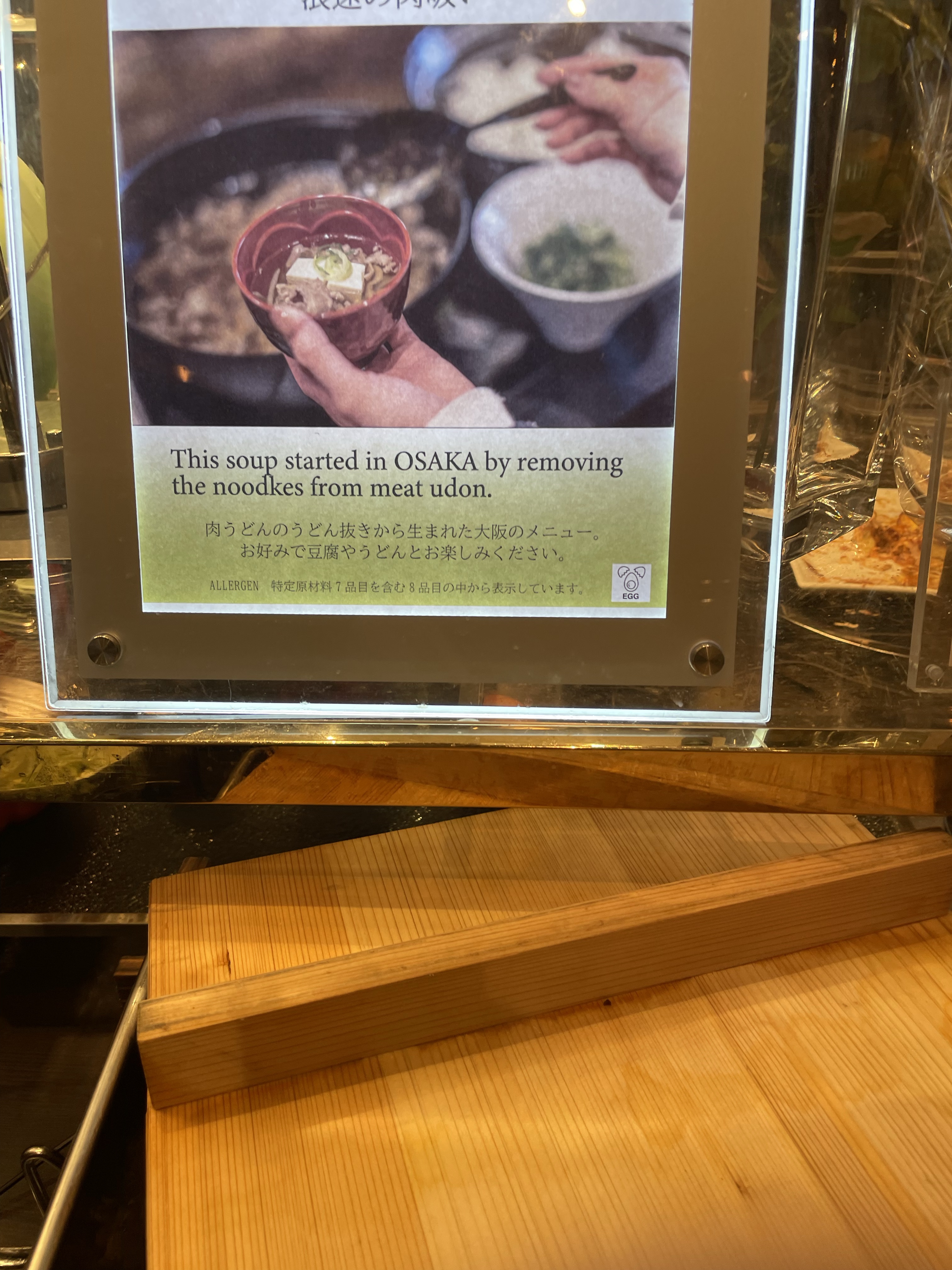
    Born from a hungover comedian’s late-night order, this “soup-only udon” became Osaka’s most beloved comfort food.

    🇯🇵 日本語まとめは記事の最後にあります

    What Is Niku Sui?

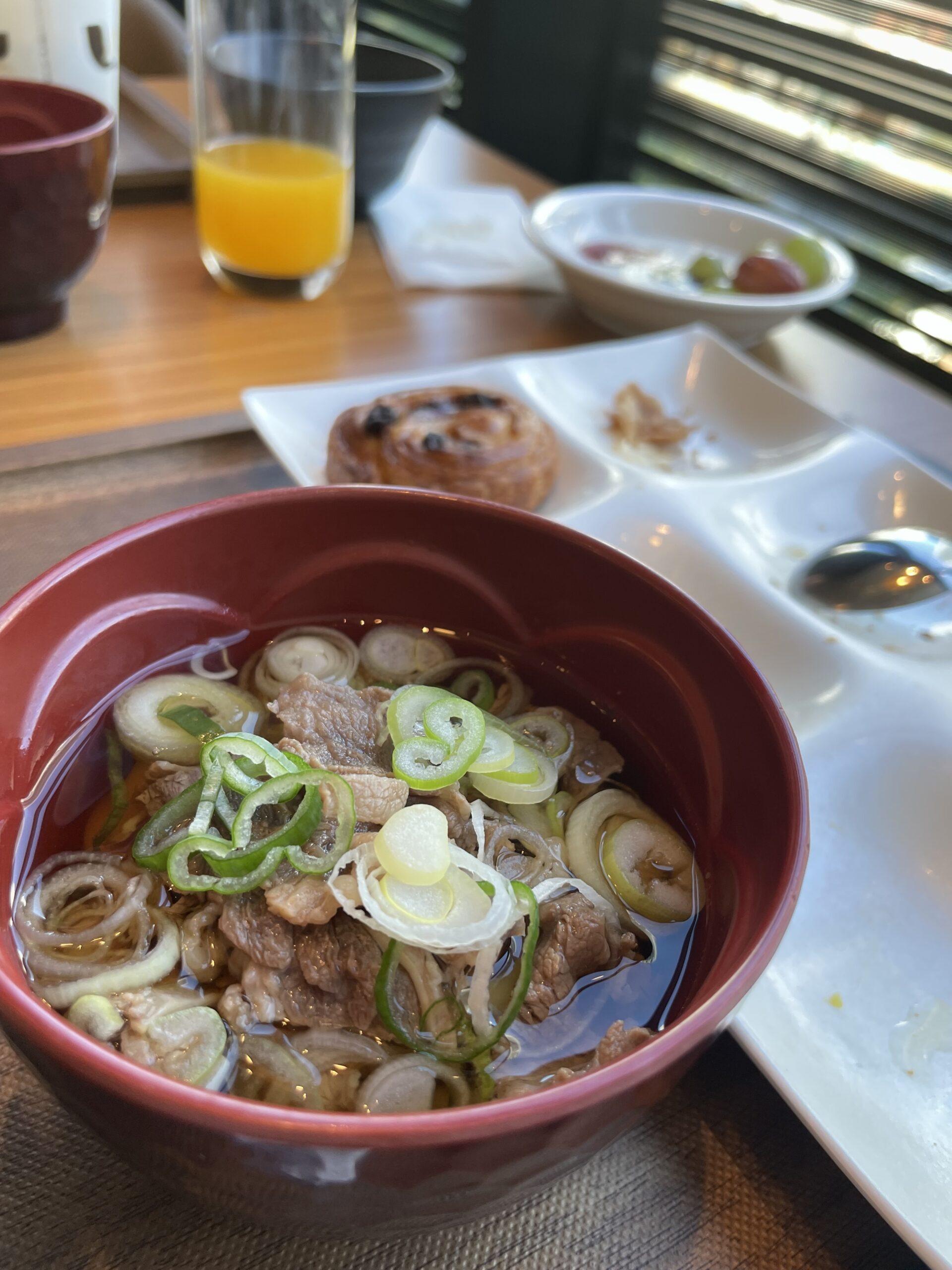
    Niku Sui (肉吸い) literally means “meat soup” — and it’s exactly what it sounds like: a bowl of beef udon, minus the udon noodles.

    The dish features thinly sliced beef and a half-cooked egg in a delicate Kansai-style dashi broth, made from dried bonito flakes (katsuobushi) and kelp (kombu). You can also order it without the egg, or with tofu instead.

    It’s light, comforting, and surprisingly addictive.

    Why Osaka? Understanding Osaka’s Udon Culture

    To understand Niku Sui, you need to understand Osaka’s love affair with dashi.

    While Tokyo and eastern Japan traditionally favor a darker, soy-sauce-heavy soba broth, Osaka is the heart of Japan’s kombu (kelp) culture. The city’s location near the historic kelp trade routes from Hokkaido made it the perfect place for delicate, umami-rich broths to flourish.

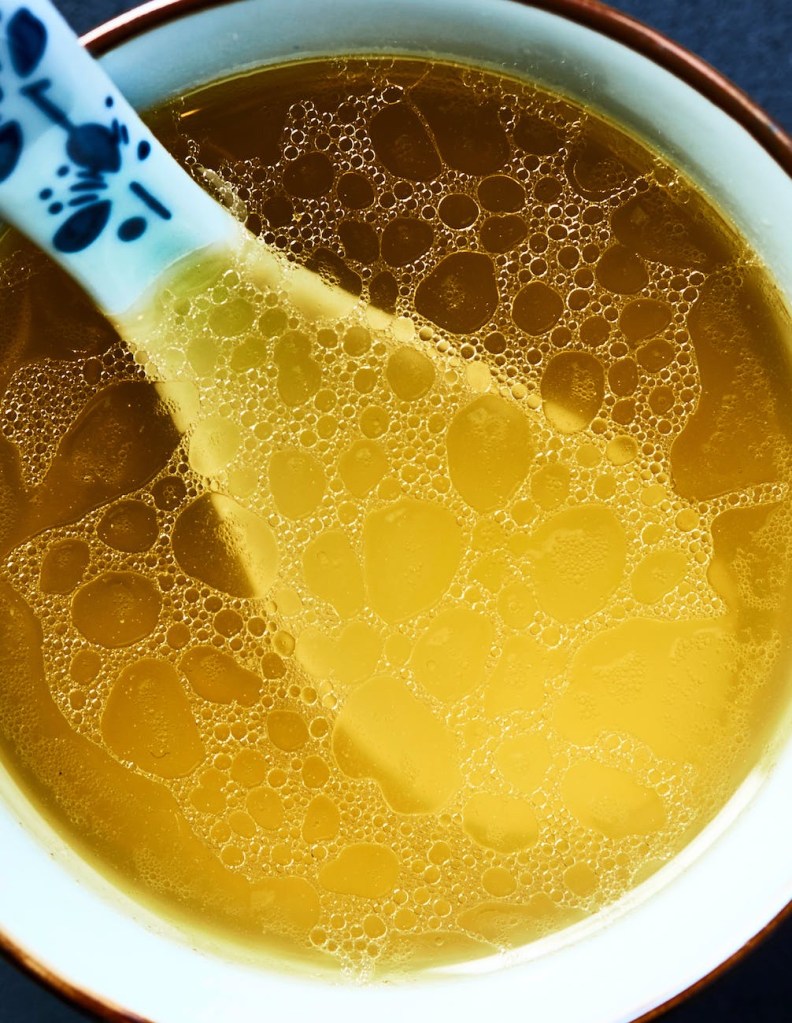
    In Osaka, dashi isn’t just a base — it’s the soul of the dish. A bowl of Osaka udon is judged first by its broth: clear, golden, and impossibly fragrant from kombu and katsuobushi (bonito flakes).

    This is why Niku Sui makes perfect sense in Osaka. Once you remove the udon noodles, what’s left is the broth — and in Osaka, the broth is the star.

    The Story Behind Niku Sui: Born from a Hangover

    Niku Sui was born in the 1980s, and like many great Osaka dishes, it has a wonderfully unpretentious origin story.

    The setting was Chitose, a humble udon shop in Namba (the heart of Osaka’s entertainment district). One morning, an actor from Yoshimoto Shinkigeki — Osaka’s legendary comedy troupe — stumbled in with a brutal hangover.

    Too queasy to eat solid food but in need of something nourishing, he ordered something off-menu: “Niku udon. Hold the udon.”

    The chef obliged, serving up the rich beef-flavored broth with the toppings but no noodles. The actor loved it. Word spread among the comedians. Soon, regulars were ordering it. And eventually, it earned its own name on the menu: Niku Sui — literally, “meat soup.”

    Today, Chitose is still in business, and the dish has become a beloved Osaka comfort food — perfect for hangovers, late-night cravings, or anyone who wants the soul of udon without the heaviness of noodles.

    🌐 Visit Chitose’s official website

    How to Eat Niku Sui Like a Local

    Niku Sui is wonderfully simple, but here are a few tips to enjoy it the Osaka way:

    • Drink the broth first. Before adding anything, take a sip — this is the soul of the dish.
    • Break the egg gently. The half-cooked yolk should mix with the broth to add richness.
    • Pair with rice. Many locals order a small bowl of white rice on the side. The broth doubles as a perfect rice topping.
    • Try it with tofu. If you want a lighter, healthier version, ask for tofu instead of (or in addition to) the egg.
    • Best for breakfast or after drinks. It’s light enough for morning, but restorative enough to be Osaka’s go-to hangover cure.

    Bring Osaka’s Soul Food Home

    Can’t make it to Osaka? You can recreate Niku Sui’s magic at home with the right Japanese ingredients:

    ※ Note: Osaka’s flavors are best experienced fresh, but these ingredients let you bring the spirit of Kansai dashi culture into your own kitchen.


    🇯🇵 日本語まとめ — 大阪のソウルフード「肉吸い」

    肉吸いとは?

    肉吸いとは、簡単に言うと「肉うどんのうどんを抜いたもの」です。薄切りの牛肉と半熟卵を、関西風の鰹と昆布の出汁に浮かべた、優しい味わいの一品です。

    誕生は1980年代の大阪・難波

    肉吸いが誕生したのは1980年代。吉本新喜劇の役者がうどん屋『千とせ』を訪れた折に、二日酔いで食欲がなかったために「肉うどん。うどん抜きで」と注文し、実際に提供されたところからこの料理は始まりました。

    今では『千とせ』だけでなく、大阪のあちこちで楽しめるソウルフードに。胃に優しく、二日酔いの朝にもぴったりの一杯です。

    大阪の出汁文化の象徴

    東京のうどん文化が「濃口醤油」中心なのに対して、大阪は「昆布出汁」の本場。北海道からの昆布交易ルートの終点だったため、繊細で旨味豊かな出汁文化が花開きました。麺を抜いても主役になれる、それが大阪の出汁の力です。

  • Ippudo Ramen 一風堂: Delicious Japan

    これが1番 

    白丸 一風堂

    幸せ

    暑い夏なのに 

    なぜか

    食べたくなる

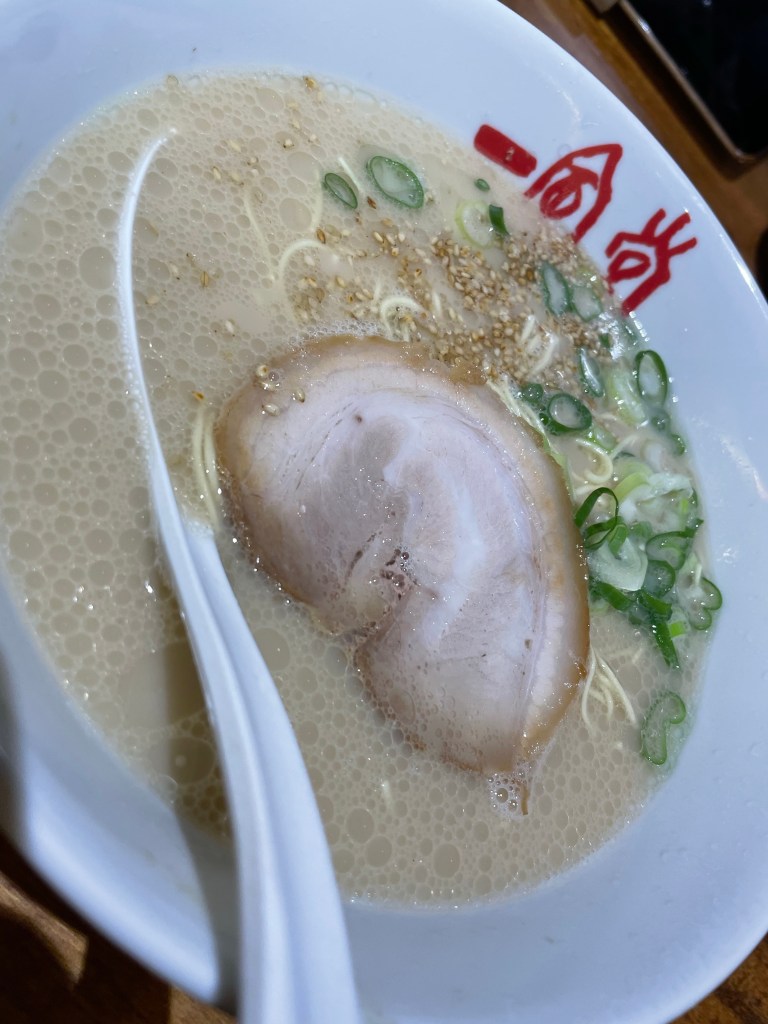
    Ippudo Ramen pork bone ramen
    This is the best!

    All the time, I love the 白丸 SHIROMARU in this restaurant.

    https://www.ippudo.com/menu/

  • Edo kuzumochi 江戸くず餅 クズクズシェイク: Cute and Tasty in Japan

    HOME

    https://pin.it/7F37bPD

    I wonder if foreigners like the texture of kudzu-mochi.

    KUZUMOCHI is a simple Japanese confectionery that has been eaten in Tokyo for centuries, and we have turned it into a “delicious and cute” Japanese sweet that can be enjoyed by everyone from children to the elderly. (From the homepage)

    くず餅シェイク 新食感デザート

    くず餅大好き

    新しいスイーツ

    ハートがcawaii❤️

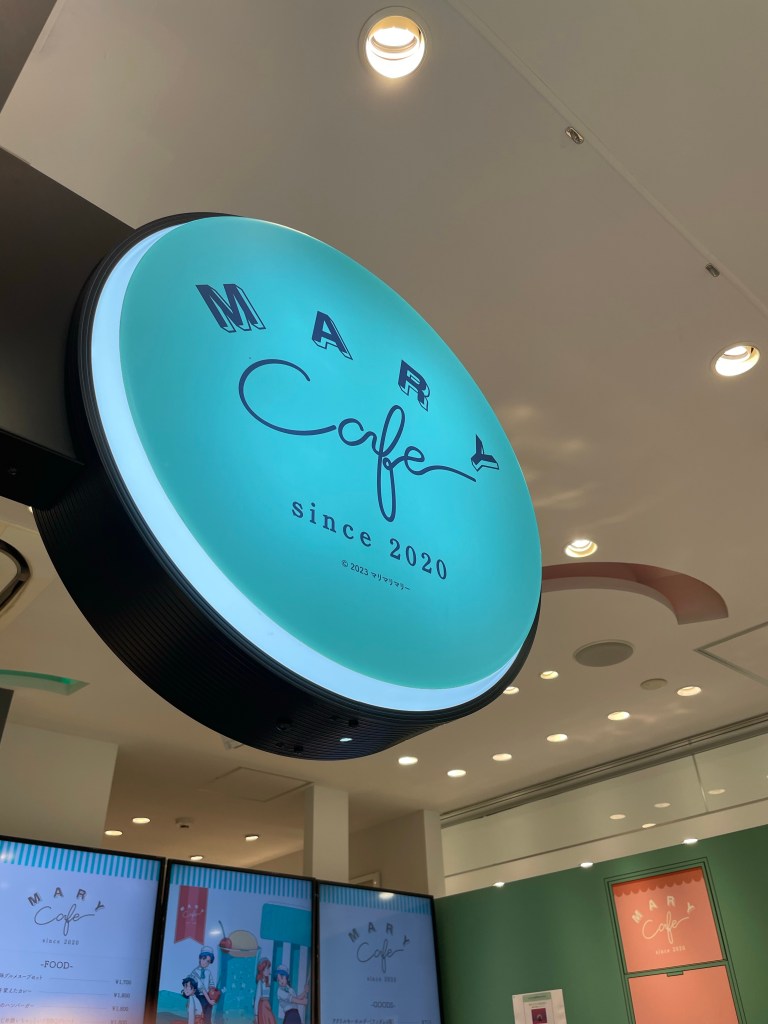
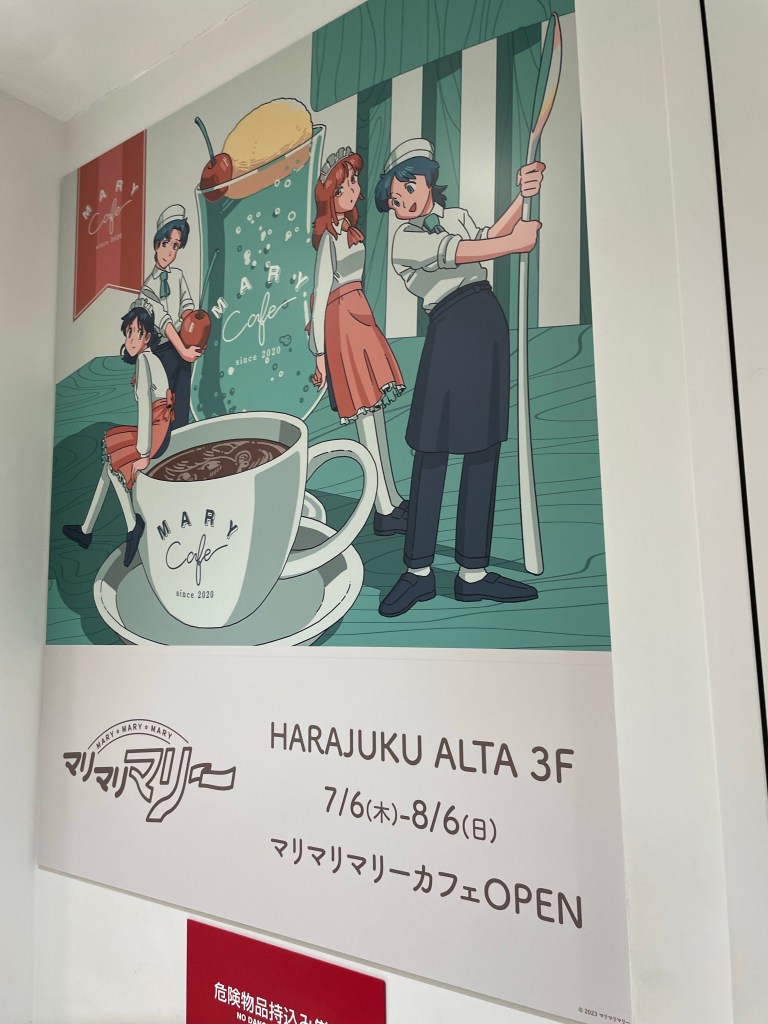
  • Mary cafe マリマリマリー

    https://pin.it/2rOktts

    「マリマリマリ―」のエモくてポップな世界観を表現したカフェ

    Theme cafes for the popular YouTube channel

    マリマリマリー
    first appeared at Takesita dori !

    will be open for a limited time only!

    The café expresses the emo and pop world of “マリマリマリー“

    https://youtube.com/@marymarymary80s

  • Matcha “Nama Chocolate” Parfait: Tasty Finds in Japan

    https://pin.it/29wElIV

    beautiful green

    Matcha Parfait and Iced Green Tea
    At tea time

    おすすめカフェ

    種類がたくさんありすぎて

    うれしすぎて

    カフェおしゃべりタイム

    https://www.nanasgreentea.com/products/matcha-nama-chocolate-parfait

  • Spice Curry: Tasty Finds in Japan

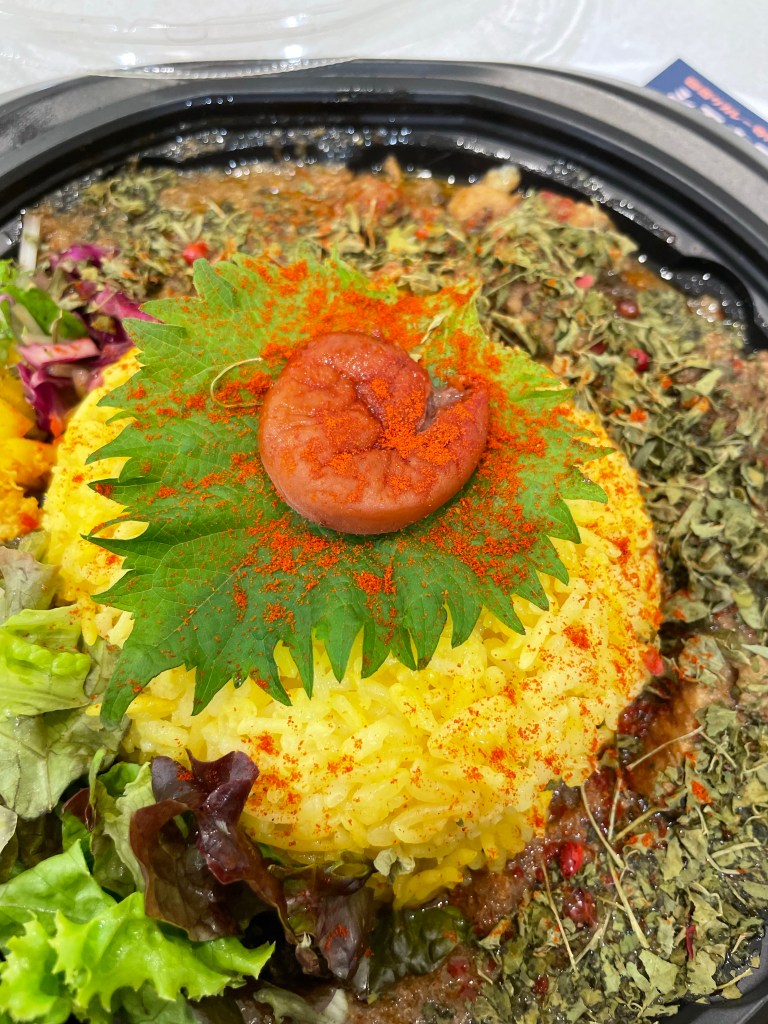
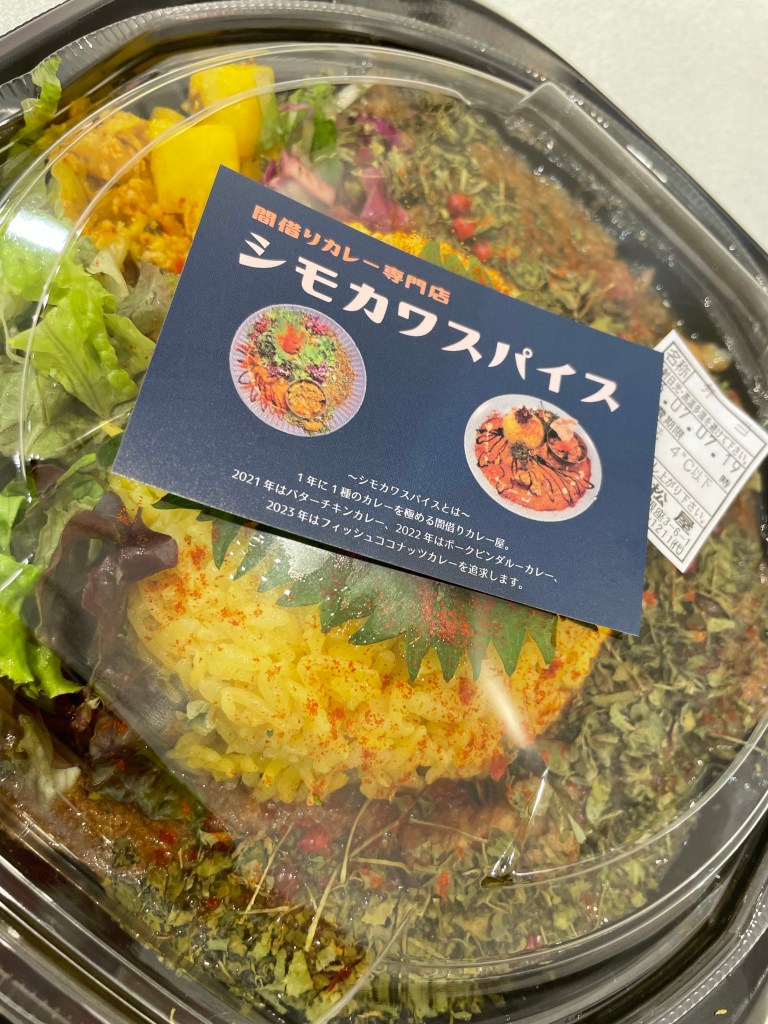
    スパイスが効いてるし 梅干しが!
    Taste for the first time
    I can’t believe there are dried plums on top!
    New Age Curry

    新しい

    暑い夏スパイス最高!

    https://pin.it/67tCv6s

    https://www.matsuya.com/ginza/news/2023/0704/thecurryscramble2023-4/

    7/9今日まで!