Tokyo

  • Two Hours in Ikebukuro: Ramen, Then a Whole Building of Anime

    Ikebukuro is a great place to enjoy for just a few hours. This time I stopped for a bowl of ramen first, and then went looking for anime goods. Here is the ramen part of my little trip.

    Ramen at Tonchin (屯ちん)

    I went to the Ikebukuro West Exit branch of Tonchin (屯ちん), a ramen shop that serves Tokyo-style tonkotsu (pork bone) ramen. The tonkotsu soup was delicious. It was around 3 p.m., a time when I thought it might be quiet, but every seat was full and some people were waiting outside. I also saw visitors from abroad enjoying their ramen, which made me feel happy.

    The shop is open 24 hours a day, which is so helpful when you are traveling and your schedule is not fixed. Most people spend about 1,000 to 2,000 yen per person. (Please check the latest information before you go.)

    Tonchin started here in Ikebukuro, and there are two branches in the area: the main branch and the West Exit branch. The West Exit branch is just a short walk from the station. Long ago, there were also branches in Kabukicho and Akasaka, and I used to go there often. So this bowl brought back many warm memories for me.

    It is the kind of place where your feet seem to carry you naturally after an evening of drinking. And being open 24 hours is a joy even in the middle of a trip, whatever your schedule may be. This branch is close to the station and easy to find, so it is a comfortable place for visitors, too.
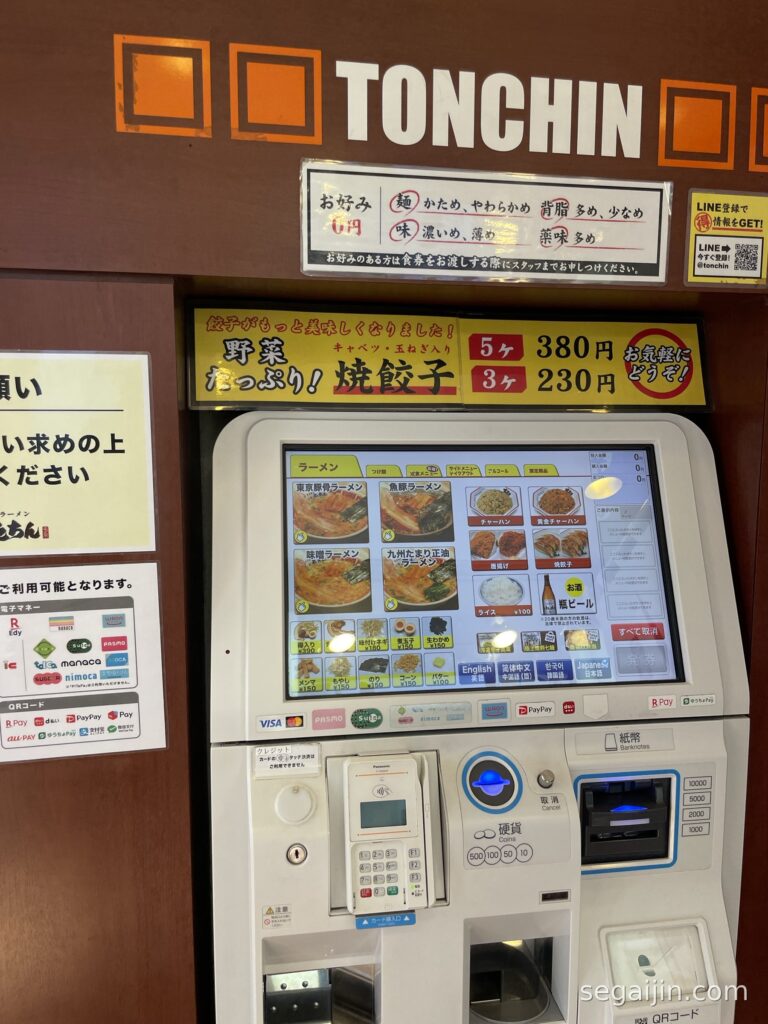
    A ramen ticket machine with an English language button, a menu with ramen photos, and a sign advertising gyoza
    The ticket machine has an English button, so ordering is easy. Photo: Segaijin

    How to order

    You buy a meal ticket from the machine at the entrance, then hand it to the staff. The machine has an English button, and it takes cash, cards, transit IC cards and QR payments. If you like, you can ask for small changes at no extra cost, such as firmer or softer noodles, richer or lighter soup, more or less back fat, or more toppings of chopped green onion. Just tell the staff when you give them your ticket.

    There are side dishes, too. Gyoza (dumplings) are 230 yen for 3 pieces or 380 yen for 5 pieces. Many people were also ordering fried chicken or a bowl of rice with their ramen.
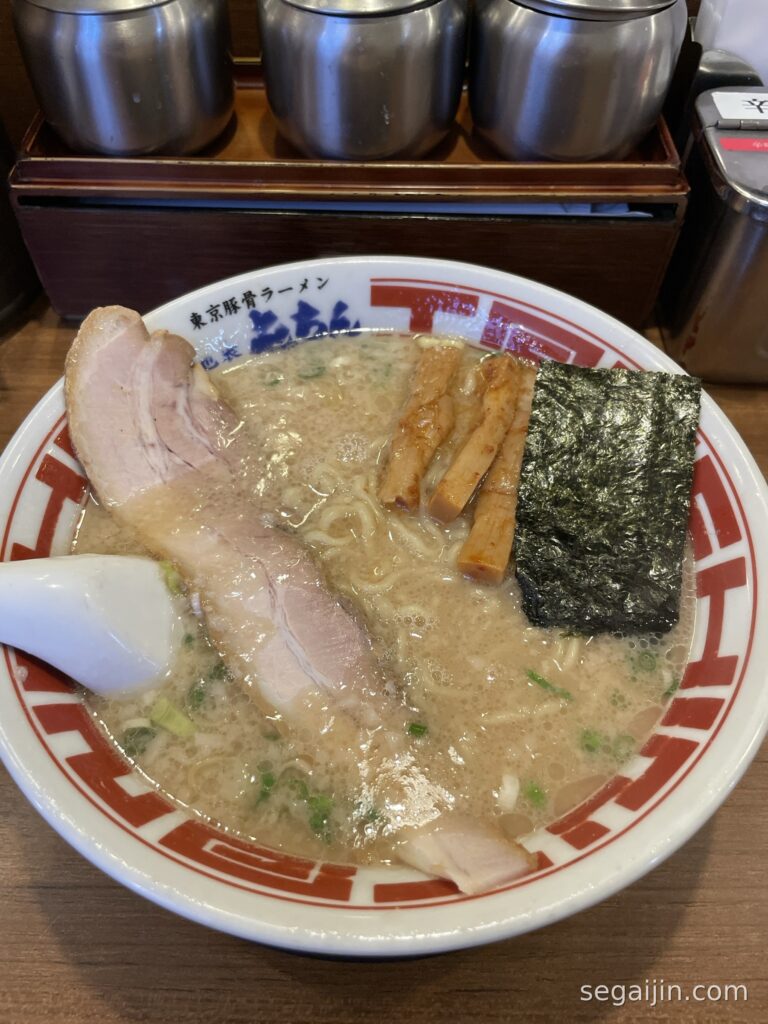
    A bowl of Tokyo-style tonkotsu ramen with a thick slice of pork, bamboo shoots and a sheet of nori
    A bowl of Tokyo-style tonkotsu ramen. Photo: Segaijin

    At the counter

    Because this is Tokyo-style tonkotsu, there was no red pickled ginger, but there was spicy pickled mustard greens (karashi takana). On the counter you will also find house-made chili oil, garlic and doubanjiang (a spicy bean paste). Please be careful if you do not like spicy food. A little at a time is a good way to try them.
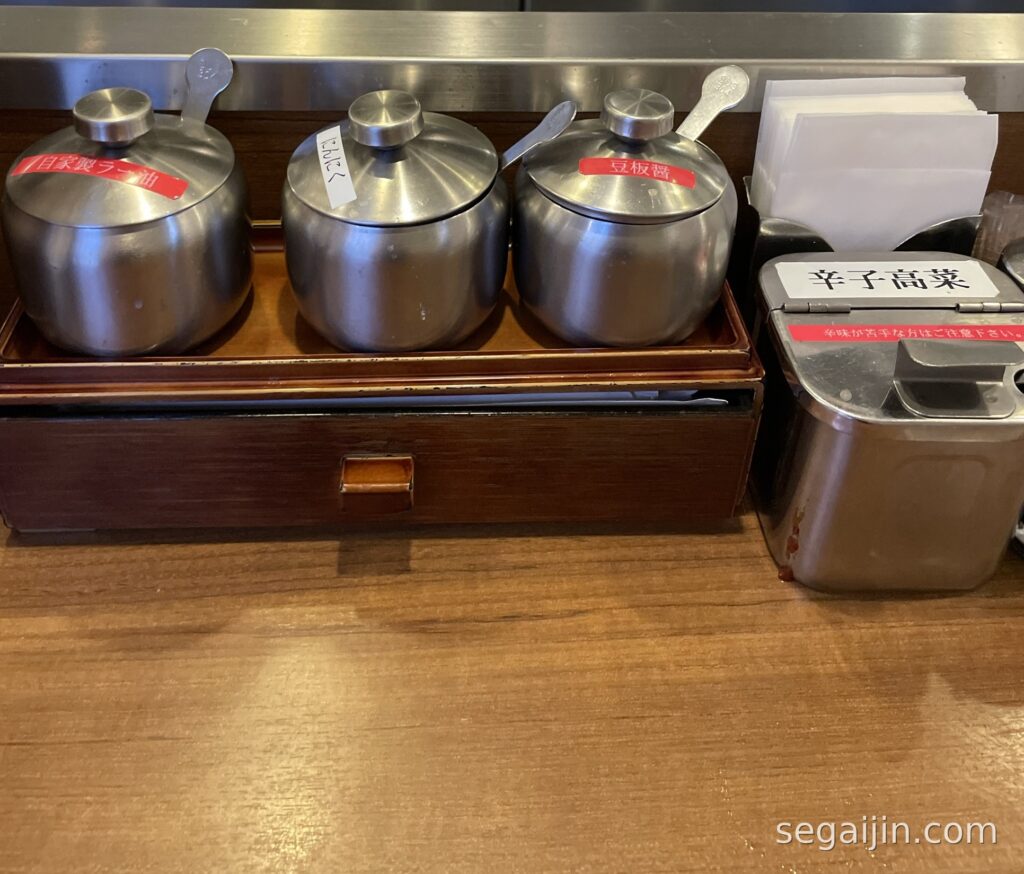
    Counter condiments at a ramen shop: house chili oil, garlic, doubanjiang and spicy pickled mustard greens
    Chili oil, garlic, doubanjiang and spicy pickled mustard greens on the counter. Photo: Segaijin

    Then, Animate Ikebukuro Main Store

    After the ramen, I walked over to Animate, one of the best-known anime and manga shops in Japan. The main store is about five minutes on foot from the East Exit of Ikebukuro Station, and the building has ten floors, so it is a lovely place to spend an hour or two.

    A few floors to know about: the 1st floor has character goods and a café, the 2nd floor has manga, light novels and capsule toys, the 4th floor has apparel and household goods inspired by anime, the 5th floor has trading goods, straps and key chains, and the 6th floor has CDs, DVDs, Blu-rays and games.

    The shop is open from about 10:00 to 21:00. Floors and events change from time to time, so please check the official website before you go.

    I could happily stay here all day. I had also hoped to visit Sunshine City to see the Pokémon goods and the capsule toy machines, but by the time I had explored Animate from the bottom floor to the top, the hours had slipped away. Sunshine City will be my next visit.

    If you would like to visit the Sunshine Aquarium there, you can buy your ticket online on Klook (affiliate link).

    For anime music fans

    For anime music fans, this album by voice actress and singer Nao Toyama is a gentle listen. CDJapan ships worldwide (affiliate links):

    If you enjoy watching anime at home, That Time I Got Reincarnated as a Slime, Season 4 is also available at CDJapan (affiliate links):
  • Two Hours in Omotesando: Sushi, Then Souvenirs

    Chiyoda Line toward Yoyogi-Uehara, front car, Exit A1.

    Eat very good sushi. Walk two minutes. Buy something small and ridiculous and perfect. That’s the whole plan.

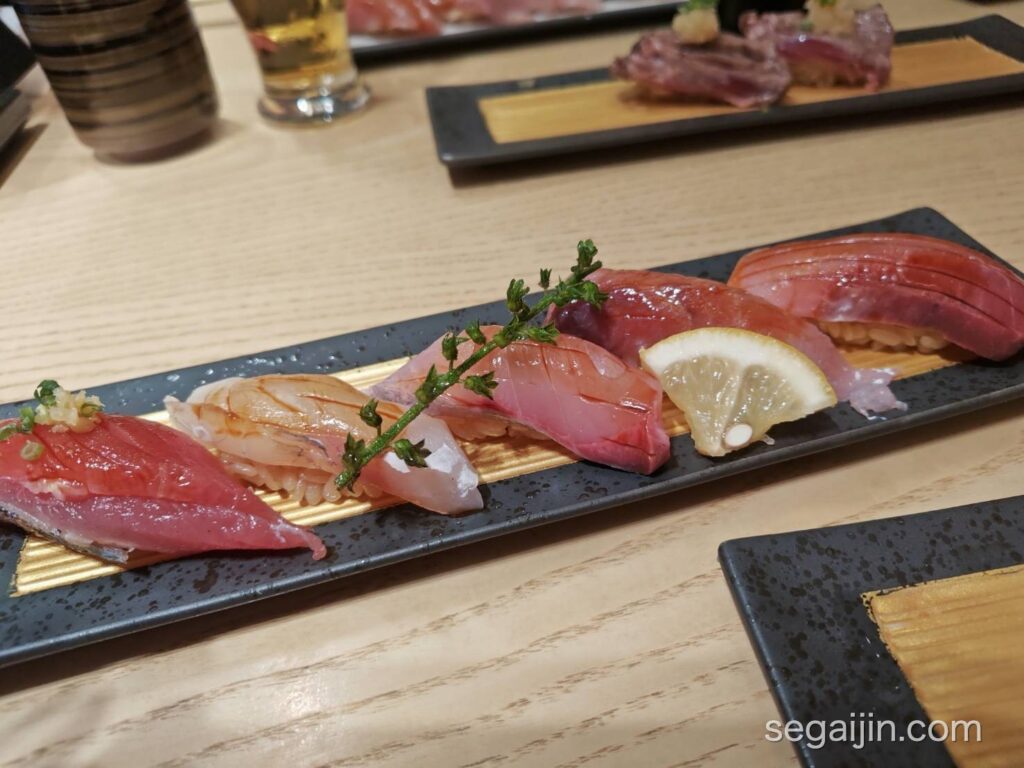
    A plate of five pieces of nigiri sushi on a black and gold plate
    Sushi at Onodera. Photo: Segaijin

    Getting there

    Omotesando Station has ten exits. Take the Chiyoda Line toward Yoyogi-Uehara, ride the front car, come out of Exit A1. You’ll surface across from the BOSS building, on the same side as the sushi restaurant. No crossing, no backtracking.


    Kaiten Sushi Ginza Onodera

    It says kaiten — conveyor belt. Elsewhere that means cheap. In Japan it’s a format, not a price tier, and Onodera sits at the top of it.

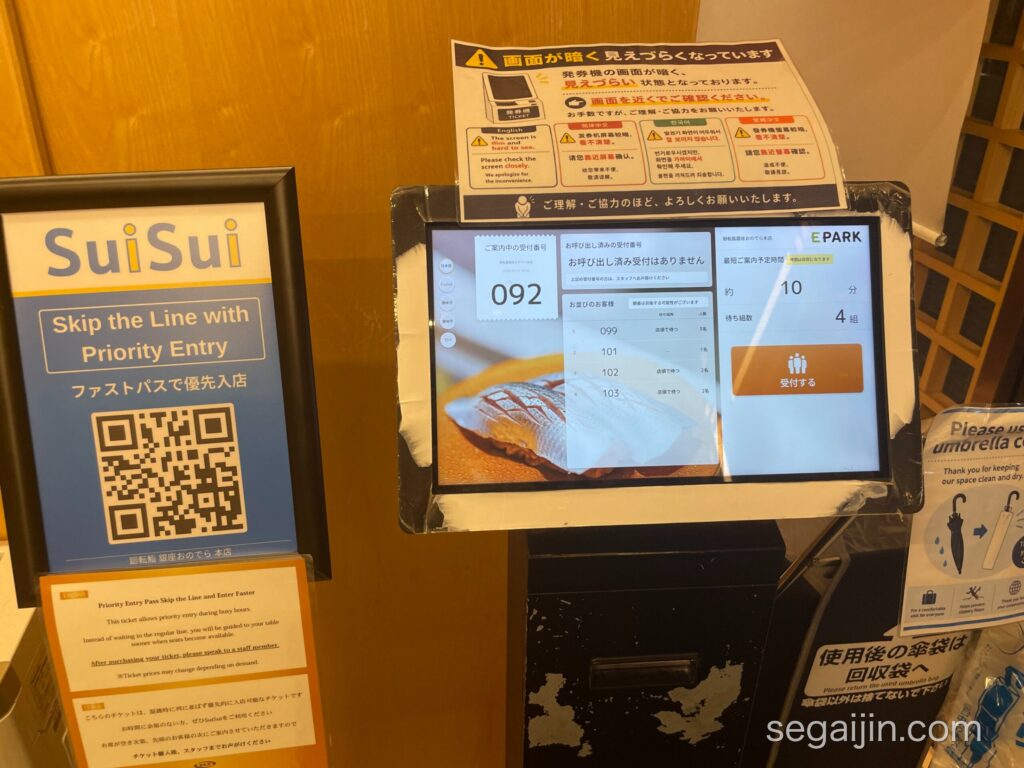
    Getting in. No reservations. There’s a ticket machine inside the door with language buttons down the left edge — tap English, then 受付する, take your ticket. The screen shows the number being seated, how many groups are ahead, and an estimated wait.

    I took a ticket at 6:56 pm on a Tuesday: four groups ahead, ten minutes estimated. Nobody was queuing outside. The restaurant was nearly full and I was seated straight away. The estimate is a ceiling, not a promise. Early evening moves fast.

    The shortcut. Next to the machine, a small sign: SuiSui — Skip the Line with Priority Entry. Buy a pass by QR code and you’re seated ahead of the queue. Prices change with demand. I didn’t need it. On a Saturday lunchtime you might.

    The waiting-list ticket machine at the restaurant entrance, next to the SuiSui priority entry sign
    The ticket machine, with the SuiSui priority-entry sign on the left. Photo: Segaijin

    Rules, posted in English.

    • 70-minute seating limit at peak times
    • Check your wait by scanning the QR code on your ticket
    • If you’re away more than 30 minutes after your number is called, your booking is cancelled

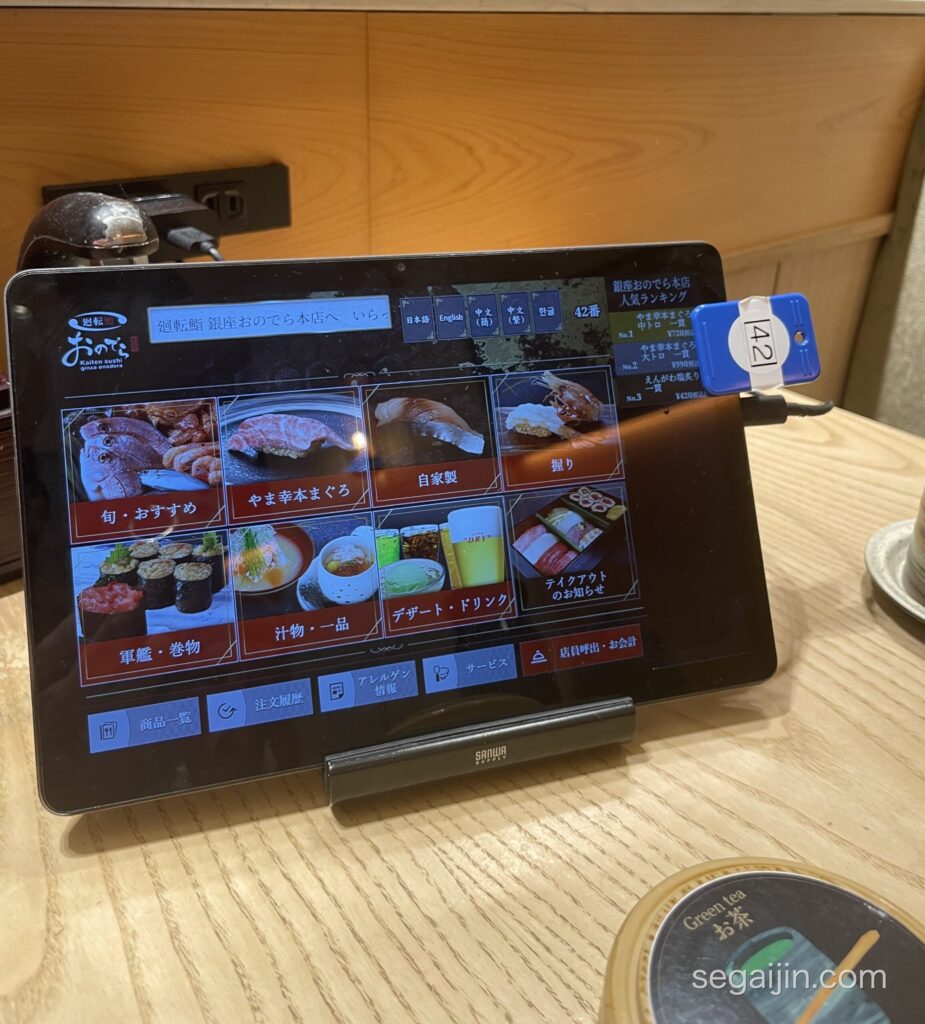
    Ordering. Every seat has a tablet. Language buttons top right. The house ranking is the fastest way to order well:

    1Chūtoro (medium fatty tuna)¥720
    2Ōtoro (fatty tuna)¥990
    3Engawa, salt-seared¥420
    The ordering tablet at a conveyor-belt sushi restaurant, with language buttons and a numbered ticket tag
    The tablet at your seat. Language buttons are at the top right. Photo: Segaijin
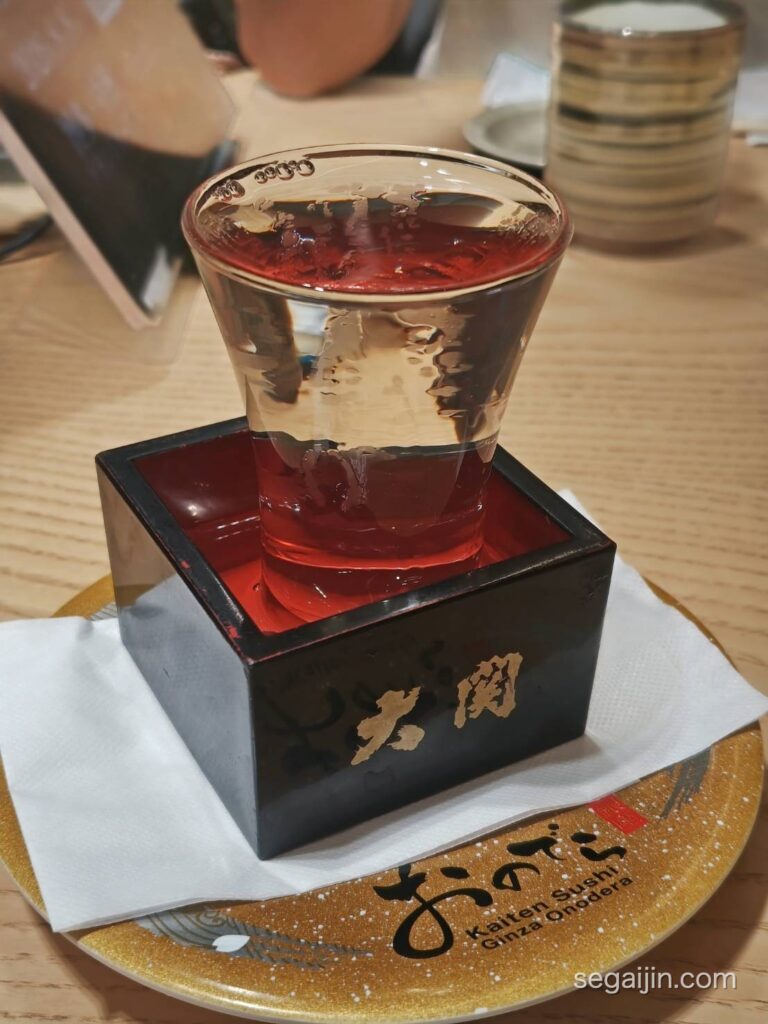
    Sake in a glass sitting in a wooden masu box, on a gold Onodera plate
    Sake, served in a masu (wooden box). Photo: Segaijin

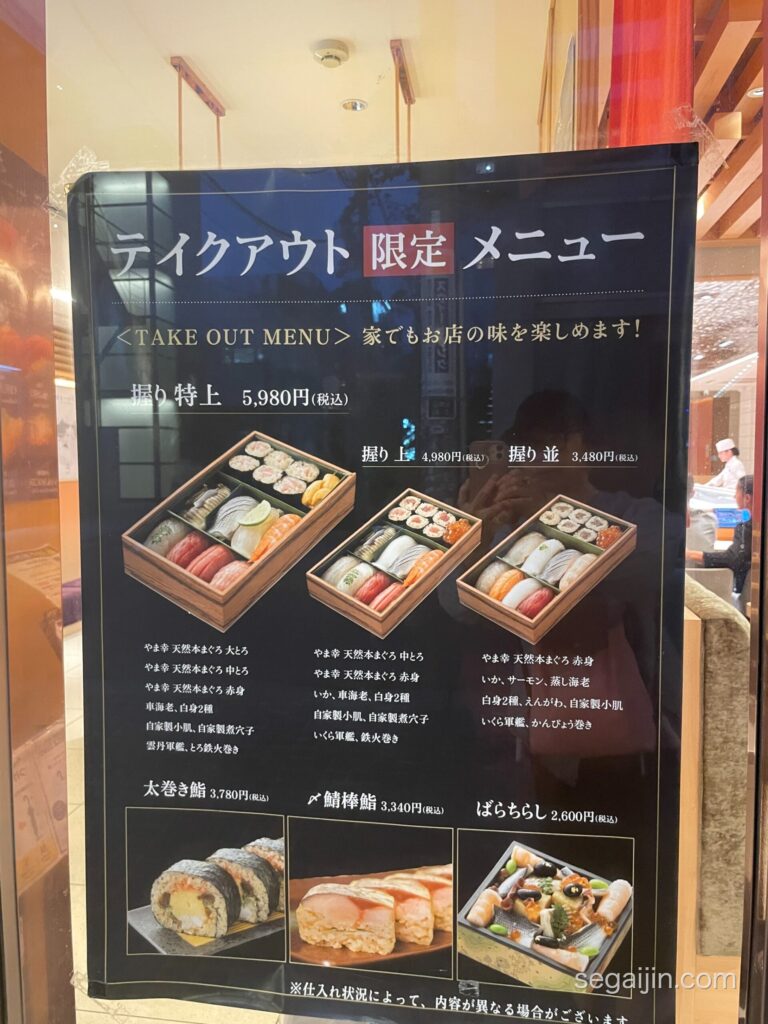
    The takeout menu outside gives you the range: nigiri sets at ¥3,480 / ¥4,980 / ¥5,980, bara chirashi ¥2,600. A sit-down meal lands in similar territory.

    The takeout menu poster outside the restaurant, showing nigiri sets and prices
    The takeout menu posted outside the restaurant. Photo: Segaijin

    What this place is, and isn’t

    This is not the place for a conversation with the chef. The counter moves fast, the room is busy, ordering happens on a tablet. Think of it as very good fast food — the fish is serious, the format is not.

    If you want the other thing — a small owner-run counter, pieces handed to you one at a time, a conversation across the wood — that exists. Budget around ¥20,000 for a course, and book ahead.

    Two different nights. Both worth having. Just know which one you’ve booked.

    Open daily, roughly 10:30–22:30. Check before you go.


    Kiddy Land, two minutes away

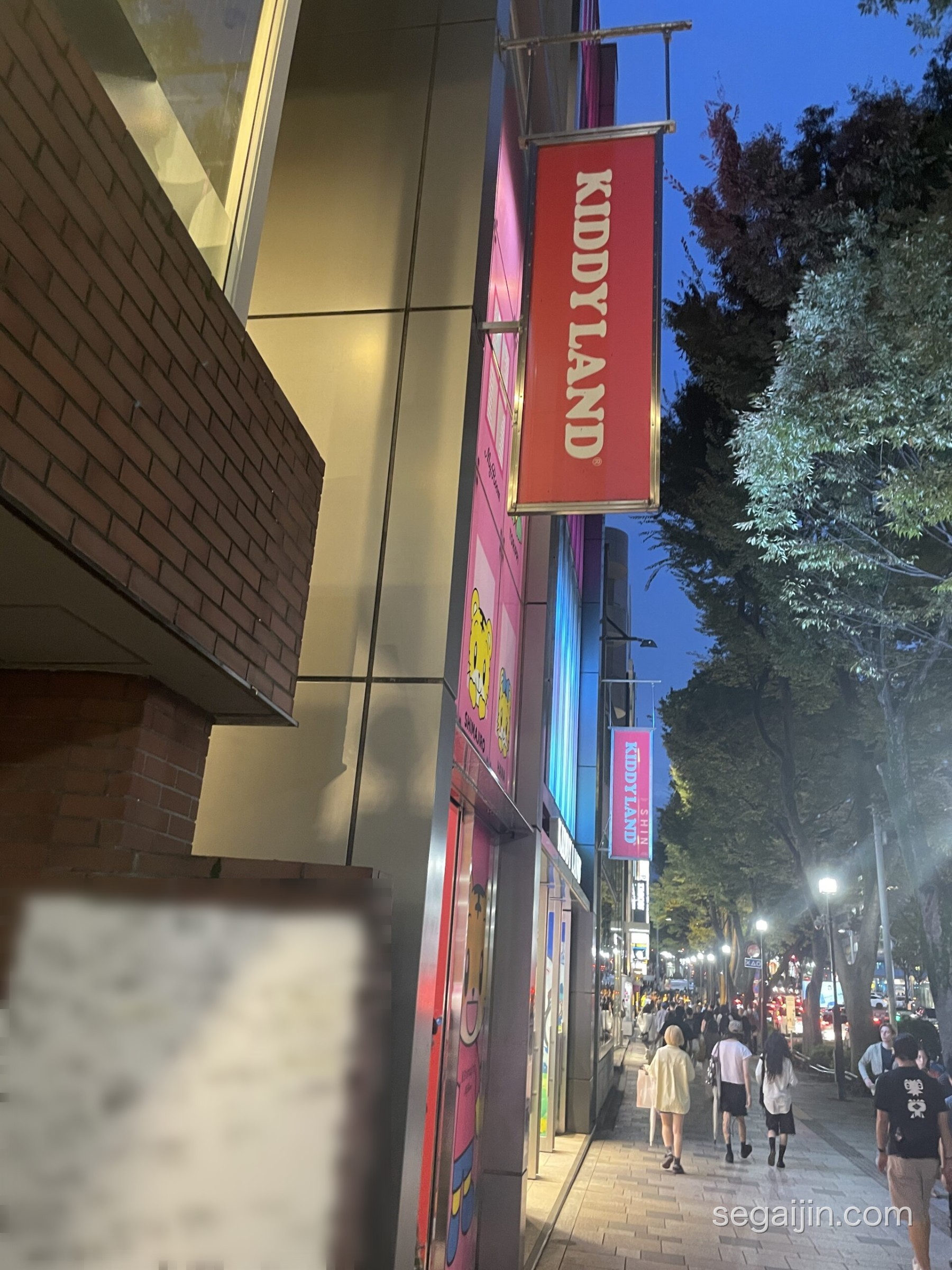
    Same side of the street. You’ll see it before you’ve finished deciding — a pink and blue corner covered in enormous cartoon animals.

    Kirby was waiting for me at Kiddy Land. Here is a little look:

    The Kiddy Land sign on a tree-lined street in Omotesando at dusk
    Kiddy Land, Omotesando. Photo: Segaijin
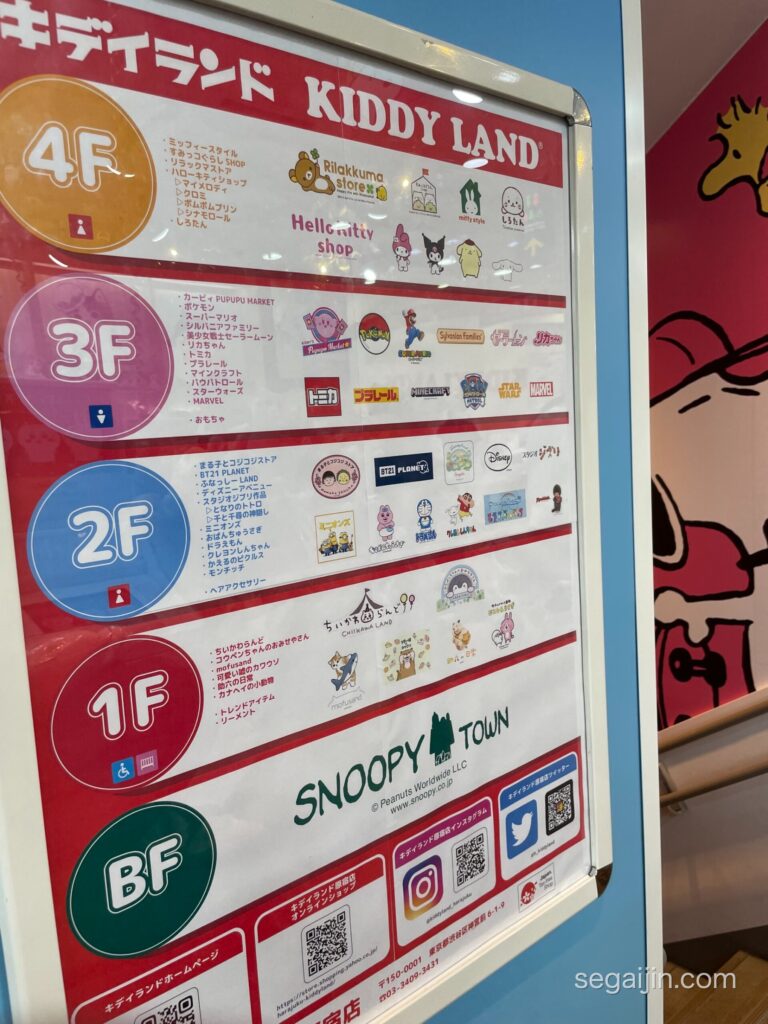
    Floor
    B1Snoopy Town
    1FChiikawa Land
    2FGhibli, Disney, Doraemon, Koupen-chan, mofusand
    3FPokémon, Mario, Kirby’s Pupupu Market, Tomica
    4FSanrio, Rilakkuma, Sumikkogurashi
    A Kiddy Land floor guide listing the character shops on each floor
    The Kiddy Land floor guide. Photo: Segaijin

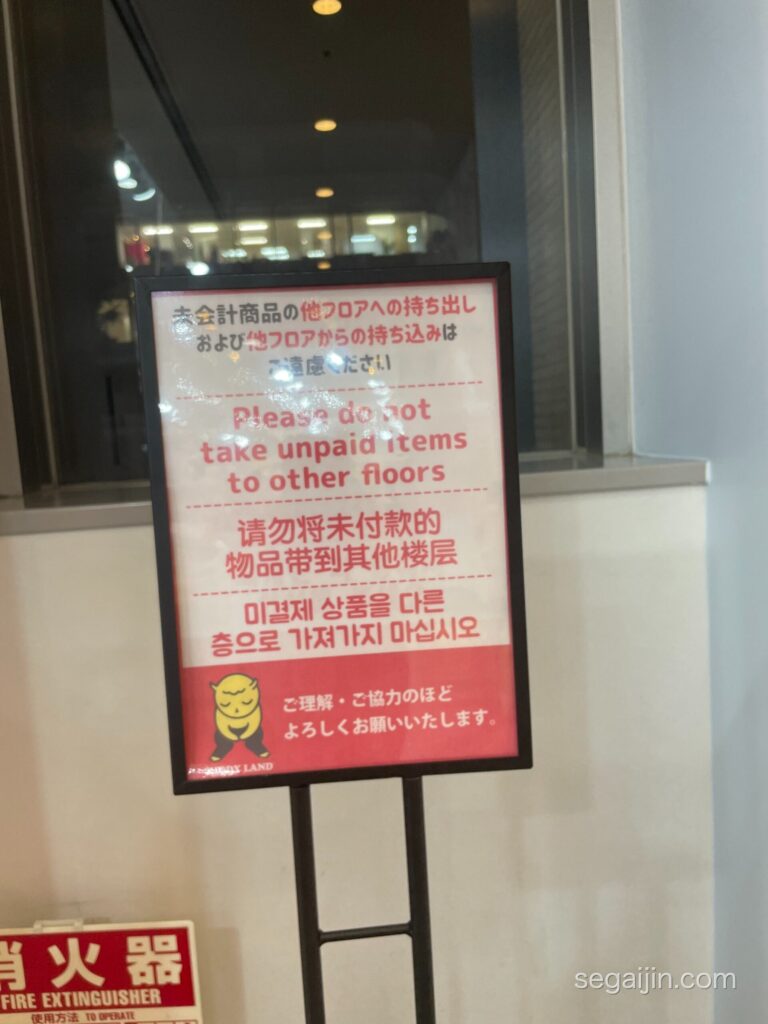
    The rule that catches everyone: you pay on each floor. Each floor has its own register, and unpaid items can’t leave the floor — or go in the elevator. There are signs in four languages and most people still miss it.

    A sign in English, Japanese, Chinese and Korean asking customers not to take unpaid items to other floors
    The sign that catches everyone: do not take unpaid items to other floors. Photo: Segaijin

    Prices start low. Palm-sized plush from ¥638, stickers around ¥660, Sanrio earrings ¥2,200. Some popular plush are limited to one per transaction. Tax-free — bring your passport.

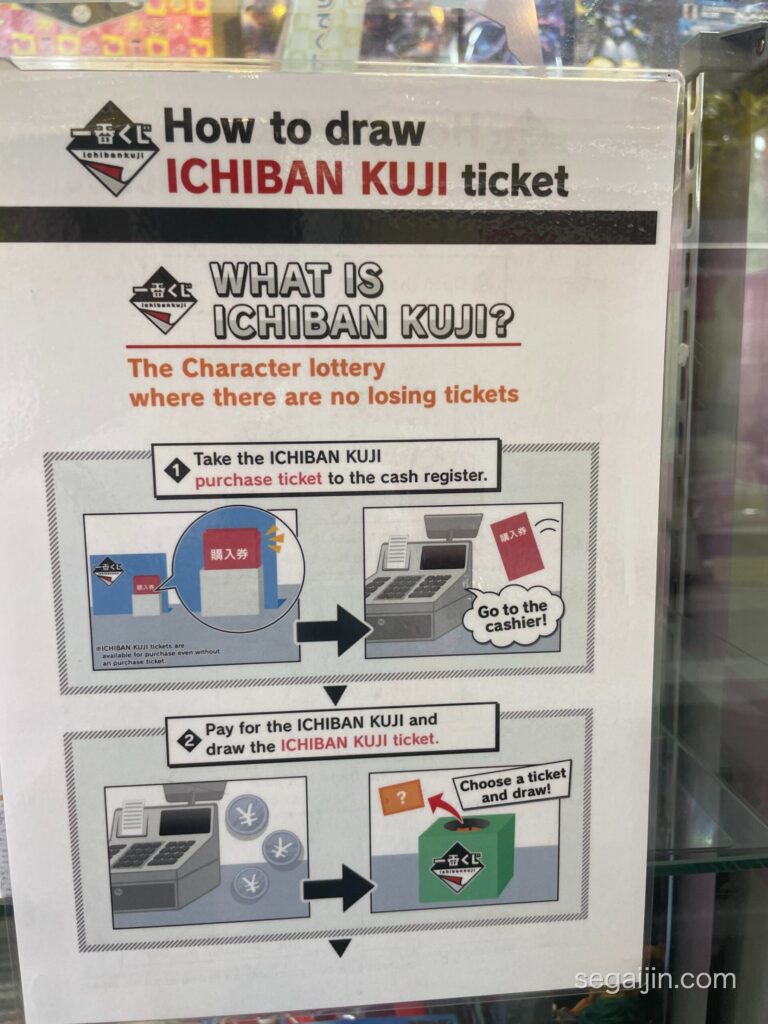
    An English poster explaining how to draw an Ichiban Kuji ticket
    Ichiban Kuji, the character lottery with no losing tickets. The poster explains how to play in English. Photo: Segaijin

    Two hours. One meal you’ll remember, one bag of things that will delight people.

    You’ve eaten fish handled by people who take it seriously, then walked into a building where a stuffed penguin sits on a plinth marked HARAJUKU. Both of those are Japan. Neither explains the other.

    When I visited, the whole ground floor of Kiddy Land was a Chiikawa feature. If you love Japanese character goods, Chiikawa calendars and books are a cute souvenir (CDJapan, affiliate links):
    Chiikawa Aiueo / Nagano / Chizuru Kato
    Nagano / Chizuru Kato (Book)

    September 2026. Prices and times change — check before you go.

  • Kappabashi Kitchenware Street: Japanese Knives, Ceramics & Free Engraving

    Kappabashi Kitchenware Street: Japanese Knives, Ceramics & Free Engraving

    A shopping street that food lovers adore — and one that is always a joy to visit.


    How to Get There

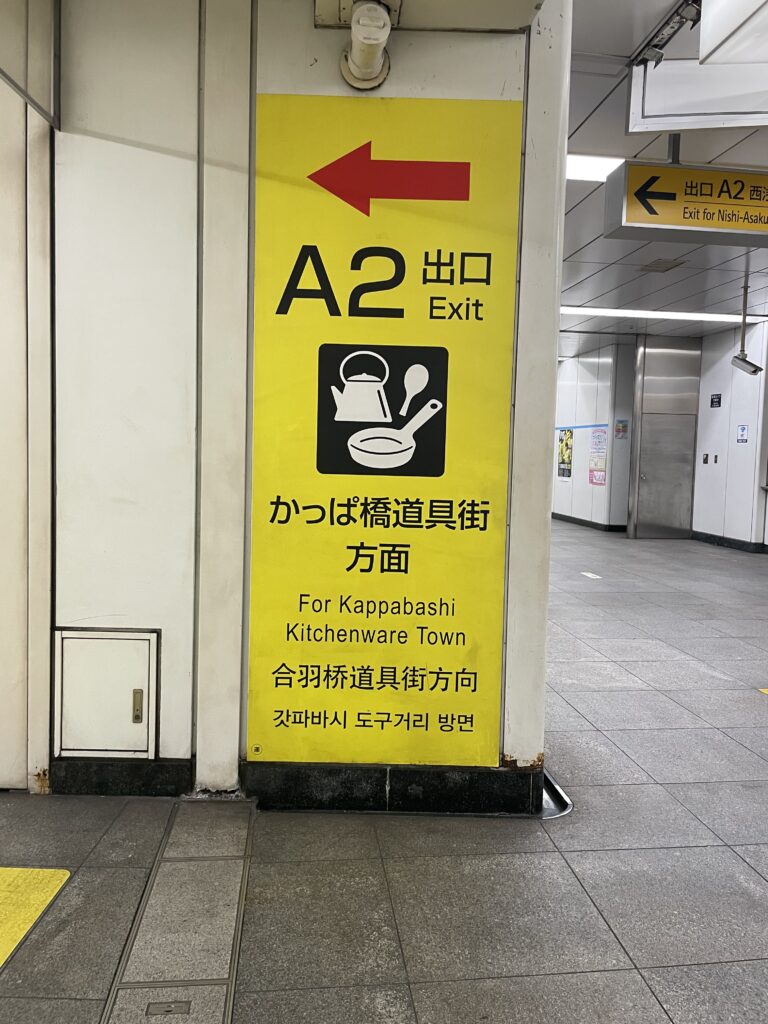
    Exit A2 sign for Kappabashi Kitchenware Town

    Take the Tsukuba Express to Asakusa Station, then follow the yellow signs to Exit A2. You’ll see “For Kappabashi Kitchenware Town” written in English, Japanese, Chinese, and Korean right on the floor.

    From Exit A2, it’s a 7-minute walk. You can’t miss it.

    つくばエクスプレス浅草駅A2出口を出て徒歩7分。床の黄色いサインが目印。


    What Makes Kappabashi Special

    Kappabashi — locals call it Kappa-bashi Dougu-gai — is a 170-meter street packed with over 170 shops selling professional-grade kitchen tools. Chefs from all over Japan shop here. And now, so can you.

    This isn’t a tourist trap. It’s the real thing.

    プロの料理人が買い物に来る本物の道具街。約170店舗が並ぶ。


    Must-Visit: Japanese Knives

    Buy KAI Santoku Knife on Rakuten →

    Japanese knives are world-famous — and Kappabashi is where you buy them.

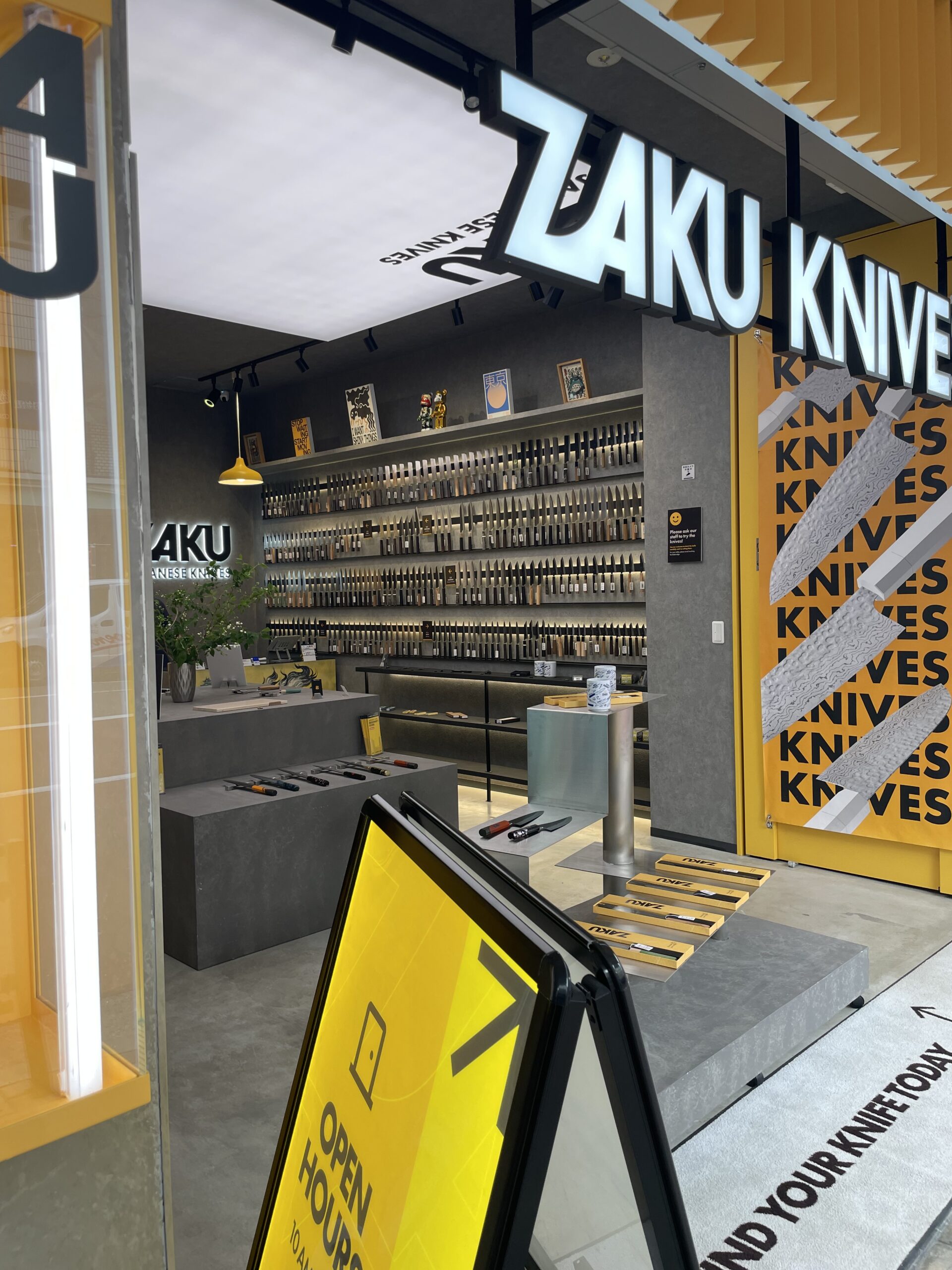
    You’ll find everything from traditional shops with wooden displays of hand-crafted blades to sleek modern stores like ZAKU Knives, where the design feels more like a concept store than a kitchen shop.

    Prices range from ¥4,100 for a basic knife to tens of thousands for professional chef’s knives. Labels are in both Japanese and English.

    日本の包丁が世界最高品質と言われる理由がここでわかる。¥4,100〜とリーズナブルなものも。


    ⭐ Hidden Gem: Free Knife Engraving — Done in 5 Minutes

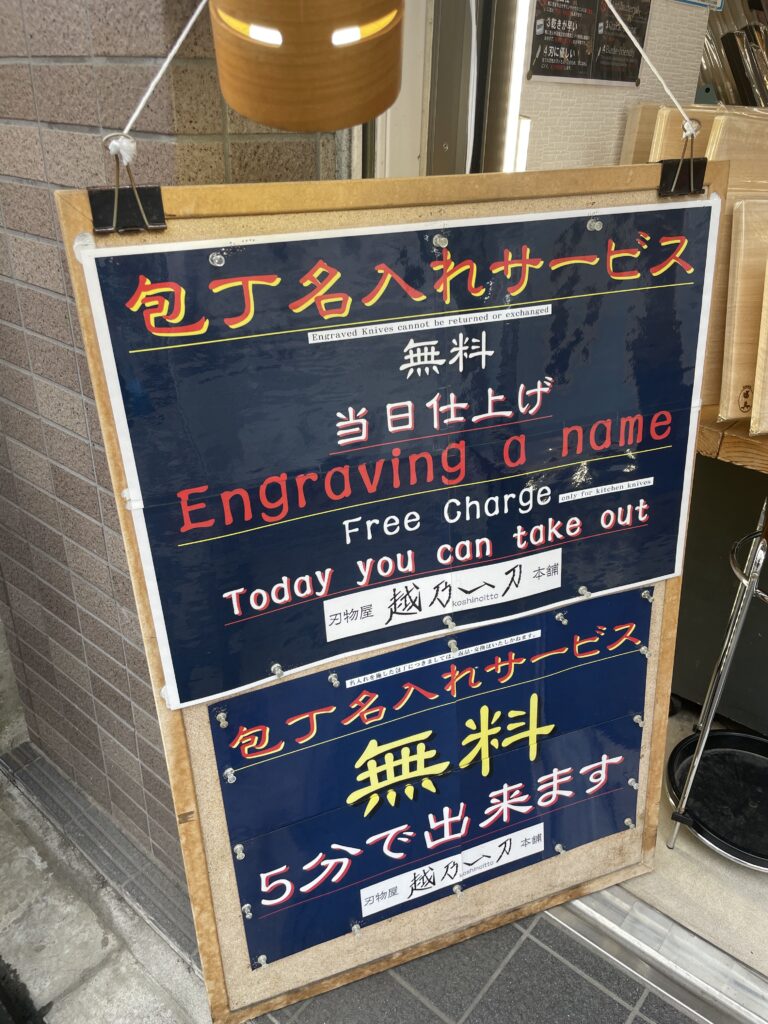
    Free knife engraving sign at Kappabashi - done in 5 minutes

    This is the detail most visitors miss — and the one they’ll remember forever.

    Several shops on Kappabashi offer free name engraving on kitchen knives, completed the same day. You can walk out with a personalized Japanese knife in your hands within minutes.

    Look for the sign: “Engraving a name — Free Charge. Today you can take out.”

    It makes the perfect gift. Or keep it for yourself.

    👉 Visit their website for details

    包丁への名入れ無料・当日5分で完成。 お土産にも自分用にも最高のサービス。


    More Than Knives: Ceramics & Tableware

    Kappabashi isn’t only about knives. Look out for shops like Soil, which carries handmade ceramics from regions across Japan — Hasami-yaki from Nagasaki, Mashiko-yaki from Tochigi, Yachimunn from Okinawa.

    Each piece tells a story of Japanese craftsmanship. Prices are reasonable, and the display cases are beautiful enough to photograph.

    包丁だけじゃない。波佐見焼・益子焼・やちむんなど全国の焼き物も揃う。


    Tips for Foreign Visitors

    • Knives in checked luggage only — you cannot bring them in carry-on bags on flights
    • Most shops are open 10am–5pm, closed on Sundays
    • Cash and IC cards are accepted at most shops; some accept credit cards
    • The street is uncrowded on weekday mornings — the best time to visit
    • 包丁は受託手荷物のみ(機内持ち込み不可)
    • 営業時間は10時〜17時、日曜定休が多い
    • 平日午前中が空いていておすすめ

    Getting There / アクセス

    Tsukuba Express — Asakusa Station, Exit A2
    つくばエクスプレス 浅草駅 A2出口


    Have you been to Kappabashi? What did you buy? Let me know in the comments.


    📖 Learn More: The World of Japanese Knives

    Fascinated by Japanese knives? This beautifully illustrated book dives deep into the craft, culture, and history behind Japan’s legendary blades — perfect reading before or after your Kappabashi visit! 👉 The Anatomy of a Japanese Knife (Amazon)

  • Cherry Blossom Information in Tokyo 桜

    桜は日本の春を象徴する花で、多くの人々に親しまれています。2025年東京は3月30日に満開を迎える見込み、、と言われてますが、

    日比谷公園ではこのくらい

    Cherry blossoms are flowers that symbolize spring in Japan and are loved by many people. It is said that Tokyo is expected to be in full bloom on March 30, 2025, but…

    26/03/2025

    東京満開にはもう少しかかりそうです♪

    東京の桜情報でした!ではまた次回!

    It seems like it will take a little longer for Tokyo to be in full bloom♪

    It was information about cherry blossoms in Tokyo!

    See you next time!

    満開までもう少し!楽しみです!
  • Winter in Tokyo: Skating with a View of Tokyo Station

    https://pin.it/6mMHbLP4M

    Continuing from last year, an environmentally friendly plastic skating rink was installed on Gyoko-dori Avenue, which connects Tokyo Station and the Imperial Palace.

    Period:

    Thursday, November 28 – Wednesday, December 25, 2024
    Hours:

    11:00 – 22:00 (last admission at 21:30)

    Place:

    Gyoko-dori Avenue
    Fee: <Weekday Fee

    Weekday fare
    Adults 1,800 yen,
    Students 1,500 yen,
    4 years old to elementary school students 1,000 yen (tax included)

    Weekend Fees
    Adults 2,300 yen,
    Students 1,700 yen,
    1,200 yen for elementary school students from 4 years old (tax included)
    Note: *Payment is by cashless payment only.
    The fee includes the cost of rental shoes.


    📚 Recommended Travel Guide for Tokyo

    Planning your Tokyo trip? This highly-rated guidebook covers all the best sights, restaurants, and hidden gems across every budget. It even includes a pull-out map — perfect for navigating the city! 👉 Tuttle Travel Pack: Your Guide to Tokyo’s Best Sights (Amazon)

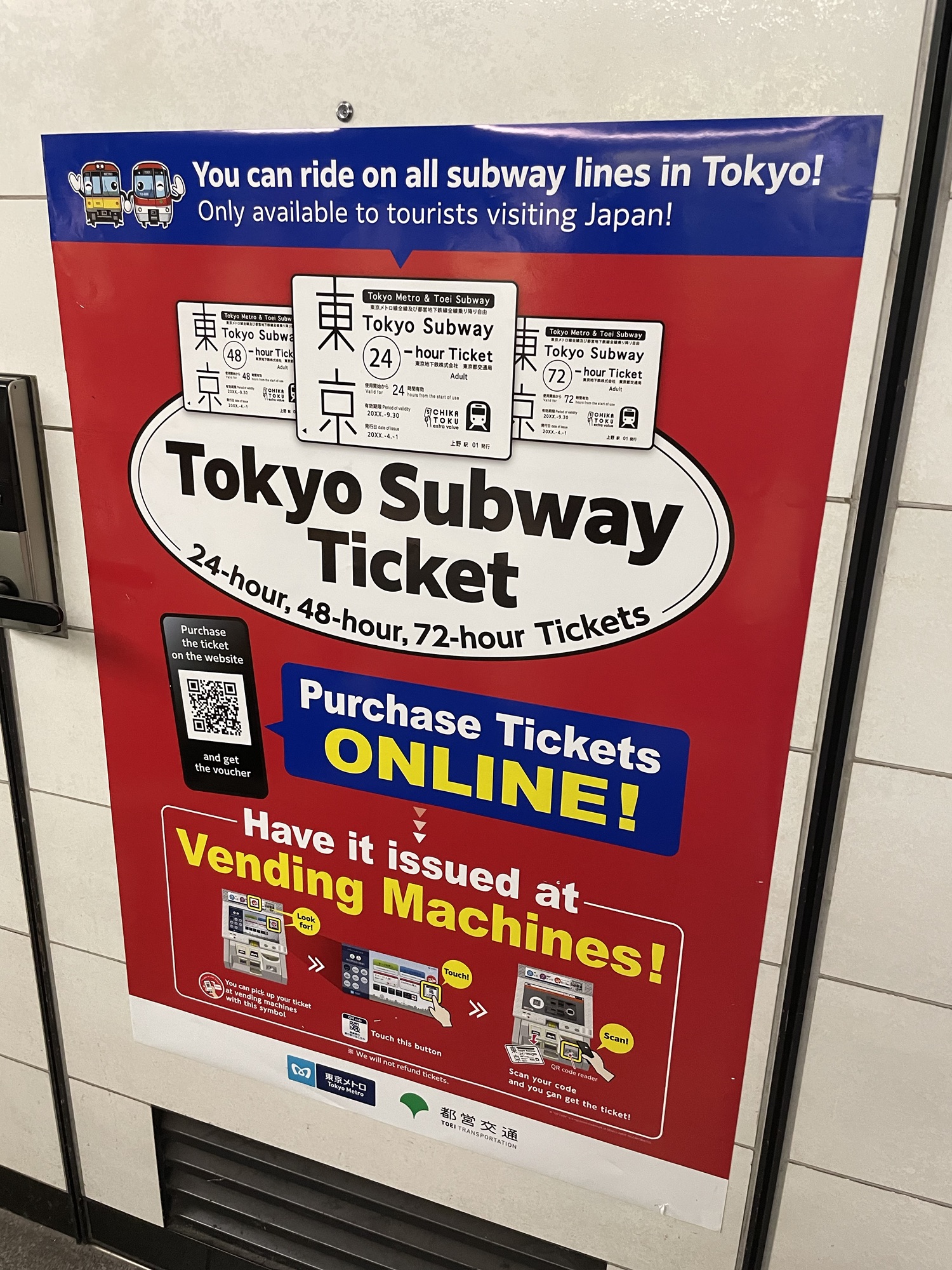
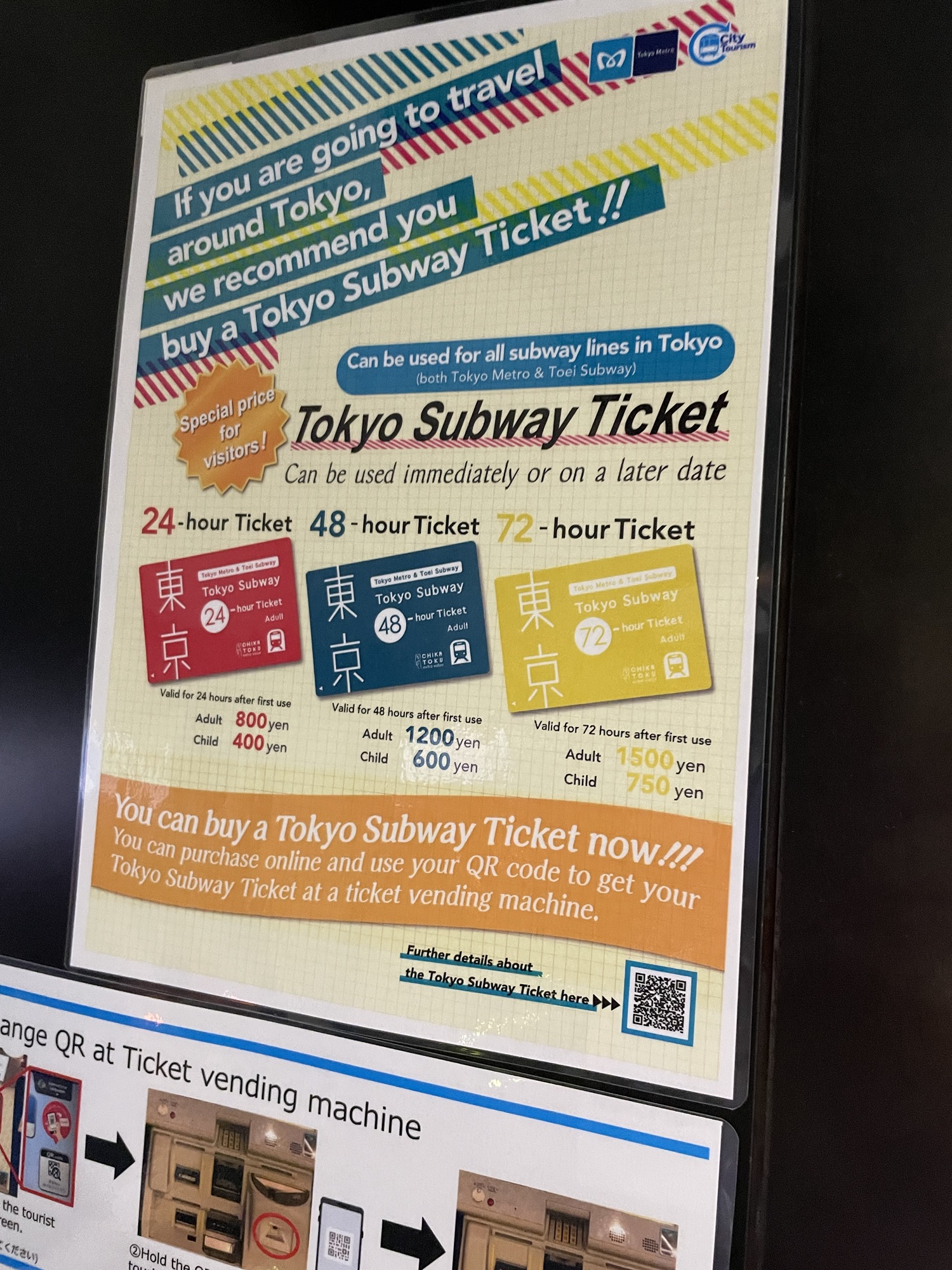
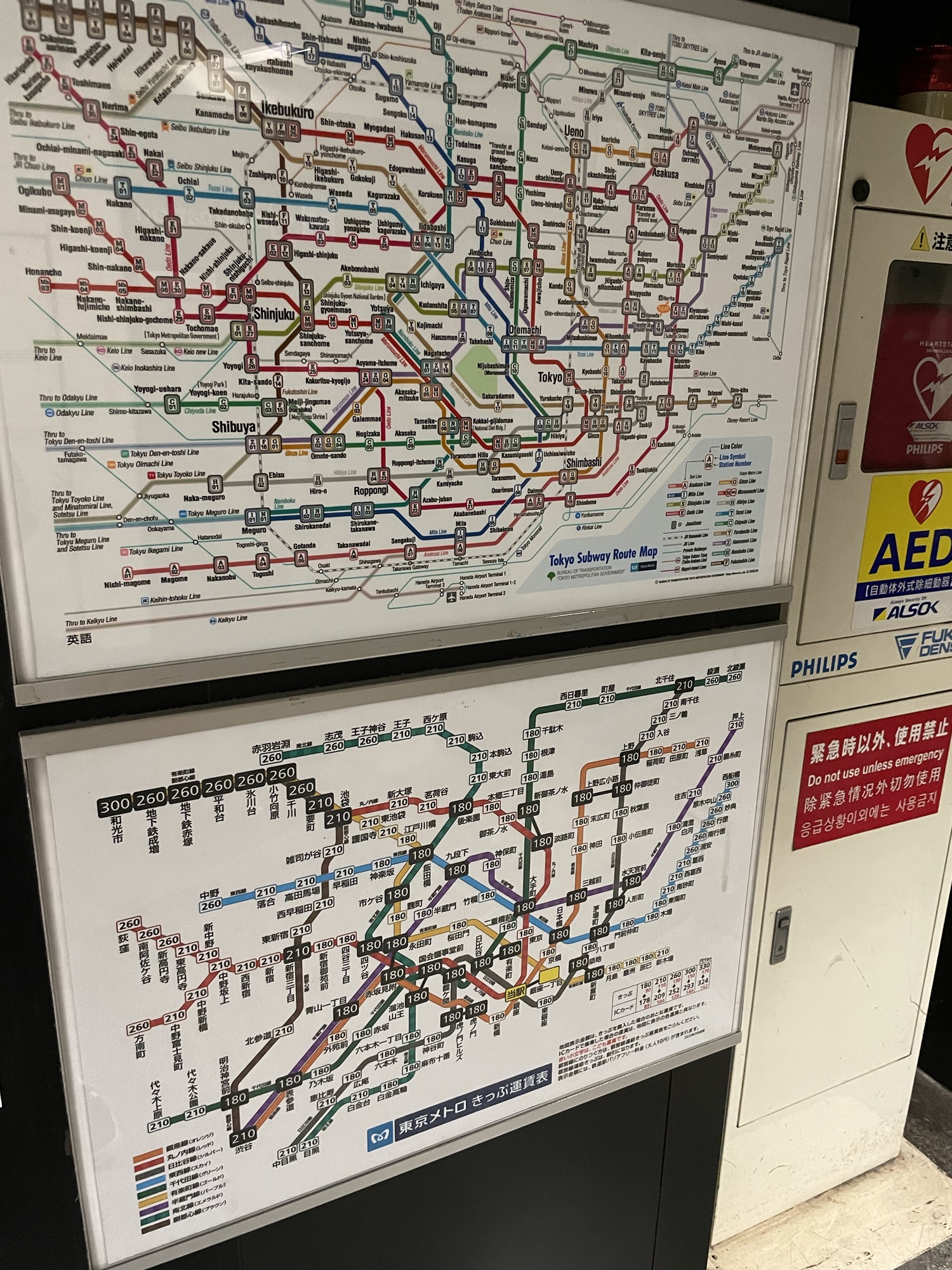
  • Tokyo Subway Tickets from 800 Yen a Day 東京地下鉄一日券

    This is convenient for traveling around Tokyo!

    But only subways can be used.

    1-day, 2-day and 3-day tickets are available

    It would be more convenient to buy in advance.

    If you would like to prepare before you arrive, you can buy the ticket online on Klook and pick it up at the station with your QR code (affiliate link).

    Try it!

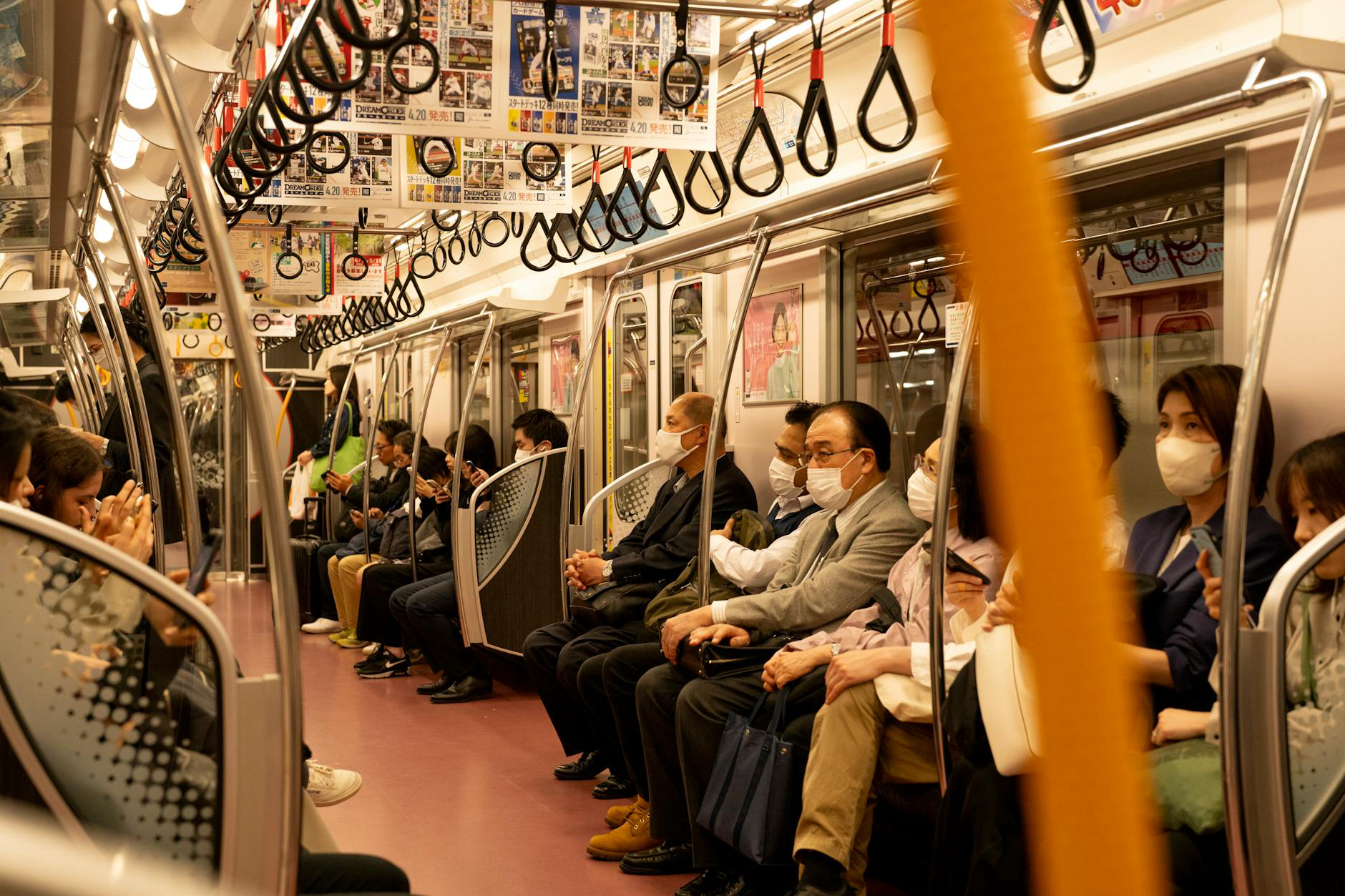
    Photo: Pexels

    https://www.tokyometro.jp/tst/en/ticket-overseas-purchase.html

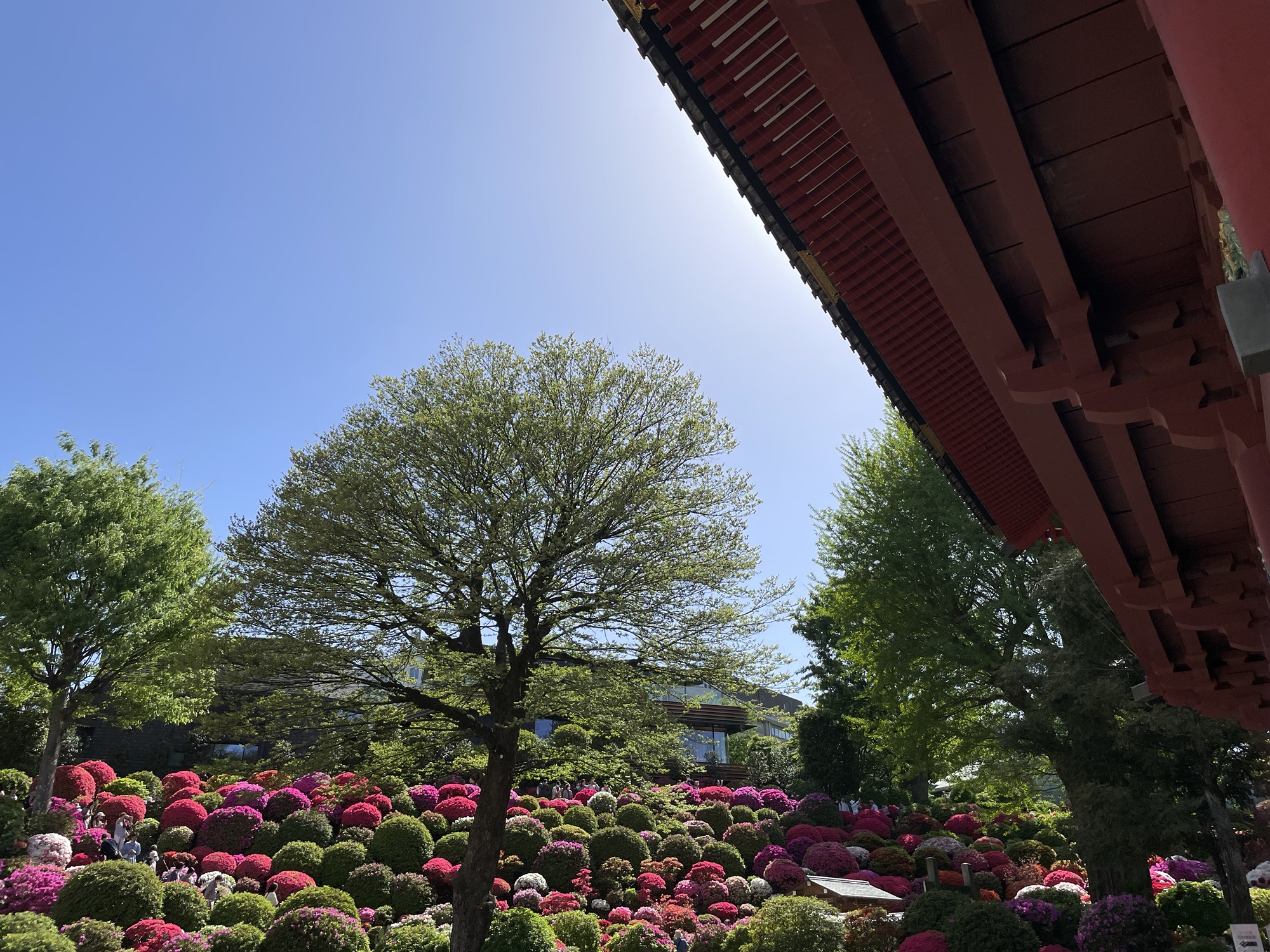
  • April in Tokyo: Rhododendron Festival at Nezu Shrine つつじ

    https://pin.it/5oViWEtn4

    Recommended.

    https://nedujinja.or.jp/

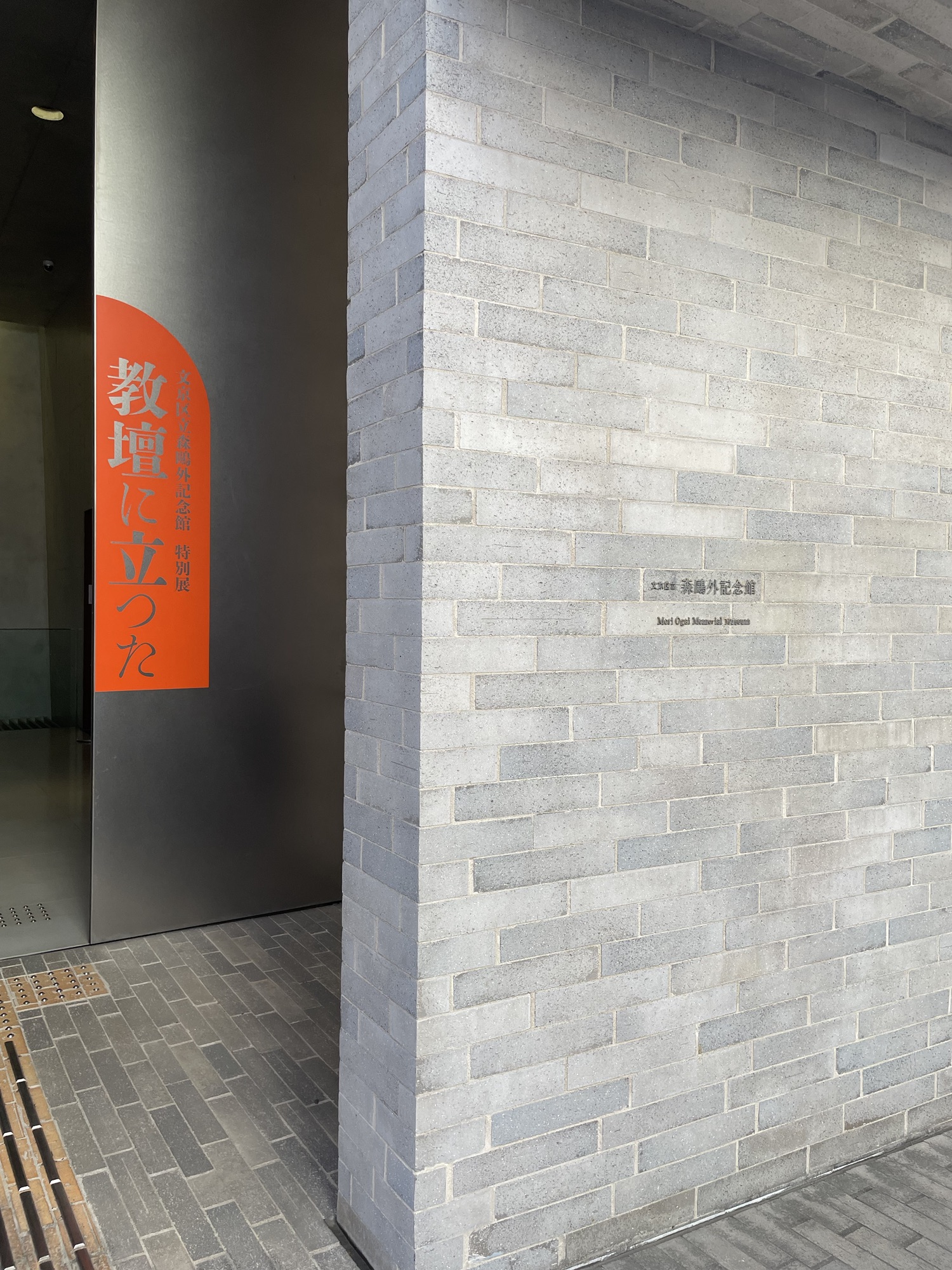
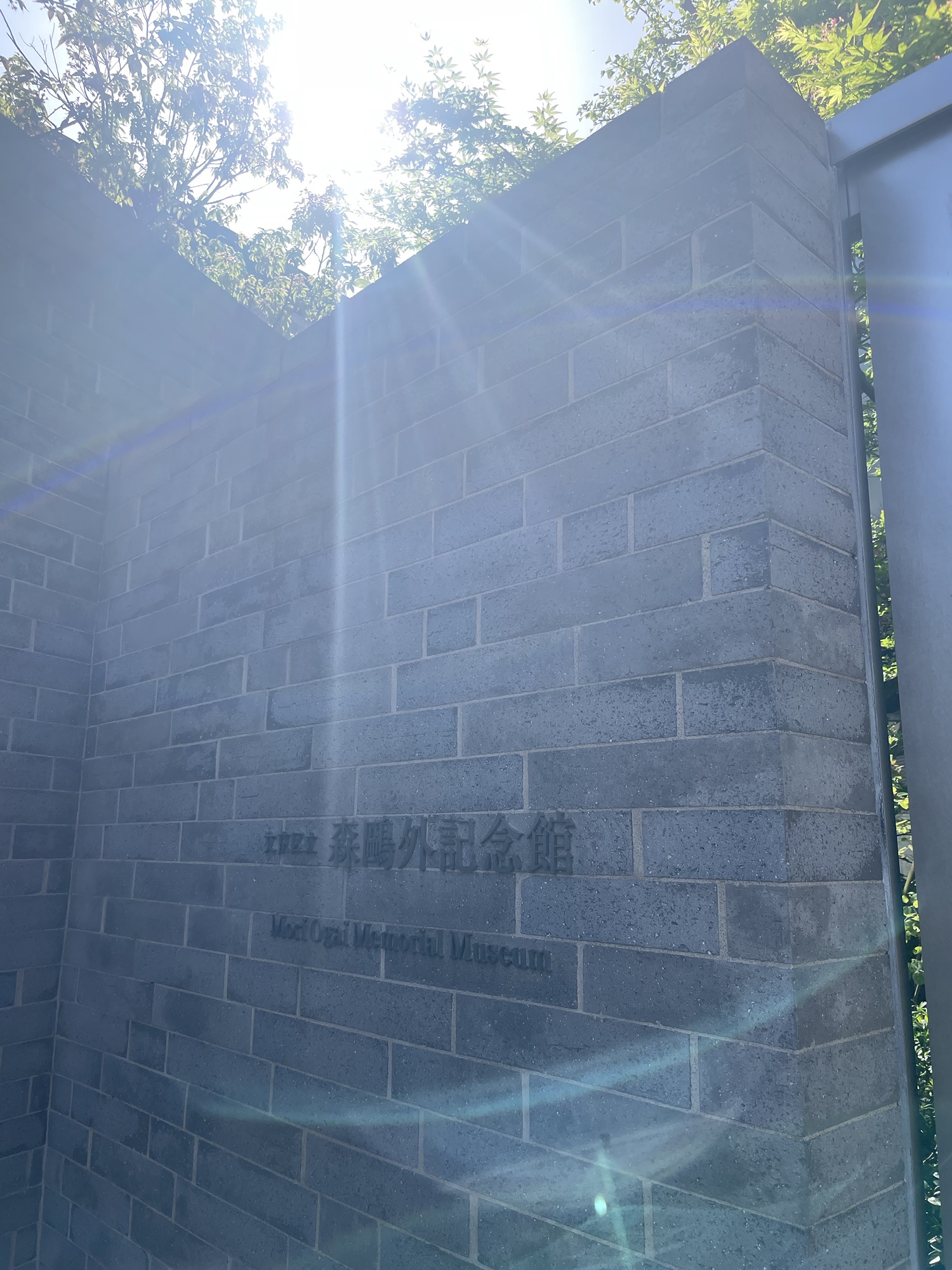
    After seeing colorful azaleas, take a 30-minute walk from Nezu to the Ogai Memorial Museum in Sendagi.

    https://moriogai-kinenkan.jp/modules/contents/index.php?content_id=38

    It is said that Ogai of old days took a walk
    While walking in the quiet residential area of today
    You will notice that there are many hills.

    That’s why it’s called Dangozaka.団子坂

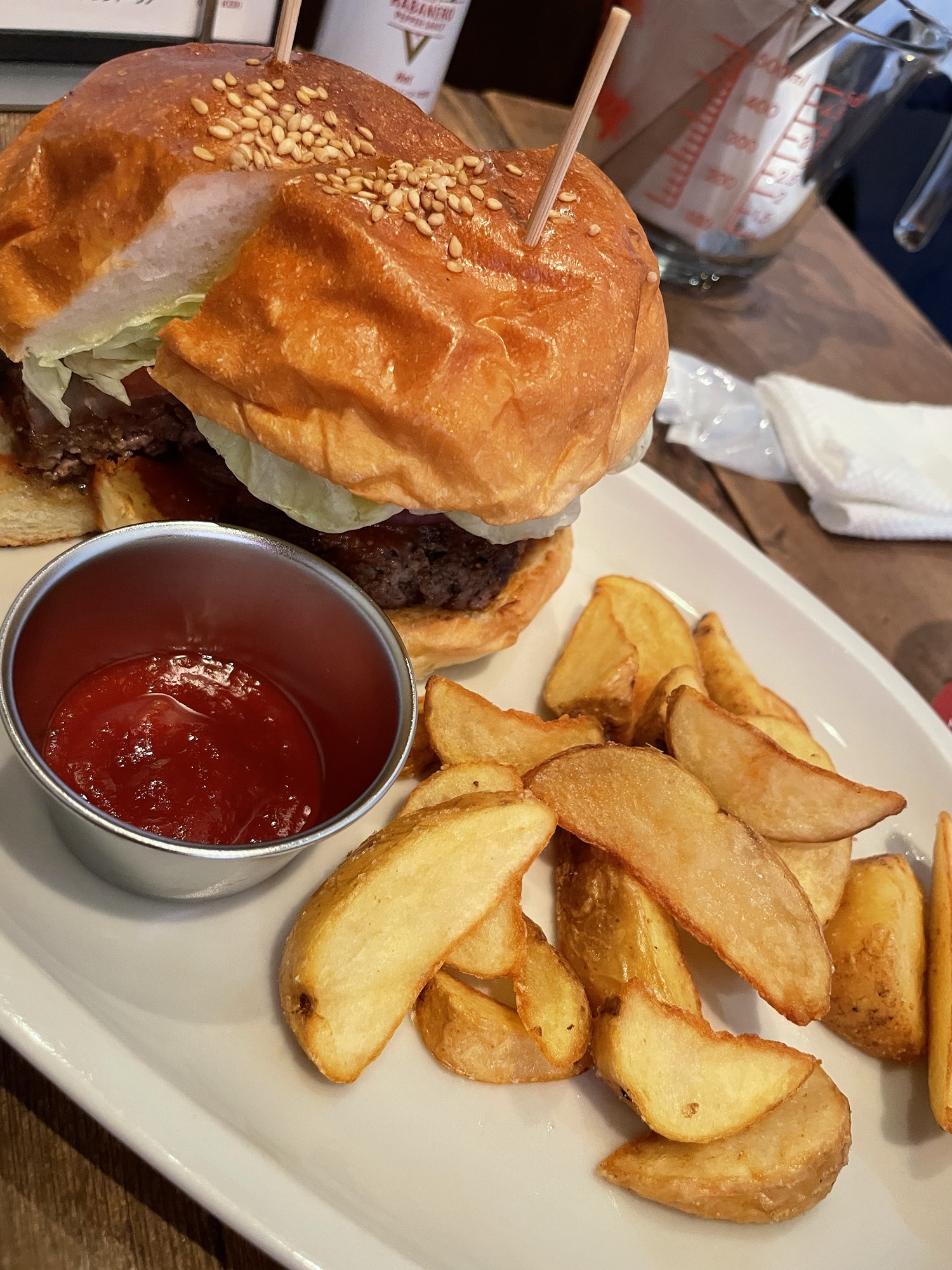
    Finally, I found a cawaii hamburger shop that just opened near the station!

    The burgers were delicious, as was the homemade ketchup!

    What should I do for the rest of the day in Tokyo?
    I recommend this “Tokyo Small Town Tour”

    The azalea festival is in April.
    Nezu Shrine is always a good place for photos!
    And there is a relaxed atmosphere

    See you soon!

    I’ll be back to introduce you to

    Sunsun Cawaii Japan tour!

    🤩Ideas for additions🤩
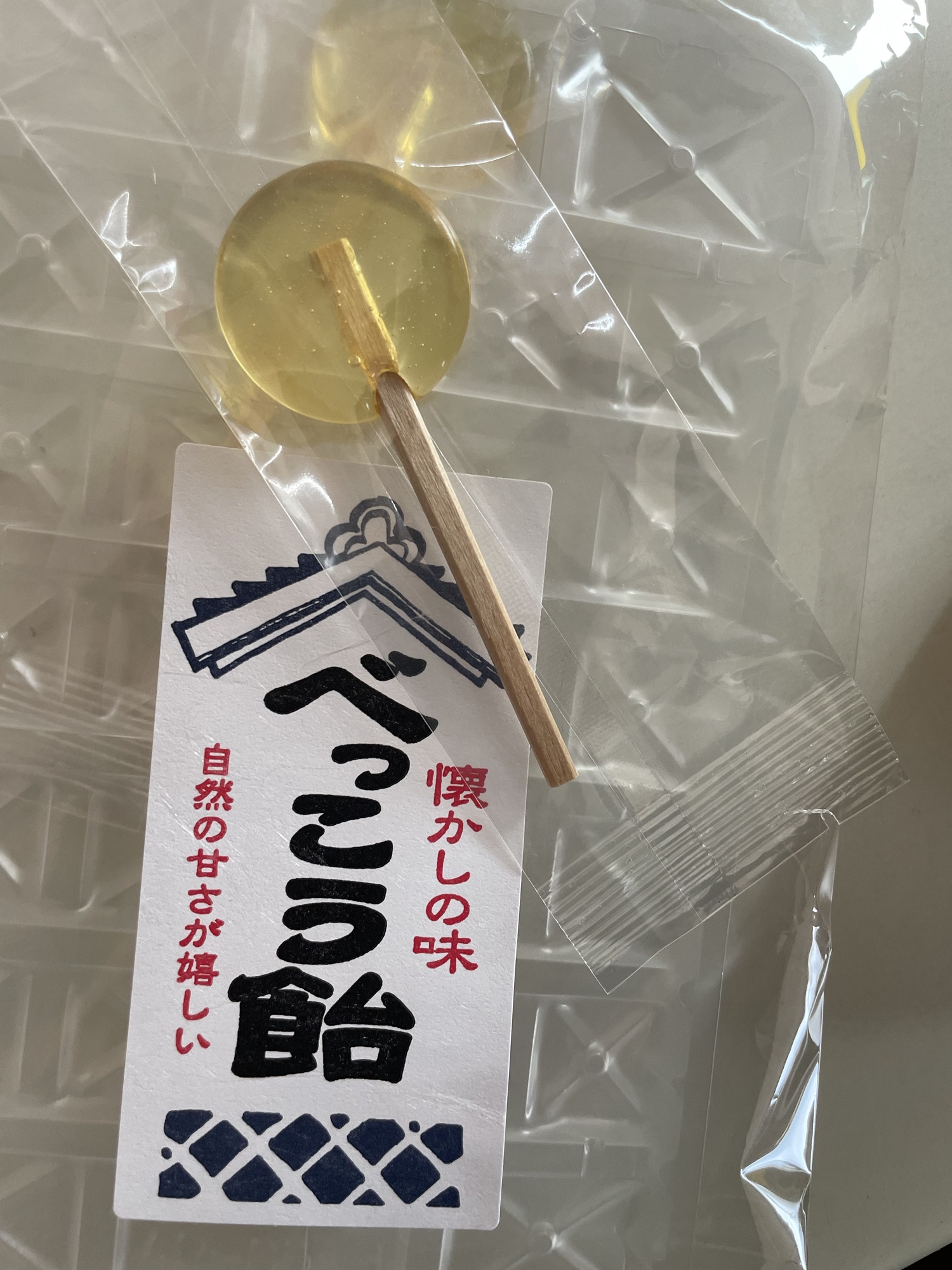
    There is a very tasty candy shop near Nezu Shrine!

    https://g.co/kgs/a8pmzwg
  • Ginza six rooftop art playground

    https://pin.it/1ab2dGj

    If you are tired of shopping in Ginza

    Take a break here!

    Kids can play, too.

    銀座sixのR階

    遊べる

    ホッとする

    緑がある

    https://ginza6.tokyo/

  • 99 ROUTE DU CHOCOLAT: Delicious Japan

    湯島の近くにあるチョコレート屋さん

    https://pin.it/2fZLhkj

    Ueno Zoo is nearby
    If you come to Tokyo for sightseeing
    Recommended chocolate shop in Yushima!

    お酒のきいたチョコレートがオススメ

    cawaii

    https://www.99chocolat.co.jp/p/item-detail/detail/i39.html

  • Spice Curry: Tasty Finds in Japan

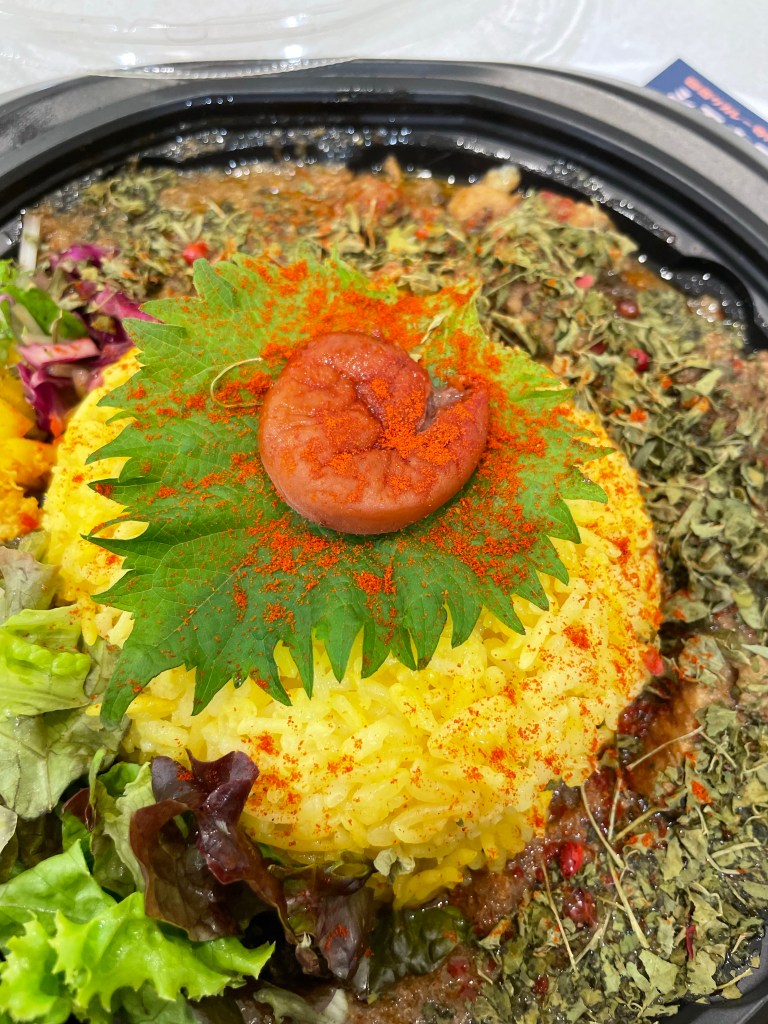
    スパイスが効いてるし 梅干しが!
    Taste for the first time
    I can’t believe there are dried plums on top!
    New Age Curry

    新しい

    暑い夏スパイス最高!

    https://pin.it/67tCv6s

    https://www.matsuya.com/ginza/news/2023/0704/thecurryscramble2023-4/

    7/9今日まで!