Showa Songs

One 80s J-pop (and Showa-era) song a day, for international readers.

  • Watashi no Heart wa Stop Motion (私のハートはストップモーション) by Tomoko Kuwae: A Spring Song for an Autumn Day

    Watashi no Heart wa Stop Motion (私のハートはストップモーション) by Tomoko Kuwae: A Spring Song for an Autumn Day

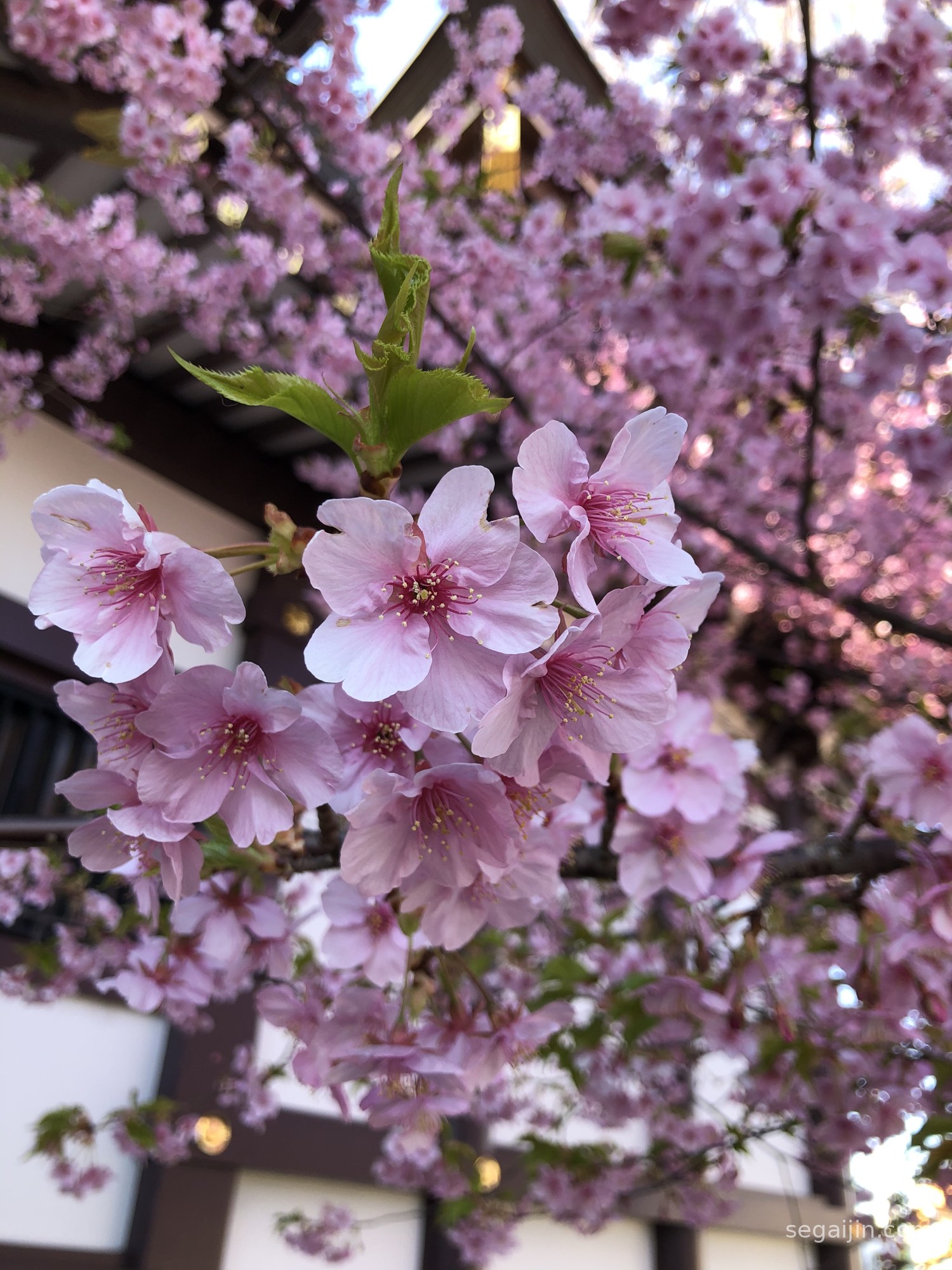
    Some songs carry the feeling of a season, even when you hear them in another one. For me, “Watashi no Heart wa Stop Motion” (私のハートはストップモーション) is a spring song, and it is a joy to listen to on a quiet autumn day. It was sung by Tomoko Kuwae (桑江知子) and released in January 1979.

    About the song

    This was Tomoko Kuwae’s debut single. It was used in a cosmetics commercial in the spring of 1979, reached No. 12 on the Oricon chart, and sold about 148,000 copies, which made it her biggest hit. That year it also won a Best New Artist award at the Japan Record Awards. The sound is bright and stylish, with a gentle city feeling, and in recent years it has been introduced as a song that city pop fans enjoy, too. It is a late-1970s pop song that feels like city pop.

    What I remember

    I did not know the English words “stop motion” back then. This song was the first time I heard them, and they felt fresh and exciting to me. What I loved most was the feeling of the song: a new love that comes in softly, together with spring. Even now, it makes me feel the warm air of that season.

    A spring song that also suits autumn

    This is a song of spring, when a new love comes in softly. Still, I like listening to it in autumn too, while the leaves slowly change color. Its light, hopeful feeling seems to warm a quiet autumn day. If you are looking for a gentle Showa-era song, I would love for you to try this one with a cup of tea.

    The song does not seem to be sold as a CD at the moment, but in Japan it can be bought as a digital download. If you visit Japan, it might be fun to look for it in a record shop. Finding an old record or CD in a small shop can be a lovely little treasure hunt, and it is a good song to look for.

    Is there a song that reminds you of a season, even when you hear it in a different one?

    Thank you for listening with me. I hope this song stays in your heart, too.

  • Purple Town (パープルタウン) by Junko Yagami: A Dream of a Faraway City

    Purple Town (パープルタウン) by Junko Yagami: A Dream of a Faraway City

    Ginza street at dusk with purple lights glowing on a building and city lights below a deep blue sky
    Purple lights in Ginza at dusk. Not New York, but my own little Purple Town. Photo: Segaijin

    Some songs make you dream of a faraway place before you even know where it is. For me, “Purple Town” by Junko Yagami is one of those songs. Released on July 21, 1980, its full title is “Purple Town (パープル タウン) ~You Oughta Know by Now~.”

    About the song

    “Purple Town” became a big hit, reaching No. 2 on the Oricon chart. That same year, it took Junko Yagami to the NHK Kohaku Uta Gassen, the famous New Year’s Eve music show, for the very first time. With its bright city sound, the song is now loved by city pop fans all over the world.

    Junko Yagami made her debut in 1978. Later, in 1987, she moved to Los Angeles and continued her music there, so her story also crosses the ocean, just like this song.

    What I remember

    When I was little, I did not know much about the song itself. But I remember the phrase “New York” so clearly. Hearing it made me dream about New York, a place that seemed so shining and far away. And I often wondered, “What is a Purple Town?” It sounded like a magical city to me.

    My favorite part was the moment she sings “I love…” in English. Her voice turns a little husky there, and I thought it was so cool. Even now, that part still gives me a small thrill. It stays in my heart as the sound of a big, bright city.

    Junko Yagami’s best-of CD, with “Purple Town” as track 2 (CDJapan, affiliate link):

    A city in a song

    If you love city pop, I hope you will listen to “Purple Town” and imagine the lights of a big city at night, just like I did as a child.

    Is there a city you once dreamed about because of a song?

  • Kimi no Asa (きみの朝) by Satoshi Kishida: A Song That Feels Like Morning Light

    Kimi no Asa (きみの朝) by Satoshi Kishida: A Song That Feels Like Morning Light

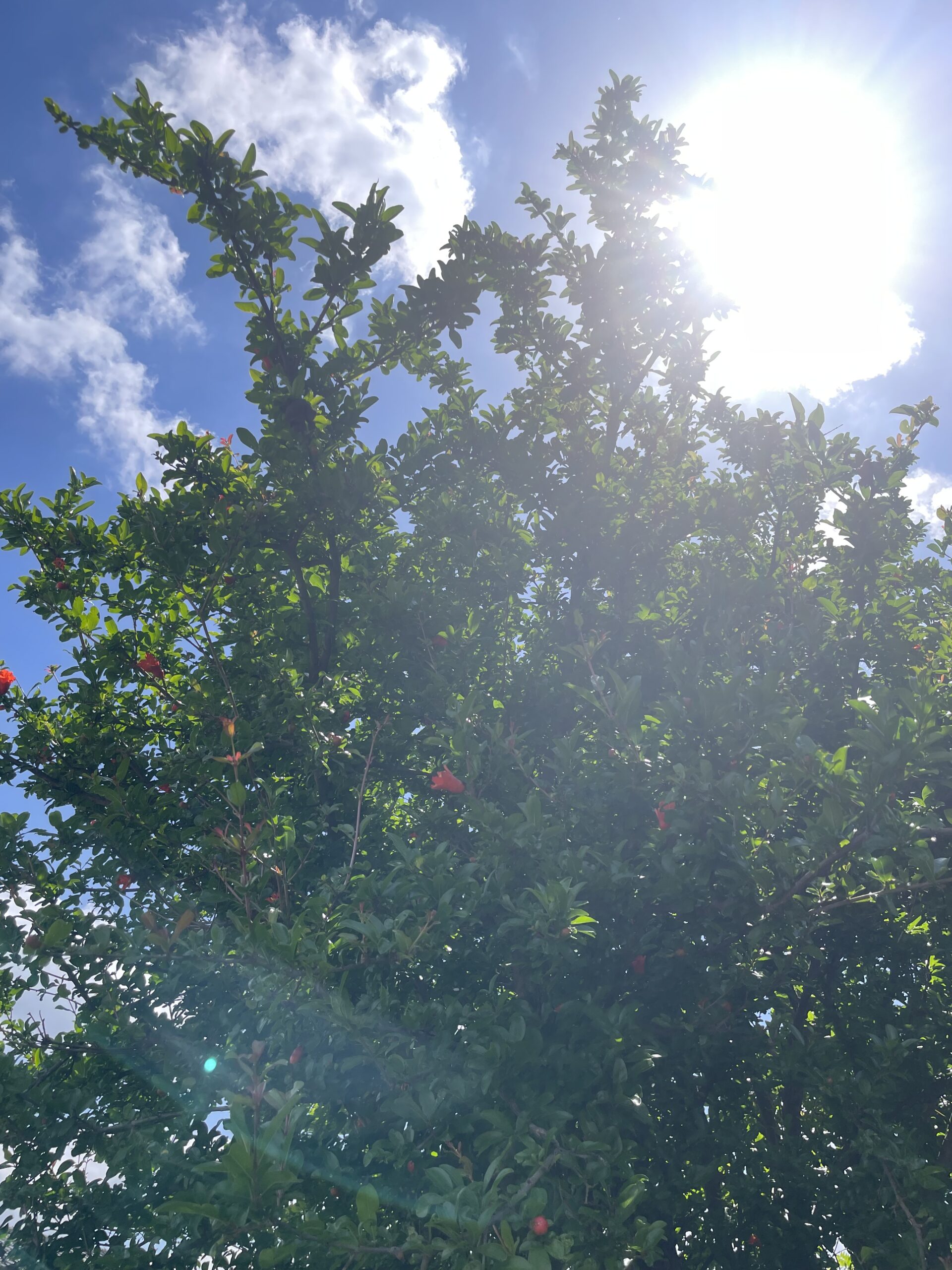
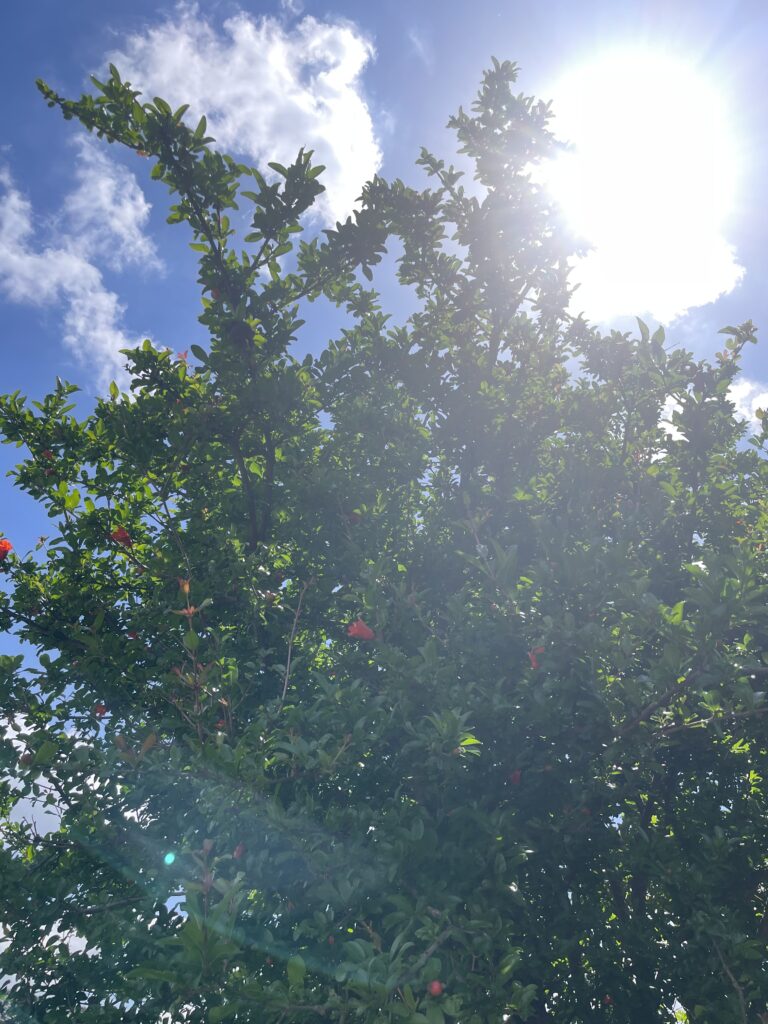
    Morning sunlight shining through a pomegranate tree with red flowers in a Japanese garden
    Morning light through the pomegranate tree in my garden. Photo: Segaijin

    Some songs feel like the first light of the day. For me, “Kimi no Asa” (きみの朝), which means “Your Morning,” is one of them. It was released in 1979 by Satoshi Kishida, a singer-songwriter who later changed the way his name is written to 岸田敏志.

    About the song

    “Kimi no Asa” belongs to the gentle “new music” sound of late-1970s Japan, when singer-songwriters brought soft melodies and personal stories to the charts. The song begins quietly and slowly opens up, like a window letting the morning in. Kishida’s voice is clear and warm, and the piano carries the whole song with a calm, steady heart.

    What I remember

    I was only a child when this song was on the radio and TV. What I loved most was the moment the music rises into the word “morning.” Even as a little girl, that part felt so comfortable to me. His voice was beautiful, and I think the piano was a big part of the magic, too.

    Looking back now, I realize the song carries a deeper story than I could understand back then. As a child, I simply felt the brightness of it. As an adult, I can hear the feelings hidden inside, and that makes the song even more precious to me. It stays in my heart like a quiet sunrise.

    Satoshi Kishida’s album “Morning” on CD (CDJapan, affiliate link):

    A song for a new day

    If you are looking for a Showa-era song to start your morning, I would love for you to try this one. Put it on with a cup of tea or coffee, and let the piano and that clear voice welcome the day with you.

    Is there a song that you like to listen to in the morning, one that makes a new day feel a little brighter?

  • Summer Candles (サマー・キャンドル) by Anri

    When summer comes, there is one voice I always want to hear: Anri. Today I would like to share one of her warm, breezy summer songs with you.

    A single lit candle on a striped beach towel at twilight, with soft waves blurred in the background
    Photo: hello aesthe / Pexels

    The song

    “Summer Candles” (サマー・キャンドル) is sung by Anri, one of the most loved voices of Japanese city pop. Her songs have a gentle, sparkling feeling, like evening light on the sea, and this one carries that mood beautifully.

    Why I chose it

    Anri is at the heart of the city pop sound that so many fans overseas have come to love: smooth melodies, a bright rhythm, and a touch of seaside romance. If you enjoy Japanese city pop, I think this song will feel very welcome to you.

    What I remember

    What touches my heart most is the very first line of the lyrics. It speaks about a miracle that is so close to us that we cannot see it. Every time I hear it, I feel I should look again at the people and the everyday moments right beside me, and thank them quietly. I also love the lines that wish for a new and beautiful tomorrow, for a long, long time to come. They sound like a quiet blessing, and they stay in my heart, long after the summer is over.

    To tell the truth, I have always loved Anri’s ballads. Her voice is bright, but it is also tender, and it holds your feelings gently. If you enjoy this song, I hope you will also try her slower songs.

    Listen

    This is the surfing version, which I like best. It has a fresh, open feeling, like a breeze coming in from the water.

    This version is closest to the one in my memories. I love the strength and brightness of her voice here, and it brings those summer days right back to me. Her newer arrangements are lovely too, and they are her own, but this is the voice I remember.

    If you would like to hold an Anri album in your hands, CDJapan ships worldwide (affiliate link):

    Do you have a summer song that takes you back to a special season? I would love to hear about it in the comments.

  • Hikoki-gumo (ひこうき雲) by Yumi Arai: A Gentle Song for a Quiet Sky

    A thin white line drawn across a blue sky. It appears quietly, and then slowly fades away. This is the song that comes to my mind when I look up and find one.

    A thin pink contrail across a soft purple dusk sky. Photo: Sherif Emad / Pexels
    Photo: Sherif Emad / Pexels

    The song

    “Hikoki-gumo (ひこうき雲)” is a song by Yumi Arai, who is now known as Yumi Matsutoya, or simply “Yuming.” It was released in 1973 as the title track of her first album. In 2013, it was chosen as the theme song of Studio Ghibli’s film The Wind Rises (風立ちぬ), and many new listeners around the world found it. The title means “contrail,” the white trail an airplane leaves in the sky.

    Why I chose it

    This is not city pop, and it is not an 80s idol song. It is an earlier, gentler song from the beginning of Japan’s “New Music” style. Still, Yuming is loved by many Showa fans overseas, and her soft, sweet sound is often said to have helped shape the city pop that came later. I wanted to share the place where that gentle sound began.

    What I remember

    I loved this melody long before I understood what the song was really about. I have always loved airplanes, and I have always longed for the sky. As a child, I loved watching contrails in the evening sky. The white lines slowly turned soft pink and gold, and I could look at them for a very long time.

    Later, I learned that this is a song with sadness in it. Even so, the gentleness of the melody has stayed with me. Now, when I find a contrail in the evening sky, I still stop and look up for a moment. I have been lucky enough to travel to many places, and these days I watch them with a gentle heart and a feeling of gratitude.

    Listen

    Here is the song on Spotify:

    If you would like to hold the album in your hands, CDJapan ships the CD worldwide (affiliate link).

    If you would like to hear Yuming’s later songs as well, this 50th anniversary best album is also available from CDJapan (affiliate link).

    Is there a small sight in your sky, or a song, that makes you stop and look up?

  • Cosmos (秋桜) by Momoe Yamaguchi: A Gentle Autumn Song for the Flowers in My Garden

    In autumn, soft pink cosmos flowers begin to sway in my garden. Every year, when I see them, this is the song that comes to my mind.

    The song

    “Cosmos (秋桜)” is a song by Momoe Yamaguchi, released in 1977. It was written and composed by Masashi Sada, a singer-songwriter known for his gentle, story-like songs. The title uses the characters for “autumn” and “cherry blossom,” and they are read as “cosmos.” I learned how to write the word this way from this very song.

    Why I chose it

    This is not city pop, and it is not an 80s idol song. It is a quiet idol ballad from the late 1970s. Still, I wanted to share it because it shows another soft side of Showa music: a calm autumn day, a gentle melody, and feelings that are not spoken out loud.

    What I remember

    The cosmos in my garden bloom every autumn, and when they do, I think of this song. The flowers are delicate, but they keep swaying in the wind and stand tall.

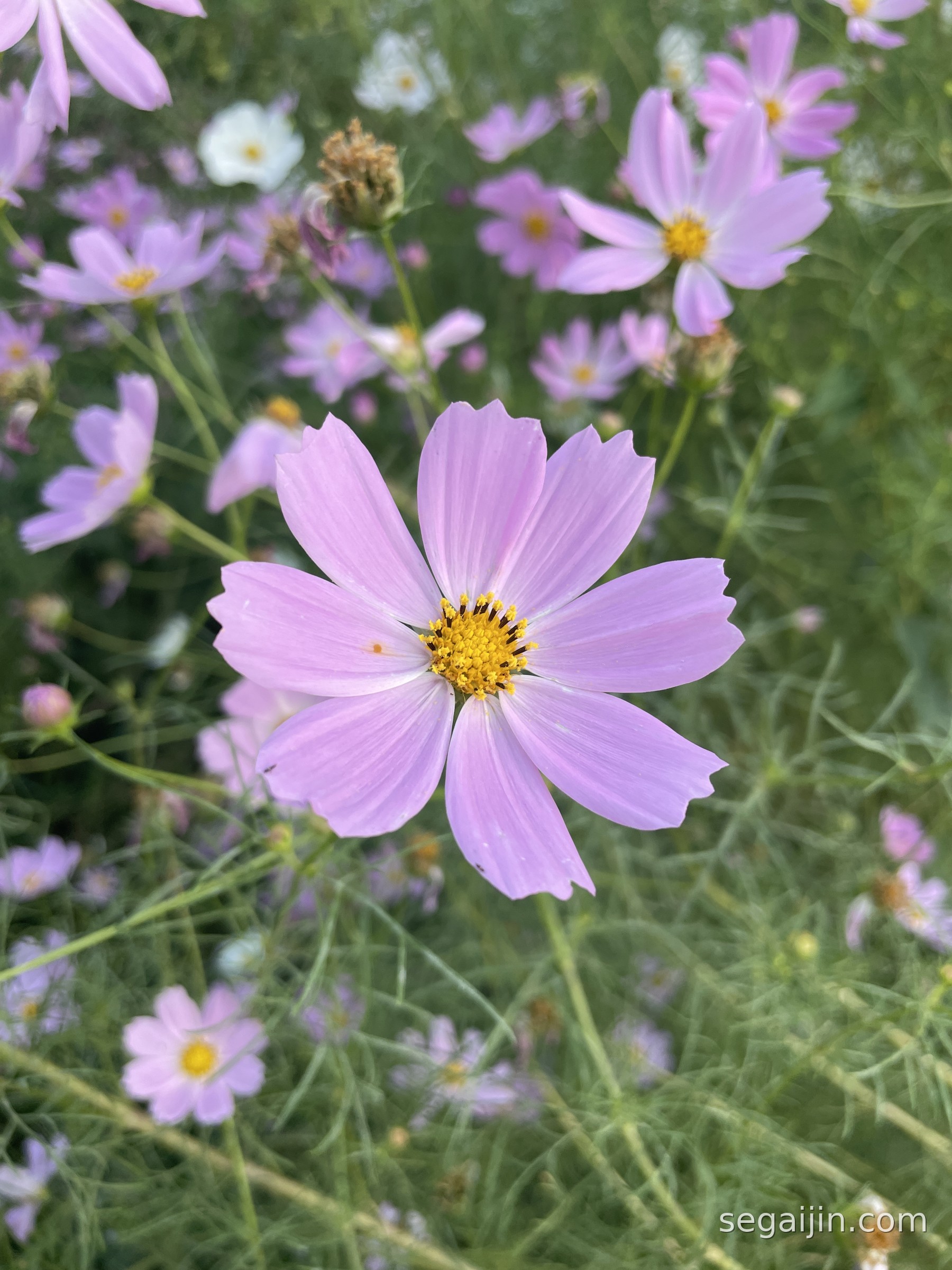
    A soft pink cosmos flower in the garden
    Cosmos blooming in my garden. I wonder if this is what the color “usubeni” looks like? Photo: Segaijin

    The song begins with a color: “usubeni,” a pale crimson, a soft pink with a little red in it. When I first heard that word, I thought, what a graceful way to describe this color. It sounds so grown-up and so gentle. And the way the flower is written, “autumn cherry blossom,” shows such beautiful taste. They really do look like cherry blossoms of autumn.

    There are cosmos in many colors. Yellow and orange ones, called “kiba-na cosmos” (yellow cosmos), bloom in Japan too, and they are lovely. But for this song, I always picture cosmos in exactly this soft pink.

    The song follows a daughter on the day before her wedding, quietly looking at her mother and the time they have shared. The whole song feels like a warm, quiet autumn afternoon.

    By the way, I am a great fan of Masashi Sada, the writer of this song. Every year, I look forward to his programs on NHK around the end of the year and the New Year holidays. His gentle words and melodies feel like a warm light in the middle of winter. Perhaps that is why this song, written by him, stays so close to my heart in autumn.

    Listen

    Here is the song on Spotify:

    If you would like to hear more of her songs on CD, CDJapan ships Momoe Yamaguchi’s complete singles collection worldwide (affiliate link).

    Is there a song that makes you think of a flower or a season where you live?

  • Midori no Machi ni Maiorite (緑の町に舞い降りて) by Yumi Matsutoya: A Song Seen from an Airplane Window

    Some songs feel like looking out of an airplane window. “Midori no Machi ni Maiorite” (緑の町に舞い降りて) is one of them. It is a soft, sparkling song about the view from the sky as you come down toward a town.

    The song

    This song is on the 1979 album “Kanashii hodo Otenki” (悲しいほどお天気) by Yumi Matsutoya (松任谷由実), also known as “Yuming.” She wrote both the words and the music herself.

    The song begins with a view from an airplane window, and it carries the light, open feeling of spring and early summer. It is a gentle song, and the scenery seems to open up as it goes along.

    Why I chose it

    This is a song from the late 70s, and its stylish, airy sound belongs to the world of what people now call “city pop.” If you enjoyed “Chuo Freeway,” I think you will love this one too.

    What I remember

    I love the sound of the name “Morioka” in this song. Every time it comes, it stays in my heart. I have always loved airplanes, so the view from the window, with the shadows of the plane and the clouds, is something I enjoy imagining.

    The lyrics say that the name sounds like the Russian language. That image stayed with me, and I used to wonder, “Does it really sound like that?” Whenever I hear the song, I say the name quietly to myself and listen again.

    Airplanes parked at an airport terminal under a wide cloudy sky, seen across a quiet runway
    Looking out over the airport under a wide sky. Photo: Segaijin

    A few years ago, The New York Times placed Morioka second on its list of 52 places to go in 2023, just after London. When I read the news, I felt so happy, as if a place I had loved quietly for a long time had finally been found by the world. (Source: Unseen Japan)

    Listen

    Also on YouTube Music (official, 2022 mix)

    If you would like to hold the album in your hands, CDJapan ships the CD worldwide (affiliate link).

    Is there a song from the 80s you would like me to cover next? Tell me in the comments.

  • Chuo Freeway (中央フリーウェイ) by Yumi Arai: A Night Drive Song That Feels Like a Runway to the Stars

    Some songs make an ordinary road feel like a story. “Chuo Freeway” (中央フリーウェイ) is one of them. It is a gentle, sparkling song about driving, and it still feels fresh today.

    The song

    “Chuo Freeway” was released on November 20, 1976, on the album “The 14th Moon” (14番目の月). At that time the singer used her maiden name, Yumi Arai (荒井由実). Today many people know her as Yumi Matsutoya (松任谷由実), or simply “Yuming.” She wrote both the words and the music herself.

    The song paints a picture of a drive along a highway, with the scenery passing by on both sides. It is said that she drew on views she had seen many times while growing up. It was never released as a single, but it has become one of her best-loved songs, and people still choose it as a favorite song for driving.

    Why I chose it

    This song is part of the roots of what people now call “city pop.” The sound is light and stylish, and it carries the quiet, sparkling mood of a city at night. If you love city pop, I hope you will enjoy listening to where that feeling began.

    What I remember

    When I drove past the racecourse, I often played this song. The calm, sparkling mood of the music fit the scenery so well. I would listen quietly and gaze at the view, and I felt as if I had become a shooting star.

    The song describes the road as if it were a runway stretching into the night sky. I have always loved airplanes, so this image stayed in my heart. As I listened, I felt as if the road and the sky were connected.

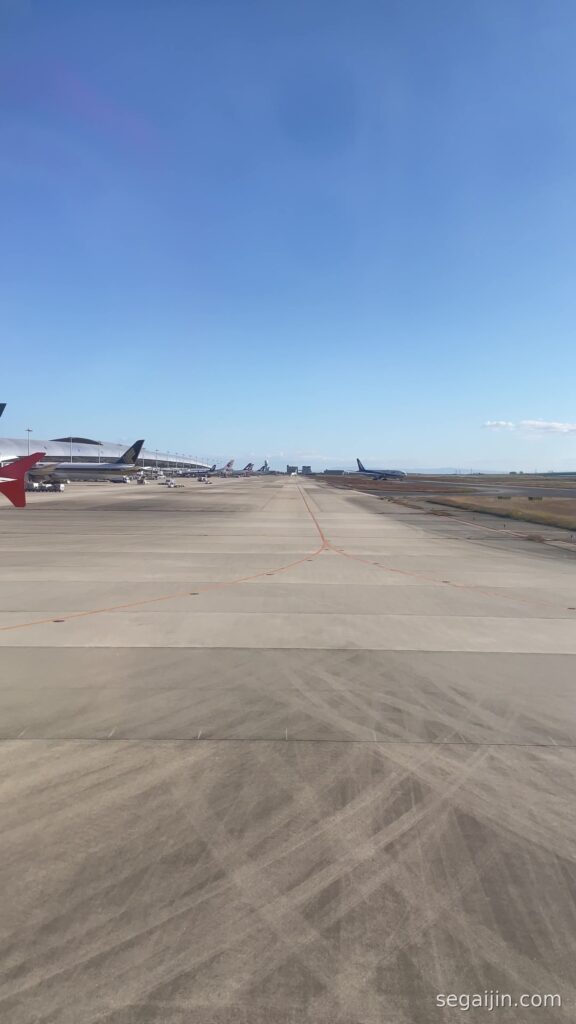
    A long airport runway stretching straight toward the horizon under a wide blue sky
    It is not a night sky, but a runway stretching toward the sky, just like in the song. Photo: Segaijin

    I also love the opening of this song. Even now, when I hear it, it feels bright and gentle, and it takes me right back to the road.

    Listen

    The original recording by Yumi Arai: Spotify / YouTube Music (official)

    The same song, a different color

    A good song can be sung by many voices, and each one gives it a new feeling.

    With Miki Imai (2013): her version feels different. Her voice is pure and crystal clear, like clean, fresh air. Listen on Spotify

    It makes me happy to see a Showa song still loved by new generations.

    You can also find this song on the album “The 14th Moon” (CDJapan, affiliate link):

    Is there a song from the 80s you would like me to cover next? Tell me in the comments.

  • Moshimo Piano ga Hiketanara (もしもピアノが弾けたなら) by Toshiyuki Nishida: The Song from a Warm-Hearted TV Drama

    A song, a TV drama, and a warm-hearted actor.

    Two small white toy pianos, one upright and one grand, among sunflowers in a shop window display
    Little toy pianos among the sunflowers, seen in a shop window. Photo: Segaijin

    The song

    “Moshimo Piano ga Hiketanara” (もしもピアノが弾けたなら) was sung by the actor Toshiyuki Nishida and released on April 1, 1981. It began as an insert song in the second series of the TV drama “Ikenaka Genta 80 Kilo.” At first it was the B-side of the drama’s theme song, “Ii Yume Miroyo.” But viewers loved it so much that it became the theme song instead, and the two sides of the record were swapped.

    The lyrics were written by Yu Aku, and the music was composed and arranged by Koichi Sakata.

    What I remember

    When I think of this song, I think of the drama. It started airing on Nippon TV in 1980, with Mr. Nishida in the leading role. Kaoru Sugita was in it too, playing his daughter. To be honest, I don’t remember much of the story anymore. But I do remember how fresh it felt, even as a child, to hear an actor singing the theme song. I remember thinking, “Wow, he can sing, too!”

    And I have always loved the piano introduction. Its gentle notes still stay in my heart.

    That drama was also where I first got to know Mr. Nishida. Later, when I was a little older, I saw him in the “Tsuribaka Nisshi” (Free and Easy) film series, where he played the lovable Hama-chan. That was when I thought, “What a truly warm person he is.” I still remember that feeling.

    The film series began in 1988 and ran for 22 films, until 2009.

    Listen

    Also on YouTube Music: Moshimo Piano ga Hiketanara (もしもピアノが弾けたなら) by Toshiyuki Nishida

    You can find this song on this album (CDJapan, affiliate link):

    If you would like to know more about Mr. Nishida, here is a book by him (CDJapan, affiliate link):

    Is there a song from the 80s you would like me to cover next? Tell me in the comments.

  • Kaze Tachinu (風立ちぬ) by Seiko Matsuda: A Song About Wind, Flowers and Time

    Some songs you understand right away. Others take a few decades.

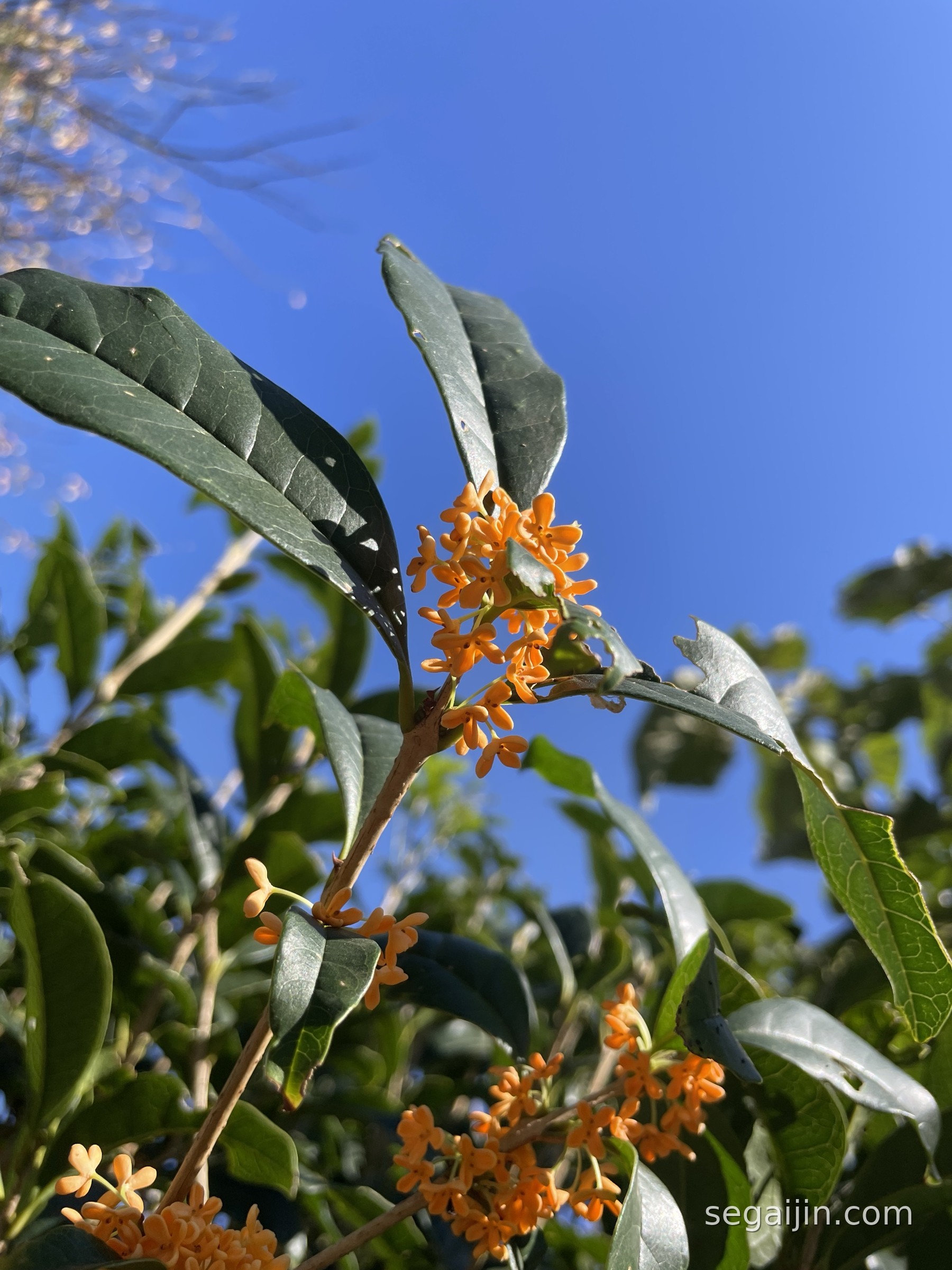
    Orange osmanthus flowers blooming against a clear blue autumn sky
    Osmanthus in bloom, a sign of autumn. Photo: Segaijin

    The song

    “Kaze Tachinu” (風立ちぬ) was released by Seiko Matsuda on October 7, 1981, as her seventh single. The lyrics were written by Takashi Matsumoto, and the music was composed by Eiichi Ohtaki. It was also the title song of her album of the same name, released two weeks later.

    The title is the same as a famous novel by Tatsuo Hori. It means something like “the wind has risen” — the first autumn breeze, when the seasons begin to change.

    Why I chose it

    I wanted a song with a gentle autumn feeling. It is October, the air is turning cooler, and this song came to mind. When the osmanthus blooms, I know autumn has come. Its sweet scent floats on the wind.

    What I remember

    There is one part of this song I never understood, not back then and not today. It mentions violets, sunflowers and freesias together. They bloom in different seasons, so how can they appear at the same moment? I used to laugh about it.

    It took me years to find my own answer. Maybe the song is about the passing of time — many seasons of memories gathered in one moment. I’m not sure. The songwriter has never explained it as far as I know, so this is simply how I read it now.

    What I did understand, even as a girl, was that the song has beautiful words. I loved the way it speaks of writing a letter in “wind ink.” I thought it was such a lovely way to say something, and I still think so today.

    I also learned the word “tabibito” — a traveler of the heart — from this song. Have I grown since then? I’m not sure. But the journey goes on.

    Listen

    Also on YouTube Music: Kaze Tachinu (風立ちぬ) by Seiko Matsuda

    You can find this song on the album “Kaze Tachinu” (CDJapan, affiliate link):

    Is there a song from the 80s you would like me to cover next? Tell me in the comments.