Kawaii & Culture

Cute things and little pieces of Japanese culture: origami, stationery, 100-yen shop finds, and more.

  • Origami by Segaijin: A Paper Flower That Blooms Open

    Welcome to a small new corner of my blog: Origami by Segaijin. Everything here is folded by my own hands, and today I would like to share the piece that people seem to love most.
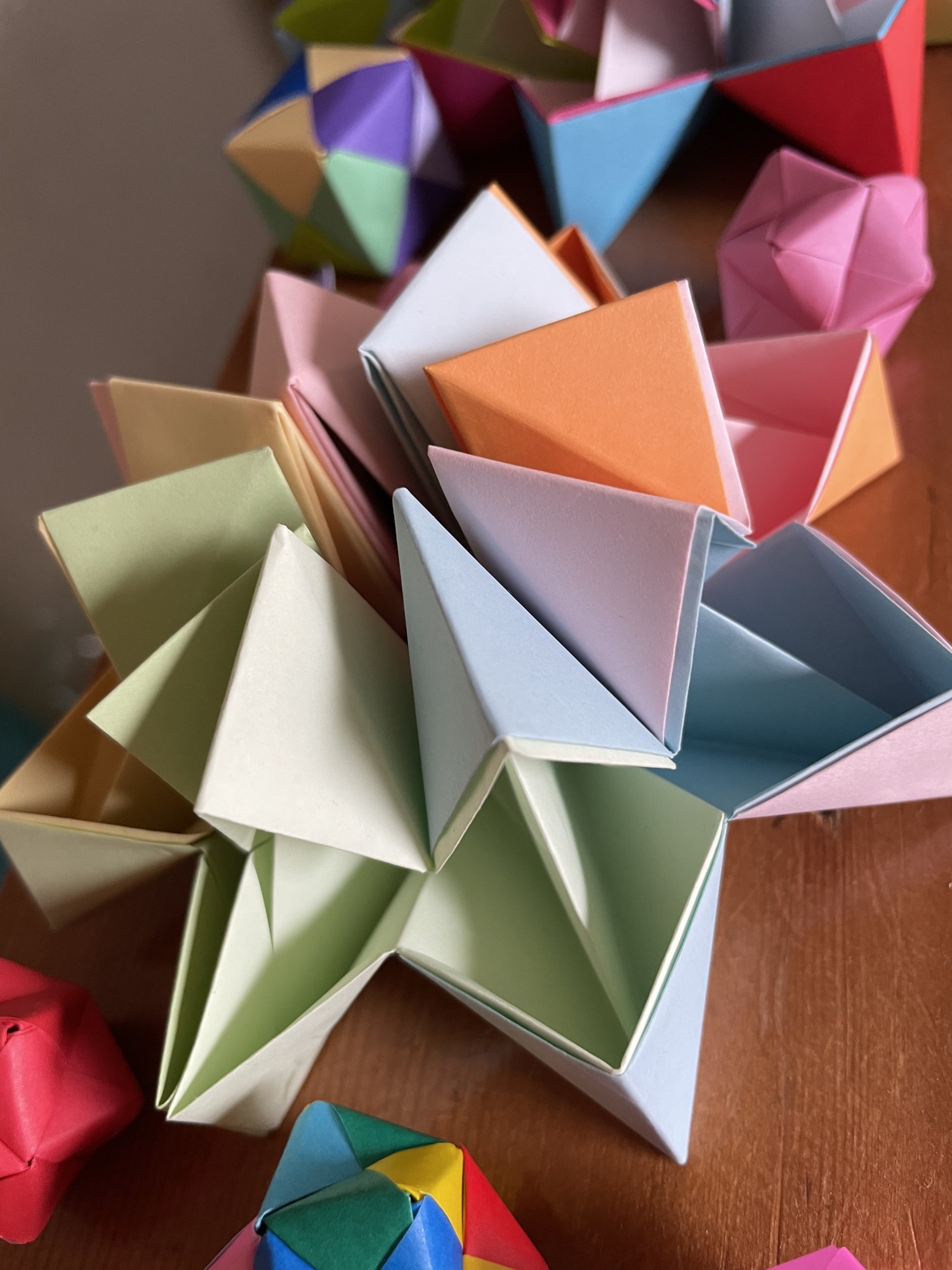
    A blooming paper flower made of folded pastel and bright origami units, handmade by Segaijin
    A paper flower that opens like a blossom, folded by me

    The piece

    It is a flower-like form made from many colored sheets of paper. Each sheet is folded the same way, then the pieces are joined together, and the whole shape slowly opens into petals. When the light touches the folds, you can see soft shadows in every color.

    Why I love it

    Origami begins with just a flat square of paper, and yet it can become something with real depth and character. I like that every fold is simple, but together they make a shape that looks almost like it is blooming. The color combinations are my favorite part: pastel shades beside bright red and blue, like a little garden on the table.
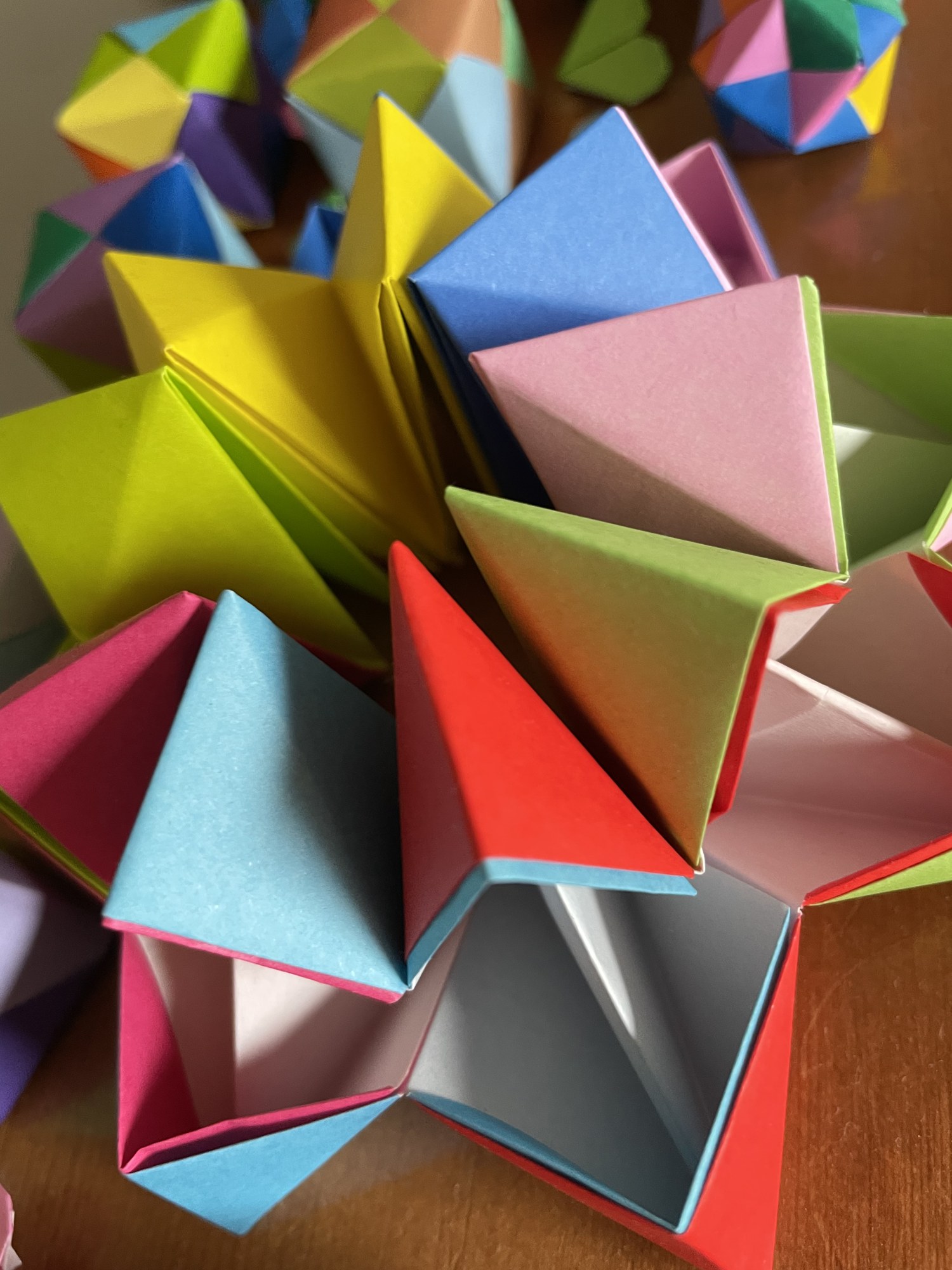
    Close view of the colorful folded origami flower, with red, blue and yellow petals
    A closer look at the petals

    A little note on folding

    If you are new to origami, please do not worry. You can begin with just a few sheets of paper and take your time. The same folds, repeated patiently, can lead to a beautiful result. I hope to share more of my pieces here, little by little.

    If you would like to try more folds, here is an origami book from Japan that comes with an English translation. CDJapan ships worldwide (affiliate link):

    And here is another one, whose title means “Origami of Japan”:

    Nippon No Origami / Yamada Katsuhisa
    Yamada Katsuhisa

    My flower is made by folding many sheets the same way and joining them together. This kind of origami is called “unit origami,” and this book is about exactly that. Its title means “Unit Origami Explained with Photos”:

    And if you would like to fold with lots of colors and patterns, here are two origami papers with good reviews on Amazon Japan. Please check the Amazon page for shipping options to your country (Amazon affiliate links):

    As an Amazon Associate I earn from qualifying purchases.

    I also shared my folded pieces on Pinterest, in a short video filmed from above.

    I hope to share more of my pieces here, little by little. Is there a flower or a color that makes you smile where you live?

  • Kappabashi Kitchenware Street: Japanese Knives, Ceramics & Free Engraving

    Kappabashi Kitchenware Street: Japanese Knives, Ceramics & Free Engraving

    A shopping street that food lovers adore — and one that is always a joy to visit.


    How to Get There

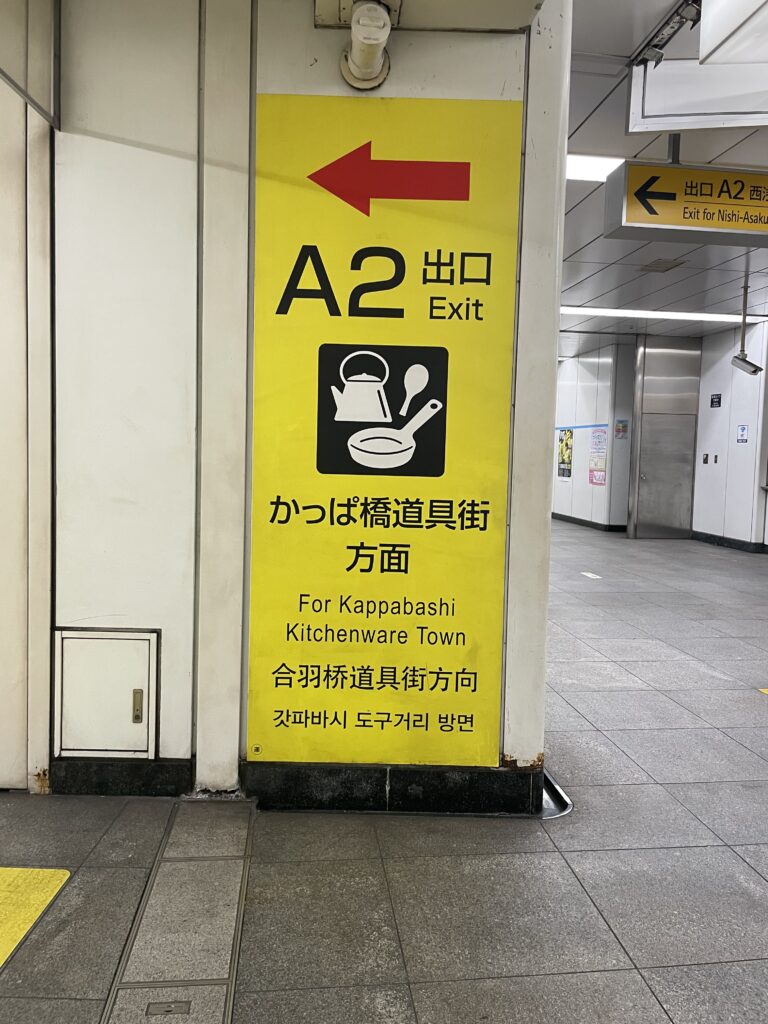
    Exit A2 sign for Kappabashi Kitchenware Town

    Take the Tsukuba Express to Asakusa Station, then follow the yellow signs to Exit A2. You’ll see “For Kappabashi Kitchenware Town” written in English, Japanese, Chinese, and Korean right on the floor.

    From Exit A2, it’s a 7-minute walk. You can’t miss it.

    つくばエクスプレス浅草駅A2出口を出て徒歩7分。床の黄色いサインが目印。


    What Makes Kappabashi Special

    Kappabashi — locals call it Kappa-bashi Dougu-gai — is a 170-meter street packed with over 170 shops selling professional-grade kitchen tools. Chefs from all over Japan shop here. And now, so can you.

    This isn’t a tourist trap. It’s the real thing.

    プロの料理人が買い物に来る本物の道具街。約170店舗が並ぶ。


    Must-Visit: Japanese Knives

    Buy KAI Santoku Knife on Rakuten →

    Japanese knives are world-famous — and Kappabashi is where you buy them.

    You’ll find everything from traditional shops with wooden displays of hand-crafted blades to sleek modern stores like ZAKU Knives, where the design feels more like a concept store than a kitchen shop.

    Prices range from ¥4,100 for a basic knife to tens of thousands for professional chef’s knives. Labels are in both Japanese and English.

    日本の包丁が世界最高品質と言われる理由がここでわかる。¥4,100〜とリーズナブルなものも。


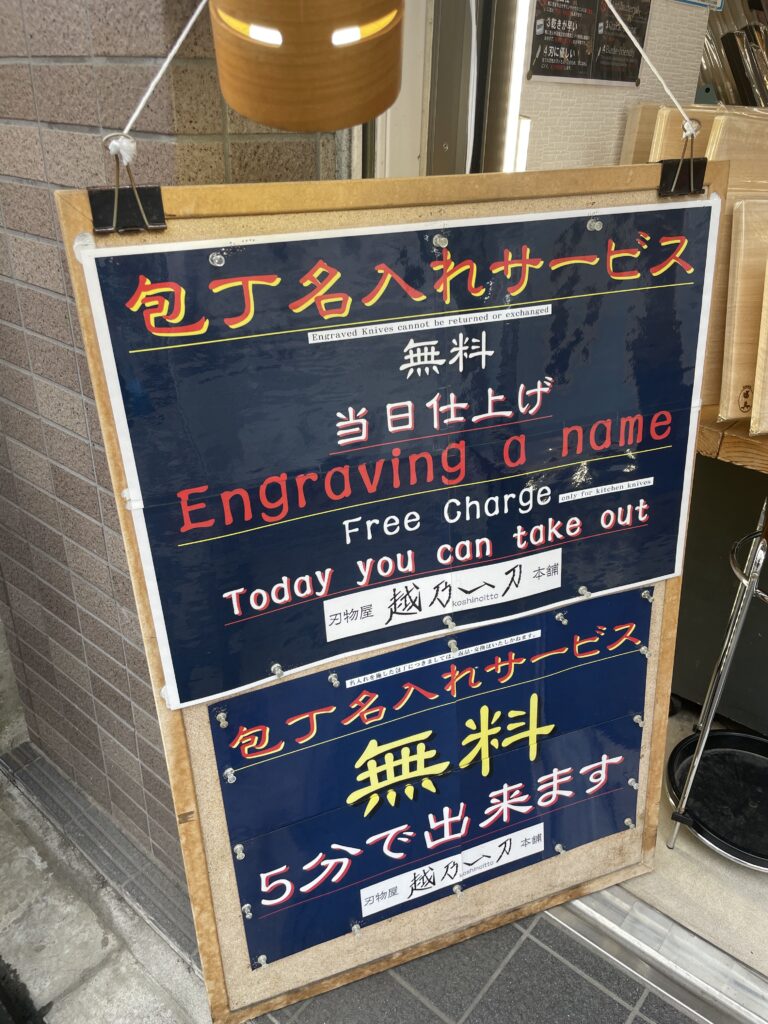
    ⭐ Hidden Gem: Free Knife Engraving — Done in 5 Minutes

    Free knife engraving sign at Kappabashi - done in 5 minutes

    This is the detail most visitors miss — and the one they’ll remember forever.

    Several shops on Kappabashi offer free name engraving on kitchen knives, completed the same day. You can walk out with a personalized Japanese knife in your hands within minutes.

    Look for the sign: “Engraving a name — Free Charge. Today you can take out.”

    It makes the perfect gift. Or keep it for yourself.

    👉 Visit their website for details

    包丁への名入れ無料・当日5分で完成。 お土産にも自分用にも最高のサービス。


    More Than Knives: Ceramics & Tableware

    Kappabashi isn’t only about knives. Look out for shops like Soil, which carries handmade ceramics from regions across Japan — Hasami-yaki from Nagasaki, Mashiko-yaki from Tochigi, Yachimunn from Okinawa.

    Each piece tells a story of Japanese craftsmanship. Prices are reasonable, and the display cases are beautiful enough to photograph.

    包丁だけじゃない。波佐見焼・益子焼・やちむんなど全国の焼き物も揃う。


    Tips for Foreign Visitors

    • Knives in checked luggage only — you cannot bring them in carry-on bags on flights
    • Most shops are open 10am–5pm, closed on Sundays
    • Cash and IC cards are accepted at most shops; some accept credit cards
    • The street is uncrowded on weekday mornings — the best time to visit
    • 包丁は受託手荷物のみ(機内持ち込み不可)
    • 営業時間は10時〜17時、日曜定休が多い
    • 平日午前中が空いていておすすめ

    Getting There / アクセス

    Tsukuba Express — Asakusa Station, Exit A2
    つくばエクスプレス 浅草駅 A2出口


    Have you been to Kappabashi? What did you buy? Let me know in the comments.


    📖 Learn More: The World of Japanese Knives

    Fascinated by Japanese knives? This beautifully illustrated book dives deep into the craft, culture, and history behind Japan’s legendary blades — perfect reading before or after your Kappabashi visit! 👉 The Anatomy of a Japanese Knife (Amazon)

  • 名探偵コナン スタンプラリー 今週末まで!

    コナンの映画🎬公開に合わせて

    JR東日本スタンプラリーがありました!!

    あと東京滞在、2日?あるけど何しようかな〜って思ってる方がいたらオススメです

    全世界でコナン人気ありますから!

    普段行かない普通の街が見れていいかも!!

    オススメの東京近郊観光です♪

    今日のsun sun kawaii JAPONでした!ではまた次回!

    かなりの広範囲 新幹線で長野駅まで!
    聞きたかった〜

    もうプレゼントがなくなってるかも?だとしたら、スタンプラリーと行ったことのない初めての旅を楽しんでくださいね!!美味しい地元グルメグルメがきっとあります‼️

  • Special Event in Japan

    ⭐️成人式Congratulations on reaching adulthood, everyone.Happy Coming of Age Ceremony

    Guiding my recommended trip to those who are planning a trip to Japan.

    Wikipediaより拝借 振袖

    Coming-of-age ceremonies are events in Japan that celebrate new adults, and are held on the second Monday of January each year, known as “Coming-of-Age Day.”

    In 2025, Coming-of-Age Day was on January 13th.

    Currently, due to the amendment of the Civil Code, the age of majority has been lowered to 18, but many local governments still hold coming-of-age ceremonies for those who are 20 years old.

    In Japan, the legal drinking age is 20 years old. Although the legal adult age was lowered to 18 years old in April 2022, the drinking age remains at 20 years old.

    Since the schedule and names may vary depending on the region, it is necessary to check the information from the local government for details.

    成人式の起源は奈良時代の「元服(げんぷく)」と「裳着(もぎ)」。元々は公家や武家の上流階級で行われていた儀式でした。

    現在の形は1946年の「青年祭」。

    新成人が一堂に会して行う成人式の発祥は、1946年、埼玉県の現 蕨市で開催された「青年祭」だと言われています。 

    それが全国に広まり、1949年の1月15日が「成人の日」と制定されました。

    そして1948年に国民の祝日として正式に制定されました。

    アメリカ:の成人年齢は18歳ですが、16歳で「スウィート16」と呼ばれるパーティーが行われるたり、その際ドレスやホテルでのパーティーをするようです。

    中国は18歳が成人。学校で厳粛な儀式が行われるそう。国歌斉唱や宣誓など、日本の卒業式に似た雰囲気のようです。

    ネパールではヒンドゥー教の儀式「バルタマン」が行われ、占いで年齢が決まるため人によって異なるようです。

    韓国: 満19歳を祝う「成年の日」が5月第3月曜日にあり、友人や恋人と過ごすことが一般的のよう。

    国によってそれぞれですが、この日は街中で、特に大きな市町村の公民館など訪れると素敵な晴れ着 振袖のかわいい美しい女子をたくさんみることができます。とってもおすすめのスポットです。

    来年の旅の楽しみに入れてみたらいかがでしょうか。

    The origin dates back to the Nara period with the “genpuku” and “mogi” ceremonies. Originally, it was a ritual performed by the upper class of nobles and warriors.
    The current form dates back to the “Seinen-sai” in 1946.
    The origin of the coming-of-age ceremony where new adults gather together is said to be the “Seinen-sai” held in Warabi City, Saitama Prefecture in 1946. It spread nationwide, and January 15, 1949 was established as “Coming of Age Day.”

    And in 1948, it was officially established as a national holiday.

    In the United States, the age of adulthood is 18, but there are “Sweet 16” parties held at 16, with dresses and parties at hotels.

    In China, adulthood is at 18. A solemn ceremony is held at school. It seems to have a similar atmosphere to Japan’s graduation ceremonies, with the national anthem and pledges.

    In Nepal, the Hindu ritual “Barthaman” is performed, and the age is determined through fortune-telling, so it varies from person to person.

    In South Korea, there is “Coming of Age Day” celebrating the age of 19 on the third Monday of May, and it seems common to spend it with friends or lovers.

    It varies by country, but on this day, you can see many lovely and beautiful young women in gorgeous furisode kimono when visiting places like large public halls in big towns. It’s a highly recommended spot to visit.

    How about including this in your travel plans for next year?

    wikipedia より拝借
  • New Year’s Eve 大晦日: A Year-End Event in Japan

    I am writing about how to spend New Year’s Eve on December 31st for those who have come from overseas.

    大晦日 OHーMISOKA

    Meaning and Origin of New Year’s Eve.


    New Year’s Eve has been a tradition since the 平安時代Heian period (794-1185), and began as a day of preparation for welcoming the 歳神様”Toshigami-sama,” or God of the Year.

    It comes from “Misoka,” which means the last day of the month in the lunar calendar, and represents the end of the year.

    Major New Year’s Eve Traditions
    Japanese people hold the following traditional events on New Year’s Eve:

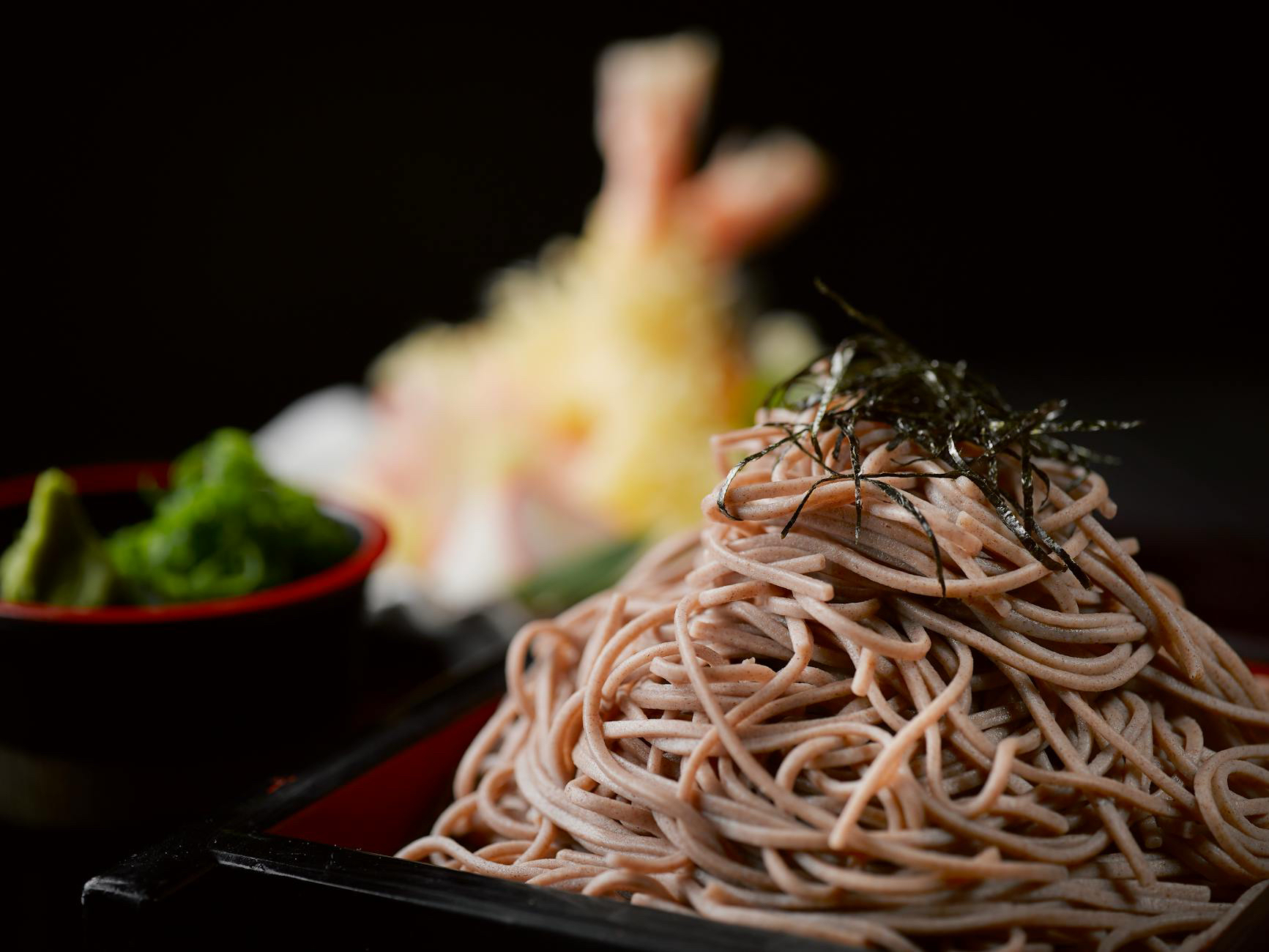
    ①年越し蕎麦 Soba

    New Year’s Eve Soba: to break the hardships of the year and wish for a long life


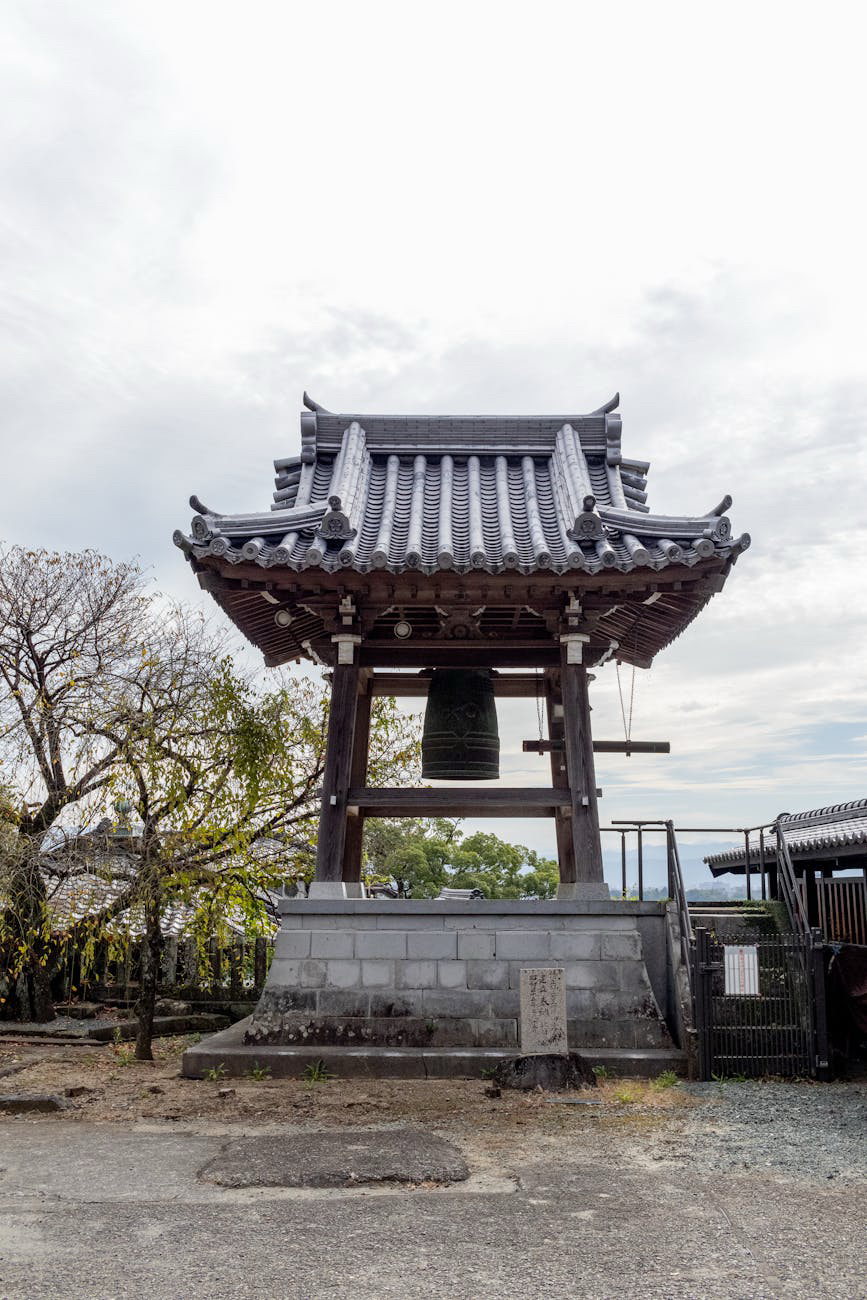
    – Ringing of the temple bell: 108 bells are rung to remove all worldly desires.

    除夜の鐘


    ②Cleaning: Preparation for the New Year

    大掃除

    ③Watching NHK Kohaku Uta Gassen

    NHK紅白歌合戦を観る

    New Year’s Eve is a special day for Japanese people to reflect on the year and welcome the new year with hope.

    Japanese people spend their time in this way. Of course, there are people who work, and each person has various ways of spending their time.

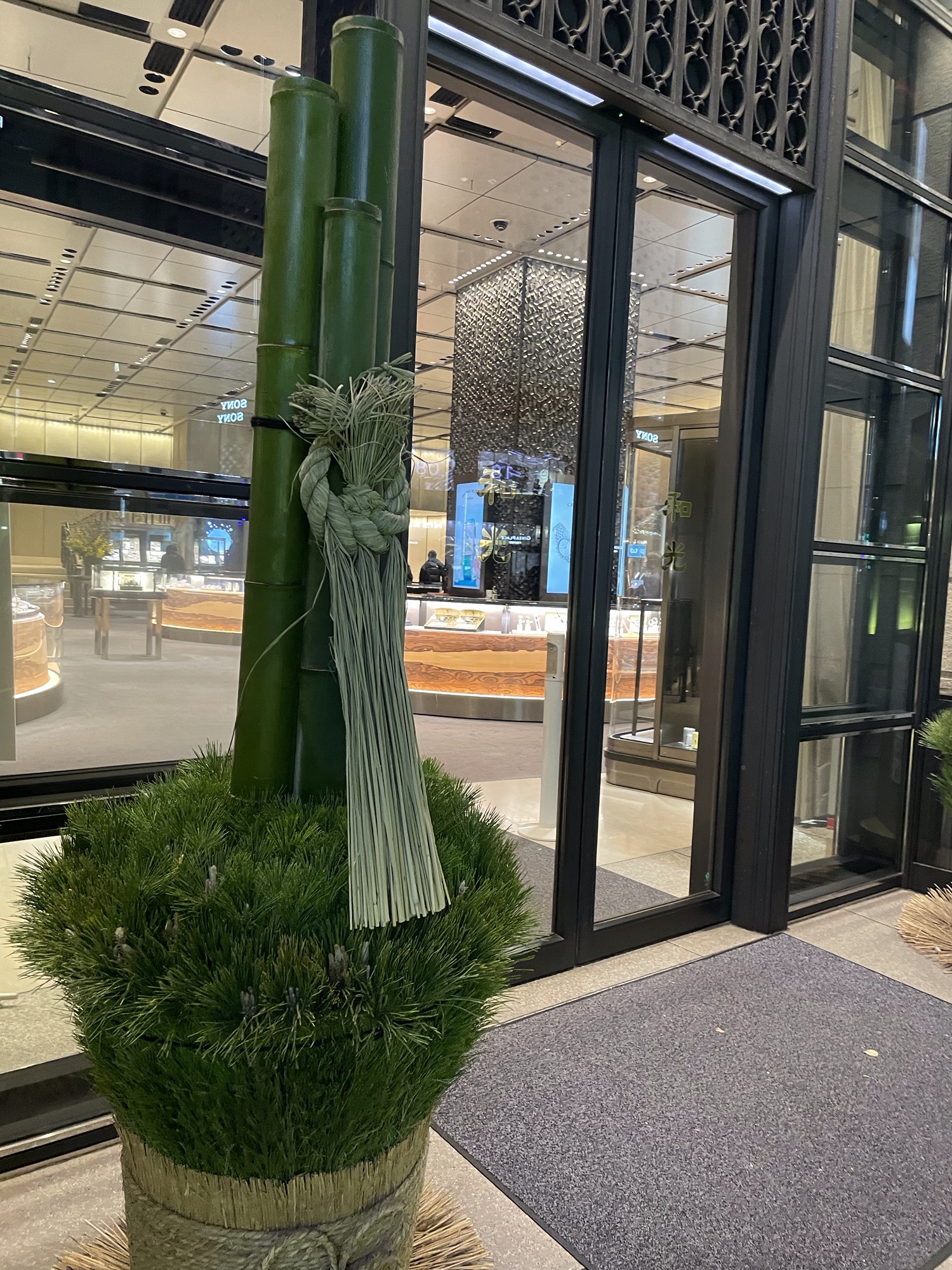
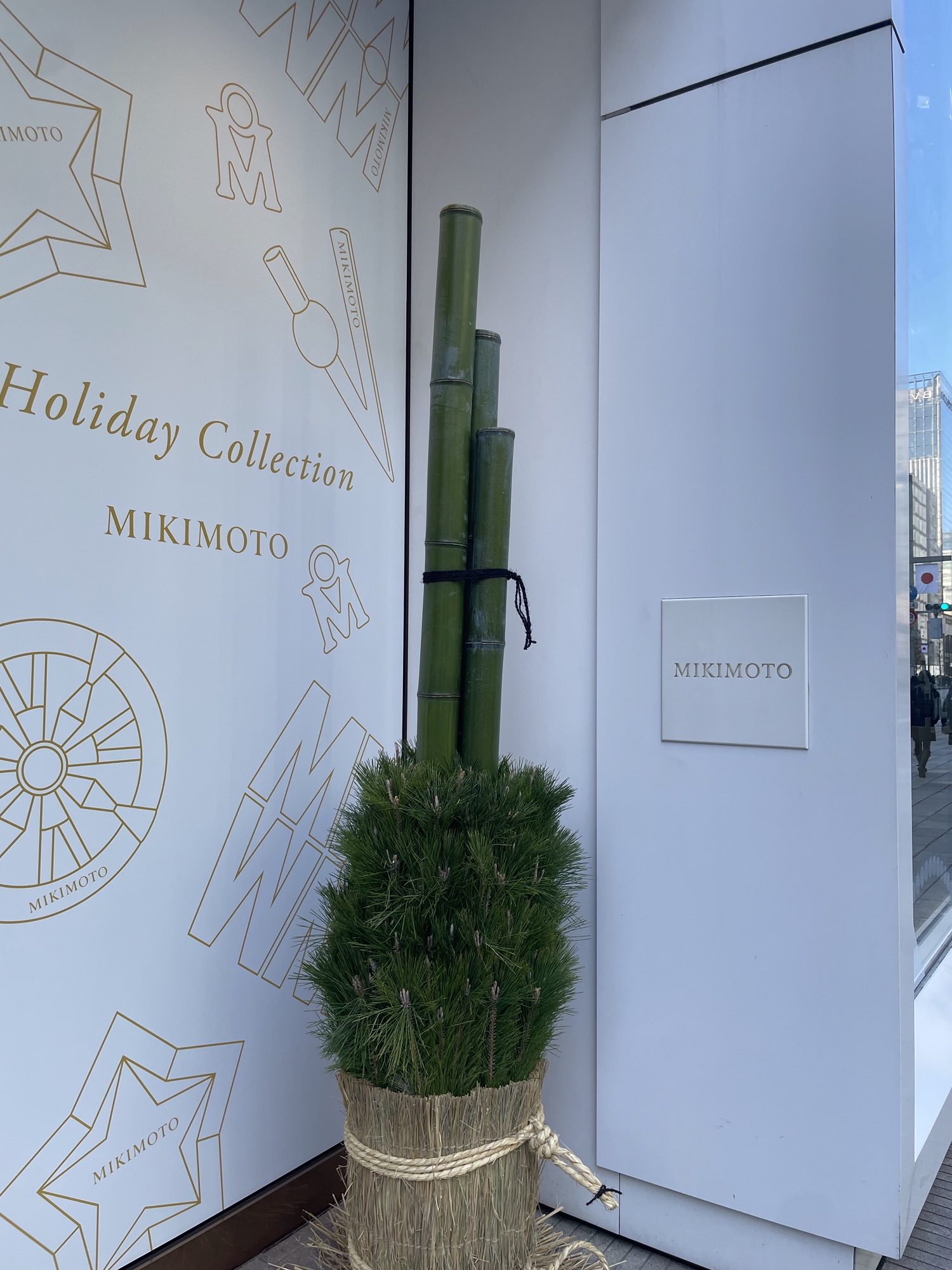
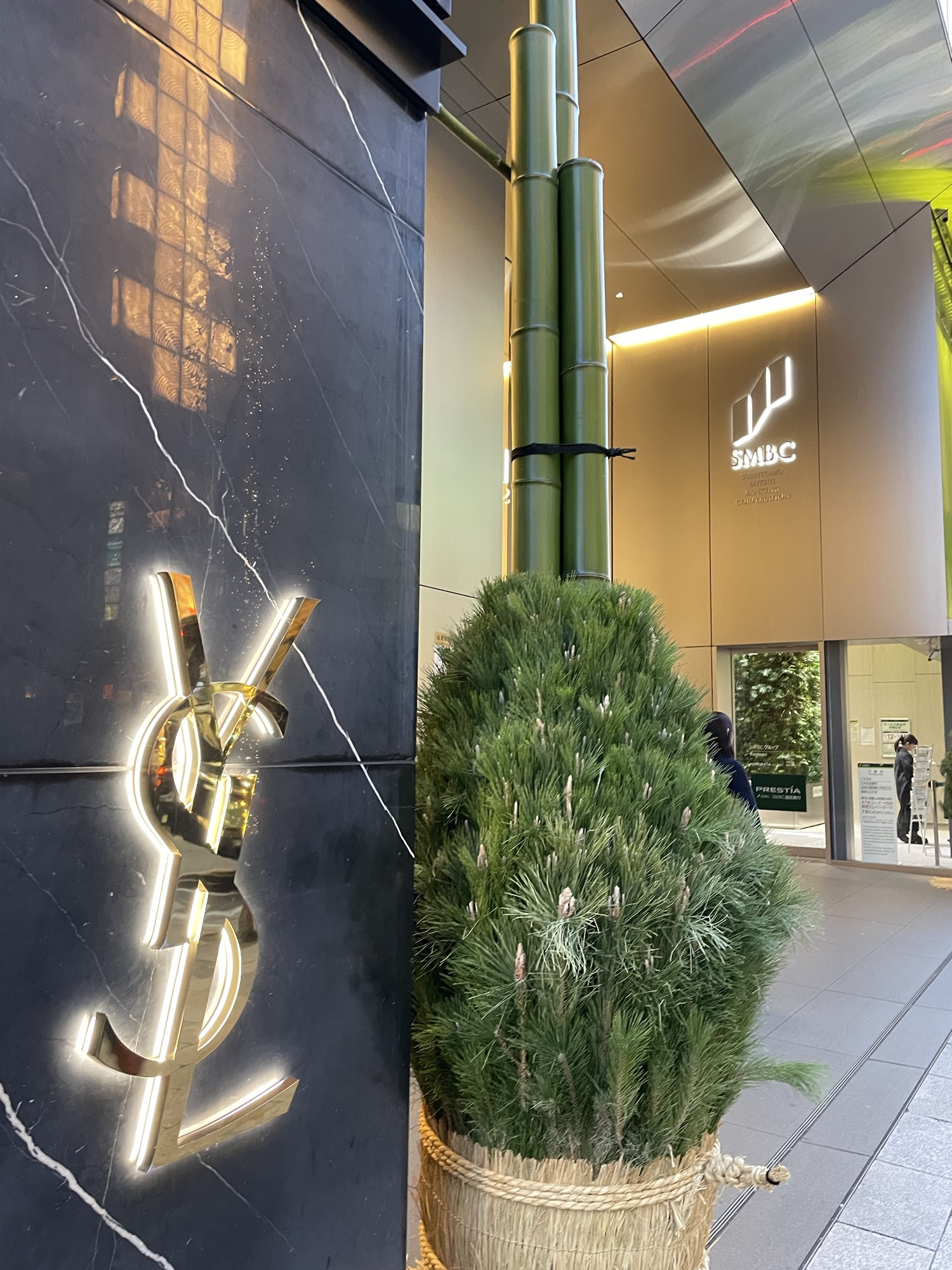
  • Ginza at Year’s End: Kadomatsu 門松 Scenery

    門松 門に松 と書きます。

    https://pin.it/cwd7GvIRE

    https://pin.it/36N7PJmVl


    Kadomatsu is a decoration displayed at the end of the year to welcom the New Year,

    believed to welcome the deity of the year.

    It is generally considered good to set it up from December 25th to 28th,

    and it is avoided on the 29th as “kutamachi” and on the 31st as “ichiyakazari.”

    Kadomatsu is something to be placed at the entrance, and even a simple and modest one is acceptable depending on the circumstances of the region or household.

    By the way, today, !

    12/30!seems to be the last day it’s okay to put it up.

    I’m going to hurry and put it up.

    Removal is generally on January 7th after the end of “matsunouchi,” but it varies by region.

    門松が並んでます

    年末にお正月を迎える準備として飾るもの。

    年神様を迎えるとされています。

    設置には一般的に12月25日から28日までが良いとされています。

    知らなかったです。だから早くから設置するんだ。早いなー!っていつも思ってました💦

    29日は「苦待ち」、31日日は「一夜飾り」として避けられるそうです。

    門松は玄関置くものですが、地域や家庭の事情に合わせて質素な略式のものでも問題ありません。ちなみに今日12/30はギリギリ大丈夫な日のようです。急いでつけようと思います。

    片づける日は「松の内」が終了する1月7日が一般的です。

    地域によってこれは変わるそうです。

    今日のおすすめ日本の風習でした。

  • Harajuku kiddy Land, a center for Cawaii culture: Cute Shopping in Tokyo

    https://pin.it/2hTSCv15t

    Harajuku always has something.
    It’s so cawaii !

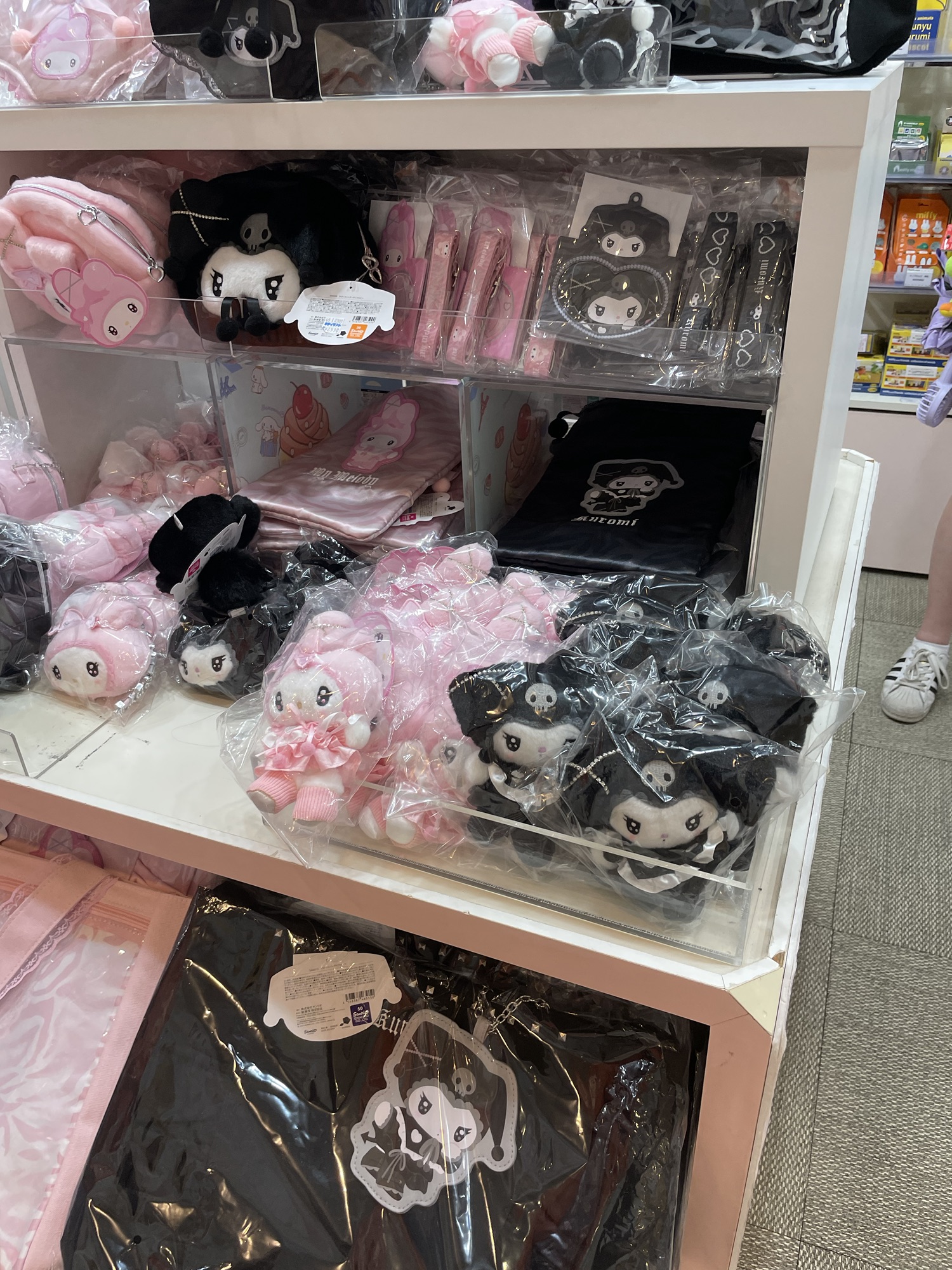
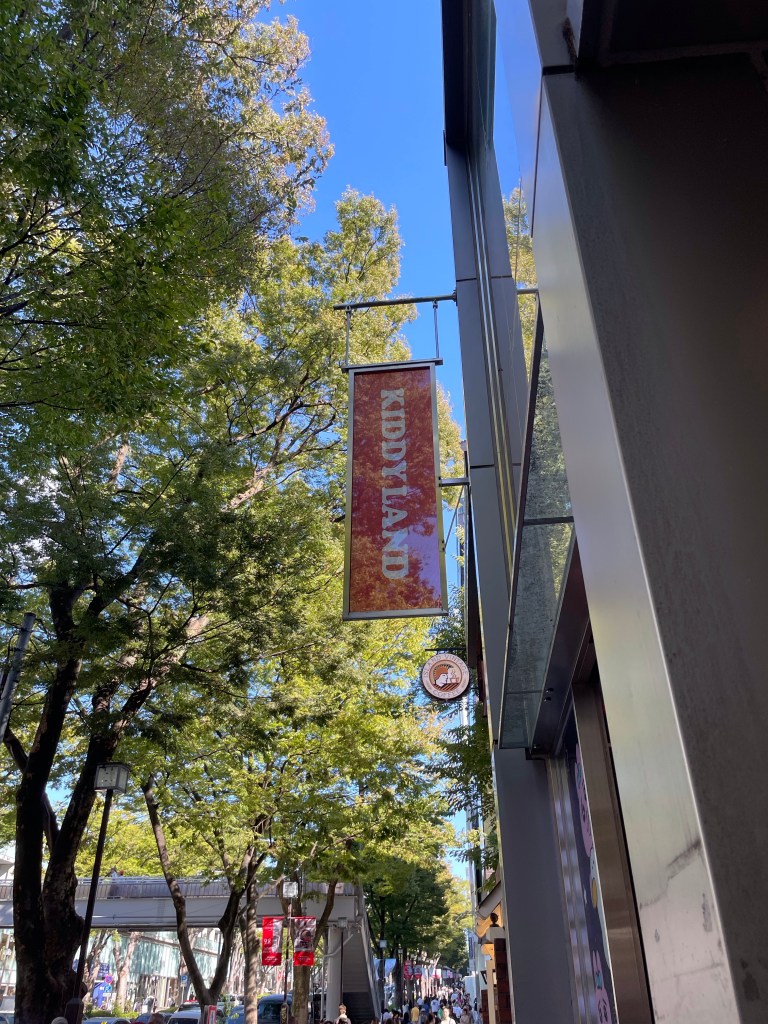
    Character goods on display at Kiddy Land in Harajuku, Tokyo
    Kiddy Land in Harajuku. Photo: Segaijin

    A shop that has been here for a long time

    Kiddy Land began in 1950 as a small bookshop in the Harajuku and Omotesando area. Today it is one of the best-loved character shops in Tokyo, a place where children and grown-ups both stop to smile.

    Finding it

    The shop is on Omotesando Avenue, in Jingumae. It is about a three-minute walk from Meiji-jingumae Station, and about seven minutes from the Omotesando exit of JR Harajuku Station. Opening hours and the contents of each floor can change, so please check the official website before you visit.

    Why I love going

    Whenever I go, I end up looking at everything. Each floor has its own little world, and every time I pass through, something is new: a seasonal display, a new character, a new color. It never feels the same twice, and that is the reason I want to visit again and again.

    I took the photo above in the summer of 2024. From now on, I would like to take a photo from the same corner every year, and quietly watch how this little town of characters changes with the seasons.

    A small note for travelers

    If you are visiting Tokyo, Kiddy Land is easy to enjoy even in a short time, because it sits right on the way between Harajuku and Omotesando. It is lovely to look around, even if you do not buy anything.

    Is there a shop from your childhood that still makes you smile when you walk by?

  • Capsule Toys ガチャガチャ: Cute Shopping in Japan

    One of the reasons to come to Japan is for the gacha-gacha, which is a very cawaii cultural exchange.

    Ikebukuro Tokyo

    GACHA®” (capsule toys) were imported from the U.S. in 1965 by Penii Shokai (now Penii).

    Penii was the first company in Japan to install Gacha machines.

    ガチャは最初アメリカから輸入されて日本へ

    葛飾区のペニーという会社が初めて

    こんなに人気になるなんて!思わなかったんじゃないかな

    As the first company to install Gacha machines in Japan, PENII designated February 17, the anniversary of the company’s founding, as “Gacha Day.

    The company has established the “Gacha Day.

    Gacha Day” is celebrated in the hope that Gacha will be loved by a wide range of people, from children to adults, and that more people will become aware of its appeal.

    The capsule toy brand is popularly known by the trademark “GACHA®.Currently, the company launches approximately 40 to 60 types of toys every month, 600 types per year

    The company has launched more than 1,000 new products, which are enjoyed by people of all ages and genders.

    The year 2024 mark the 59th anniversary of GACHA® in Japan, and the two companies will look back on the history of GACHA® and compile photos and materials from that time in anticipation of its 60th anniversary next year.

    February 17 今年ガチャ59歳の誕生日

    ガチャ還暦!

    See you in next Cawaii Japan!

  • Children’s New Year Calligraphy at Meiji Jingu: Words That Made Me Want to Pick Up a Brush

    A quiet first visit of the year

    In January, I visited Meiji Jingu for hatsumode, the first shrine visit of the new year. The big trees, the wooden halls, and the clear winter sky make this one of my favorite places in Japan.

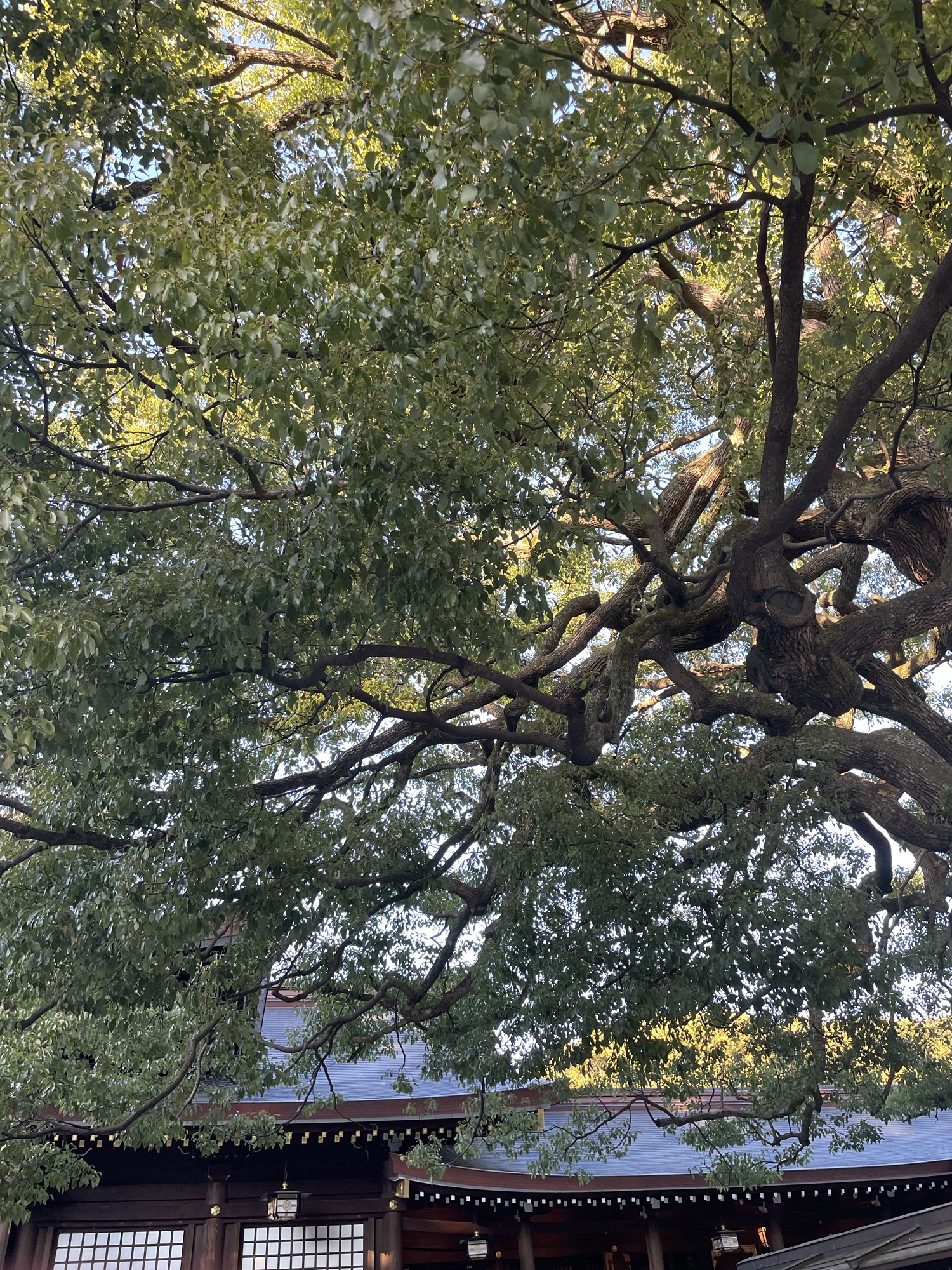
    Large tree branches above a wooden hall at Meiji Jingu Shrine in Tokyo
    Old trees and a shrine hall at Meiji Jingu. Photo: Segaijin
    Wooden ceiling beams under the roof at Meiji Jingu Shrine
    Warm wooden beams under the shrine roof. Photo: Segaijin

    Words written by children

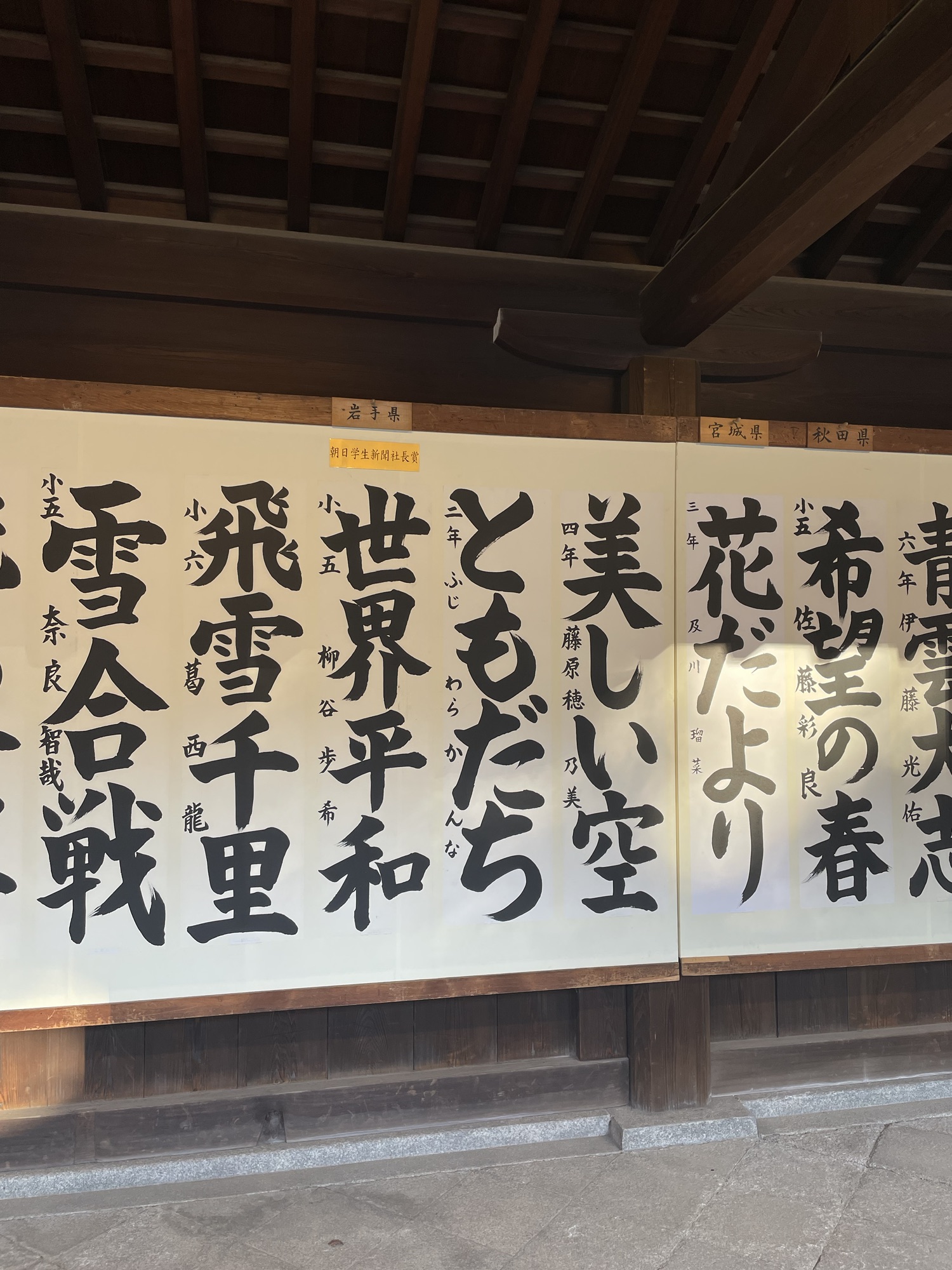
    Inside the shrine grounds, I came across a long row of calligraphy written by children from all over Japan. Each work had the child’s name and grade written beside it, and every brushstroke was bold and full of energy.

    Children's New Year calligraphy displayed at Meiji Jingu, with the words Beautiful sky, Friends and World peace
    Children’s calligraphy displayed at Meiji Jingu. Photo: Segaijin

    A few of the words I could read:

    • 美しい空 (Utsukushii sora): “Beautiful sky”
    • ともだち (Tomodachi): “Friends”
    • 世界平和 (Sekai heiwa): “World peace”
    • 花だより (Hana dayori): “News of blossoms,” a gentle way of saying that spring flowers are on their way

    What is kakizome?

    Kakizome (書き初め) means “the first writing” of the new year. In Japan, many people, especially children, write a word or a short phrase with a brush and ink at the beginning of the year, as a wish for the months ahead.

    Why it touched me

    I studied calligraphy until I finished high school. Seeing these children’s bold, bright brushstrokes made me want to pick up a brush again. Their words were simple, but they felt very strong: sky, friends, peace.

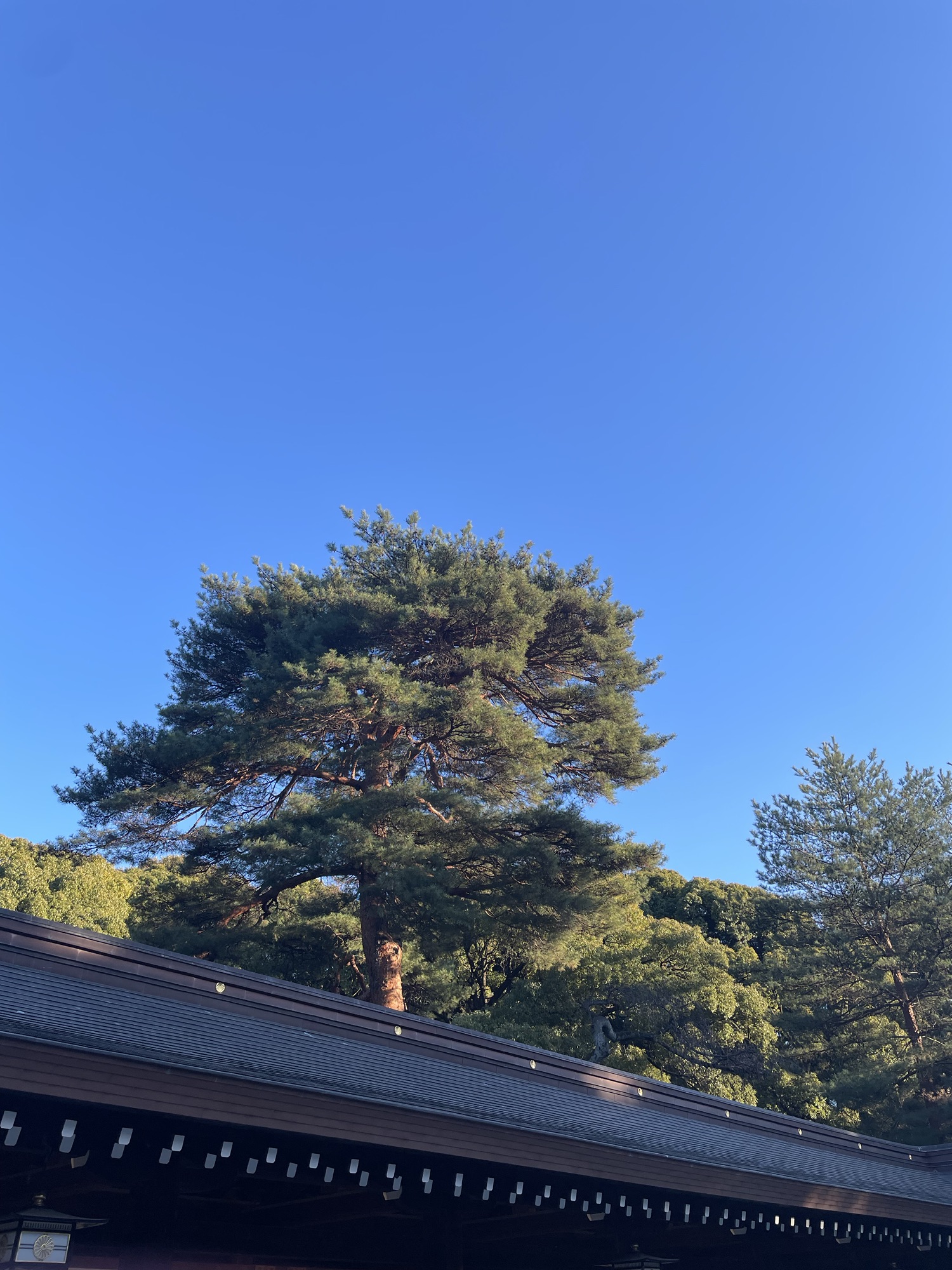
    Clear blue winter sky above Meiji Jingu Shrine
    A clear blue sky on the day of my visit. Photo: Segaijin

    If you would like to visit

    Meiji Jingu is a quiet, beautiful place that I love to visit. If you would like to spend a relaxed half day around Meiji Jingu and Harajuku, you can book a cultural experience online on Klook (affiliate link).

    What word would you write in your heart at the beginning of a new year?

  • 「星のカービィ」Kirby at Kiddy Land: Cute Shopping in Japan

    迷っちゃう

    https://pin.it/Qw5uOhr

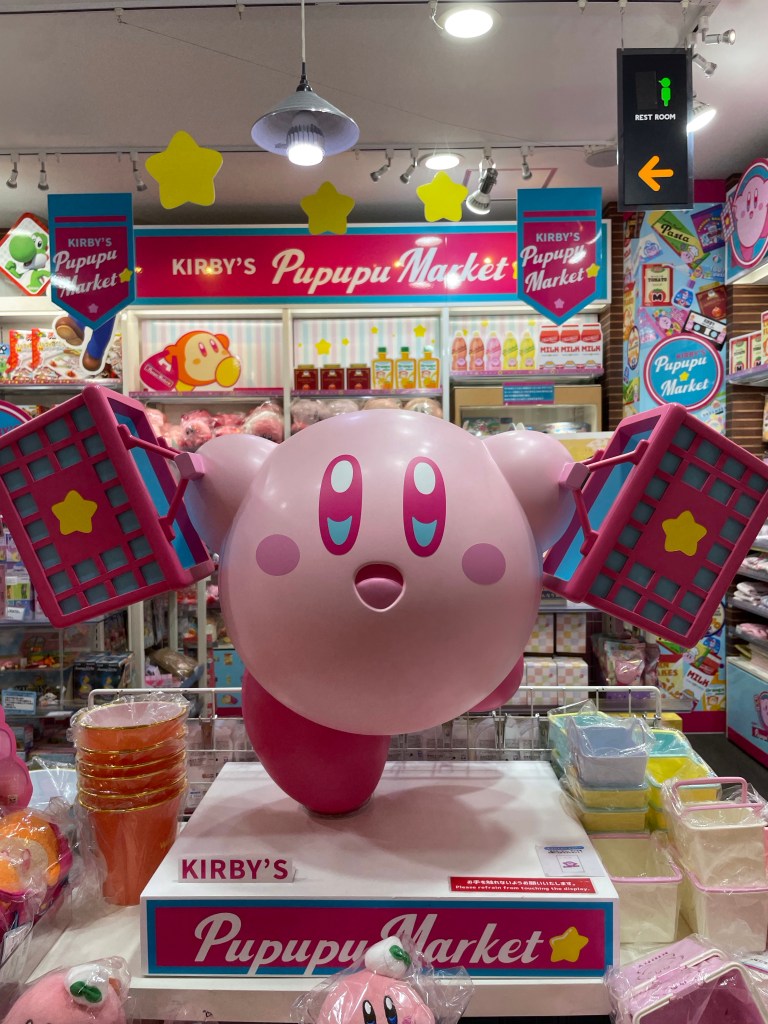
    A cawaii ピンクの traveler

    who came to Pupupuland

    with the spring breeze

    That’s Kirby.

    かわいい❤️

    Kiddy Land at 表参道

    https://www.kiddyland.co.jp/harajuku/


    Always full of cawaii characters!
    I get lost in them!

    https://www.kirby.jp/character/kirby/