Blog 

  • Two Hours in Ikebukuro: Ramen, Then a Whole Building of Anime

    Ikebukuro is a great place to enjoy for just a few hours. This time I stopped for a bowl of ramen first, and then went looking for anime goods. Here is the ramen part of my little trip.

    Ramen at Tonchin (屯ちん)

    I went to the Ikebukuro West Exit branch of Tonchin (屯ちん), a ramen shop that serves Tokyo-style tonkotsu (pork bone) ramen. The tonkotsu soup was delicious. It was around 3 p.m., a time when I thought it might be quiet, but every seat was full and some people were waiting outside. I also saw visitors from abroad enjoying their ramen, which made me feel happy.

    The shop is open 24 hours a day, which is so helpful when you are traveling and your schedule is not fixed. Most people spend about 1,000 to 2,000 yen per person. (Please check the latest information before you go.)

    Tonchin started here in Ikebukuro, and there are two branches in the area: the main branch and the West Exit branch. The West Exit branch is just a short walk from the station. Long ago, there were also branches in Kabukicho and Akasaka, and I used to go there often. So this bowl brought back many warm memories for me.

    It is the kind of place where your feet seem to carry you naturally after an evening of drinking. And being open 24 hours is a joy even in the middle of a trip, whatever your schedule may be. This branch is close to the station and easy to find, so it is a comfortable place for visitors, too.
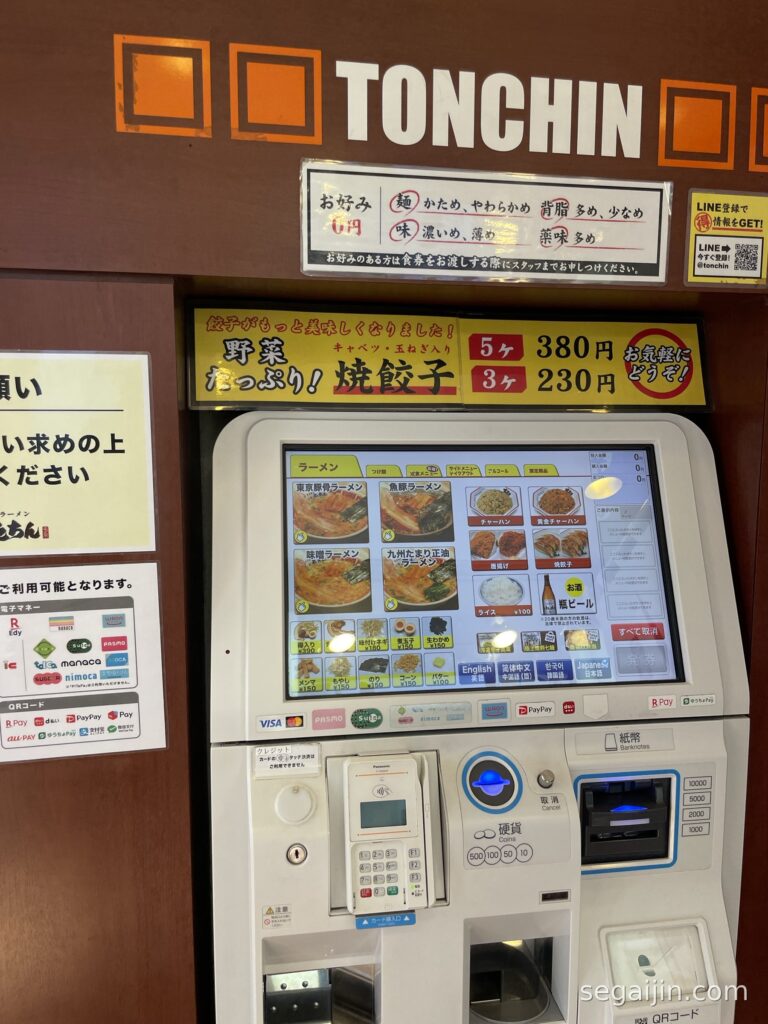
    A ramen ticket machine with an English language button, a menu with ramen photos, and a sign advertising gyoza
    The ticket machine has an English button, so ordering is easy. Photo: Segaijin

    How to order

    You buy a meal ticket from the machine at the entrance, then hand it to the staff. The machine has an English button, and it takes cash, cards, transit IC cards and QR payments. If you like, you can ask for small changes at no extra cost, such as firmer or softer noodles, richer or lighter soup, more or less back fat, or more toppings of chopped green onion. Just tell the staff when you give them your ticket.

    There are side dishes, too. Gyoza (dumplings) are 230 yen for 3 pieces or 380 yen for 5 pieces. Many people were also ordering fried chicken or a bowl of rice with their ramen.
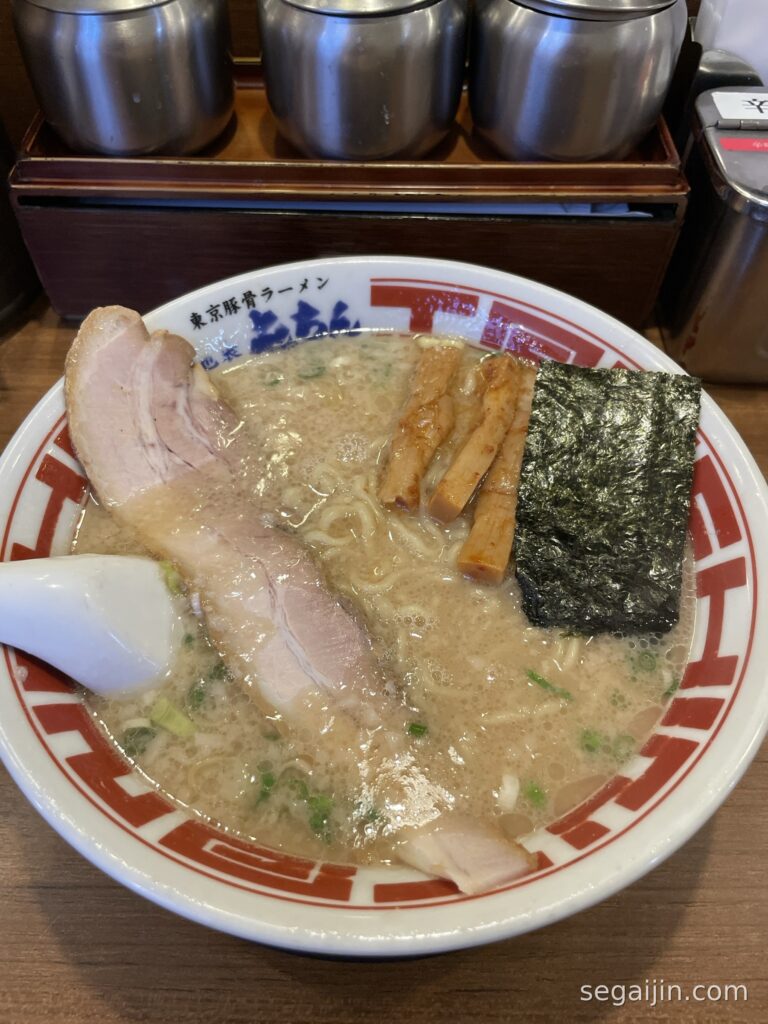
    A bowl of Tokyo-style tonkotsu ramen with a thick slice of pork, bamboo shoots and a sheet of nori
    A bowl of Tokyo-style tonkotsu ramen. Photo: Segaijin

    At the counter

    Because this is Tokyo-style tonkotsu, there was no red pickled ginger, but there was spicy pickled mustard greens (karashi takana). On the counter you will also find house-made chili oil, garlic and doubanjiang (a spicy bean paste). Please be careful if you do not like spicy food. A little at a time is a good way to try them.
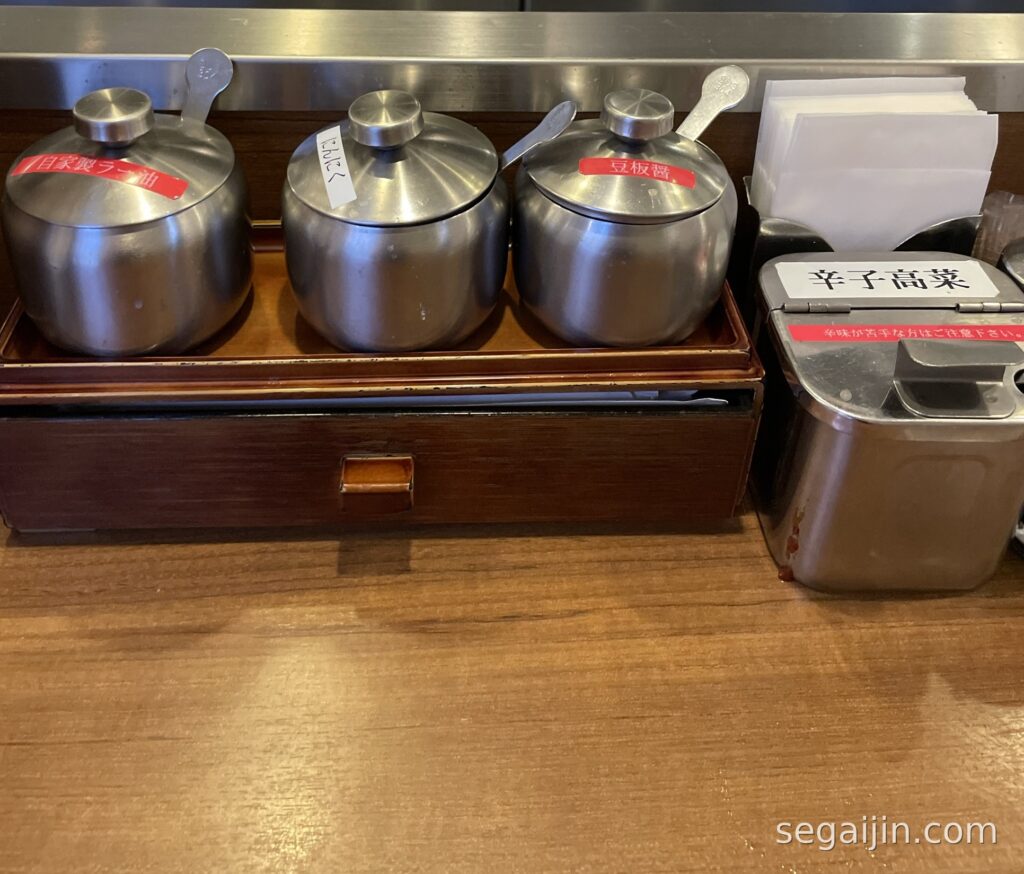
    Counter condiments at a ramen shop: house chili oil, garlic, doubanjiang and spicy pickled mustard greens
    Chili oil, garlic, doubanjiang and spicy pickled mustard greens on the counter. Photo: Segaijin

    Then, Animate Ikebukuro Main Store

    After the ramen, I walked over to Animate, one of the best-known anime and manga shops in Japan. The main store is about five minutes on foot from the East Exit of Ikebukuro Station, and the building has ten floors, so it is a lovely place to spend an hour or two.

    A few floors to know about: the 1st floor has character goods and a café, the 2nd floor has manga, light novels and capsule toys, the 4th floor has apparel and household goods inspired by anime, the 5th floor has trading goods, straps and key chains, and the 6th floor has CDs, DVDs, Blu-rays and games.

    The shop is open from about 10:00 to 21:00. Floors and events change from time to time, so please check the official website before you go.

    I could happily stay here all day. I had also hoped to visit Sunshine City to see the Pokémon goods and the capsule toy machines, but by the time I had explored Animate from the bottom floor to the top, the hours had slipped away. Sunshine City will be my next visit.

    If you would like to visit the Sunshine Aquarium there, you can buy your ticket online on Klook (affiliate link).

    For anime music fans

    For anime music fans, this album by voice actress and singer Nao Toyama is a gentle listen. CDJapan ships worldwide (affiliate links):

    If you enjoy watching anime at home, That Time I Got Reincarnated as a Slime, Season 4 is also available at CDJapan (affiliate links):
  • Cosmos (秋桜) by Momoe Yamaguchi (Words & Music: Masashi Sada): A Gentle Autumn Song for the Flowers in My Garden

    In autumn, soft pink cosmos flowers begin to sway in my garden. Every year, when I see them, this is the song that comes to my mind.

    The song

    “Cosmos (秋桜)” is a song by Momoe Yamaguchi, released in 1977. It was written and composed by Masashi Sada, a singer-songwriter known for his gentle, story-like songs. The title uses the characters for “autumn” and “cherry blossom,” and they are read as “cosmos.” I learned how to write the word this way from this very song.

    Why I chose it

    This is not city pop, and it is not an 80s idol song. It is a quiet idol ballad from the late 1970s. Still, I wanted to share it because it shows another soft side of Showa music: a calm autumn day, a gentle melody, and feelings that are not spoken out loud.

    What I remember

    The cosmos in my garden bloom every autumn, and when they do, I think of this song. The flowers are delicate, but they keep swaying in the wind and stand tall.

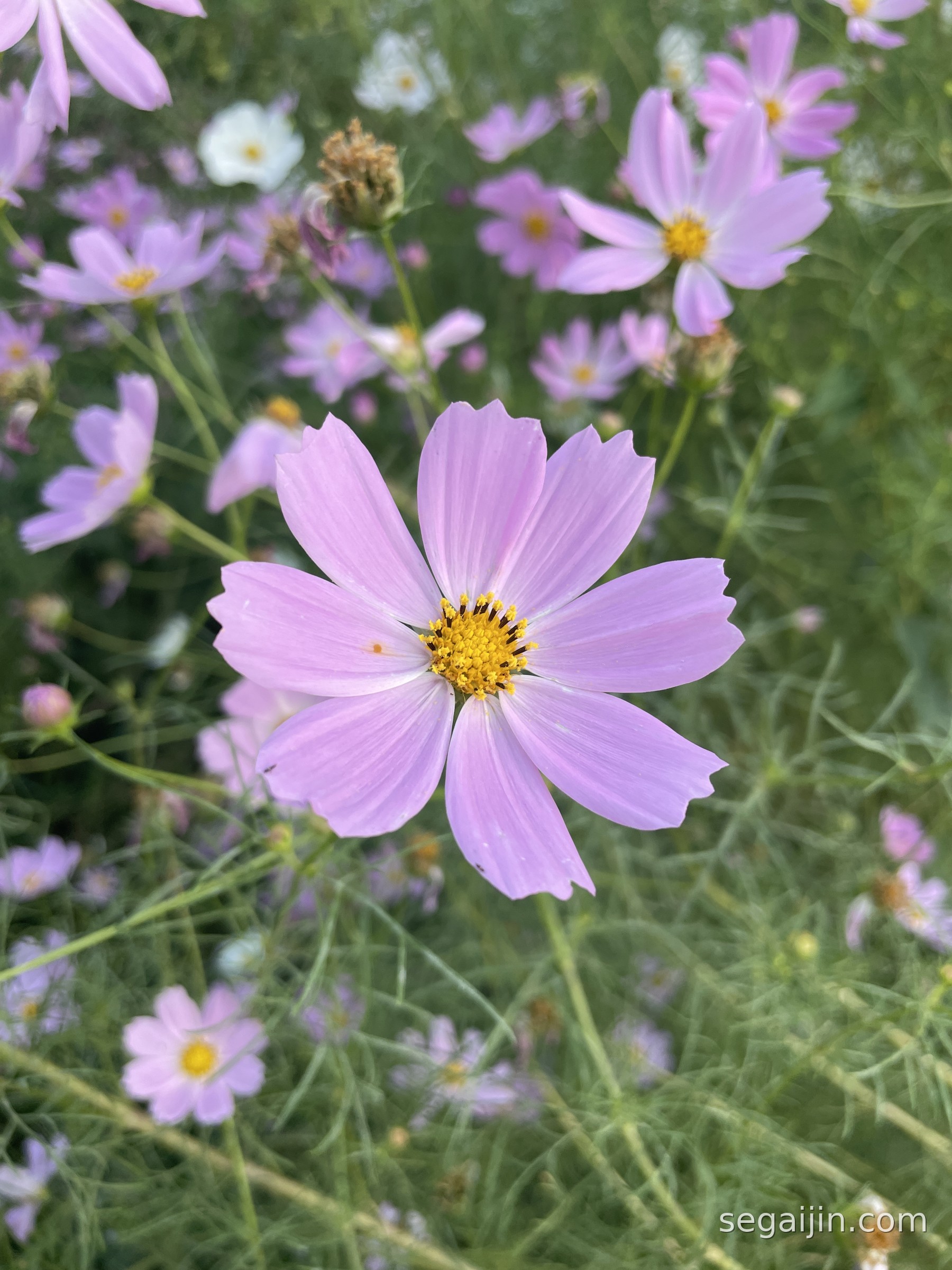
    A soft pink cosmos flower in the garden
    Cosmos blooming in my garden. I wonder if this is what the color “usubeni” looks like? Photo: Segaijin

    The song begins with a color: “usubeni,” a pale crimson, a soft pink with a little red in it. When I first heard that word, I thought, what a graceful way to describe this color. It sounds so grown-up and so gentle. And the way the flower is written, “autumn cherry blossom,” shows such beautiful taste. They really do look like cherry blossoms of autumn.

    There are cosmos in many colors. Yellow and orange ones, called “kiba-na cosmos” (yellow cosmos), bloom in Japan too, and they are lovely. But for this song, I always picture cosmos in exactly this soft pink.

    The song follows a daughter on the day before her wedding, quietly looking at her mother and the time they have shared. The whole song feels like a warm, quiet autumn afternoon.

    By the way, I am a great fan of Masashi Sada, the writer of this song. Every year, I look forward to his programs on NHK around the end of the year and the New Year holidays. His gentle words and melodies feel like a warm light in the middle of winter. Perhaps that is why this song, written by him, stays so close to my heart in autumn.

    Listen

    Here is the song on Spotify:

    If you would like to hear more of her songs on CD, CDJapan ships Momoe Yamaguchi’s complete singles collection worldwide (affiliate link).

    Is there a song that makes you think of a flower or a season where you live?

  • Midori no Machi ni Maiorite (緑の町に舞い降りて) by Yumi Matsutoya (Words & Music: Yumi Matsutoya): A Song Seen from an Airplane Window

    Some songs feel like looking out of an airplane window. “Midori no Machi ni Maiorite” (緑の町に舞い降りて) is one of them. It is a soft, sparkling song about the view from the sky as you come down toward a town.

    The song

    This song is on the 1979 album “Kanashii hodo Otenki” (悲しいほどお天気) by Yumi Matsutoya (松任谷由実), also known as “Yuming.” She wrote both the words and the music herself.

    The song begins with a view from an airplane window, and it carries the light, open feeling of spring and early summer. It is a gentle song, and the scenery seems to open up as it goes along.

    Why I chose it

    This is a song from the late 70s, and its stylish, airy sound belongs to the world of what people now call “city pop.” If you enjoyed “Chuo Freeway,” I think you will love this one too.

    What I remember

    I love the sound of the name “Morioka” in this song. Every time it comes, it stays in my heart. I have always loved airplanes, so the view from the window, with the shadows of the plane and the clouds, is something I enjoy imagining.

    The lyrics say that the name sounds like the Russian language. That image stayed with me, and I used to wonder, “Does it really sound like that?” Whenever I hear the song, I say the name quietly to myself and listen again.

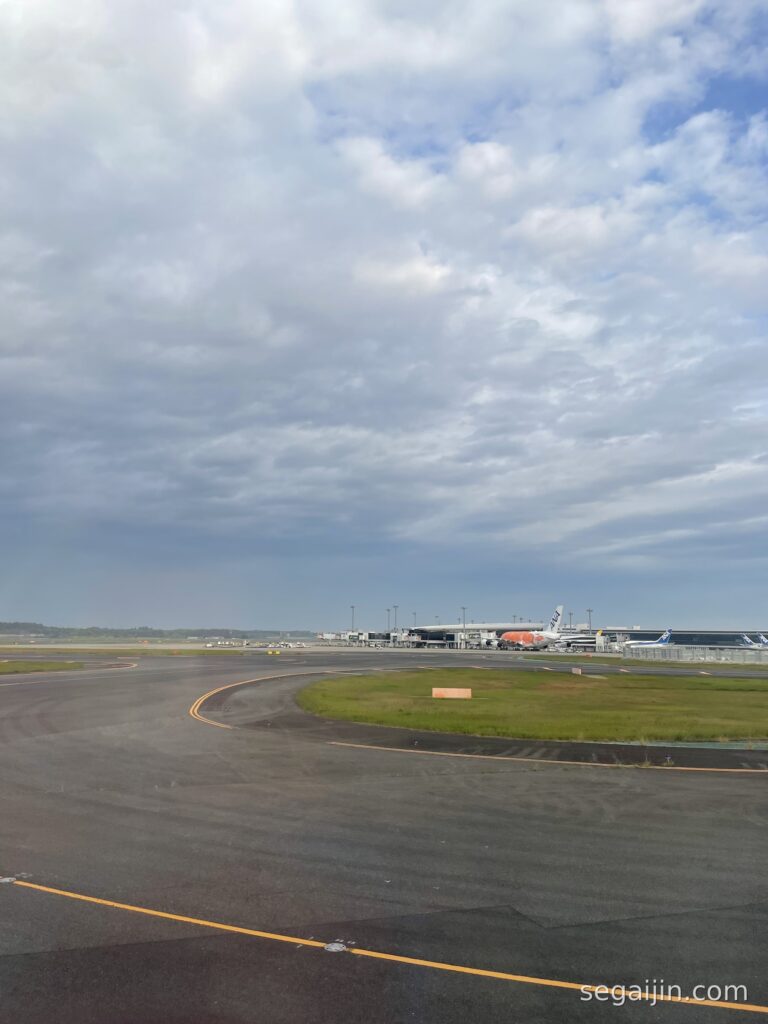
    Airplanes parked at an airport terminal under a wide cloudy sky, seen across a quiet runway
    Looking out over the airport under a wide sky. Photo: Segaijin

    A few years ago, The New York Times placed Morioka second on its list of 52 places to go in 2023, just after London. When I read the news, I felt so happy, as if a place I had loved quietly for a long time had finally been found by the world. (Source: Unseen Japan)

    Listen

    Also on YouTube Music (official, 2022 mix)

    If you would like to hold the album in your hands, CDJapan ships the CD worldwide (affiliate link).

    Is there a song from the 80s you would like me to cover next? Tell me in the comments.

  • Chuo Freeway (中央フリーウェイ) by Yumi Arai (Words & Music: Yumi Arai): A Night Drive Song That Feels Like a Runway to the Stars

    Some songs make an ordinary road feel like a story. “Chuo Freeway” (中央フリーウェイ) is one of them. It is a gentle, sparkling song about driving, and it still feels fresh today.

    The song

    “Chuo Freeway” was released on November 20, 1976, on the album “The 14th Moon” (14番目の月). At that time the singer used her maiden name, Yumi Arai (荒井由実). Today many people know her as Yumi Matsutoya (松任谷由実), or simply “Yuming.” She wrote both the words and the music herself.

    The song paints a picture of a drive along a highway, with the scenery passing by on both sides. It is said that she drew on views she had seen many times while growing up. It was never released as a single, but it has become one of her best-loved songs, and people still choose it as a favorite song for driving.

    Why I chose it

    This song is part of the roots of what people now call “city pop.” The sound is light and stylish, and it carries the quiet, sparkling mood of a city at night. If you love city pop, I hope you will enjoy listening to where that feeling began.

    What I remember

    When I drove past the racecourse, I often played this song. The calm, sparkling mood of the music fit the scenery so well. I would listen quietly and gaze at the view, and I felt as if I had become a shooting star.

    The song describes the road as if it were a runway stretching into the night sky. I have always loved airplanes, so this image stayed in my heart. As I listened, I felt as if the road and the sky were connected.

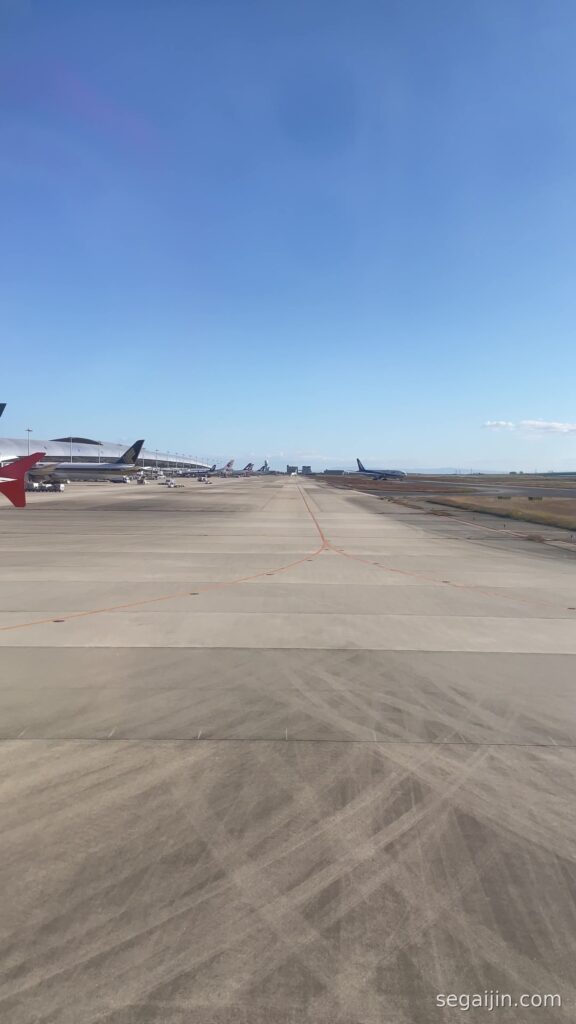
    A long airport runway stretching straight toward the horizon under a wide blue sky
    It is not a night sky, but a runway stretching toward the sky, just like in the song. Photo: Segaijin

    I also love the opening of this song. Even now, when I hear it, it feels bright and gentle, and it takes me right back to the road.

    Listen

    The original recording by Yumi Arai: Spotify / YouTube Music (official)

    The same song, a different color

    A good song can be sung by many voices, and each one gives it a new feeling.

    With Miki Imai (2013): her version feels different. Her voice is pure and crystal clear, like clean, fresh air. Listen on Spotify

    It makes me happy to see a Showa song still loved by new generations.

    You can also find this song on the album “The 14th Moon” (CDJapan, affiliate link):

    Is there a song from the 80s you would like me to cover next? Tell me in the comments.

  • Moshimo Piano ga Hiketanara (もしもピアノが弾けたなら) by Toshiyuki Nishida (Lyrics: Yu Aku, Music: Koichi Sakata): The Song from a Warm-Hearted TV Drama

    A song, a TV drama, and a warm-hearted actor.

    Two small white toy pianos, one upright and one grand, among sunflowers in a shop window display
    Little toy pianos among the sunflowers, seen in a shop window. Photo: Segaijin

    The song

    “Moshimo Piano ga Hiketanara” (もしもピアノが弾けたなら) was sung by the actor Toshiyuki Nishida and released on April 1, 1981. It began as an insert song in the second series of the TV drama “Ikenaka Genta 80 Kilo.” At first it was the B-side of the drama’s theme song, “Ii Yume Miroyo.” But viewers loved it so much that it became the theme song instead, and the two sides of the record were swapped.

    The lyrics were written by Yu Aku, and the music was composed and arranged by Koichi Sakata.

    What I remember

    When I think of this song, I think of the drama. It started airing on Nippon TV in 1980, with Mr. Nishida in the leading role. Kaoru Sugita was in it too, playing his daughter. To be honest, I don’t remember much of the story anymore. But I do remember how fresh it felt, even as a child, to hear an actor singing the theme song. I remember thinking, “Wow, he can sing, too!”

    And I have always loved the piano introduction. Its gentle notes still stay in my heart.

    That drama was also where I first got to know Mr. Nishida. Later, when I was a little older, I saw him in the “Tsuribaka Nisshi” (Free and Easy) film series, where he played the lovable Hama-chan. That was when I thought, “What a truly warm person he is.” I still remember that feeling.

    The film series began in 1988 and ran for 22 films, until 2009.

    Listen

    Also on YouTube Music: Moshimo Piano ga Hiketanara (もしもピアノが弾けたなら) by Toshiyuki Nishida

    You can find this song on this album (CDJapan, affiliate link):

    If you would like to know more about Mr. Nishida, here is a book by him (CDJapan, affiliate link):

    Is there a song from the 80s you would like me to cover next? Tell me in the comments.

  • Kaze Tachinu (風立ちぬ) by Seiko Matsuda (Lyrics: Takashi Matsumoto, Music: Eiichi Ohtaki): A Song About Wind, Flowers and Time

    Some songs you understand right away. Others take a few decades.

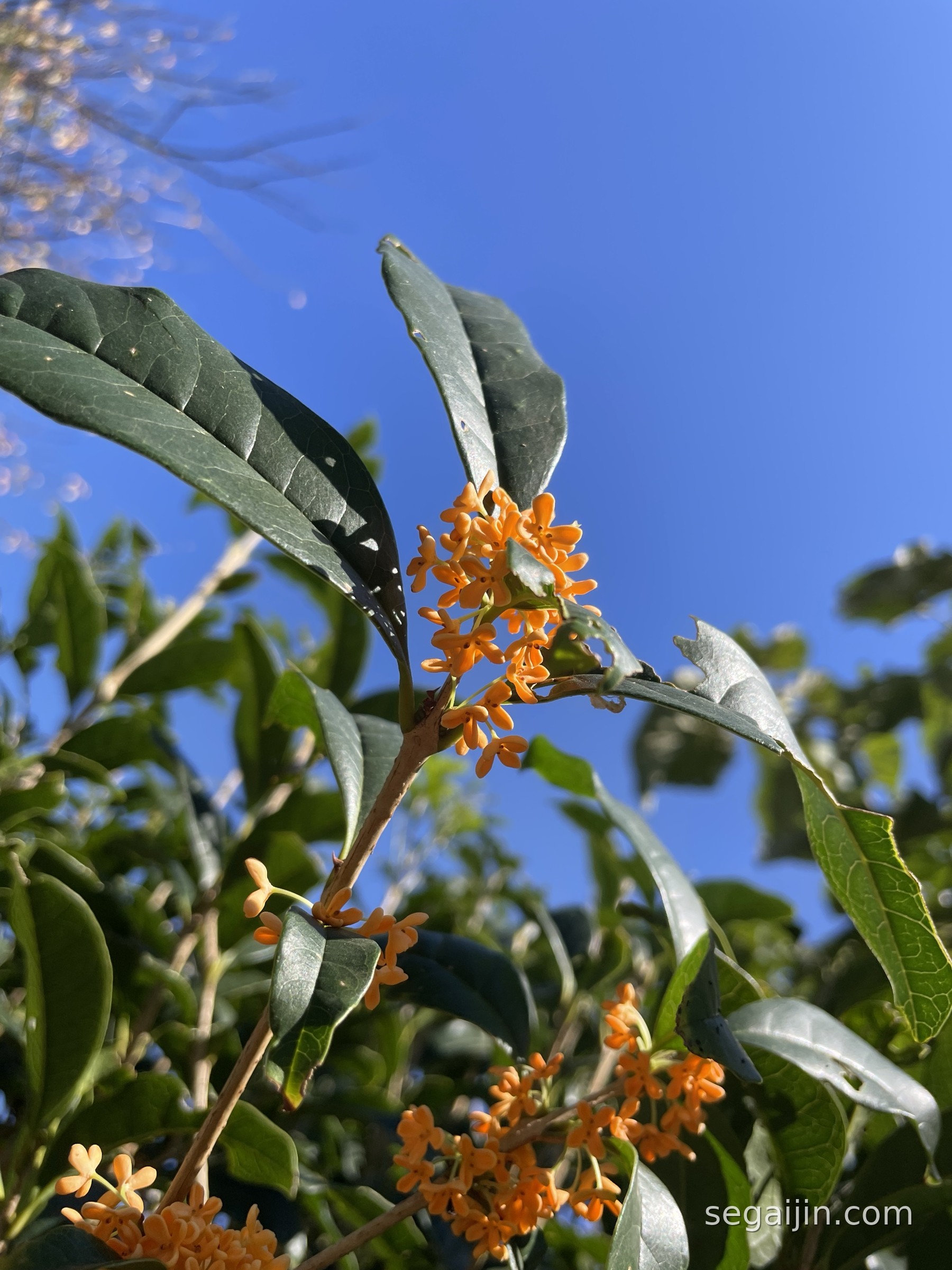
    Orange osmanthus flowers blooming against a clear blue autumn sky
    Osmanthus in bloom, a sign of autumn. Photo: Segaijin

    The song

    “Kaze Tachinu” (風立ちぬ) was released by Seiko Matsuda on October 7, 1981, as her seventh single. The lyrics were written by Takashi Matsumoto, and the music was composed by Eiichi Ohtaki. It was also the title song of her album of the same name, released two weeks later.

    The title is the same as a famous novel by Tatsuo Hori. It means something like “the wind has risen” — the first autumn breeze, when the seasons begin to change.

    Why I chose it

    I wanted a song with a gentle autumn feeling. It is October, the air is turning cooler, and this song came to mind. When the osmanthus blooms, I know autumn has come. Its sweet scent floats on the wind.

    What I remember

    There is one part of this song I never understood, not back then and not today. It mentions violets, sunflowers and freesias together. They bloom in different seasons, so how can they appear at the same moment? I used to laugh about it.

    It took me years to find my own answer. Maybe the song is about the passing of time — many seasons of memories gathered in one moment. I’m not sure. The songwriter has never explained it as far as I know, so this is simply how I read it now.

    What I did understand, even as a girl, was that the song has beautiful words. I loved the way it speaks of writing a letter in “wind ink.” I thought it was such a lovely way to say something, and I still think so today.

    I also learned the word “tabibito” — a traveler of the heart — from this song. Have I grown since then? I’m not sure. But the journey goes on.

    Listen

    Also on YouTube Music: Kaze Tachinu (風立ちぬ) by Seiko Matsuda

    You can find this song on the album “Kaze Tachinu” (CDJapan, affiliate link):

    Is there a song from the 80s you would like me to cover next? Tell me in the comments.

  • Amaoto wa Chopin no Shirabe (雨音はショパンの調べ) by Asami Kobayashi (Japanese Lyrics: Yumi Matsutoya, Music: Pierluigi Giombini): The Rainy-Day Song from Italy

    Many Japanese songs were born in Japan. This one was born in Italy, and then it found a new life in the rain.

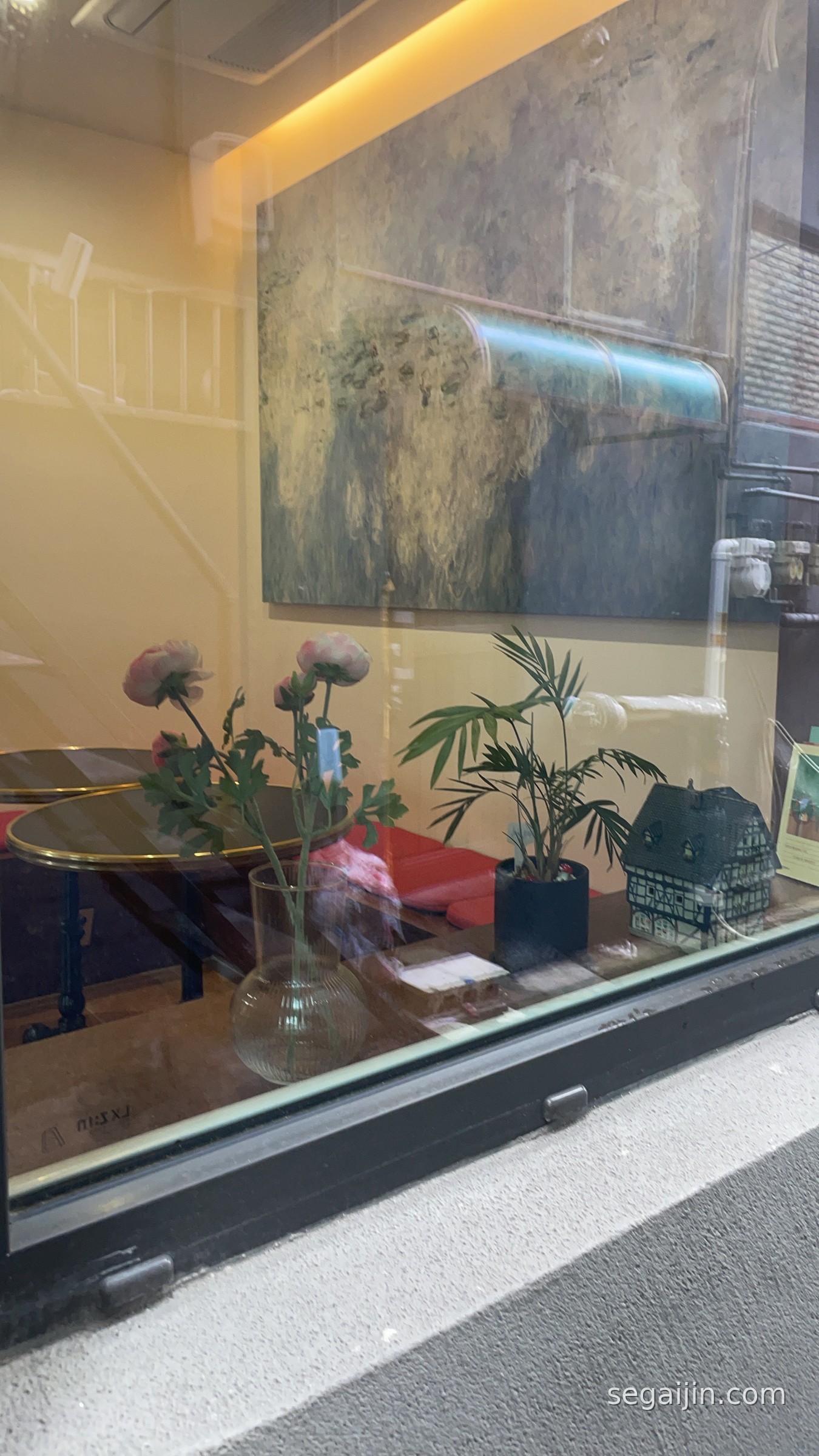
    A quiet cafe window on a rainy day, with flowers, a plant and a painting
    A quiet rainy afternoon, seen through a cafe window. Photo: Segaijin

    The song

    “Amaoto wa Chopin no Shirabe” (雨音はショパンの調べ, “The Sound of Rain Is Chopin’s Melody”) by Asami Kobayashi (小林麻美) was released on April 21, 1984. It reached number one on the Oricon weekly chart for three weeks in a row, and it was the 12th best-selling single of the year, with about 520,000 copies sold. It was Kobayashi’s first number-one hit.

    At that time, Kobayashi was known mostly as a model and for her lifestyle image in women’s fashion magazines. Her singing career had not been easy, but she had become more famous through a Shiseido commercial. This song changed everything for her.

    A song from Italy

    The original song is “I Like Chopin” by Gazebo, an Italian singer. It came out in 1983 and became a big hit in Europe. It is one of the most famous songs of “Italo disco,” a style of dance music that was popular in Italy in the early 1980s.

    For the Japanese version, the lyrics were newly written in Japanese by Yumi Matsutoya (松任谷由実, also known as Yuming), who was an old friend of Kobayashi. So the melody came from Italy, but the words and the feeling became very Japanese. Since then, many singers have recorded the song, and Yumi Matsutoya herself sang it on her 2003 album Yuming Compositions: FACES.

    Why I chose it

    I chose this song because it has been rainy lately. In September 2026, it really rained every single day. On days like this, I like to put on a song that fits the sound of the rain.

    What I remember

    When I was a child, I remember thinking, “What a grown-up title!” Chopin’s melody, and the sound of rain. Even as a child, I felt that a rainy day could be deep, and that sinking into the sound of the rain was somehow cool. I remember thinking, “This is a song for grown-ups.”

    Many years later, while looking into the song, I learned that Yumi Matsutoya (Yuming) had written the lyrics, and that the original was an Italian song. It was a lovely surprise to find out the story behind a song I had loved since I was a child.

    Listen

    Listen on Spotify:

    Also on YouTube Music: Amaoto wa Chopin no Shirabe (雨音はショパンの調べ) by Asami Kobayashi

    And here is the Italian original on YouTube Music:

    You can also find this song on this CD (CDJapan, affiliate link):

  • Nagai Yoru (長い夜) by Chiharu Matsuyama (Words & Music: Chiharu Matsuyama): The Quiet Song That Reached Number One

    Some songs are loud on purpose. This one is quiet, and it still reached number one.

    In the spring of 1981, Chiharu Matsuyama (松山千春) released a song about a long night. It went straight to the top of the charts, and many people still remember it today.

    Dusk over a calm sea, with the last orange light on the horizon and a railing in the foreground
    The last light of the day, just before the night begins. Photo: Segaijin

    The song

    “Nagai Yoru” (長い夜, “The Long Night”) by Chiharu Matsuyama was released on April 21, 1981, as his 10th single. It reached number one on the Oricon weekly chart, his first number one since “Kisetsu no Naka de” (季節の中で), and it was the fifth best-selling single of the year. He also appeared on the TV music show The Best Ten (ザ・ベストテン) for the second time with this song.

    The song that almost was not a single

    It is said that many people on the production staff did not think this song fit the image of Chiharu Matsuyama. There were strong opinions against releasing it as a single. But it became the biggest hit of his career. Sometimes the people who make a song do not know what the listeners are waiting for.

    Why I chose it

    I chose this song because autumn is here. In Japanese, we say aki no yonaga (秋の夜長), “the long autumn nights.” As the days get shorter and the air gets cooler, the nights feel long, and I think this is a very good song for that time of year.

    What I love about it

    What I love most is the guitar in the intro. It stays in my heart. I especially love the very beginning of the intro.

    Listen

    Listen on Spotify:

    A note: the version on Spotify is a recording from 1992 (on the album Kishoutenketsu II, 起承転結 II). The original single was released in 1981.

    Also on YouTube Music: Nagai Yoru (長い夜) by Chiharu Matsuyama

    A best-of CD by Chiharu Matsuyama (CDJapan, affiliate link):

    A compilation of male J-ballads with “Nagai Yoru” in its title (CDJapan, affiliate link):

  • Two Hours in Omotesando: Sushi, Then Souvenirs

    Chiyoda Line toward Yoyogi-Uehara, front car, Exit A1.

    Eat very good sushi. Walk two minutes. Buy something small and ridiculous and perfect. That’s the whole plan.

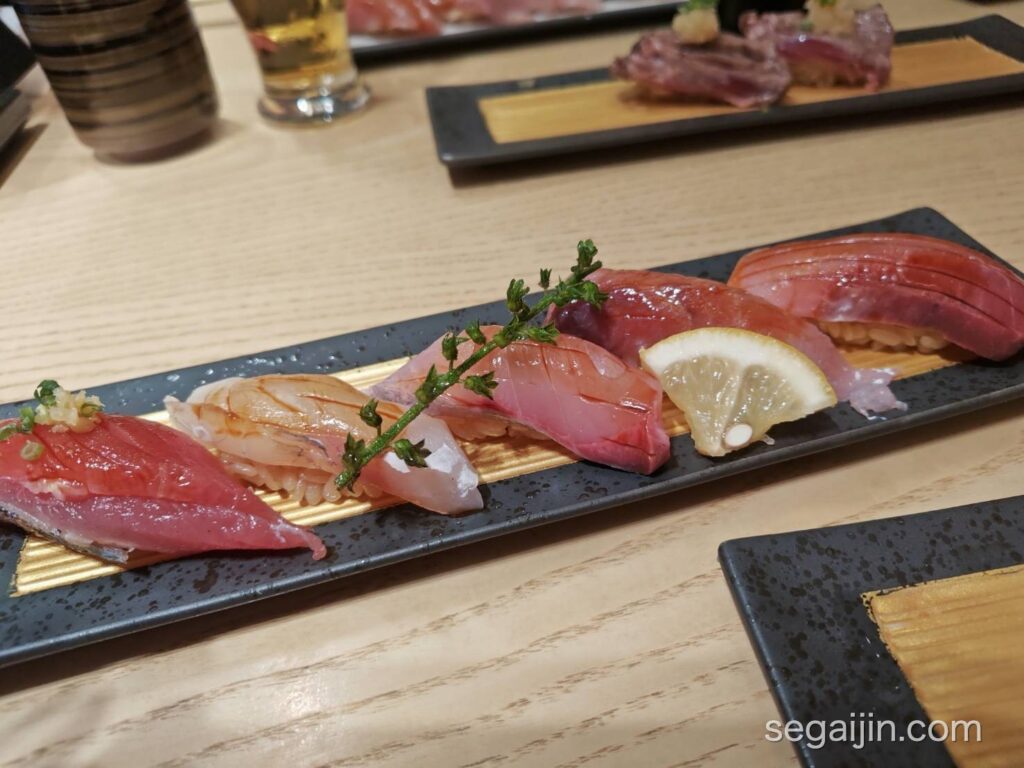
    A plate of five pieces of nigiri sushi on a black and gold plate
    Sushi at Onodera. Photo: Segaijin

    Getting there

    Omotesando Station has ten exits. Take the Chiyoda Line toward Yoyogi-Uehara, ride the front car, come out of Exit A1. You’ll surface across from the BOSS building, on the same side as the sushi restaurant. No crossing, no backtracking.


    Kaiten Sushi Ginza Onodera

    It says kaiten — conveyor belt. Elsewhere that means cheap. In Japan it’s a format, not a price tier, and Onodera sits at the top of it.

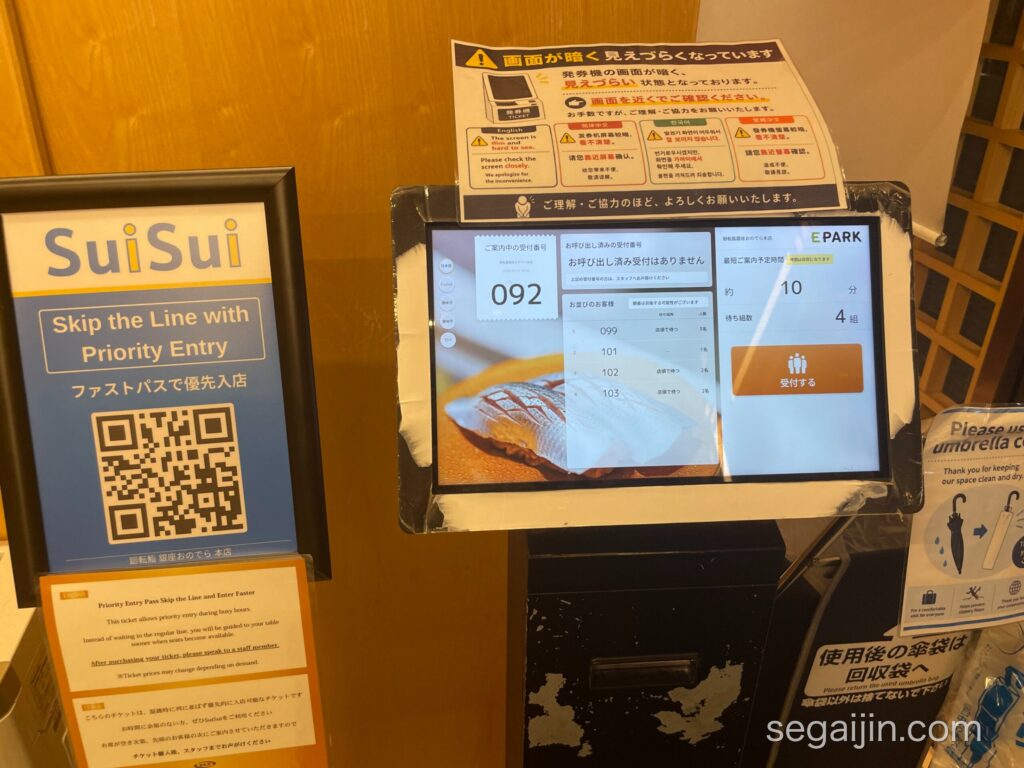
    Getting in. No reservations. There’s a ticket machine inside the door with language buttons down the left edge — tap English, then 受付する, take your ticket. The screen shows the number being seated, how many groups are ahead, and an estimated wait.

    I took a ticket at 6:56 pm on a Tuesday: four groups ahead, ten minutes estimated. Nobody was queuing outside. The restaurant was nearly full and I was seated straight away. The estimate is a ceiling, not a promise. Early evening moves fast.

    The shortcut. Next to the machine, a small sign: SuiSui — Skip the Line with Priority Entry. Buy a pass by QR code and you’re seated ahead of the queue. Prices change with demand. I didn’t need it. On a Saturday lunchtime you might.

    The waiting-list ticket machine at the restaurant entrance, next to the SuiSui priority entry sign
    The ticket machine, with the SuiSui priority-entry sign on the left. Photo: Segaijin

    Rules, posted in English.

    • 70-minute seating limit at peak times
    • Check your wait by scanning the QR code on your ticket
    • If you’re away more than 30 minutes after your number is called, your booking is cancelled

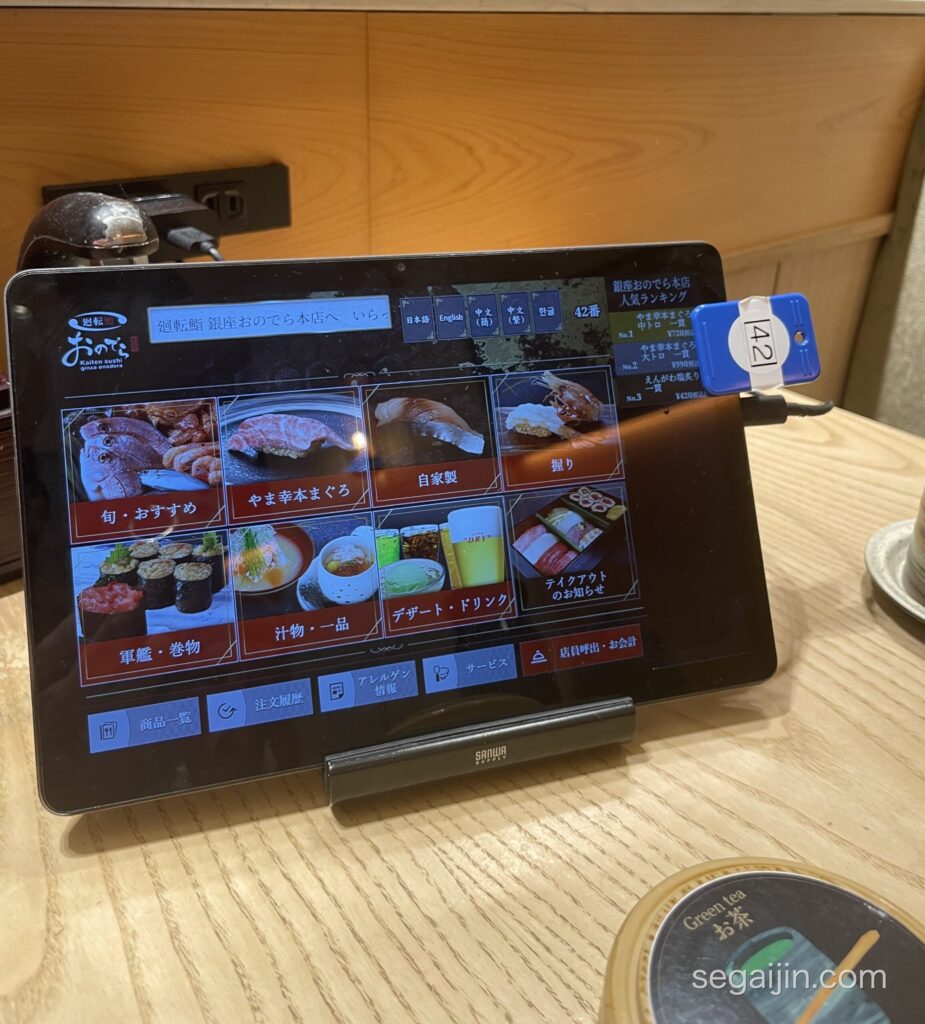
    Ordering. Every seat has a tablet. Language buttons top right. The house ranking is the fastest way to order well:

    1Chūtoro (medium fatty tuna)¥720
    2Ōtoro (fatty tuna)¥990
    3Engawa, salt-seared¥420
    The ordering tablet at a conveyor-belt sushi restaurant, with language buttons and a numbered ticket tag
    The tablet at your seat. Language buttons are at the top right. Photo: Segaijin
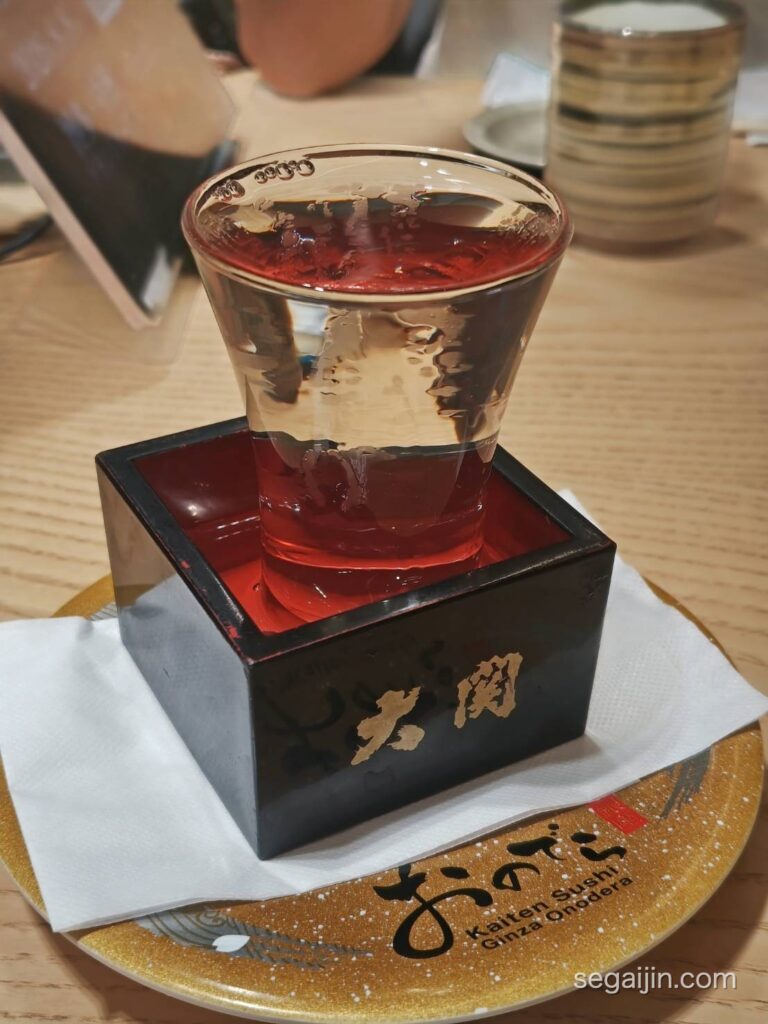
    Sake in a glass sitting in a wooden masu box, on a gold Onodera plate
    Sake, served in a masu (wooden box). Photo: Segaijin

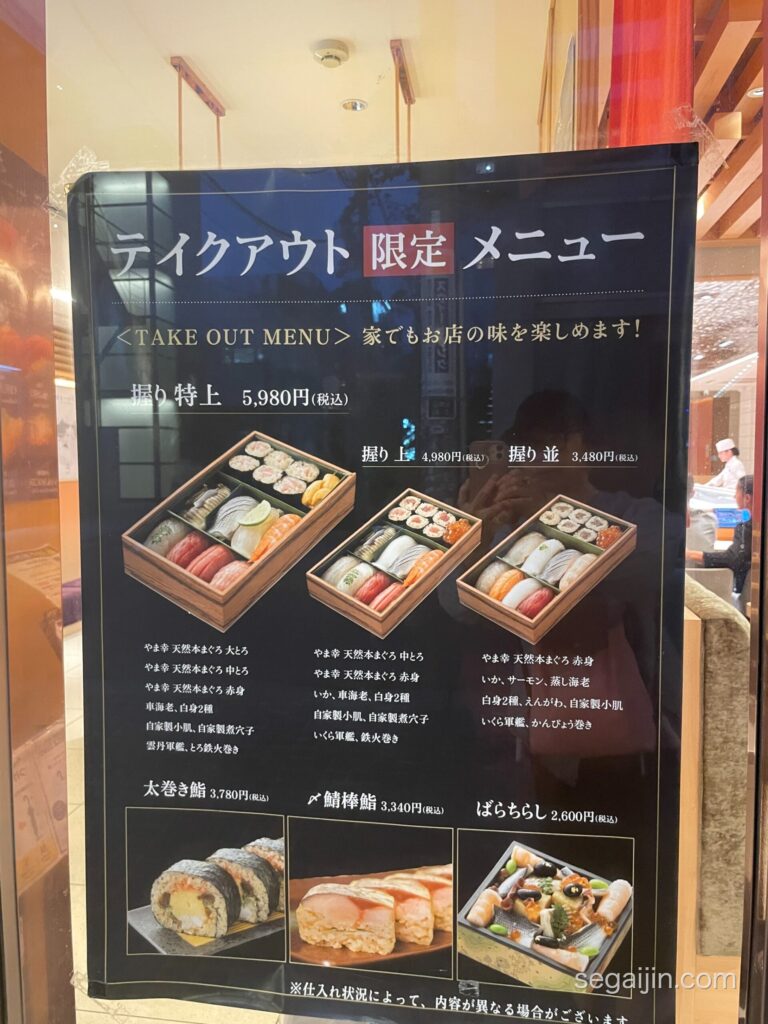
    The takeout menu outside gives you the range: nigiri sets at ¥3,480 / ¥4,980 / ¥5,980, bara chirashi ¥2,600. A sit-down meal lands in similar territory.

    The takeout menu poster outside the restaurant, showing nigiri sets and prices
    The takeout menu posted outside the restaurant. Photo: Segaijin

    What this place is, and isn’t

    This is not the place for a conversation with the chef. The counter moves fast, the room is busy, ordering happens on a tablet. Think of it as very good fast food — the fish is serious, the format is not.

    If you want the other thing — a small owner-run counter, pieces handed to you one at a time, a conversation across the wood — that exists. Budget around ¥20,000 for a course, and book ahead.

    Two different nights. Both worth having. Just know which one you’ve booked.

    Open daily, roughly 10:30–22:30. Check before you go.


    Kiddy Land, two minutes away

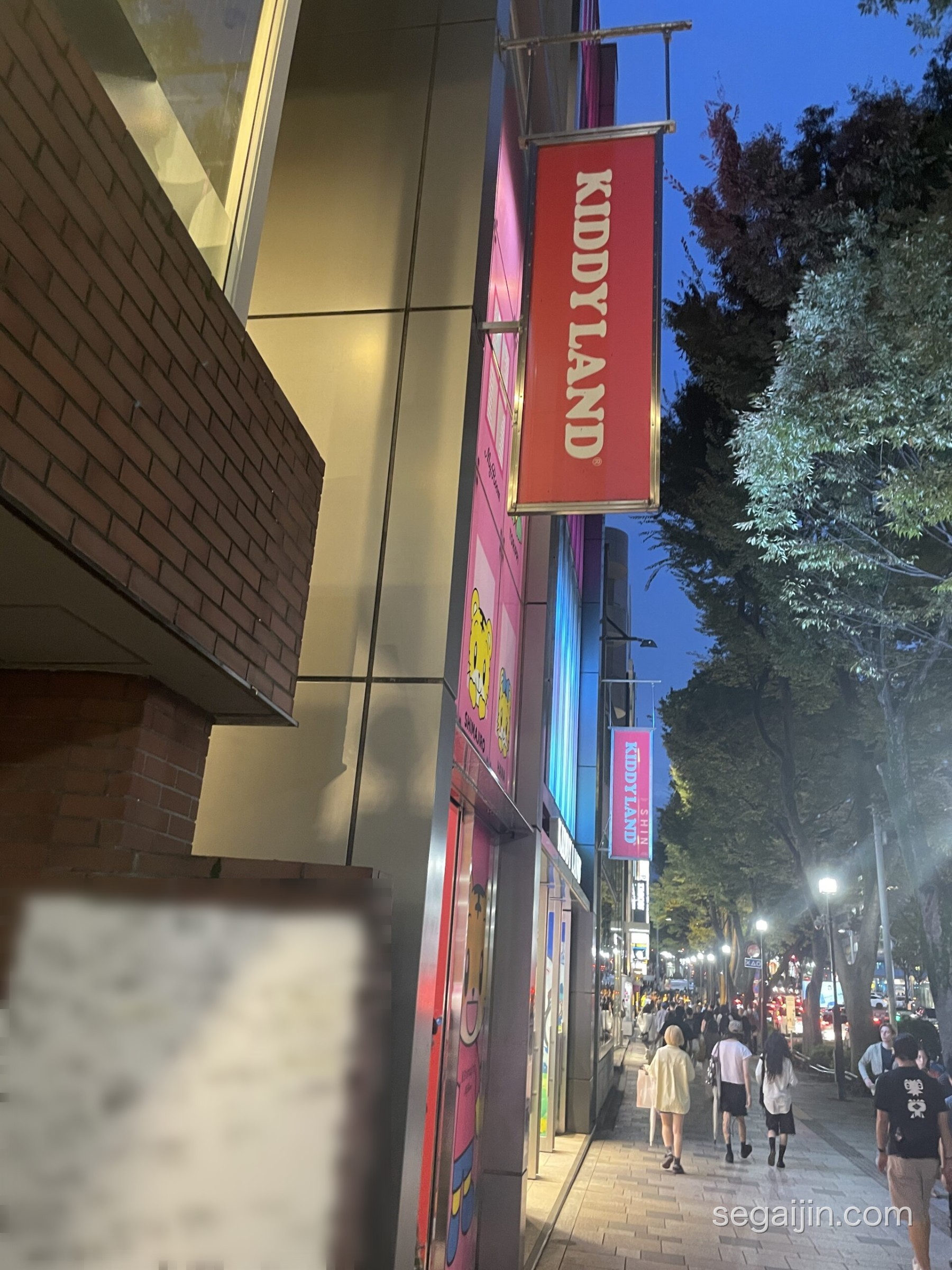
    Same side of the street. You’ll see it before you’ve finished deciding — a pink and blue corner covered in enormous cartoon animals.

    Kirby was waiting for me at Kiddy Land. Here is a little look:

    The Kiddy Land sign on a tree-lined street in Omotesando at dusk
    Kiddy Land, Omotesando. Photo: Segaijin
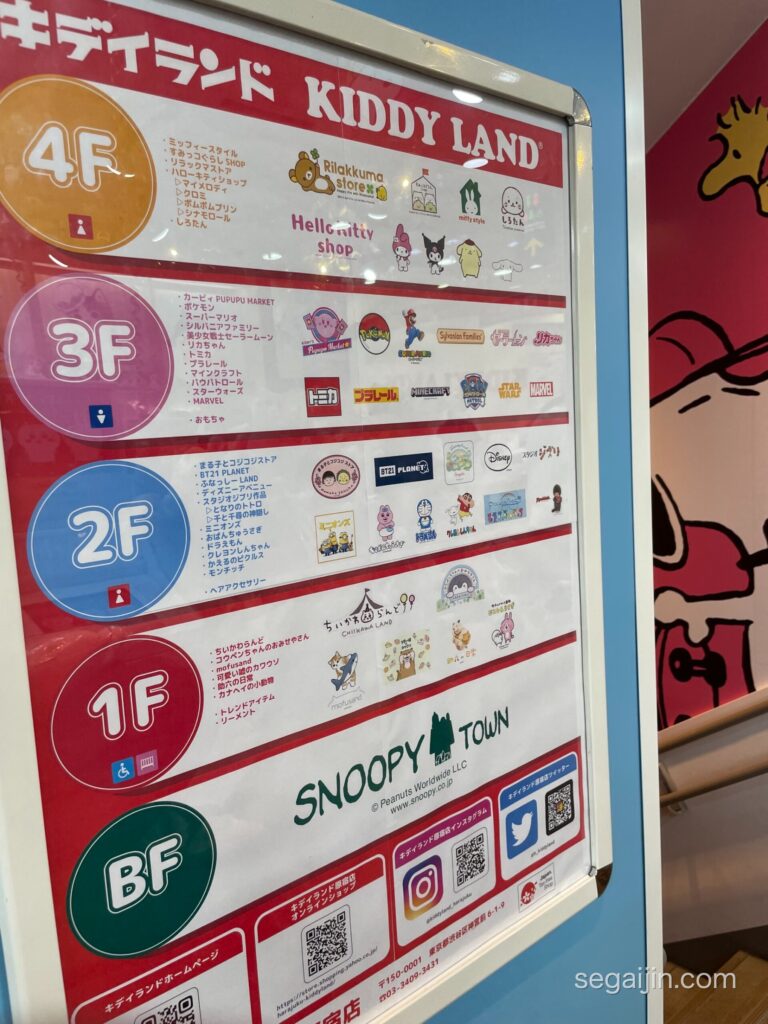
    Floor
    B1Snoopy Town
    1FChiikawa Land
    2FGhibli, Disney, Doraemon, Koupen-chan, mofusand
    3FPokémon, Mario, Kirby’s Pupupu Market, Tomica
    4FSanrio, Rilakkuma, Sumikkogurashi
    A Kiddy Land floor guide listing the character shops on each floor
    The Kiddy Land floor guide. Photo: Segaijin

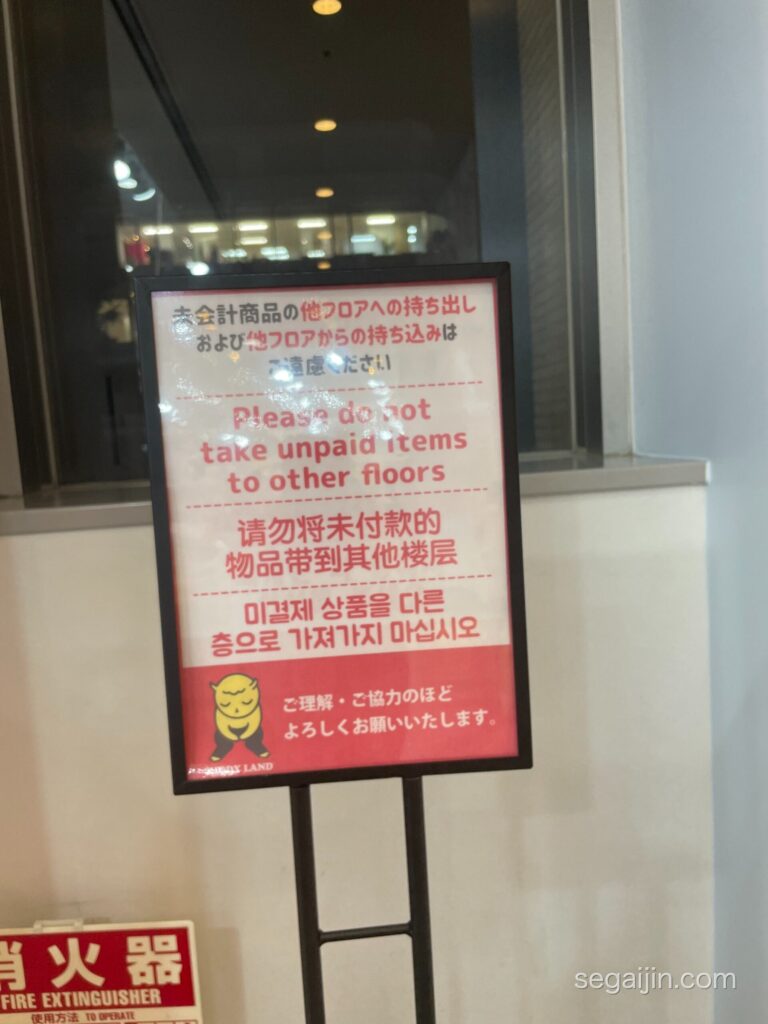
    The rule that catches everyone: you pay on each floor. Each floor has its own register, and unpaid items can’t leave the floor — or go in the elevator. There are signs in four languages and most people still miss it.

    A sign in English, Japanese, Chinese and Korean asking customers not to take unpaid items to other floors
    The sign that catches everyone: do not take unpaid items to other floors. Photo: Segaijin

    Prices start low. Palm-sized plush from ¥638, stickers around ¥660, Sanrio earrings ¥2,200. Some popular plush are limited to one per transaction. Tax-free — bring your passport.

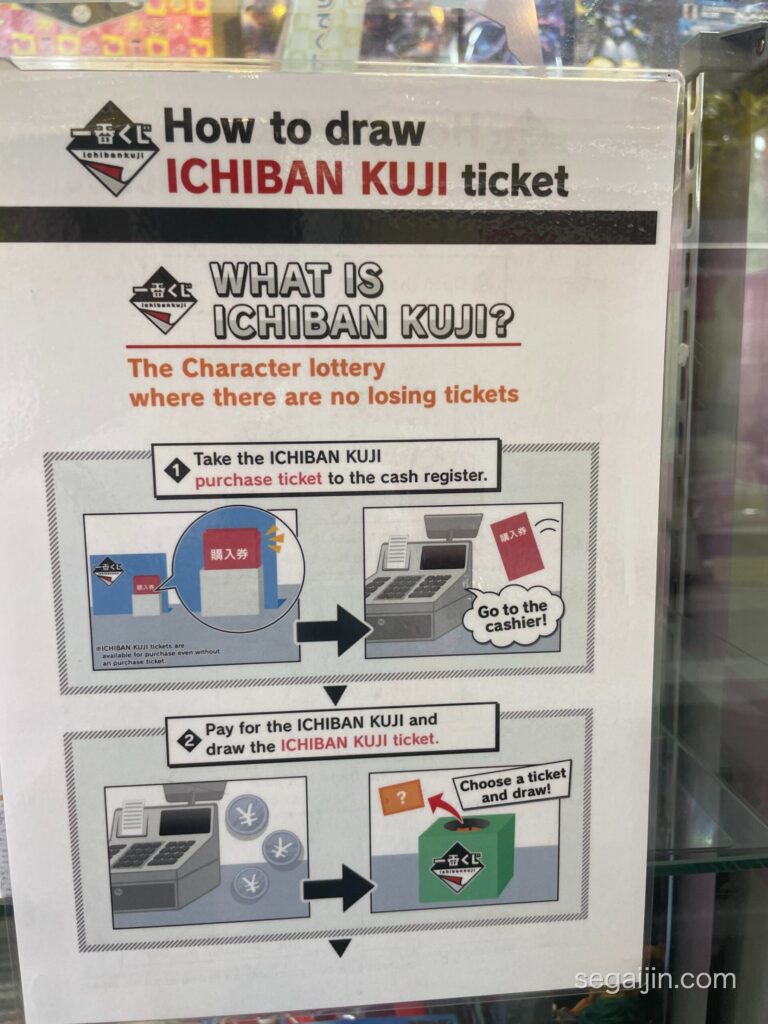
    An English poster explaining how to draw an Ichiban Kuji ticket
    Ichiban Kuji, the character lottery with no losing tickets. The poster explains how to play in English. Photo: Segaijin

    Two hours. One meal you’ll remember, one bag of things that will delight people.

    You’ve eaten fish handled by people who take it seriously, then walked into a building where a stuffed penguin sits on a plinth marked HARAJUKU. Both of those are Japan. Neither explains the other.

    When I visited, the whole ground floor of Kiddy Land was a Chiikawa feature. If you love Japanese character goods, Chiikawa calendars and books are a cute souvenir (CDJapan, affiliate links):

    Chiikawa Aiueo / Nagano / Chizuru Kato
    Nagano / Chizuru Kato (Book)

    September 2026. Prices and times change — check before you go.

  • Ii Hi Tabidachi (いい日旅立ち) by Momoe Yamaguchi (Words & Music: Shinji Tanimura): The Song Written to Make You Take a Train

    Some songs are written for a movie. Some are written for a drama. This one was written to make people take a train.

    In November 1978, Japanese National Railways launched a travel campaign called “Ii Hi Tabidachi” (いい日旅立ち, “A Good Day to Set Out on a Journey”). Its theme song, sung by Momoe Yamaguchi, became one of the most loved songs in Japan.

    Bright blue sky with white clouds, the feeling of a journey beginning
    Blue sky, ready to go. Photo: Segaijin

    The song

    “Ii Hi Tabidachi” (いい日旅立ち) was released on November 21, 1978, as Momoe Yamaguchi’s 24th single. Shinji Tanimura wrote both the lyrics and the music. It was the first time he wrote one of her singles. The song reached #3 on the Oricon chart. According to Oricon, it sold about 536,000 copies, and the record company reports a total of one million.

    Japanese National Railways, often called JNR, is the predecessor of today’s JR. The campaign was made to invite people to travel around Japan by train. The title is said to come from the first letters of two companies that supported the campaign, Nippon Travel Agency (日本旅行) and Hitachi (日立).

    A song for weddings and graduations

    Today, many people sing it at weddings and graduations. Interestingly, Tanimura himself said that the content is not really suited for celebrations. It is a song about leaving, after all. In 2007, it was chosen as one of “Japan’s 100 Songs” (日本の歌百選). Even now, it is played when special JR revival trains leave the station.

    Why I love Momoe’s version

    I like both versions: Momoe Yamaguchi’s, and the one by Shinji Tanimura, who wrote the song. But for me, hers is the one that sounds like travel.

    Her version opens with an introduction that makes you want to travel. Before she even starts singing, you can feel the train leaving the station. I also love her voice in the line where she sings about “somewhere in Japan.”

    What are “sheep clouds”?

    One word in the song stays with me: hitsujigumo (羊雲). It means “sheep clouds.” These are small, round, fluffy clouds that spread across the sky like a flock of sheep, and you often see them in autumn. I love the image of going out to look for them. It is such a gentle reason to take a trip.

    As a kid, I had no idea what hitsujigumo was. I remember looking it up. It is a cloud I still love today. Whenever I see hitsujigumo, I think of this song. And the best part is that the sky is the same in every country. Wherever you are in the world, you can look up and see the same clouds.

    Back then, and still today, I think the same thing every time I hear it: what a truly good song.

    Listen

    Compare the two versions on Spotify:

    Want to own the song? Momoe Yamaguchi’s complete singles collection at CDJapan includes “Ii Hi Tabidachi” (disc 2, track 6). This is an affiliate link. If you buy through it, I may earn a small commission at no extra cost to you.

    And a book about her (CDJapan, affiliate link):

    And a concert video (CDJapan, affiliate link):

    Which one makes you want to travel? Tell me in the comments. And if you have ever looked up at the sky in Japan and seen hitsujigumo, I would love to hear about it.

    This is part of my series: one Showa-era song a day, with a focus on the 80s.