garden

  • Kochia in My Garden: A Soft Red Ball of Autumn

    Kochia in My Garden: A Soft Red Ball of Autumn

    Every autumn, a soft green plant in my garden turns into a round ball of deep red. It is called kochia (コキア), and it is one of the most beautiful sights of the season for me.

    From my garden

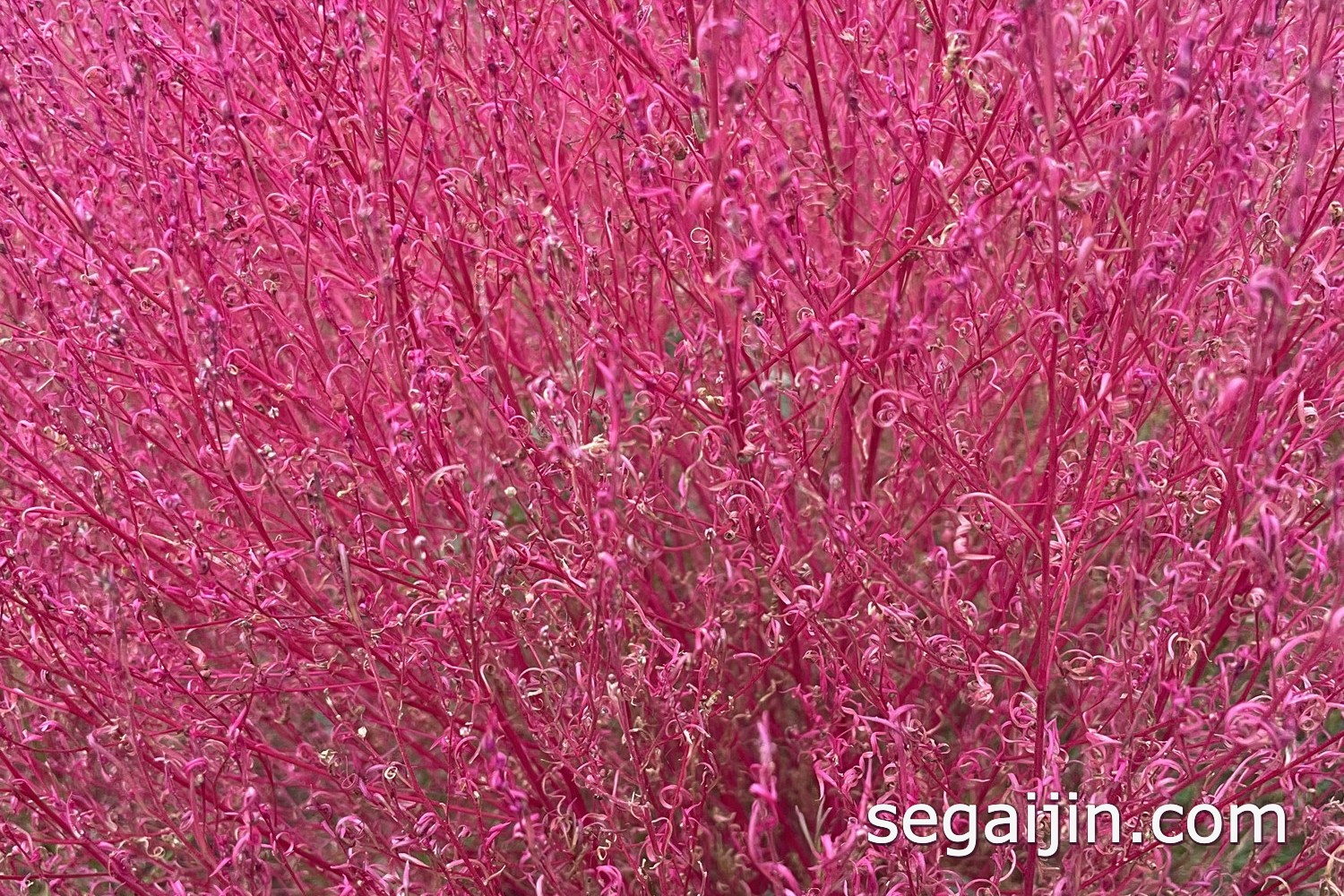
    A friend of mine grew these kochia from seed and planted them in my garden, Mon Papillon. They were green and fresh in the warm months, and now, in autumn, they have turned a bright, glowing red. When the light touches the thin branches, the whole plant looks as if it is softly burning.
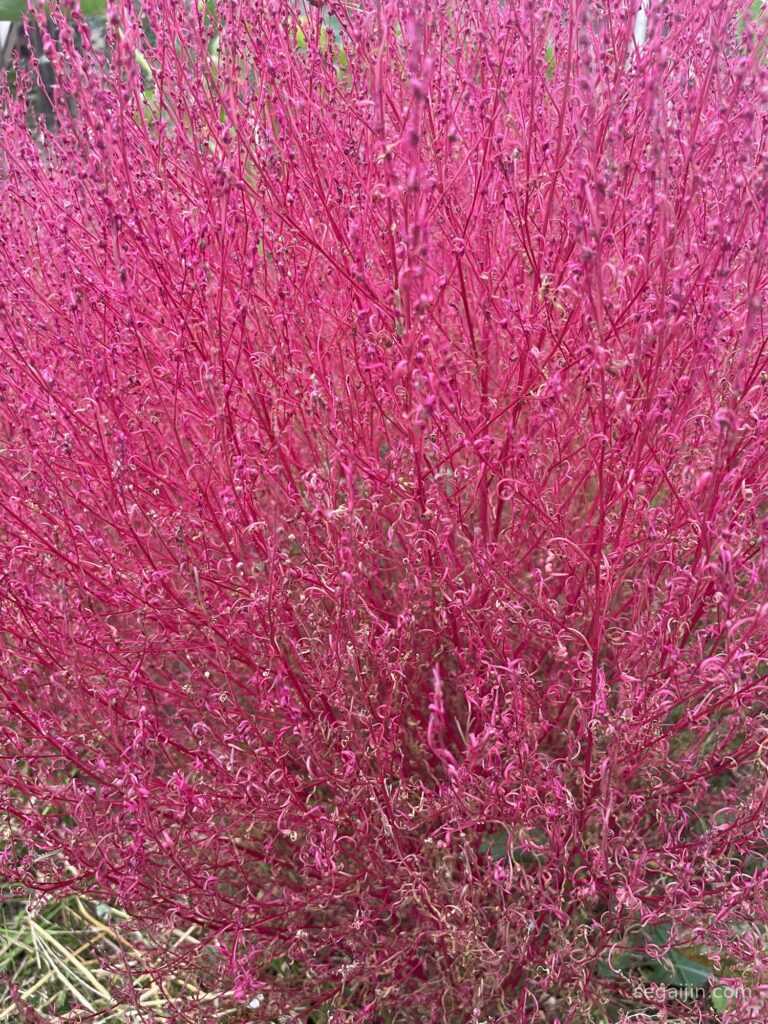
    Close-up of red kochia branches in autumn in my garden
    Kochia turning red in my garden in autumn. Photo: Segaijin

    What is kochia?

    Kochia is also called hokigusa (ほうきぐさ), which means “broom grass.” The thin branches were once dried and made into brooms, and the round, fluffy shape still looks a little like one. In summer it is a fresh green. In autumn it slowly changes to red, and each plant becomes a gentle ball of color. Its tiny seeds are eaten in some parts of Japan, too, and are known as tonburi.
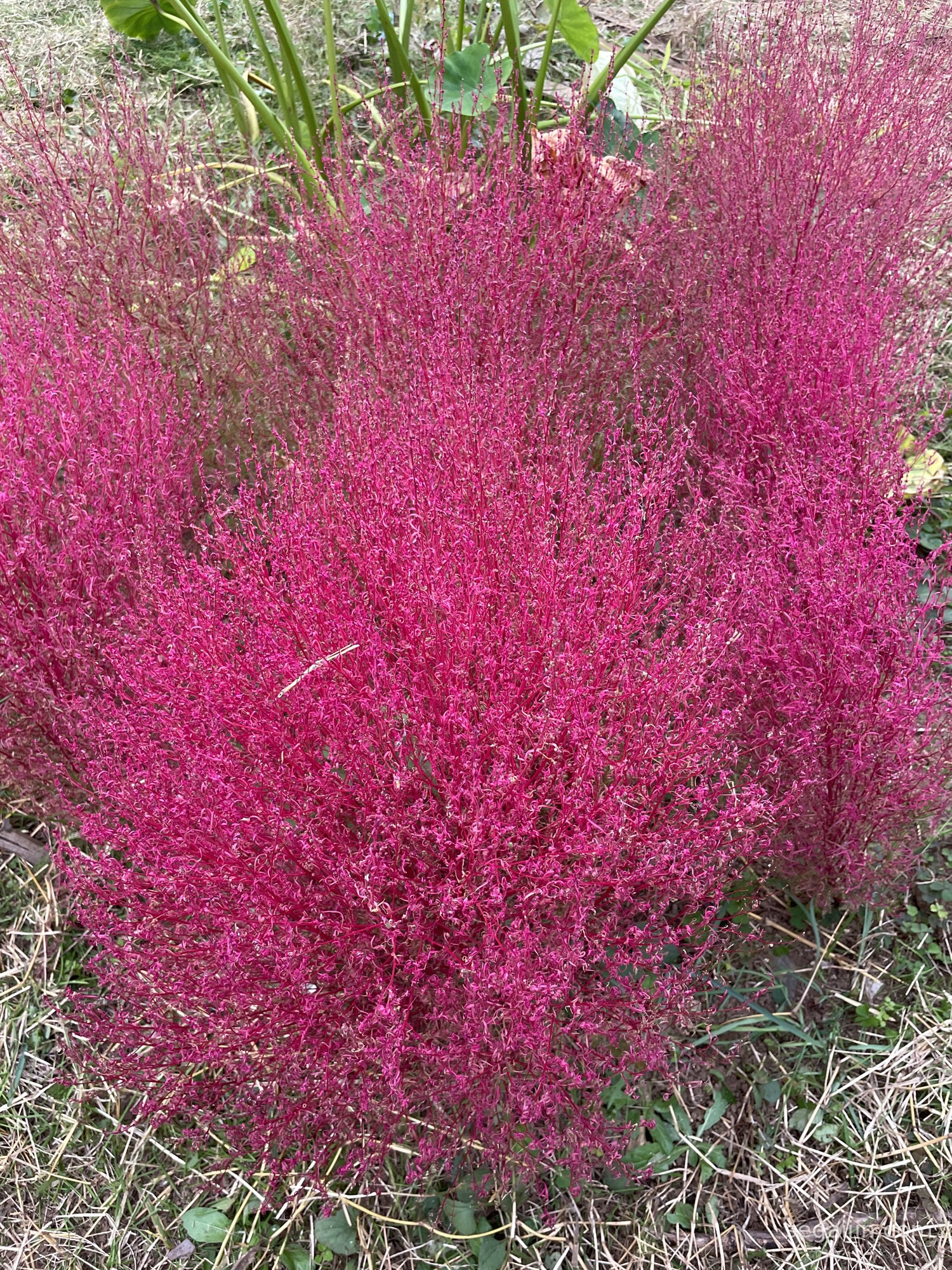
    Several fluffy red kochia bushes in an autumn garden
    Soft red balls of kochia in autumn. Photo: Segaijin

    If you would like to see more: Ibaraki

    If you would like to see kochia on a much larger scale, Hitachi Seaside Park (国営ひたち海浜公園) in Ibaraki Prefecture is famous for it. About 40,000 kochia plants grow on Miharashi Hill, the same hill that is covered in blue nemophila flowers in spring. In 2026, a “Kochia Carnival” is held from September 18 to November 3. The best time for the red color is usually around mid-October, and the colors move to a mix of red and brown toward the end of the month. Opening hours, fees, and the colors change from year to year, so please check the official website before you go.

    The park is in Hitachinaka, and it can be reached from Tokyo by train and bus. I am only introducing it here as a gentle guide. For me, my own little garden is enough to enjoy the red of autumn.

    In spring (usually late April to early May), the same hill turns sky blue with millions of nemophila flowers, which is just as beautiful. You can find the latest information on the official Hitachi Seaside Park website.

    If you would rather not worry about trains and buses, a day tour from Tokyo is an easy way to go: Hitachi Seaside Park day tour from Tokyo on Klook (affiliate link). It also visits Oarai Isosaki Shrine, with its torii gate standing in the sea.

    I also shared this autumn scene on Pinterest.

    What color does autumn have where you live?
  • Our 50-Year-Old Pomegranate Tree: Japan’s Sacred Fruit & Beauty Secret

    Our 50-Year-Old Pomegranate Tree: Japan’s Sacred Fruit & Beauty Secret

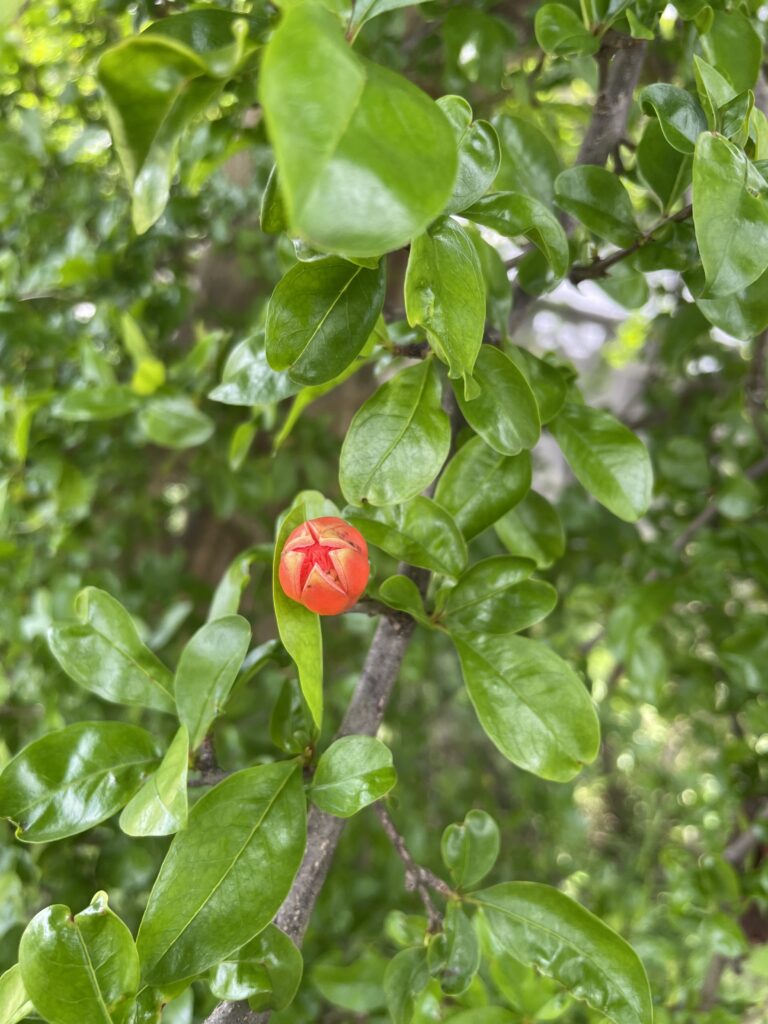
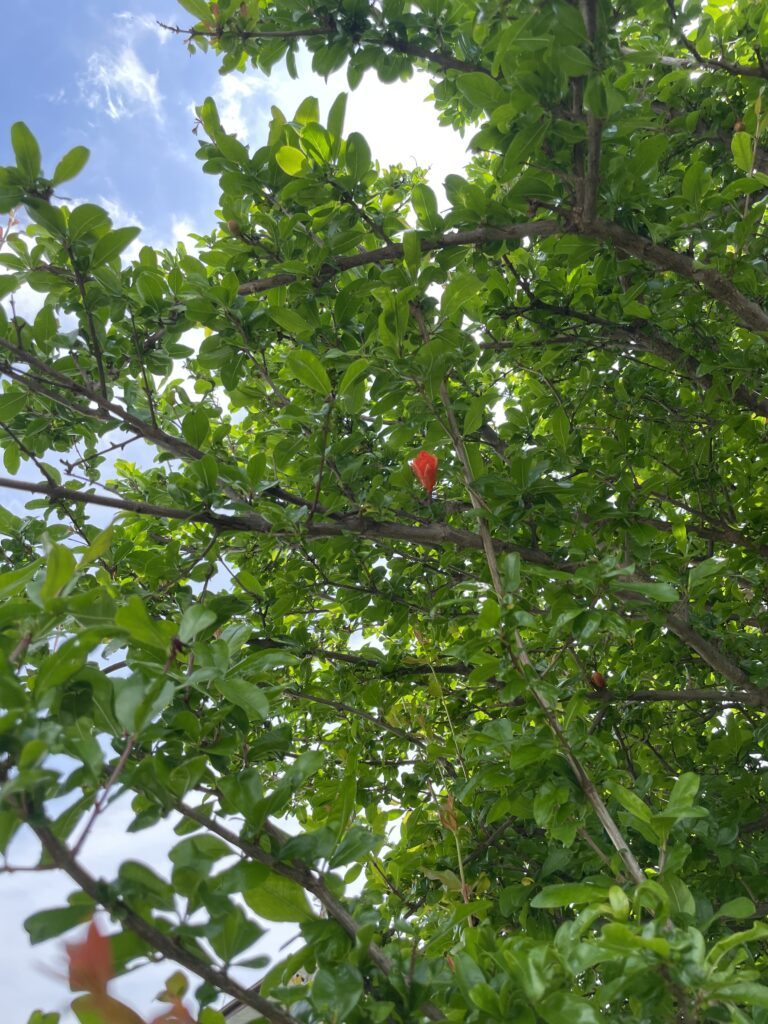
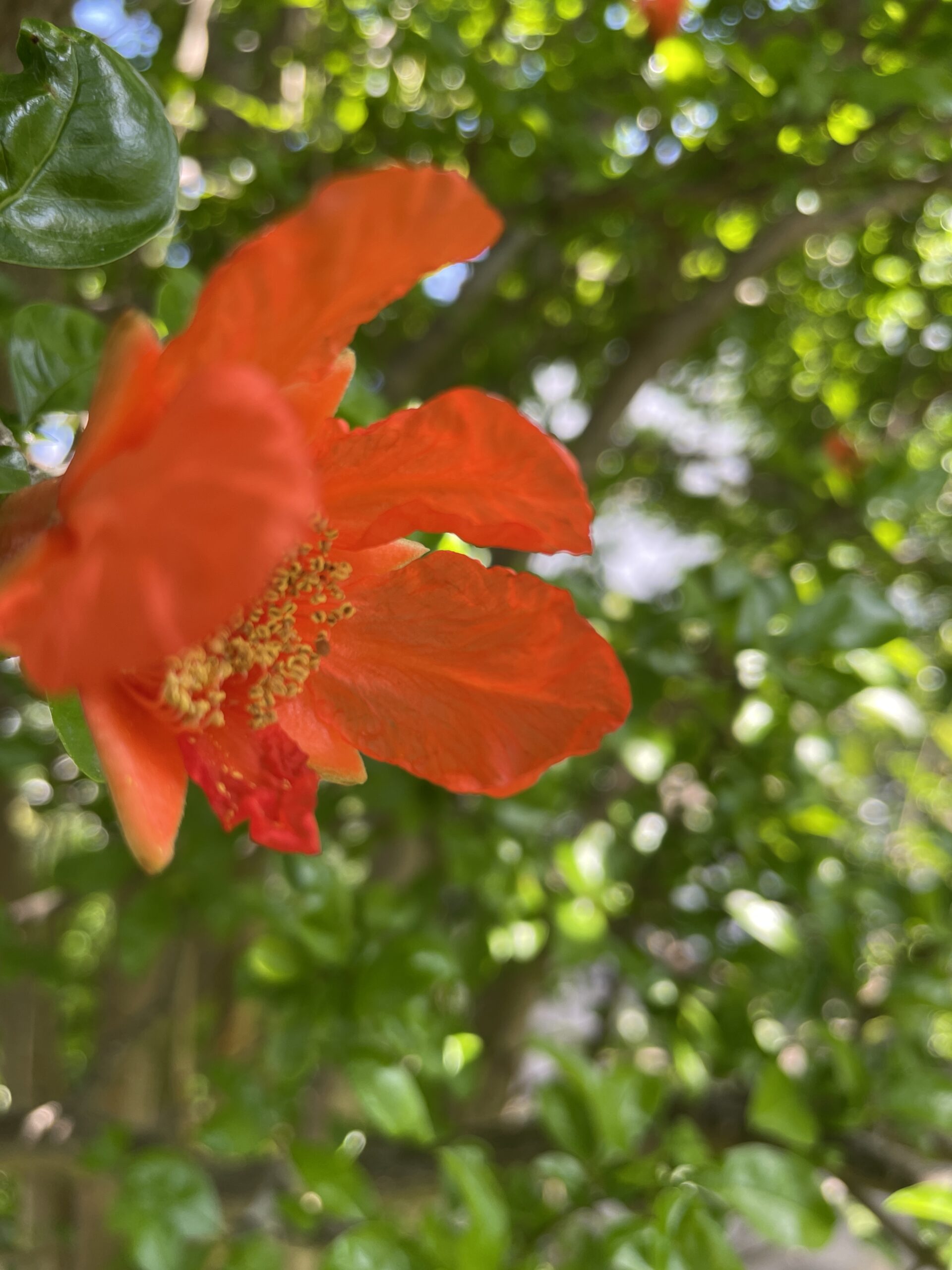
    Pomegranate tree in a Japanese garden, over 50 years old

    A Living Treasure in My Garden

    In my garden grows a pomegranate tree that has been here since before I was born — over 50 years old. Every autumn, it produces around 50 bright red fruits, filling the garden with color. This year, I’m finally going to make my own pomegranate vinegar!

    50-year-old pomegranate tree in a Japanese home garden

    The Buddhist Legend of Pomegranate

    In Japan, pomegranate has a sacred connection to Buddhism. Kishimojin was a demon who devoured children — until the Buddha offered her a pomegranate as a substitute. She was transformed, becoming a protector of children. Her shrines in Tokyo’s Zoshigaya and Iriya are still visited by many today.

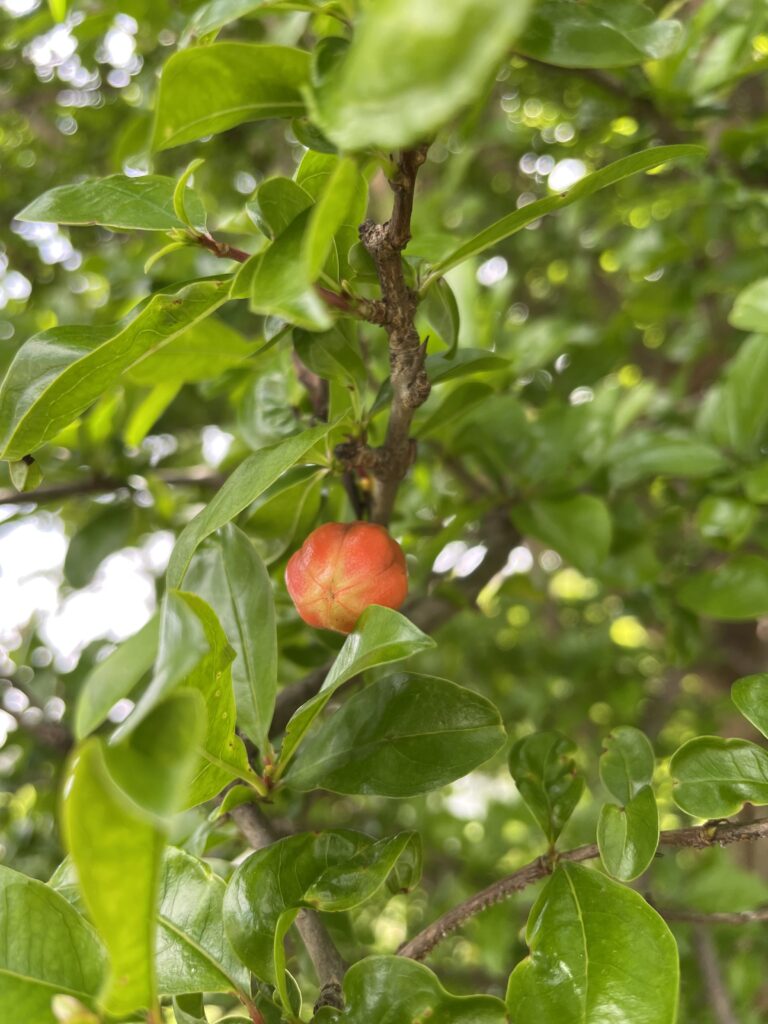
    Pomegranate fruit ripening on a tree in Japan

    Beauty Secret from Korea to Japan

    Pomegranate vinegar is hugely popular in Korea as a beauty drink — great for skin and anti-aging. The recipe is simple: equal parts pomegranate seeds, sugar, and vinegar. Mix and wait one month. I’ll be trying this myself this autumn!

    Book Tokyo Garden Experiences on Klook

    Try Pomegranate Juice from Japan on Amazon

    私が生まれた時からある樹齢50年以上のざくろの木があります。毎年秋になるとたくさん実をつけ、その鮮やかな朱色がとってもきれい。今年こそ、ずっと作りたかったざくろ酢に挑戦しようと思っています。

    ざくろは日本の仏教と深い縁があります。鬼子母神(きしぼじん)は、かつて子どもを食べる恐ろしい鬼女。しかしお釈迦様は「子どもの代わりにざくろを食べなさい」と諭し、彼女は改心。以来、ざくろは子どもの守り神・鬼子母神のシンボルとなりました。東京の雑司ヶ谷や入谷には今も鬼子母神堂があり、多くの参拝者が訪れます。

    ざくろは韓国でも美容食として大人気。ざくろ酢は肌荒れ・アンチエイジングに効果があるとされ、毎朝飲むといいらしい。作り方はとてもシンプル。ざくろの実・砂糖・酢を同量混ぜて1ヶ月待つだけ。今年の秋、私も挑戦します!

  • Cherry Blossom Front 2026: A Little Earlier Than Usual

    summarize the estimated cherry blossom front in Japan for j 、This year, it’s said that areas like Kanto and Eastern Japan are expected to bloom slightly earlier than usual.

    ⭐️Tokyo and Kanto: expected to bloom around March 20th, 2026 this year!

    reaching full bloom by late March

    example, around March 28th!!!!!

    It’s a prediction…

    ⭐️⭐️Kyoto and Osaka: 京都 大阪

    expected to bloom in late March,

    full bloom by the end of March to early April.

    Tripadvisorより

    ⭐️Tohoku (such as Sendai): 仙台市など

    expected to bloom around early April.

    nippon.comより
    https://www.nippon.com/ja/japan-video/gu003011/

    ⭐️Hokkaido (Sapporo): Cherry blossoms expected to bloom around late April.

    At the end of April, Japan has Golden Week. (ゴールデンウィーク休日)That’s a vacation in Japan. It’s a long break.(not a long though,,)

    If you want to enjoy Sakura and Golden Week, Hokkaido would be the best choice.

    2026 cherry blossoms season,

    everyone, please come to Japan.

    somewhere in the sakura streets, somewhere in a beautiful town in Japan!

  • The First Spring Breeze in Kanto

    https://pin.it/77UF6HE6D

    Spring has finally arrived and the plants in my garden are swaying desperately in the wind. Take a look at how my garden is doing.

    Thanks for checking it out.

    Please hit the like button.⭐️

  • Osechi おせち料理: Golden Chestnut Kinton with Gardenia

    https://pin.it/6sijO1TmC

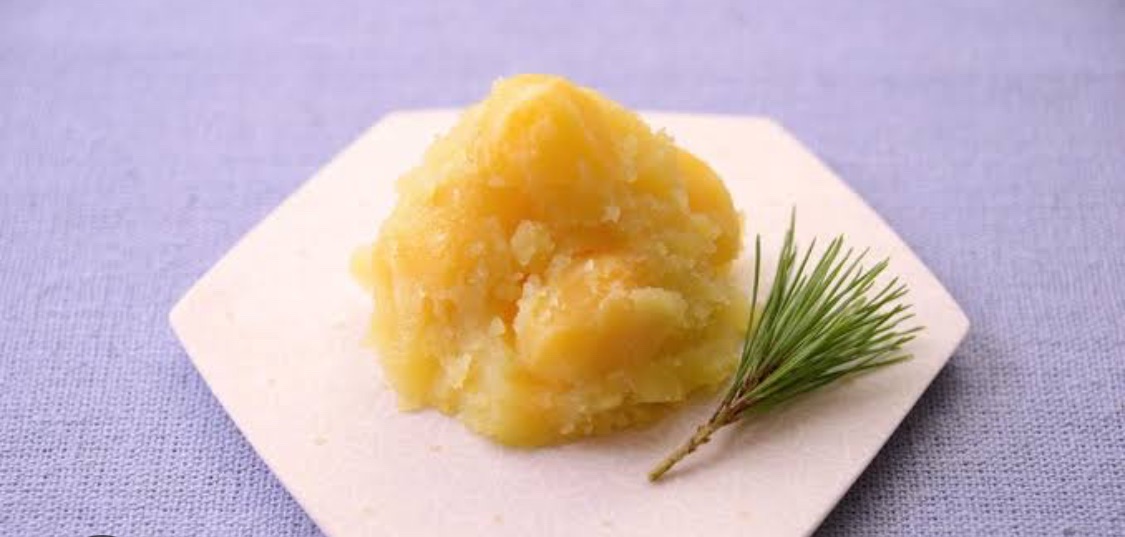
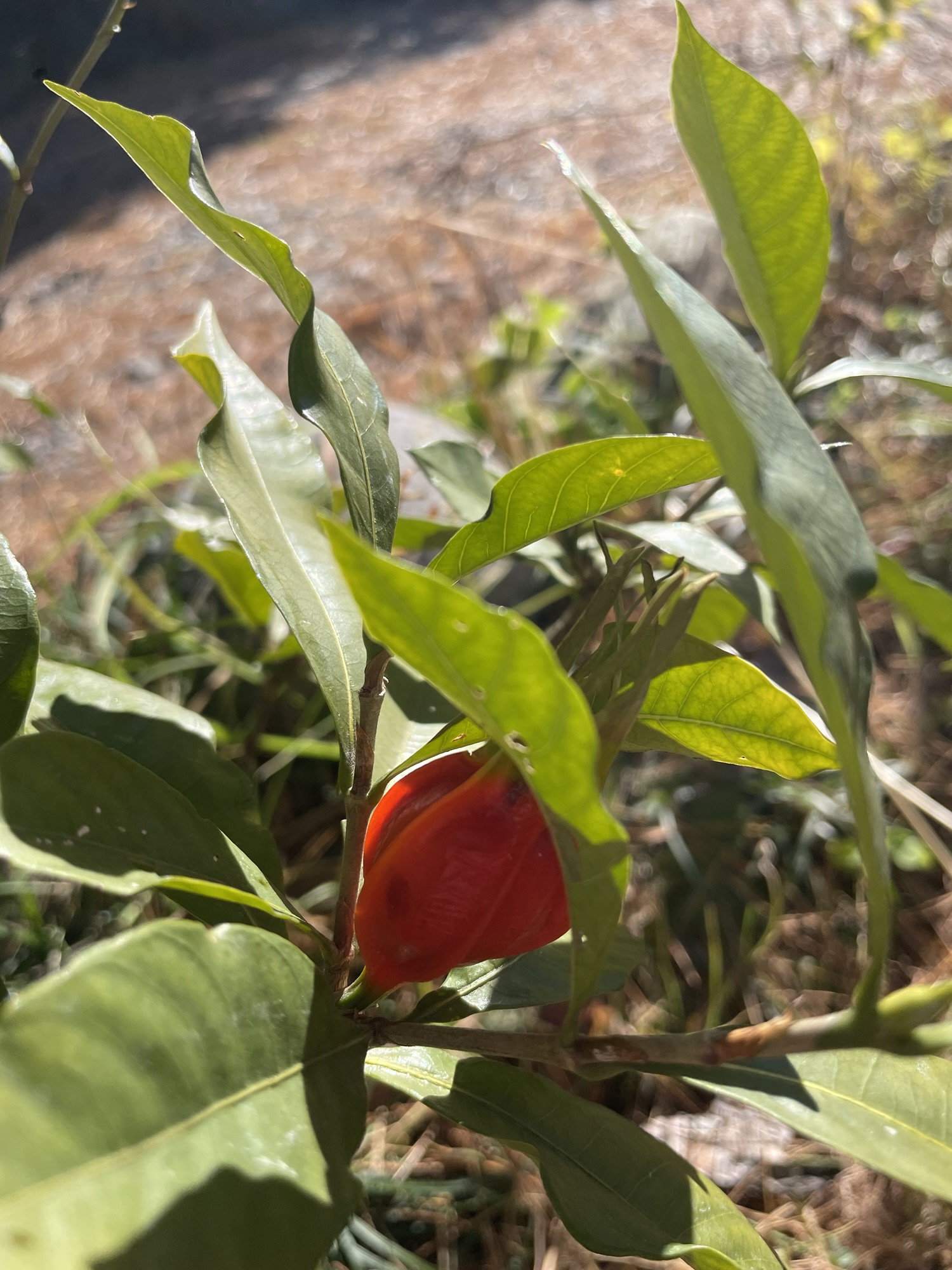
    クチナシの実を使った栗きんとんは、鮮やかな黄金色がとってもきれいで、おせち料理の縁起物として親しまれています。

    The origin of Kurikinton lies in the chestnut that the Japanese people have been eating since ancient times.

    The history of chestnuts is very old, and it is recorded in the “Nihon Shoki” established in the Nara period (720) that the cultivation of chestnuts was encouraged by the Emperor.

    At that time, chestnuts were mainly boiled or roasted, and were not considered as sweets, but later a process of “squeezing boiled chestnuts in a 茶巾Chakin was invented, giving rise to the prototype of the current 栗きんとんKurikinton.

    The turning point in history came in the late Edo period. It was in Nakatsugawa (now Nakatsugawa City, Gifu Prefecture) that became the birthplace of Kurikinton.

    At that time, Nakatsugawa, located along the 中山道 Nakasendo, one of the five major highways, was also one of Japan’s leading chestnut-producing areas. Taking advantage of this strength, many confectionery craftsmen in the area started making Kurikinton, and stores selling it were established one after another.

    キッコーマンホームページより

    作り方

    https://www.kikkoman.co.jp/homecook/washoku/061/

    金運上昇☝️

    商売繁盛☝️

    黄金色で財をなす

    豊かな一年を願い今年もつくってみます

    自家製のクチナシの実使って

    こんなにきれいなクチナシの実。

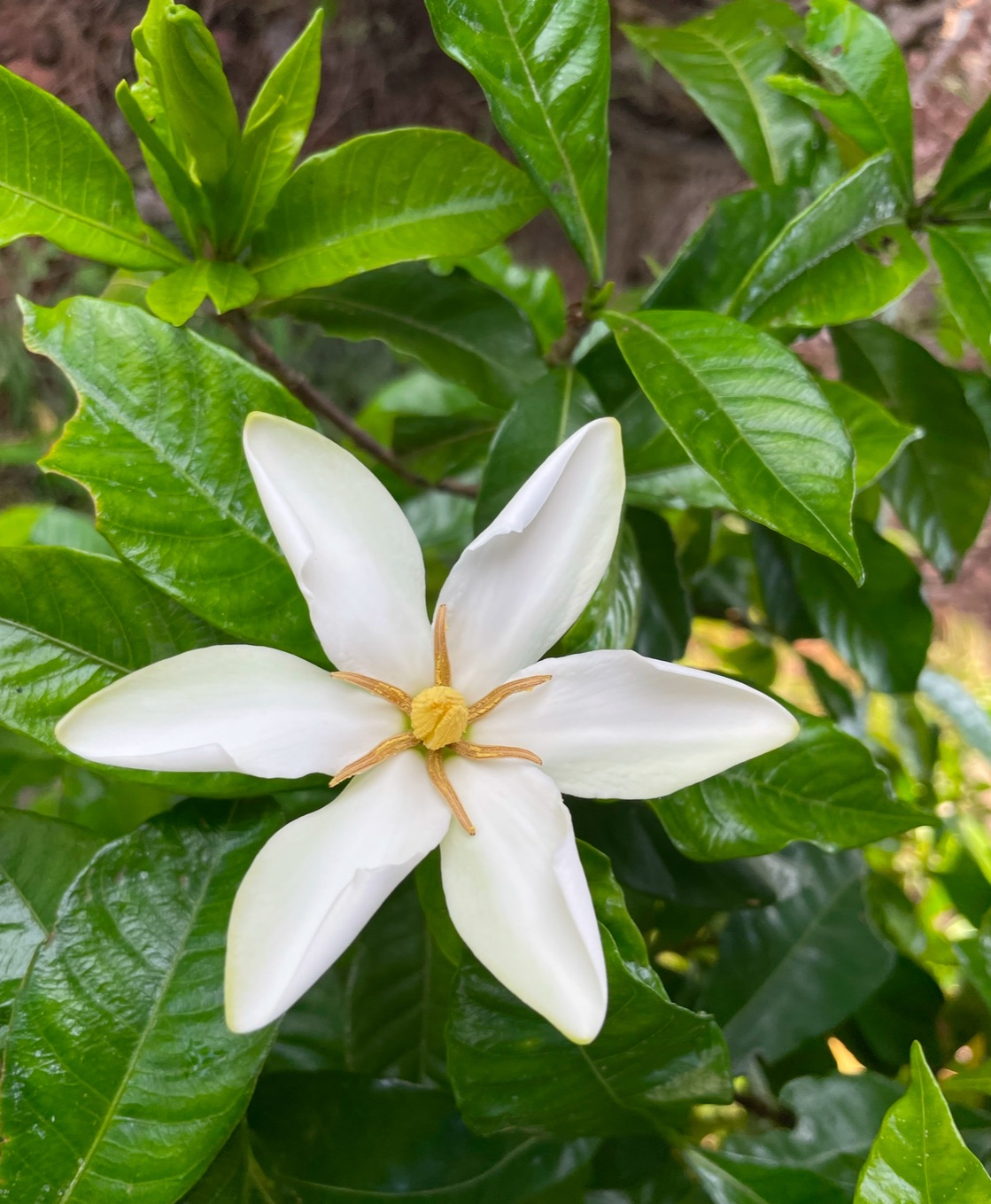
    こんなに美しい可憐な白い花 December

    庭にて June

    からこんな色の実ができるなんて 自然ってほんと不思議❣️

    今日の庭からでした ではまた次回!

  • Garden: Gardenia クチナシ

    https://pin.it/ox71FYsjq

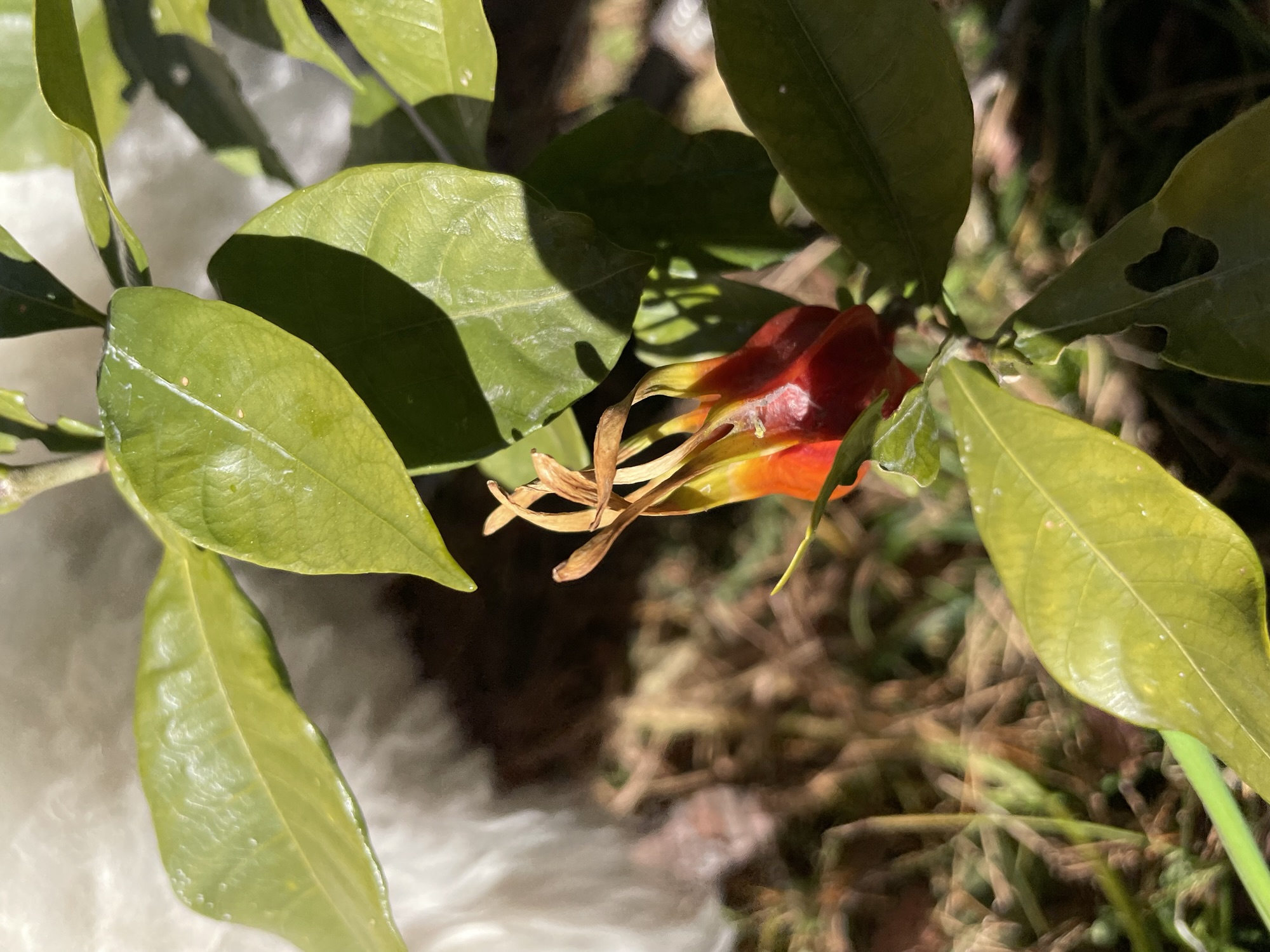
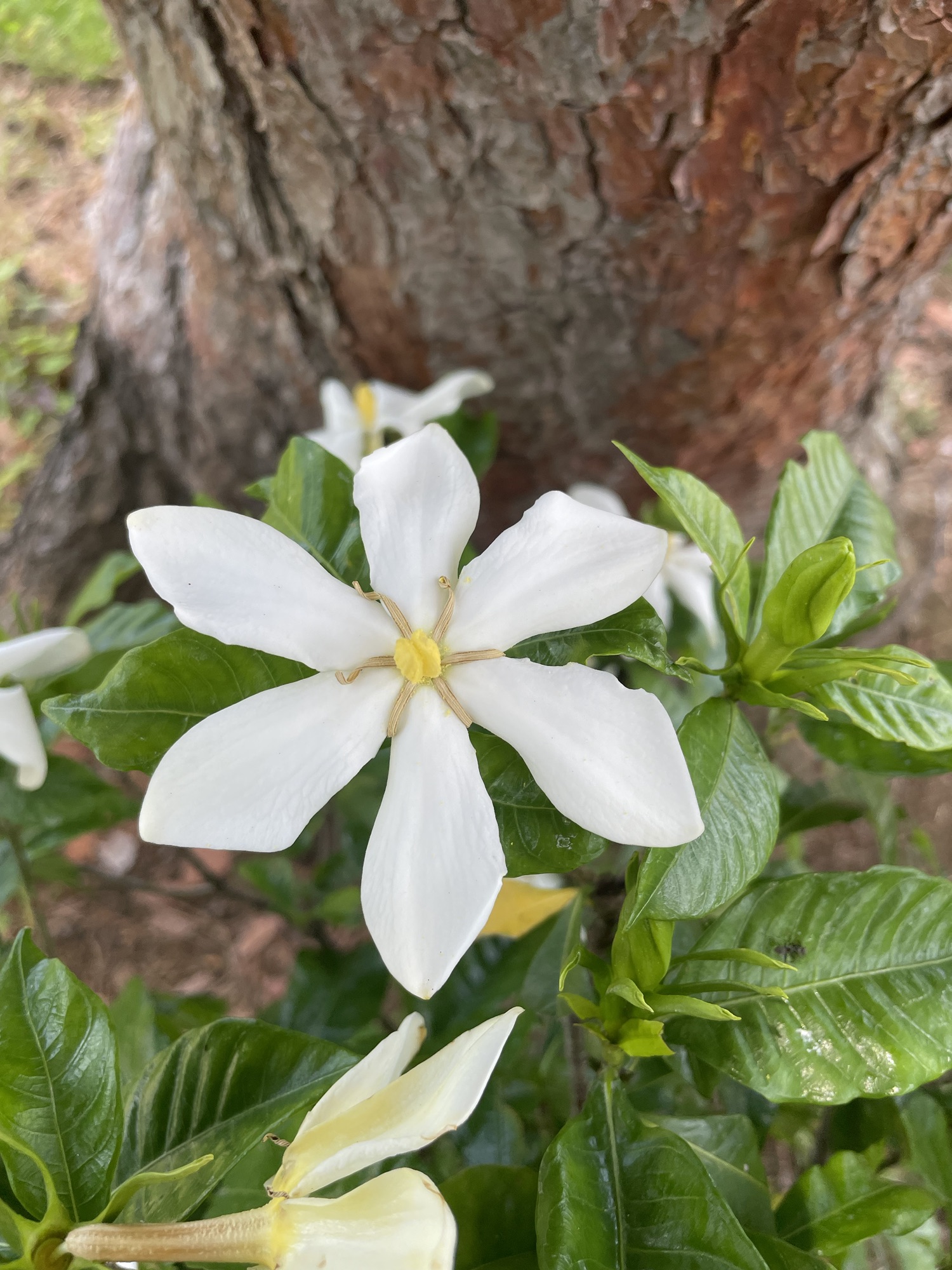
    Gardenia (Gardenia jasminoides) is an evergreen shrub in the family Gardeniaceae.

    Native to East Asia, including Japan and China, it produces white flowers from June to July.

    The tree is 1 to 2 meters tall.

    クチナシ

    There are various theories as to the origin of its name, but one well-known theory is that it came to be called “gardenia” because its fruit does not split open when ripe and its mouth does not open.

    The fragrance of the gardenia is one of its main attractions. I love it!

    6月の大好きな花の紹介でした

    June’s Favorite Flowers

    See you next time!

  • Rikka 立夏: A Lovely Season in Japan

    Rikka is one of the 24 Sekki (24 seasonal divisions).

    Nijushisekki divides the spring, summer, fall, and winter seasons into six segments each, and the year is divided into 24 segments, each with a name that serves as a guide to the season.

    For example, the first Sekki before Rikka is “Kokuu,” which means rain moistens grains, and the next Sekki after Rikka is “Shoman,” which means all things are full in heaven and earth.

    Rikka may refer to the day on which summer begins, or it may refer to the 15 days from Rikka to the day before the next Sekki, Shomitsu.

    Rikka(立夏) in 2024: …..May 5 or May 5 – May 19

    See you next time❗️

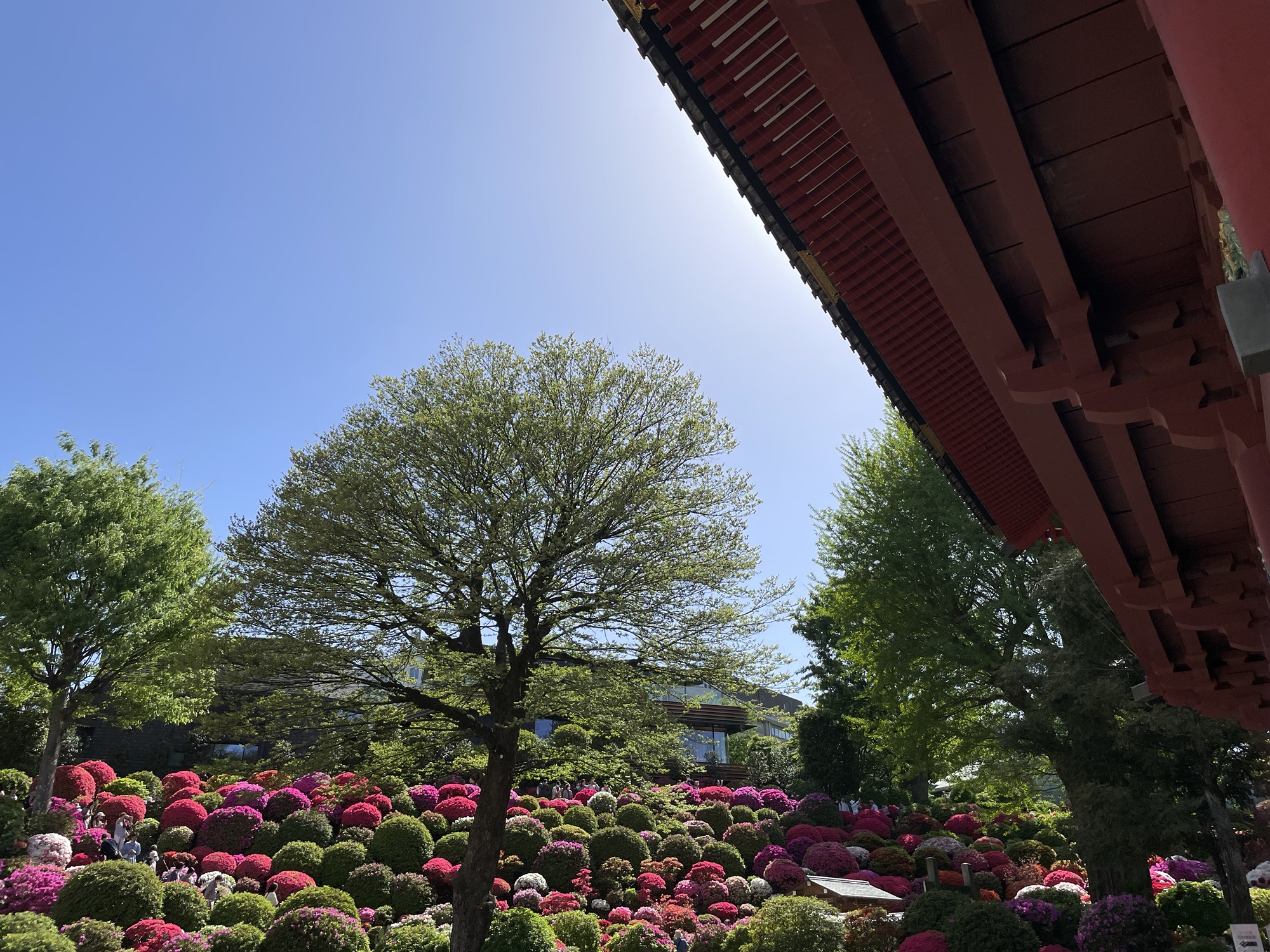
  • April in Tokyo: Rhododendron Festival at Nezu Shrine つつじ

    https://pin.it/5oViWEtn4

    Recommended.

    https://nedujinja.or.jp/

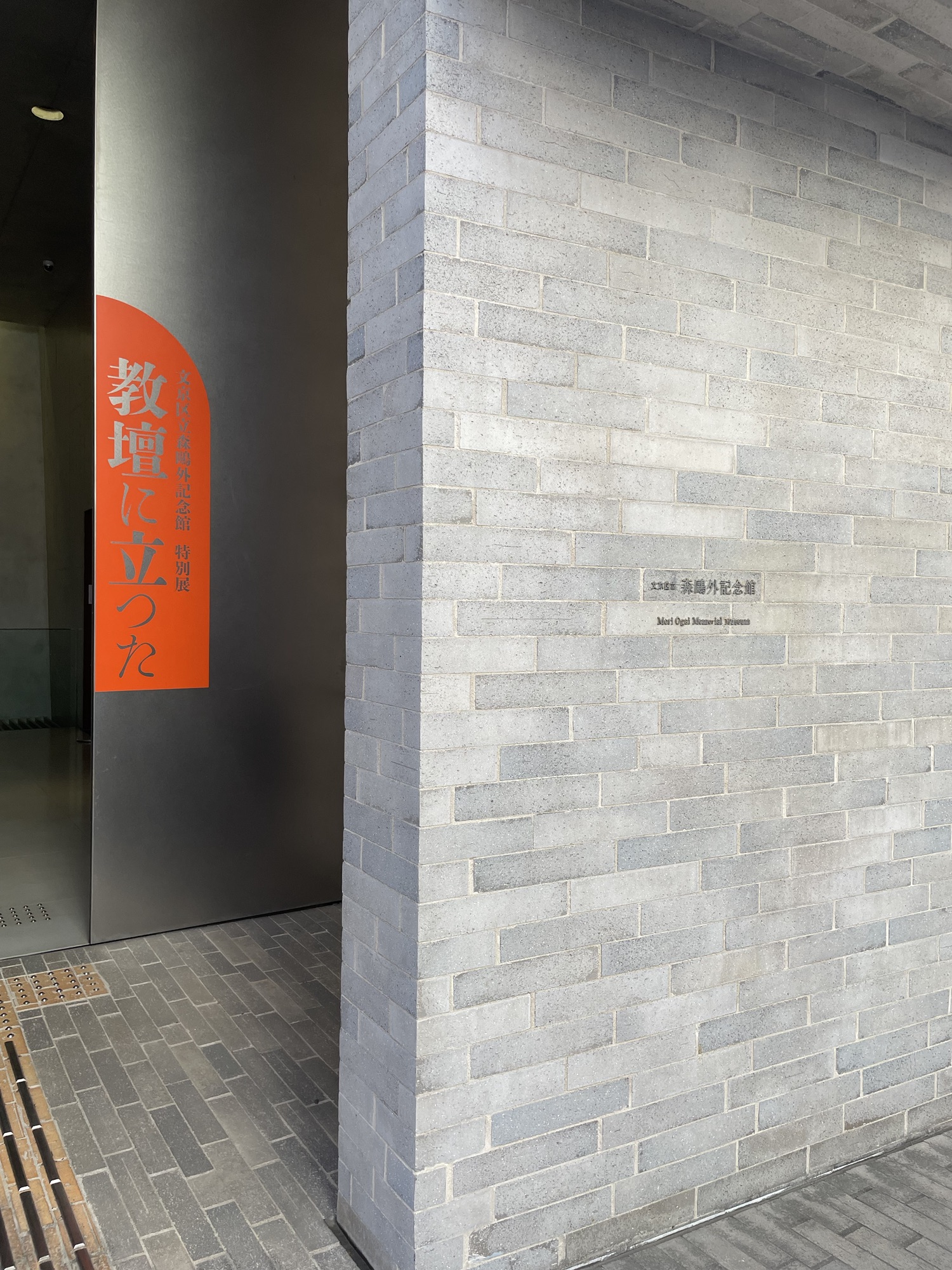
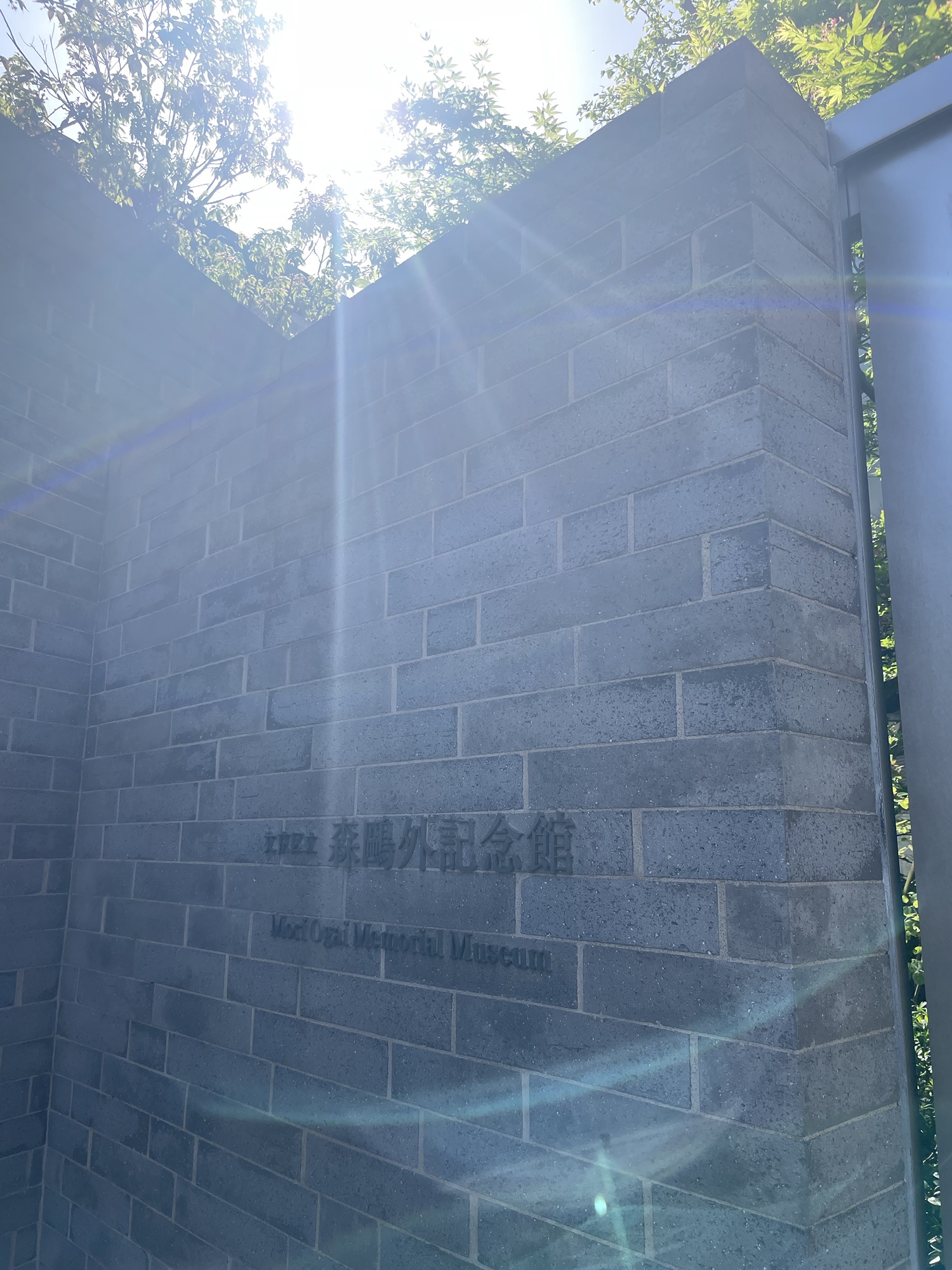
    After seeing colorful azaleas, take a 30-minute walk from Nezu to the Ogai Memorial Museum in Sendagi.

    https://moriogai-kinenkan.jp/modules/contents/index.php?content_id=38

    It is said that Ogai of old days took a walk
    While walking in the quiet residential area of today
    You will notice that there are many hills.

    That’s why it’s called Dangozaka.団子坂

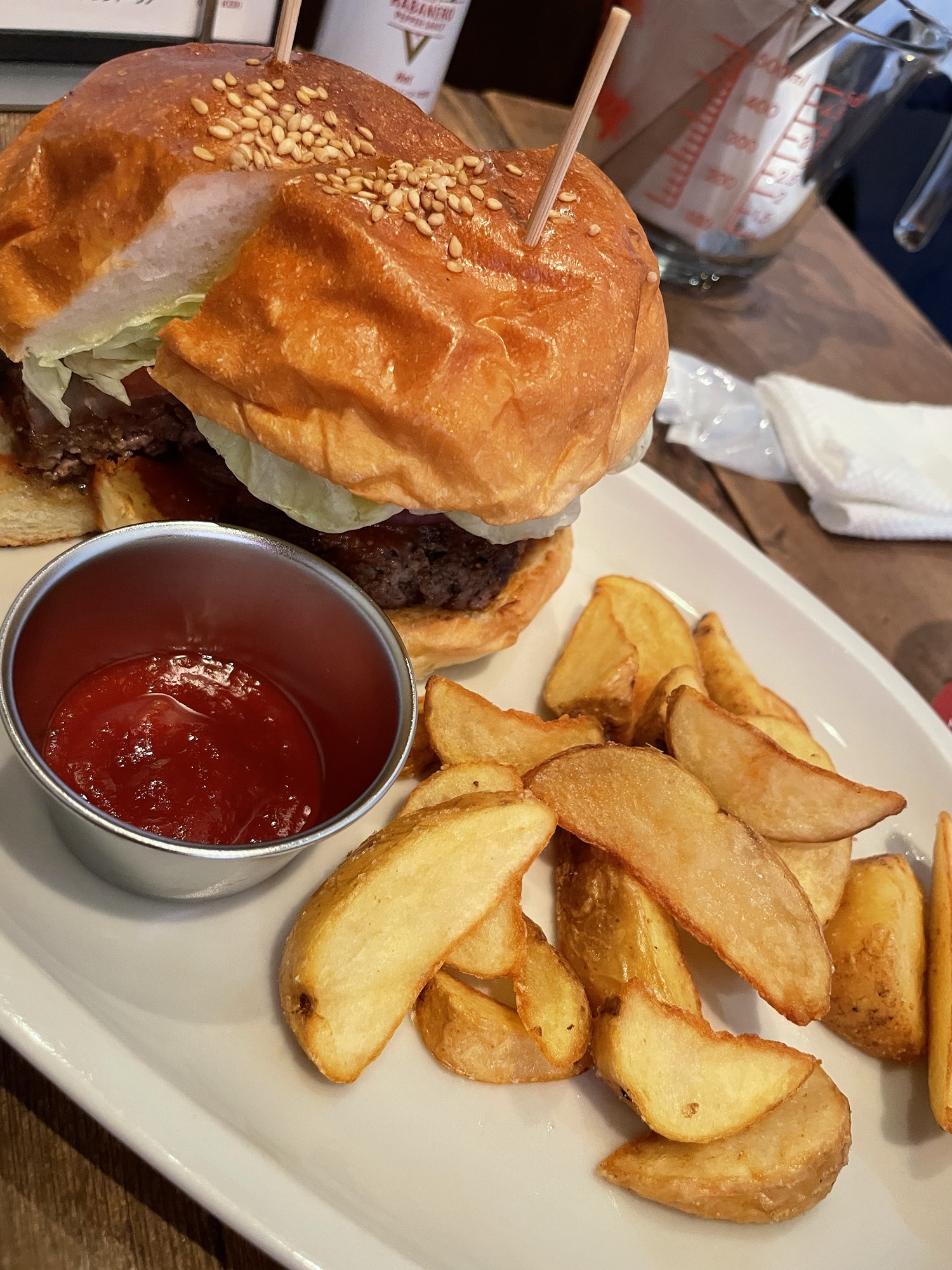
    Finally, I found a cawaii hamburger shop that just opened near the station!

    The burgers were delicious, as was the homemade ketchup!

    What should I do for the rest of the day in Tokyo?
    I recommend this “Tokyo Small Town Tour”

    The azalea festival is in April.
    Nezu Shrine is always a good place for photos!
    And there is a relaxed atmosphere

    See you soon!

    I’ll be back to introduce you to

    Sunsun Cawaii Japan tour!

    🤩Ideas for additions🤩
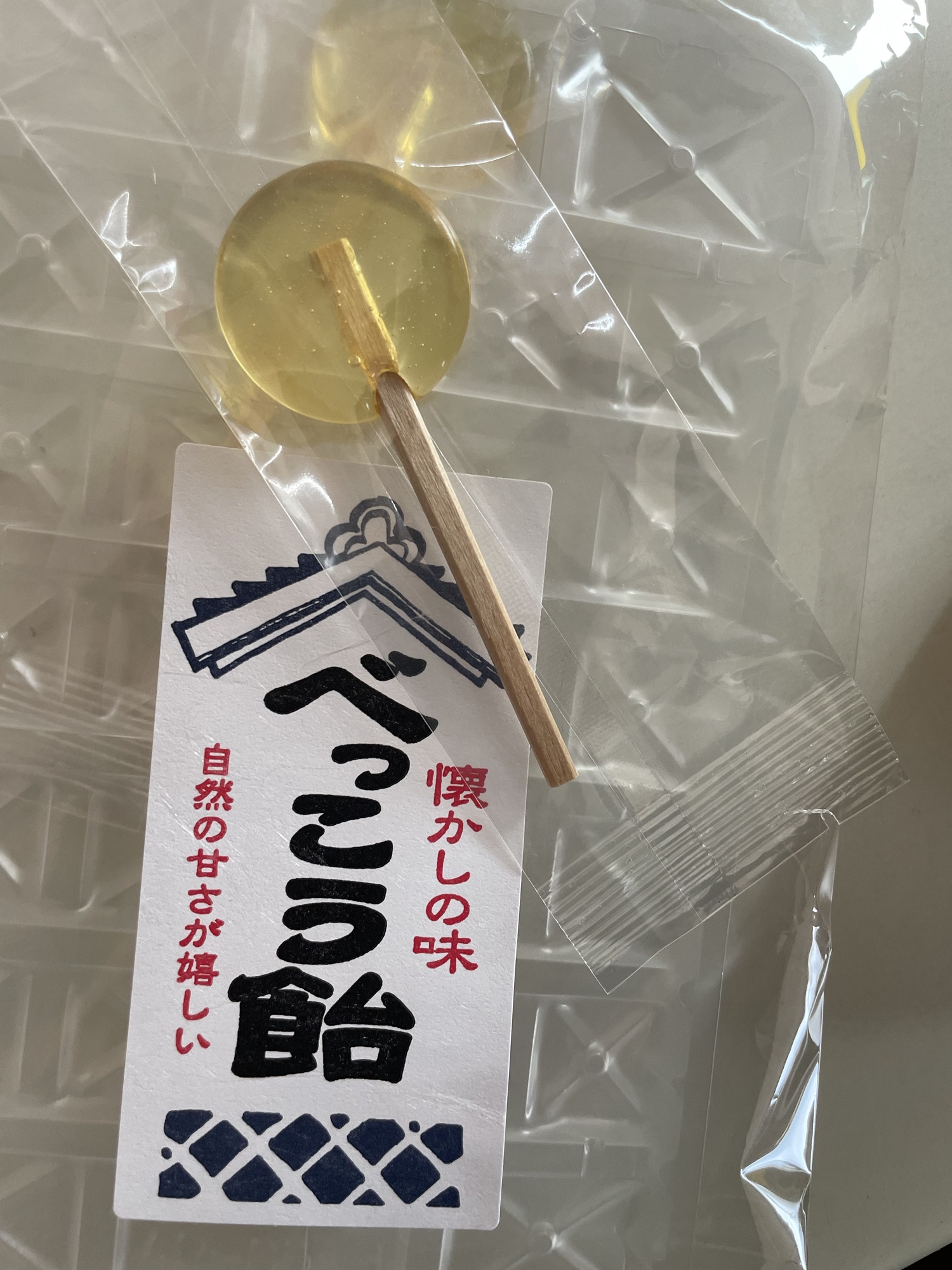
    There is a very tasty candy shop near Nezu Shrine!

    https://g.co/kgs/a8pmzwg
  • Garden: Ardisia crenata 万両

    お正月の縁起物 赤い実 万両

    千両より大きく赤い実をつけることから万

    万両と名付けられました

    https://pin.it/1ZmMLi3

    New Year’s lucky charm: red berries, mangyo

    The red berries are larger than “Senryo” and are called “Manyo” in Japanese.

  • Lycoris radiata 曼珠沙華

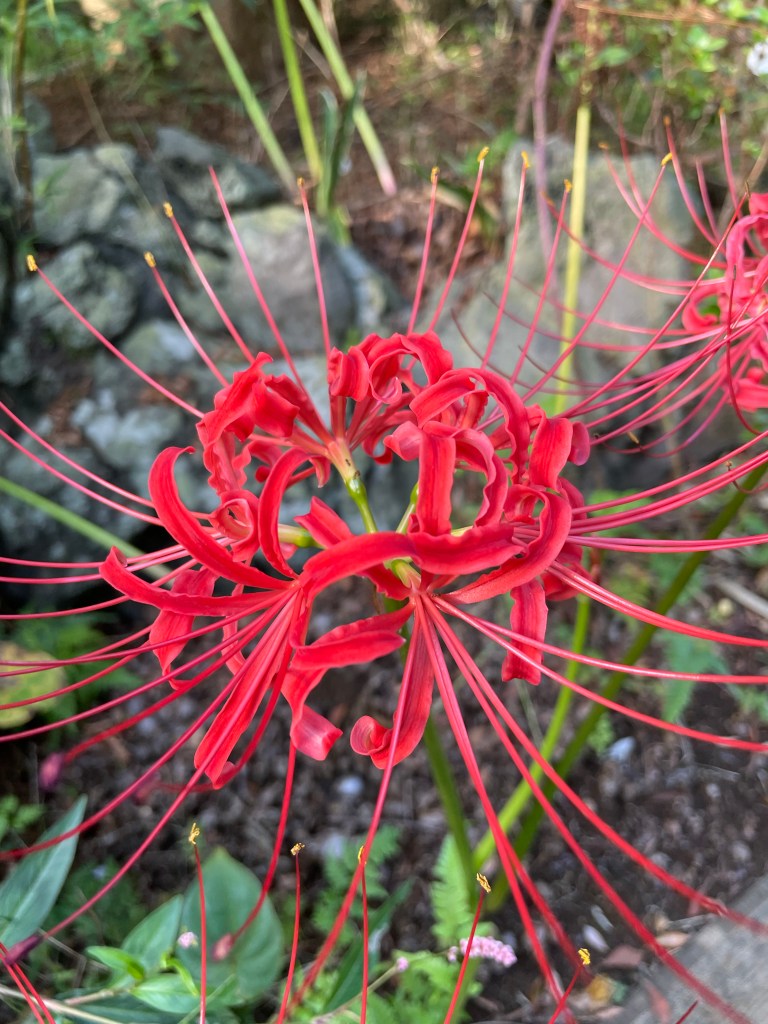
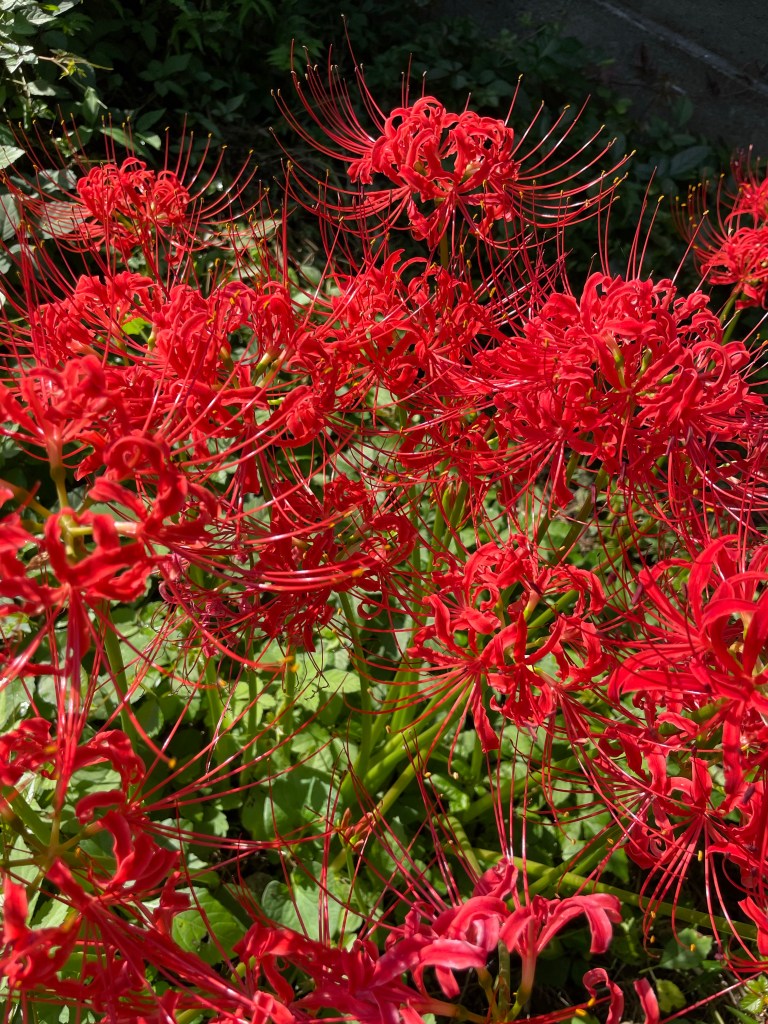
    毒があるとか不吉な花とか言われるけど目が醒めるような赤

    美しい

    https://pin.it/3DA3Kzi

    In Japan, higanbana (higanbana) is a flower that grows in clusters alongside roads and on banks, heralding the arrival of autumn. When it comes into bloom, only the stem grows quickly and bears a single red flower, followed by the sprouting of thin leaves. For a long time, it was considered an unlucky flower in Japan, as it was planted in cemeteries and was often associated with death.