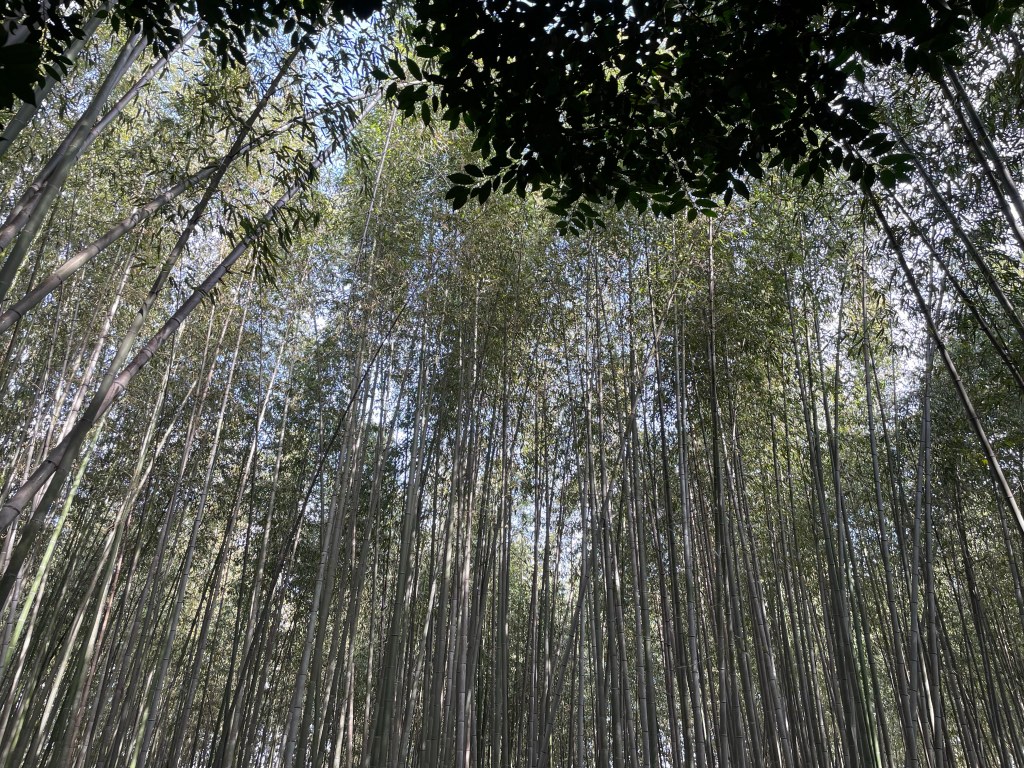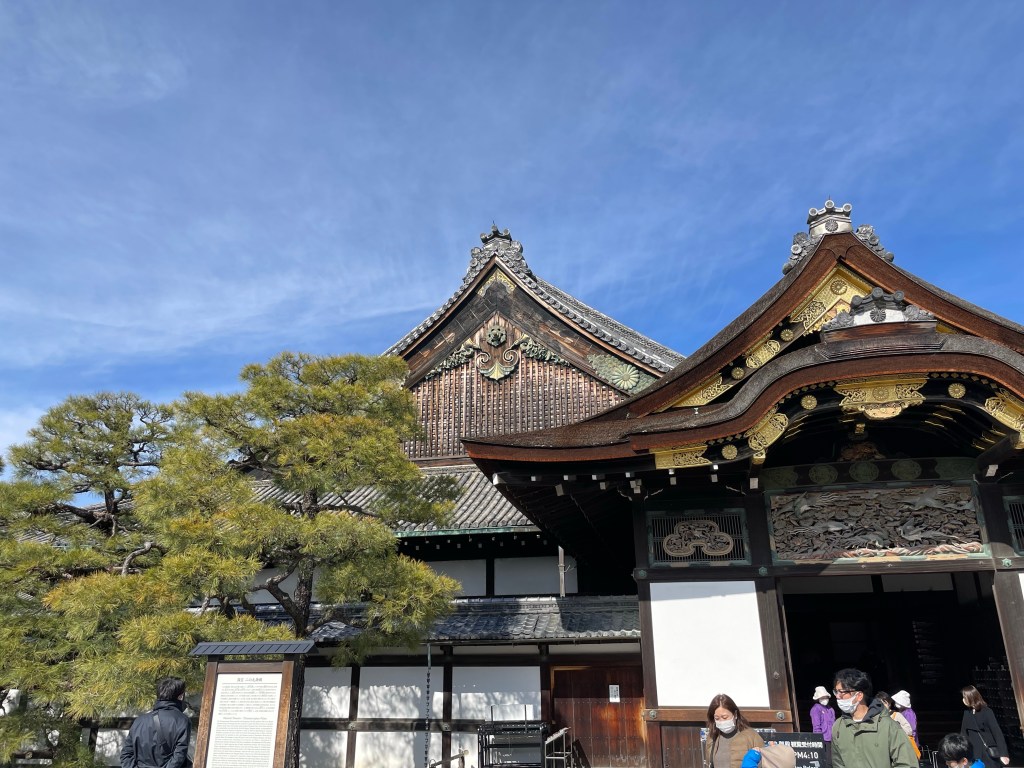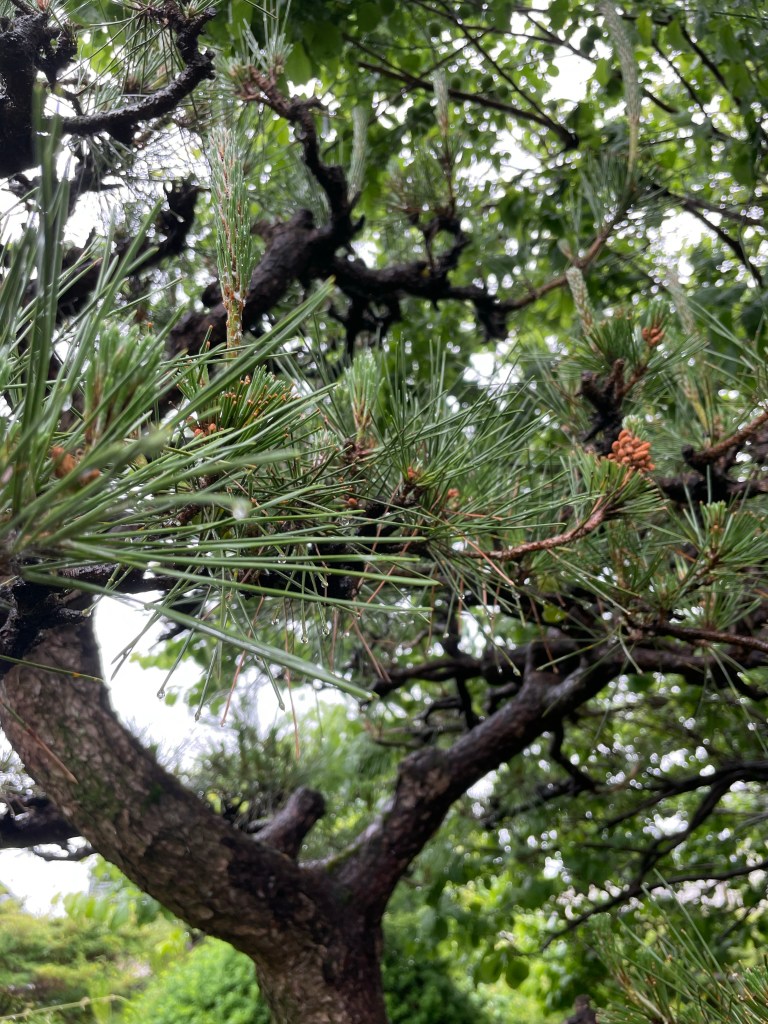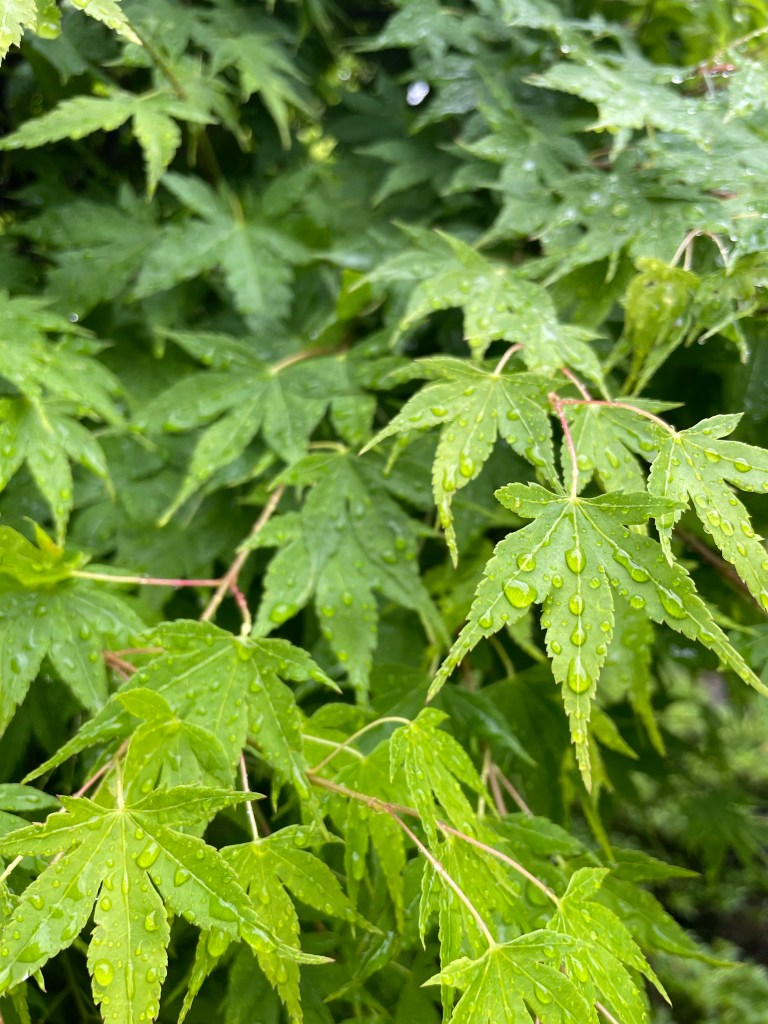
Japanese garden

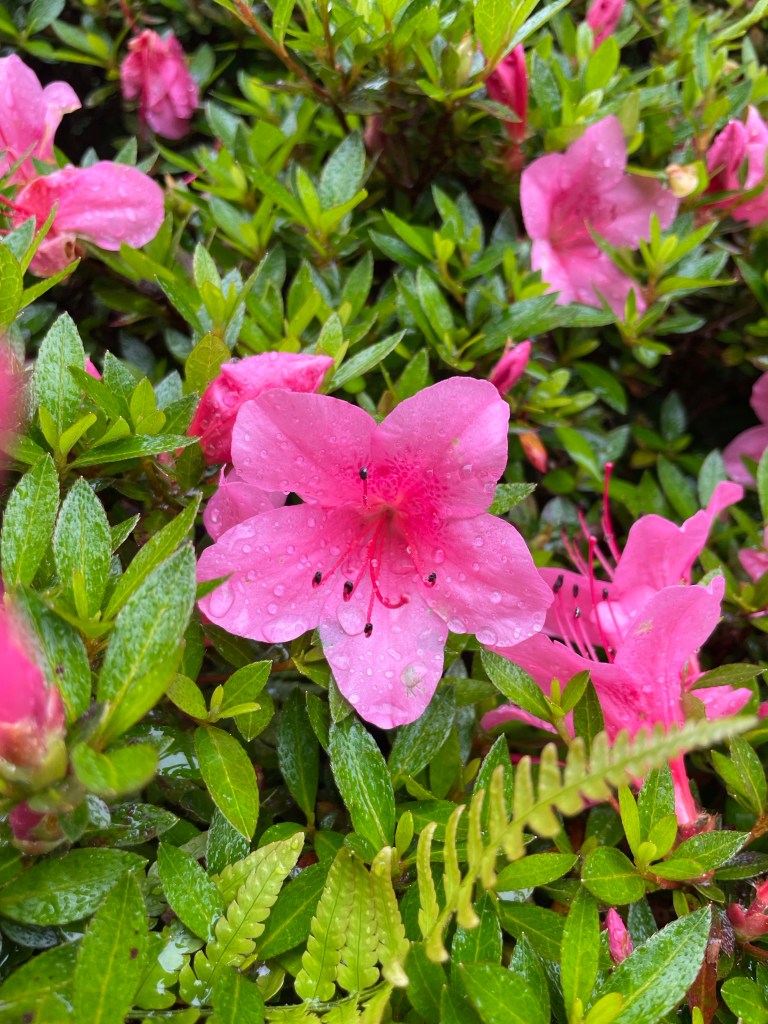
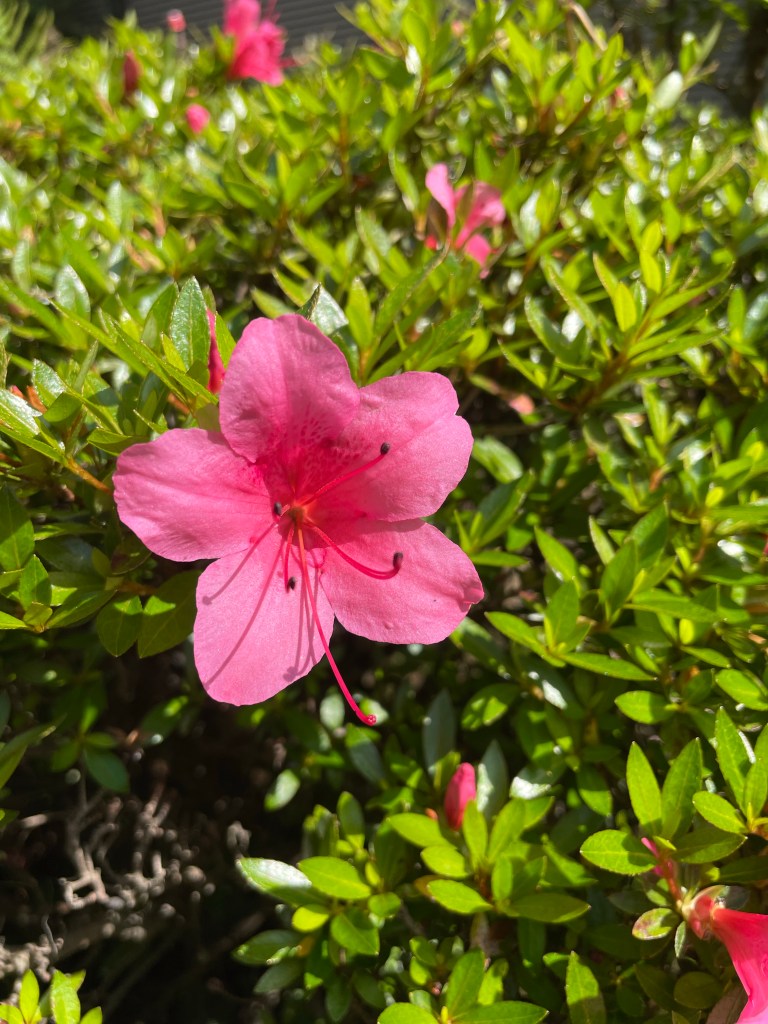
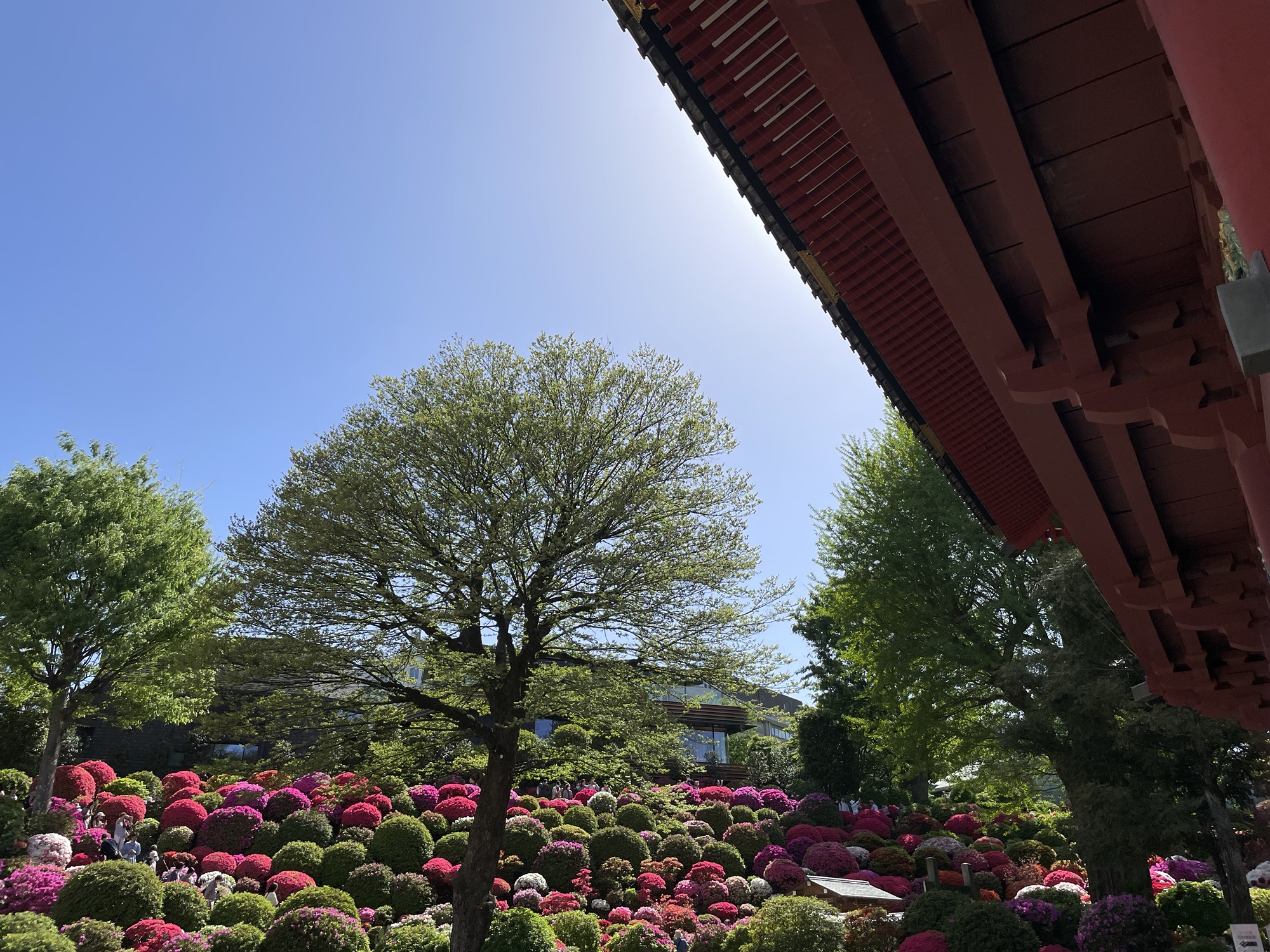
  • April in Tokyo: Rhododendron Festival at Nezu Shrine つつじ

    https://pin.it/5oViWEtn4

    Recommended.

    https://nedujinja.or.jp/

    After seeing colorful azaleas, take a 30-minute walk from Nezu to the Ogai Memorial Museum in Sendagi.
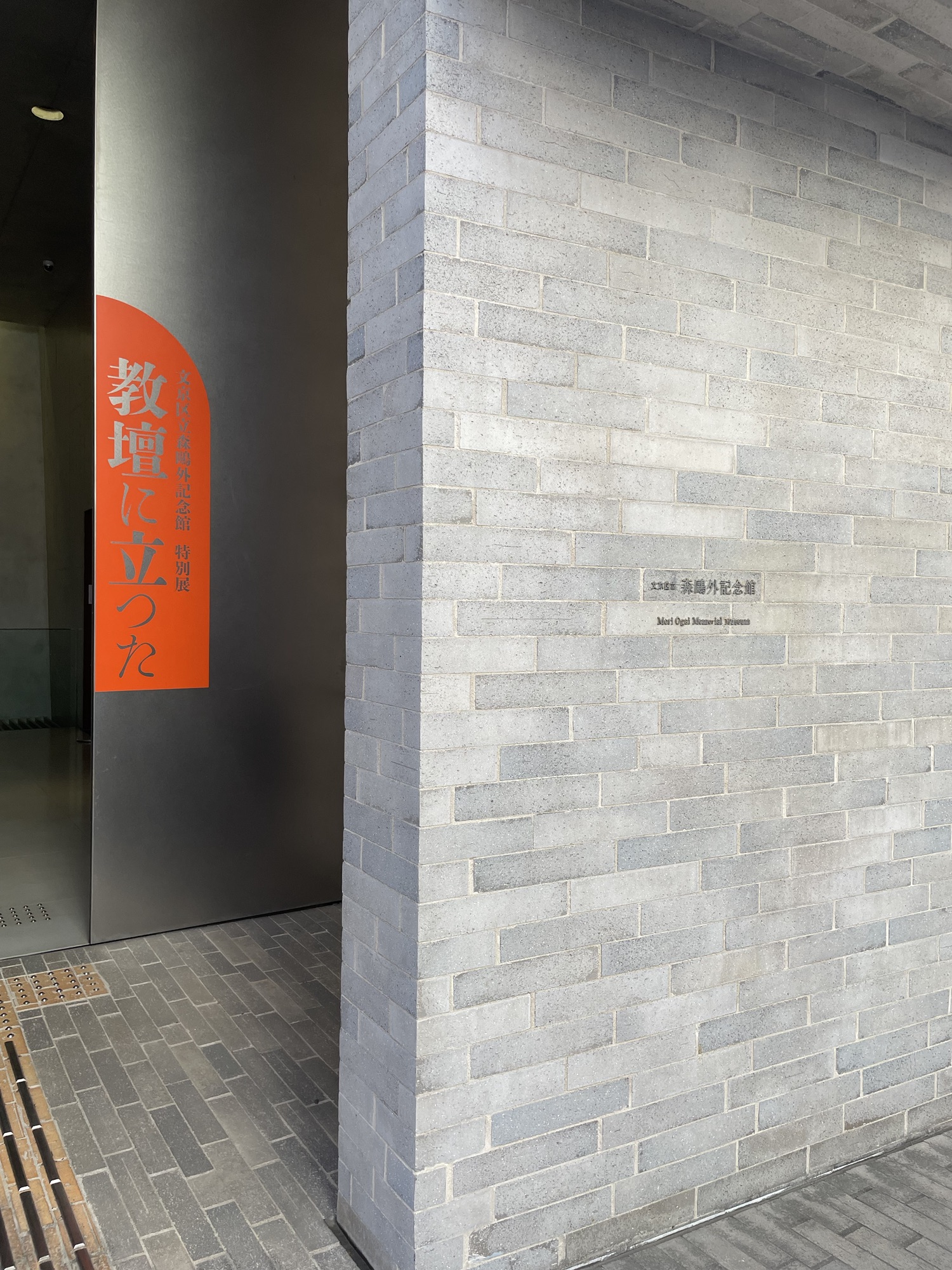
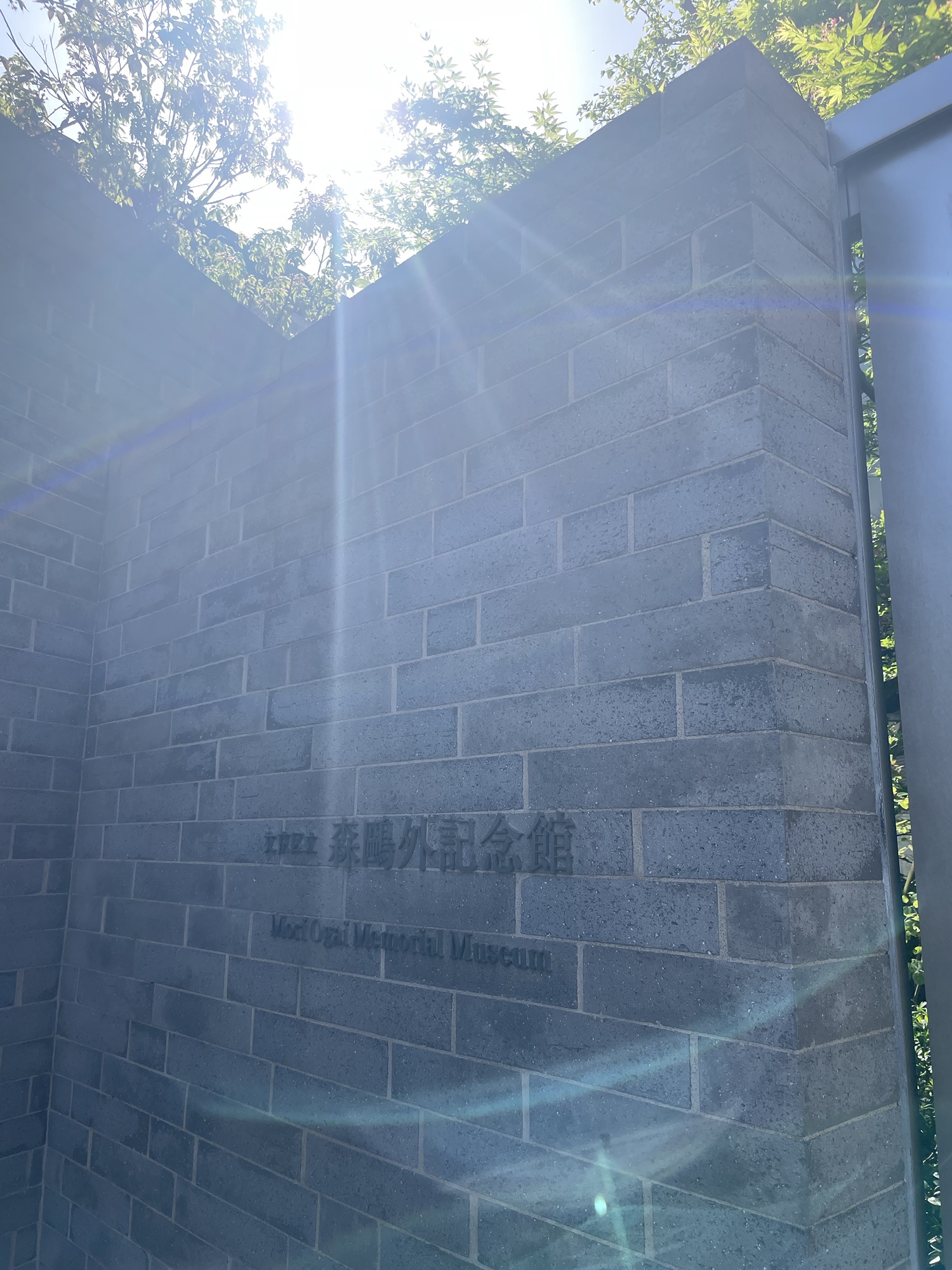
    https://moriogai-kinenkan.jp/modules/contents/index.php?content_id=38

    It is said that Ogai of old days took a walk
    While walking in the quiet residential area of today
    You will notice that there are many hills.

    That’s why it’s called Dangozaka.団子坂

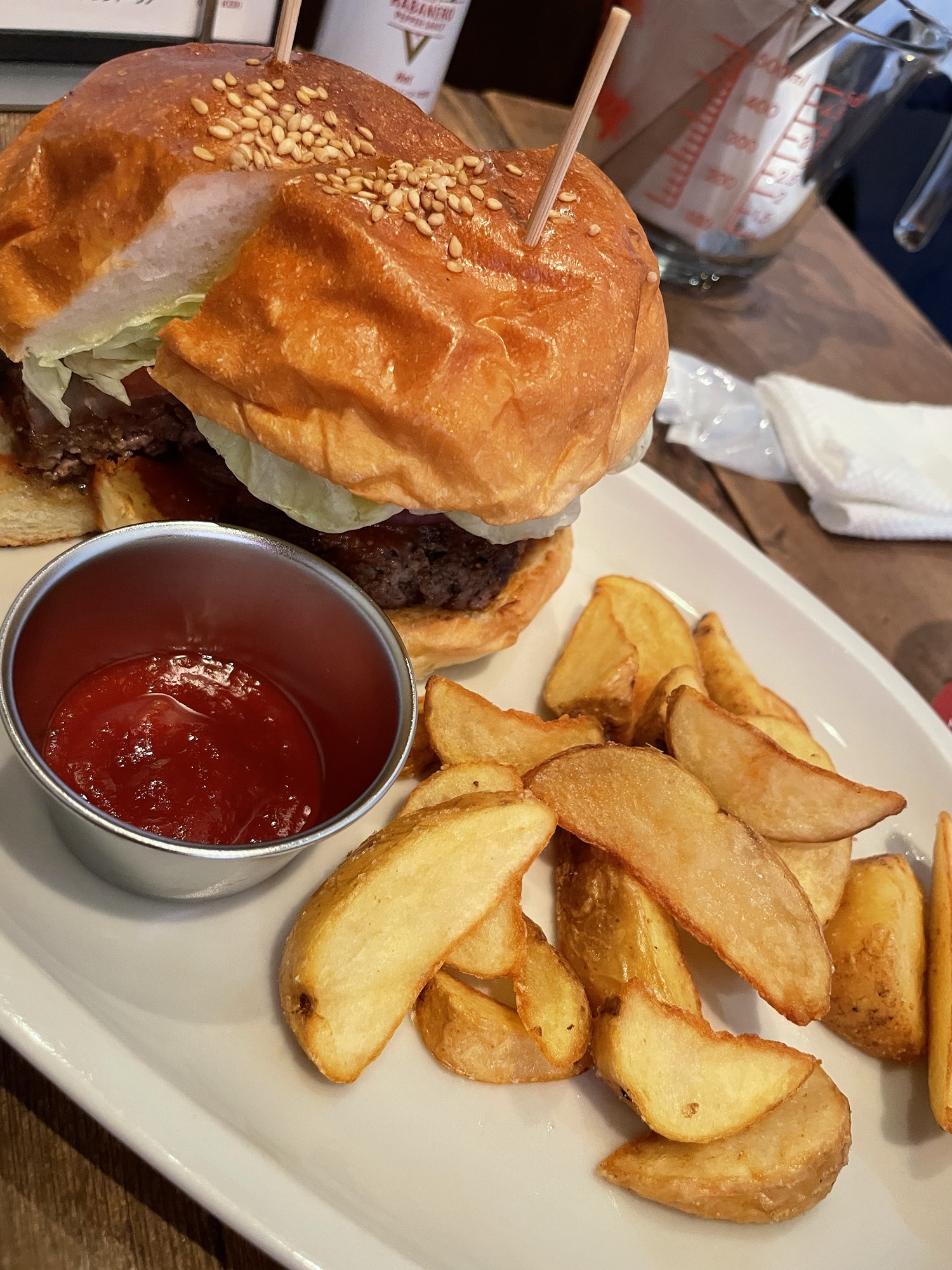
    Finally, I found a cawaii hamburger shop that just opened near the station!
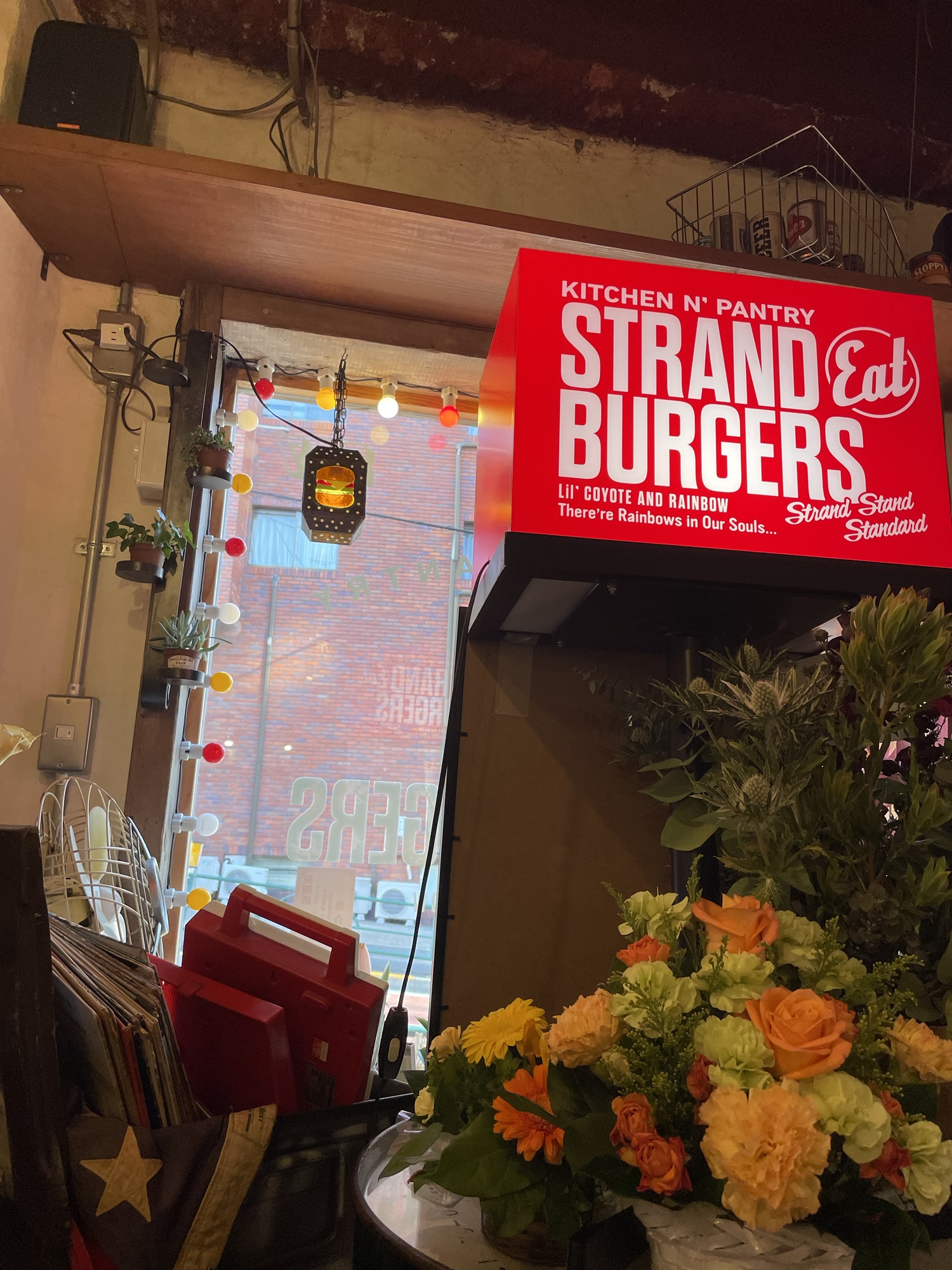
    The burgers were delicious, as was the homemade ketchup!
    What should I do for the rest of the day in Tokyo?
    I recommend this “Tokyo Small Town Tour”

    The azalea festival is in April.
    Nezu Shrine is always a good place for photos!
    And there is a relaxed atmosphere

    See you soon!

    I’ll be back to introduce you to

    Sunsun Cawaii Japan tour!

    🤩Ideas for additions🤩
    There is a very tasty candy shop near Nezu Shrine!
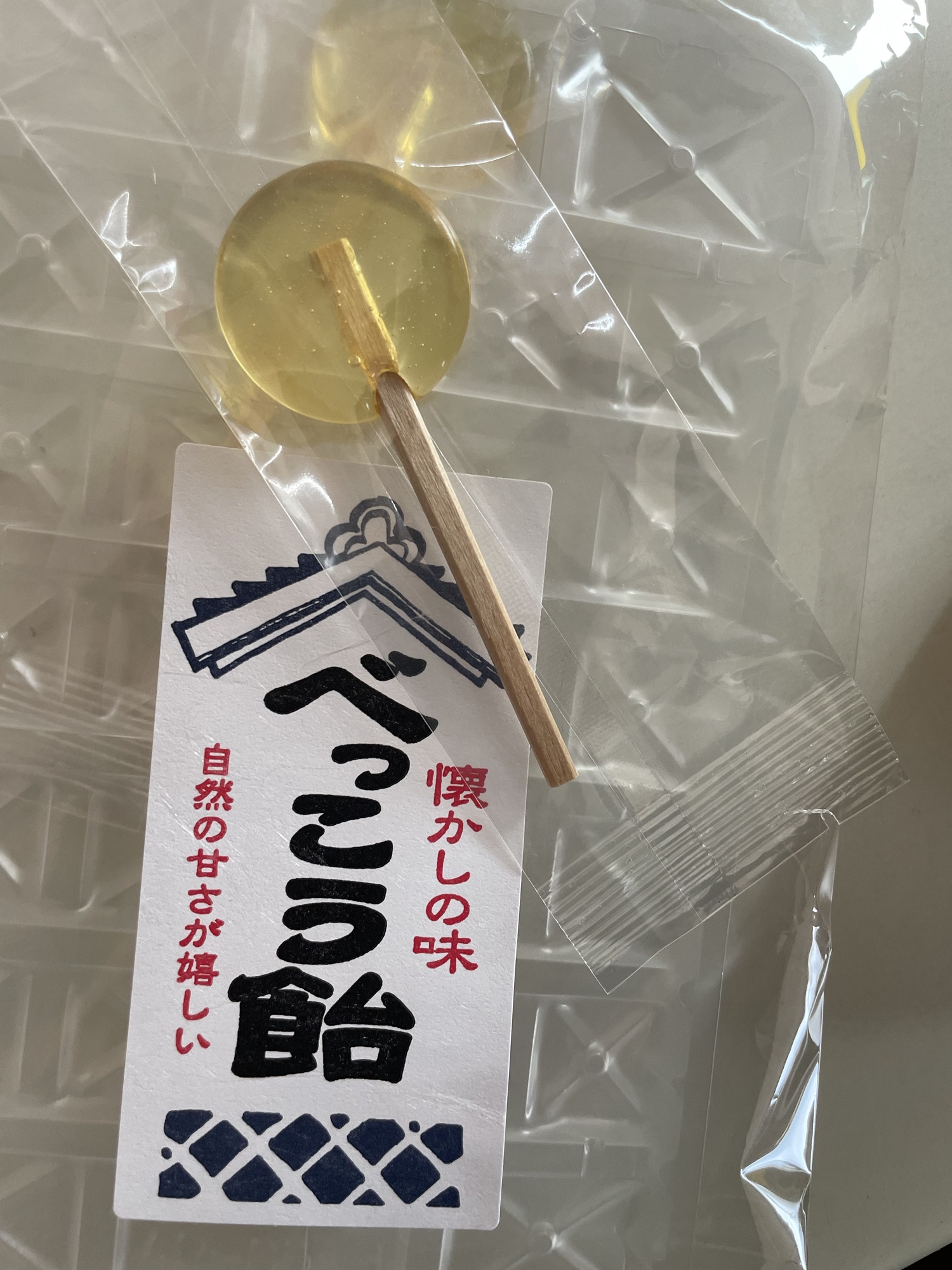
    https://g.co/kgs/a8pmzwg
  • Garden: Ardisia crenata 万両

    お正月の縁起物 赤い実 万両

    千両より大きく赤い実をつけることから万

    万両と名付けられました

    https://pin.it/1ZmMLi3

    New Year’s lucky charm: red berries, mangyo

    The red berries are larger than “Senryo” and are called “Manyo” in Japanese.

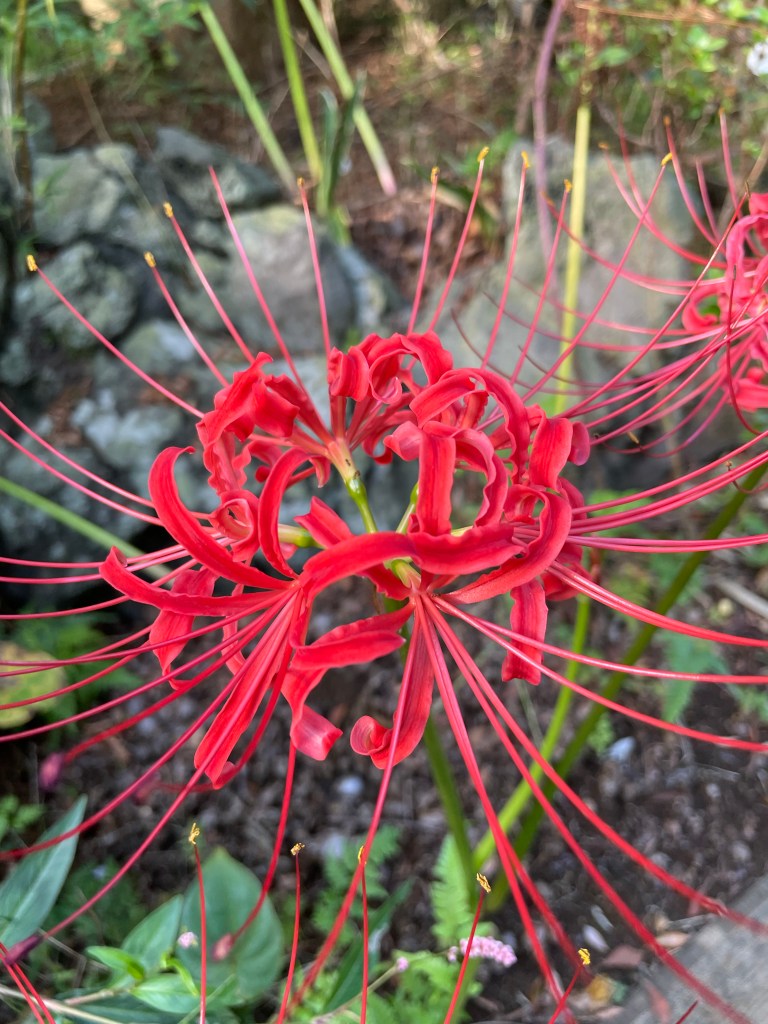
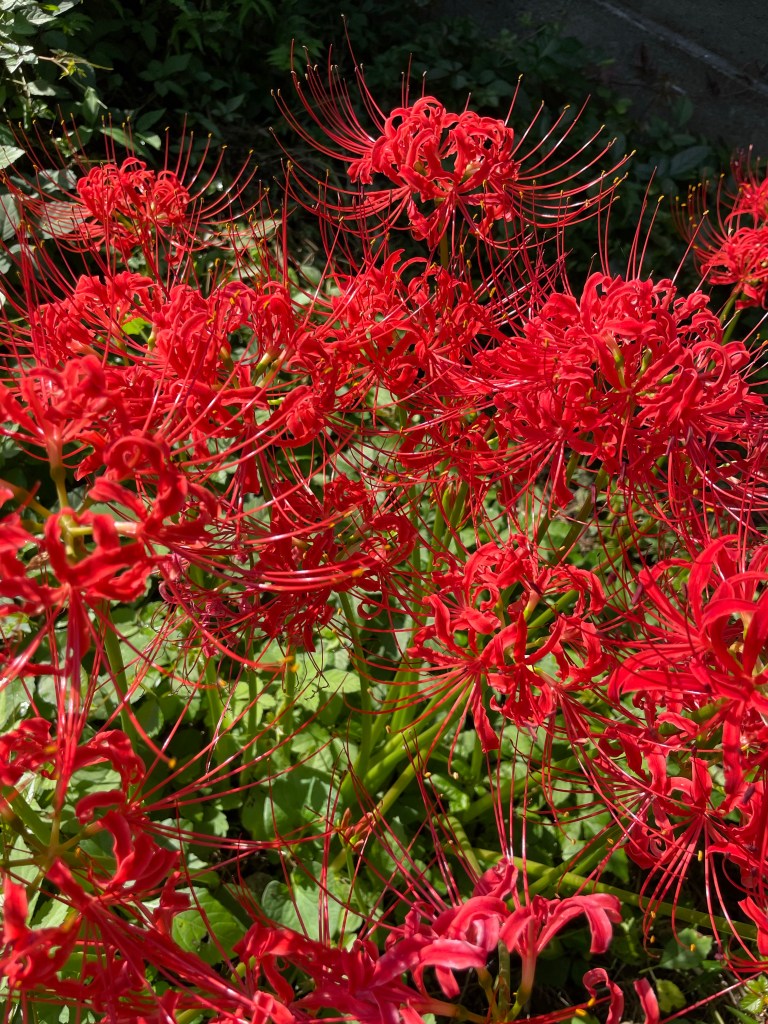
  • Lycoris radiata 曼珠沙華

    毒があるとか不吉な花とか言われるけど目が醒めるような赤

    美しい

    https://pin.it/3DA3Kzi

    In Japan, higanbana (higanbana) is a flower that grows in clusters alongside roads and on banks, heralding the arrival of autumn. When it comes into bloom, only the stem grows quickly and bears a single red flower, followed by the sprouting of thin leaves. For a long time, it was considered an unlucky flower in Japan, as it was planted in cemeteries and was often associated with death.

  • Hydrangea quercifolia 柏葉紫陽花

    https://pin.it/4QvEgPH

    Gradually blooming

    As we enter the rainy season

    カシワバアジサイ

    少しずつ ひとつ

    また少し さいた

    ゆっくり

    満ちていく

    雨に季節が近いね

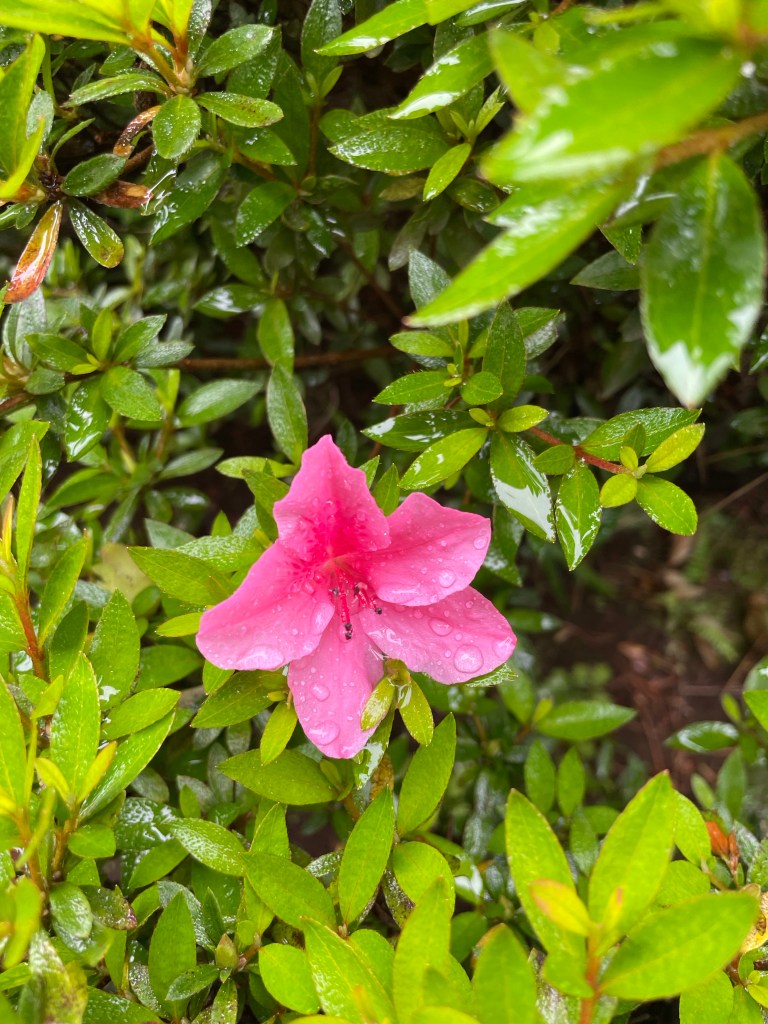
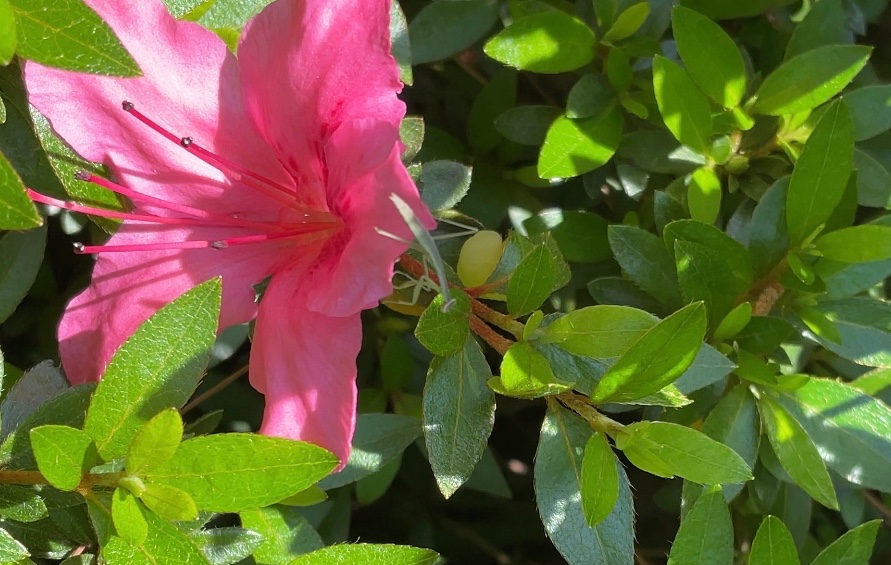
  • Satsuki azalea on a rainy day Very beautiful

    雨の日の皐月

    しっとり咲いてる

    美しい

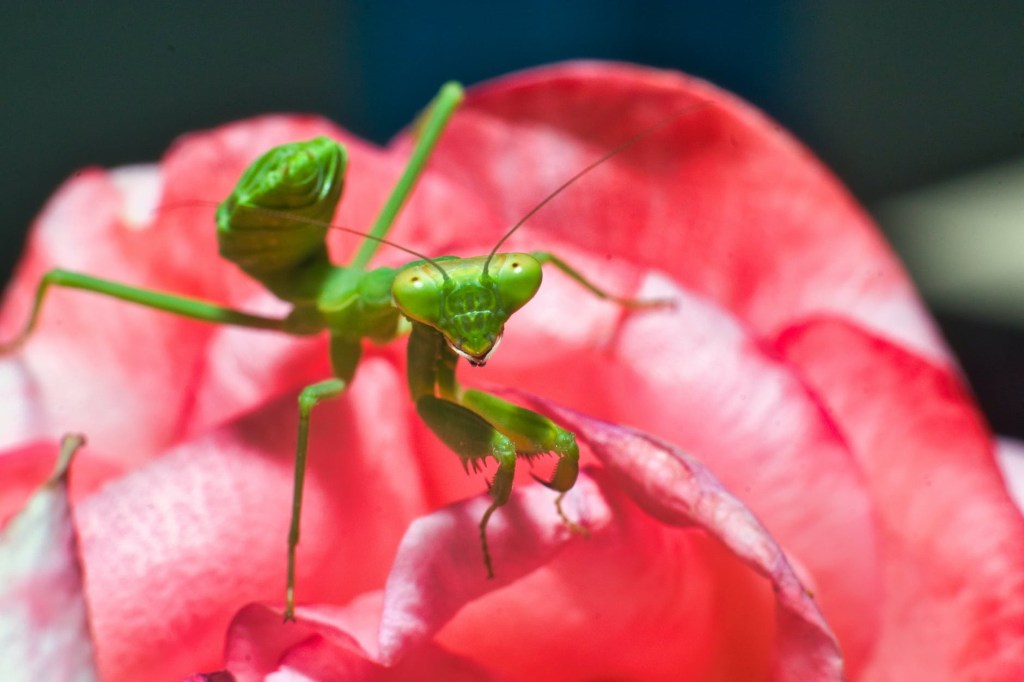
  • Rhododendron indicum There’s a baby praying mantis!

    皐月

    赤ちゃん蟷螂が花の上で遊んでいます

    なんてきれいな赤ピンク

    自然の素晴らしさに毎日癒されます

    かわいいカマキリ❤️

    今日もありがとう

    https://pin.it/Fr4DeN5

  • Kyoto – A picturesque city any time of the year: A Favorite Place in Japan

    いつ行っても京都って

    どこを撮っても絵になる

    歴史を思い浮かべながら

    風を感じながら

    河原町を歩く

    鴨川

    橋を渡る 美しい景色

    人が行き交う

    旅

    https://pin.it/3zDDClb

  • Season of lovely sound of rain.

    もう雨の季節かなぁ

    Rainy season. Already⁇

    雨音が心地よい

    シトシト ピッちゃん 

    雨音を楽しもう

    自然に 包まれた音の中で

    ゆっくり過ごす

    https://pin.it/6wVHrqS

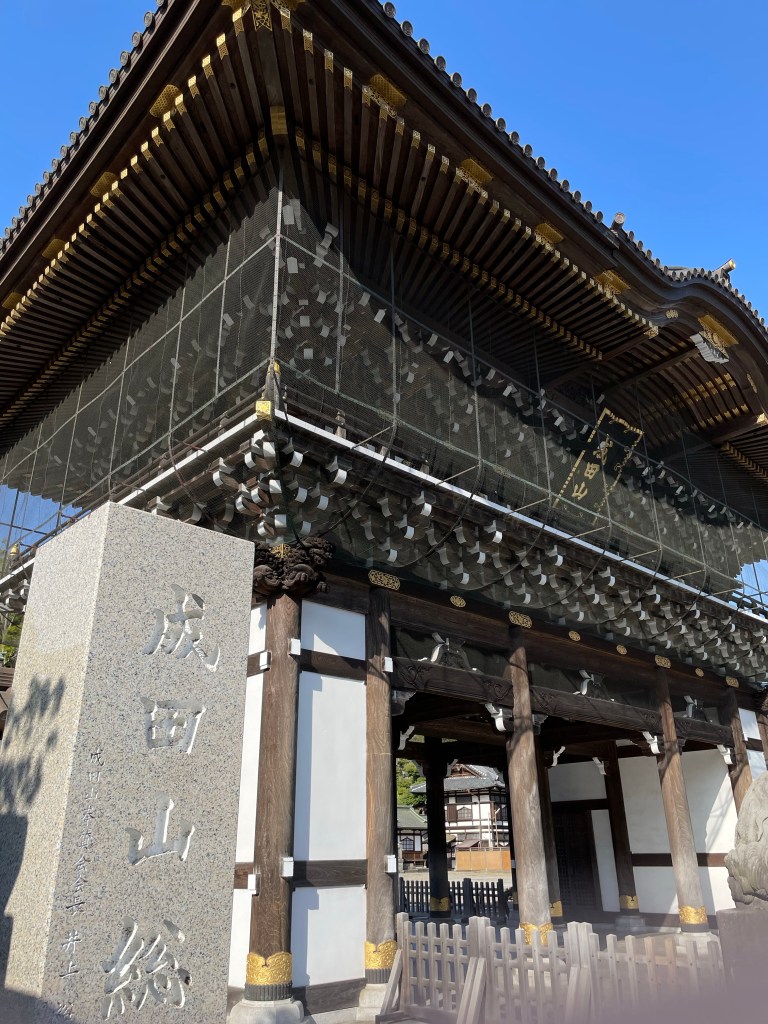
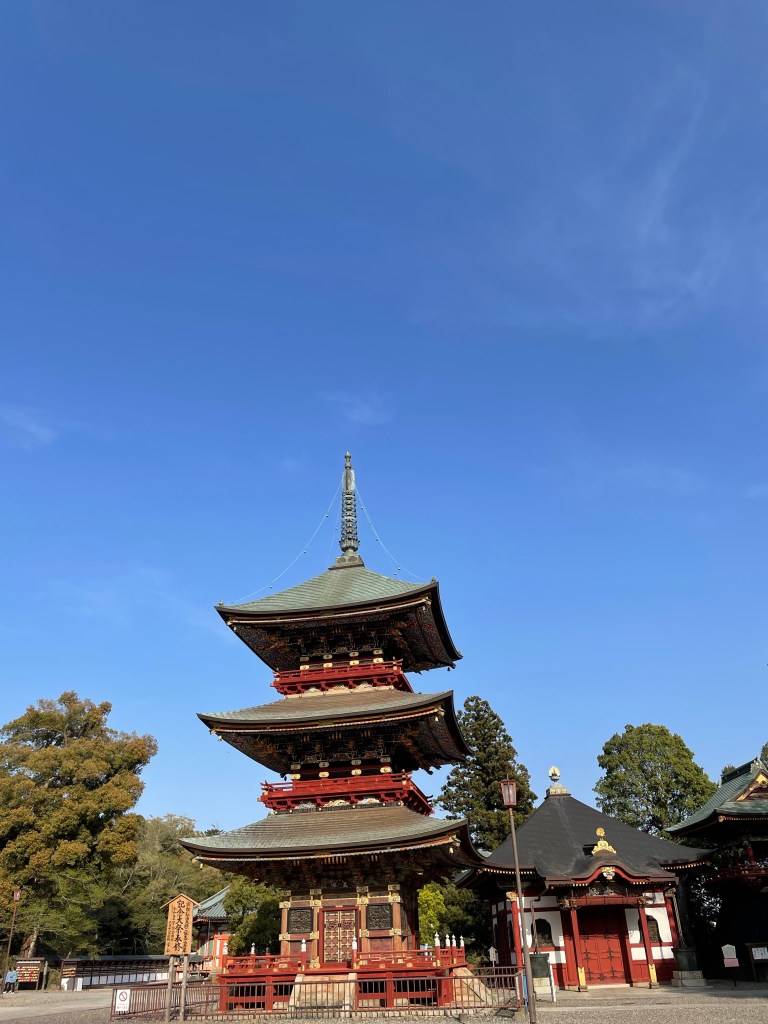
  • Naritasan Shinsho-ji Temple Power spot 30 minutes from Narita Airport

    成田山新勝寺

    成田空港からすぐ

    乗継時間があったら 寄ってみて

    パワースポットです

    https://pin.it/JyS2QIj

    Naritasan Shinsho-ji Temple has a history of more than 1,080 years, and is one of the leading temples in the country where more than 10 million visitors visit annually.

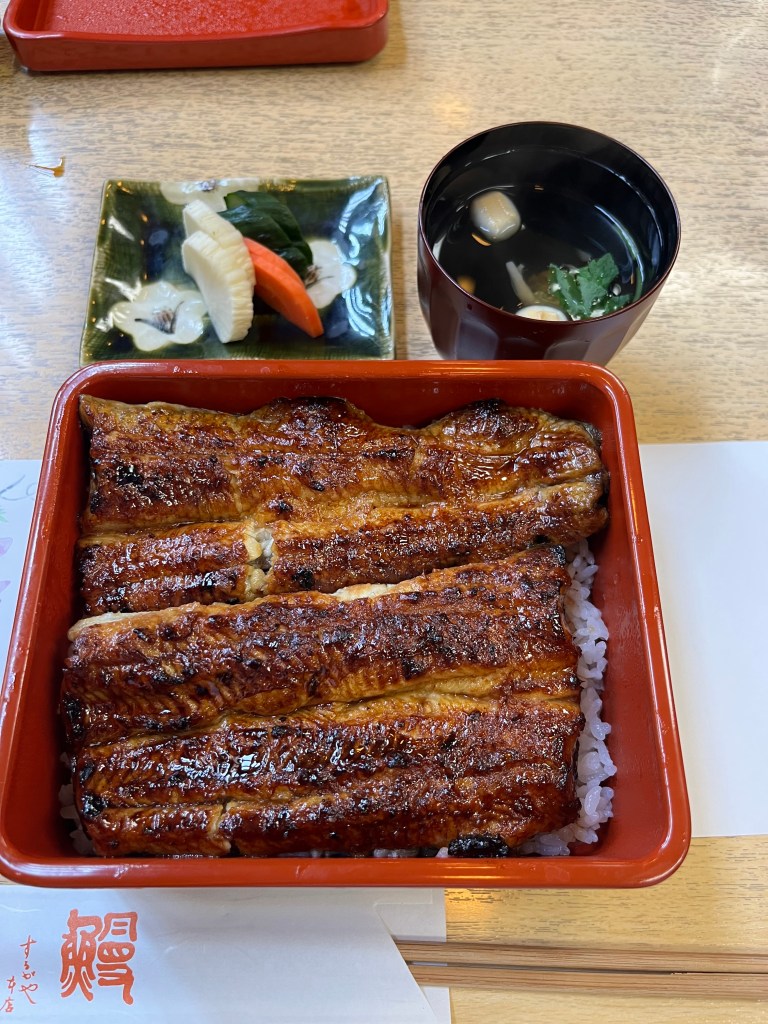
    Why is Naritasan an eel?

    うなぎがとっても有名

    ランチを成田空港で食べるなら

    ここまでくるのもオススメ

    美味しい鰻 食べて

    海外へ それか

    帰ってきた時

    やっぱり美味しい

    贅沢なひととき

    https://www.surugaya-unagi.net/food

    Narita, where the Tone River and Inbanuma are located, is rich in water resources, and river fish have been eaten well for a long time. The eel caught in Inbanuma is one of them. In the Edo period, Narita pilgrimage and Kabuki appreciation to visit Naritasan Shinsho-ji Temple spread as a vacation, and eel dishes came to be served to entertain worshippers.