In February 1983, a soft-voiced singer-songwriter from Kumamoto released his fifth single. “Hatsukoi” (初恋), by Kozo Murashita, reached #3 on the Oricon chart and sold about 526,000 copies. It remains his biggest hit.
The song
Murashita wrote both the lyrics and the music. It is a gentle song about a first love that never quite came true. The sources I found disagree on its origin. One account says it grew from his middle school years in Minamata, when he liked a girl from the tennis club but never told her. Other accounts mention a producer’s advice and the schoolyard scenes in the lyrics. Probably it was a mix of memory and craft.
The numbers
It reached #3 on the Oricon chart and sold about 526,000 copies. More than 60 artists have covered it since.
A song that became a street
In 2013, a monument to the song was built in Minamata, his hometown, and a local shopping street was renamed “Hatsukoi-dori” (First Love Street). It is rare for one pop song to leave a mark on a real place like this.
Minamata is also known around the world for Minamata disease, the mercury poisoning first identified there in 1956. A chemical company released mercury-containing waste into Minamata Bay for decades, and local people who ate the contaminated fish were harmed. The government officially recognized the cause in 1968. Since the 1990s, the town has worked to remember that history and to repair the bonds between its people. Today, a gentle love song stands in the same town, carved in stone, as a source of local pride.
Why this song stays with me
I always loved this song. What I like most is how simple it is. It says, without decoration, what anyone who has ever liked someone in their youth has felt. My favorite line is the one about someone running across the schoolyard after school (「放課後の校庭を走る君がいた」). I can see the whole scene.
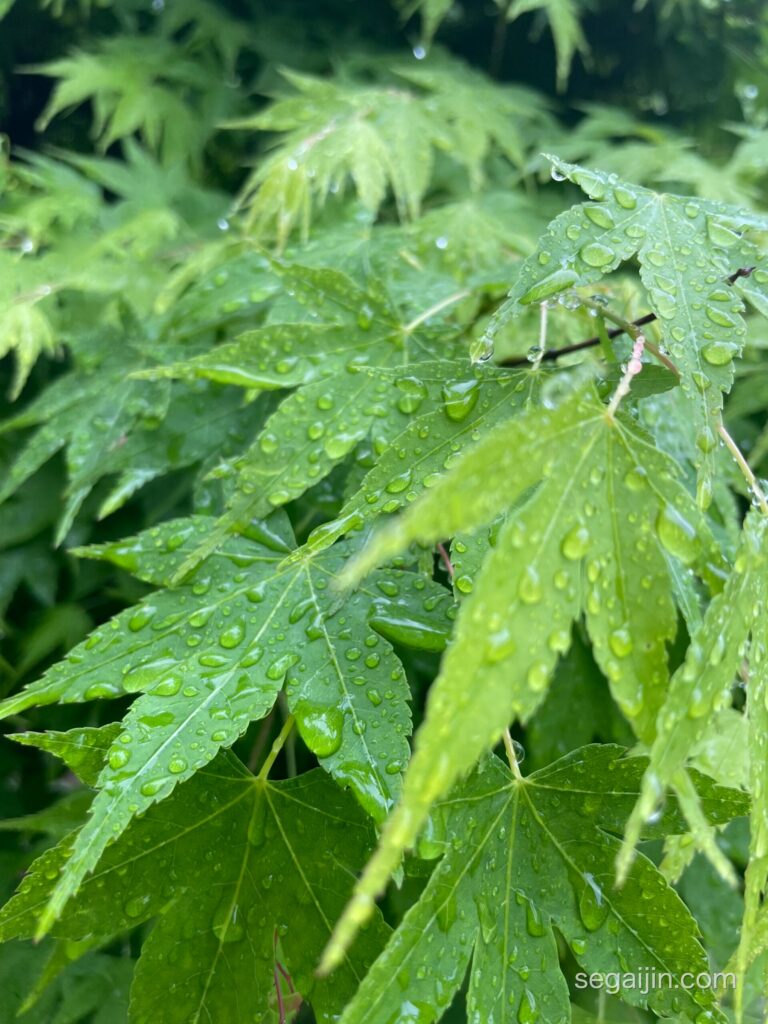
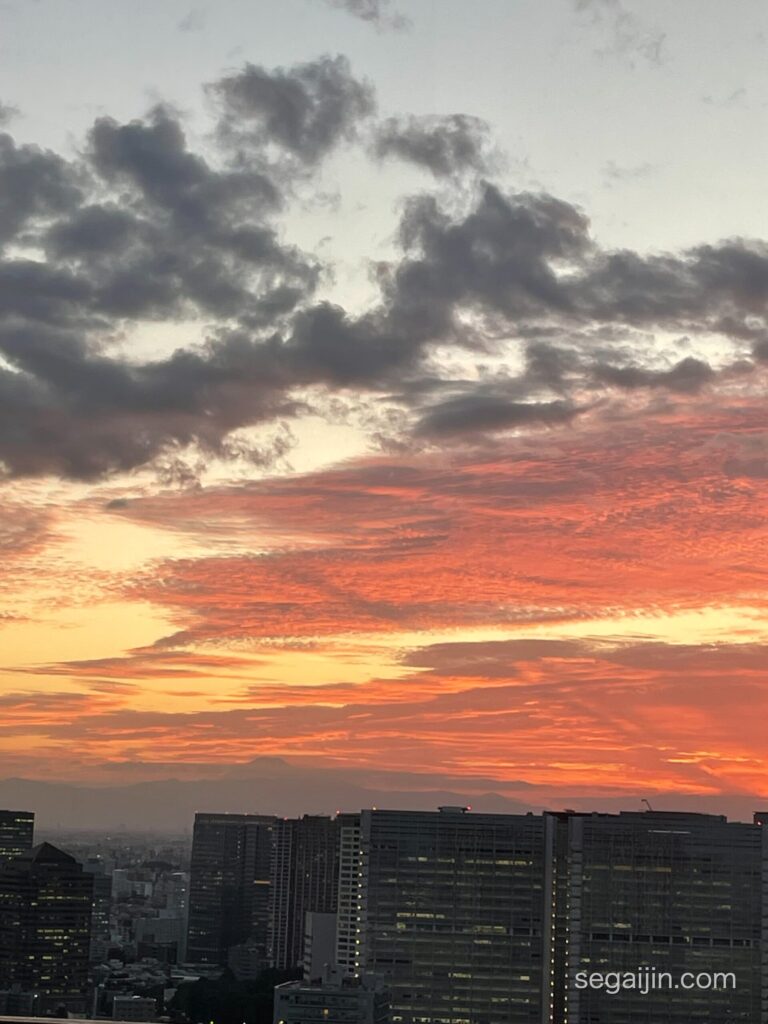
One line always made me wonder: “the rainy season rain is green” (「五月雨は緑色」). I even had to look up the first word. “Samidare” means the long rain of the old calendar’s fifth month, which falls around June today. But what color is that, exactly? I never knew. From what I found, even the people around him did not fully explain it. Many readers take it to mean that the rain looks green because the new leaves are bright, or because falling in love changes how the whole world looks. Only while writing this did I notice that the second verse also begins with a color: the glow of the evening sky, apricot (「夕映えはあんず色」). That one I understood right away.
While searching for details for this article, I learned something I never knew: Murashita died in June 1999, at only 46. His voice sounds so warm and young that I never imagined he was gone. Fans now call the day of his death “Samidare-ki,” the Rainy Season Memorial, after the very first word of this song. Maybe that is why the song still feels so alive. It keeps his voice with us.
I would love to visit Minamata on a future trip and walk down Hatsukoi-dori myself.
Listen
Kozo Murashita’s best-of CD (CDJapan, affiliate link):
Another Kozo Murashita CD (CDJapan, affiliate link):
Is there a song from the 80s that you would like me to cover next? Tell me in the comments.
Part of my “one 80s J-pop song a day” series, for international fans who want to know the stories behind the music.
コメントを残す