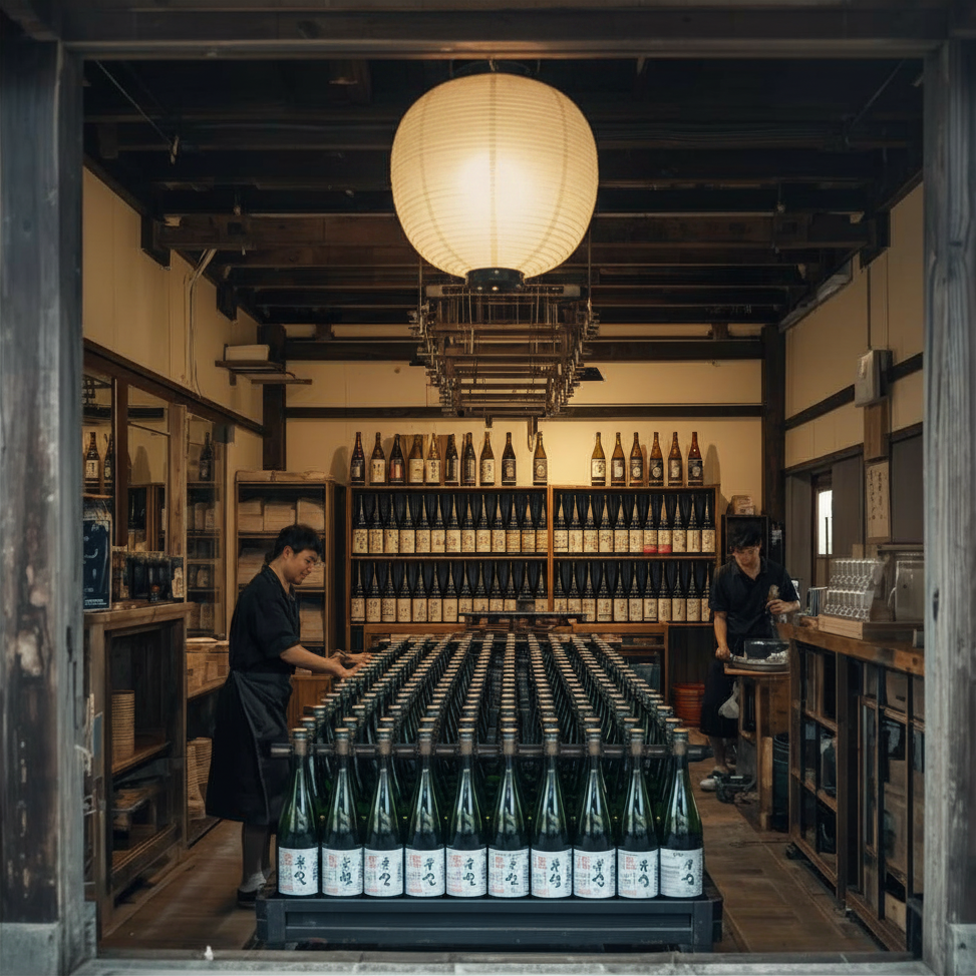
Subtitle: 国際唎酒師が教える日本酒入門 — A Certified Sake Sommelier’s Complete Guide
🇯🇵 日本語まとめは記事の最後にあります
Introduction
Japan is famous for many things — cherry blossoms, sushi, and bullet trains. But there’s one liquid treasure that most foreigners leave Japan without truly understanding: sake (日本酒).
As a certified International Kikisake-shi (国際唎酒師) — Japan’s official sake sommelier qualification — and a wine sommelier with 15 years of experience as a tour guide, I’ve introduced sake to thousands of visitors from around the world.
This is the guide I wish every foreigner had before their first sip.
1. What Is Sake? 🍶
Sake is a Japanese alcoholic beverage brewed from fermented rice. Despite often being called “rice wine,” the brewing process is actually closer to beer — enzymes convert starches into sugars, which then ferment into alcohol.
Sake typically contains 15–16% alcohol — stronger than wine but usually drunk in smaller quantities.
It has been part of Japanese culture for over 2,000 years, used in religious ceremonies, celebrations, and everyday dining.
2. The 4 Main Types of Sake You Need to Know
| Type | Rice Polishing | Flavor | Best For |
|---|---|---|---|
| Junmai (純米) | No requirement | Rich, full-bodied | Food pairing |
| Ginjo (吟醸) | 60% or less | Fruity, light | Beginners |
| Daiginjo (大吟醸) | 50% or less | Elegant, complex | Special occasions |
| Honjozo (本醸造) | 70% or less | Smooth, easy-drinking | Everyday drinking |
Pro tip from your sake sommelier: Start with Ginjo — it’s approachable, fruity, and easy to love for first-timers.
3. How to Taste Sake Like a Professional 👃
Follow these steps at any sake tasting:
Step 1 — Look: Hold the glass up to light. Good sake is clear and bright, sometimes with a light golden hue.
Step 2 — Smell: Gently swirl and nose the glass. Notice fruity aromas (apple, pear, melon) or more earthy, umami-rich notes.
Step 3 — Sip: Take a small sip and let it coat your tongue. Notice:
- Sweetness vs. dryness (amakuchi vs. karakuchi)
- Acidity
- Umami depth
- Finish length
Step 4 — Pair: Notice how the sake changes when eaten with food. This is where sake truly shines.
4. Hot or Cold? The Temperature Question
One of the most common questions from foreigners:
| Temperature | Name | Type |
|---|---|---|
| Chilled (5–10°C) | Reishu (冷酒) | Fruity Ginjo/Daiginjo |
| Room temp (20°C) | Hiya (冷や) | Junmai |
| Warm (40–50°C) | Atsukan (熱燗) | Honjozo, Junmai |
My recommendation: Premium sake (Ginjo, Daiginjo) is best enjoyed chilled. Everyday sake can be warmed for a cozy experience — especially in winter.
5. How to Read a Sake Label
Don’t be intimidated by Japanese labels! Here are the key words:
- 純米 (Junmai) — made with only rice, water, yeast
- 吟醸 (Ginjo) — premium grade
- 大吟醸 (Daiginjo) — super premium
- 辛口 (Karakuchi) — dry
- 甘口 (Amakuchi) — sweet
- 精米歩合 (Seimaibuai) — rice polishing ratio (lower = more premium)
6. Sake and Food Pairing 🍣
Sake’s secret power is its versatility with food:
- Sushi & sashimi → Light Ginjo (complements without overpowering)
- Grilled fish → Junmai (matches the rich flavors)
- Tempura → Daiginjo (elegance meets delicacy)
- Cheese → Aged Junmai (umami meets umami — surprisingly perfect!)
- Chocolate → Nigori (unfiltered cloudy sake — a revelation)
7. Where to Buy Sake in Japan 🛒
Department stores (デパート): Best selection, knowledgeable staff
- Isetan Shinjuku, Mitsukoshi Ginza
Specialty sake shops: Expert curation, often offer tastings
- Hasegawa Sake Shop (Tokyo Station), Liquor Mountain
Convenience stores: Good for everyday bottles at low prices
- Look for local brewery brands
Directly from breweries: The ultimate experience — visit a kura (蔵) for fresh sake straight from the source
8. How to Buy Japanese Sake Online 💻
Can’t carry bottles home? Great sake can be delivered internationally!
🍶 Want to explore premium Japanese sake from home? Here are curated selections available for delivery:
ワイン専門リカーショップ
「Kyobashi Wine & Sake Shop」
9. Sake Etiquette in Japan 🙏
A few customs to know:
- Never pour your own sake — pour for others and let them pour for you
- Hold your cup with both hands when receiving sake
- Say “Kanpai!” (乾杯) before drinking — it means “cheers!”
- Don’t mix sake types in one session if doing a serious tasting
10. My Top 3 Sake Recommendations for Beginners
As an International Kikisake-shi, these are my go-to introductory sakes:
- Dassai 23 (獺祭 二割三分) — Ultra-premium Daiginjo, incredibly smooth Buy Dassai 23 on Rakuten Japan
- Hakkaisan Ginjo (八海山 吟醸) — Reliable, clean, widely available
- Kubota Manju (久保田 万寿) — Elegant and complex, perfect as a gift
まとめ / Final Thoughts
Sake is not just a drink — it’s a window into Japanese culture, craftsmanship, and the seasons.
Whether you’re visiting Japan for the first time or ordering sake at a restaurant abroad, I hope this guide gives you the confidence to explore and enjoy.
Kanpai! 乾杯 🍶
Bring Sake Culture Home
Want to start your own sake journey? Here are my sommelier-approved picks, all available on Amazon Japan with international shipping options:
- 🍶 Dassai 45 Junmai Daiginjo — A perfect introduction to premium sake
- 🍵 Traditional Tokkuri & Ochoko Set — Authentic Japanese craftsmanship
- 📖 The Sake Handbook by John Gauntner — The English-language sake bible
- 🎁 Sake Tasting Mini-Bottle Set — Discover your favorite style
- 🌳 Hinoki Wood Masu Cup — Drink sake the traditional way
As a Certified International Kikisake-shi, these are tools and bottles I genuinely recommend for anyone exploring the world of Japanese sake.
🇯🇵 日本語まとめ — 国際唎酒師が教える日本酒入門
外国人に日本酒の魅力を伝えるための基本ガイドです!
- 日本酒はお米から作る醸造酒。ビールに近い製法
- 種類は4つ:純米・吟醸・大吟醸・本醸造
- 初心者には吟醸がおすすめ — フルーティーで飲みやすい
- 温度で味が変わる:高級酒は冷やして・普通酒は燗もOK
- ラベルの「辛口・甘口・精米歩合」を覚えると選びやすい
- 料理との相性抜群 — 特に寿司・刺身・チーズ
- デパートや専門店で質の高い日本酒が買える
- ネット通販でも購入可能(海外配送あり)
- 注いでもらう時は両手でカップを持つのがマナー
- 「乾杯!」で始まる日本酒体験を楽しんでください 🍶
この記事を書いたのは国際唎酒師&ソムリエ資格保持者のJinです。
📚 Want to Become a Sake Expert?
Ready to go deeper into the world of Japanese sake? This comprehensive guide covers everything from how sake is made to how to taste and pair it — written for English speakers exploring Japan’s favorite drink. 👉 The Japanese Sake Bible (Amazon)