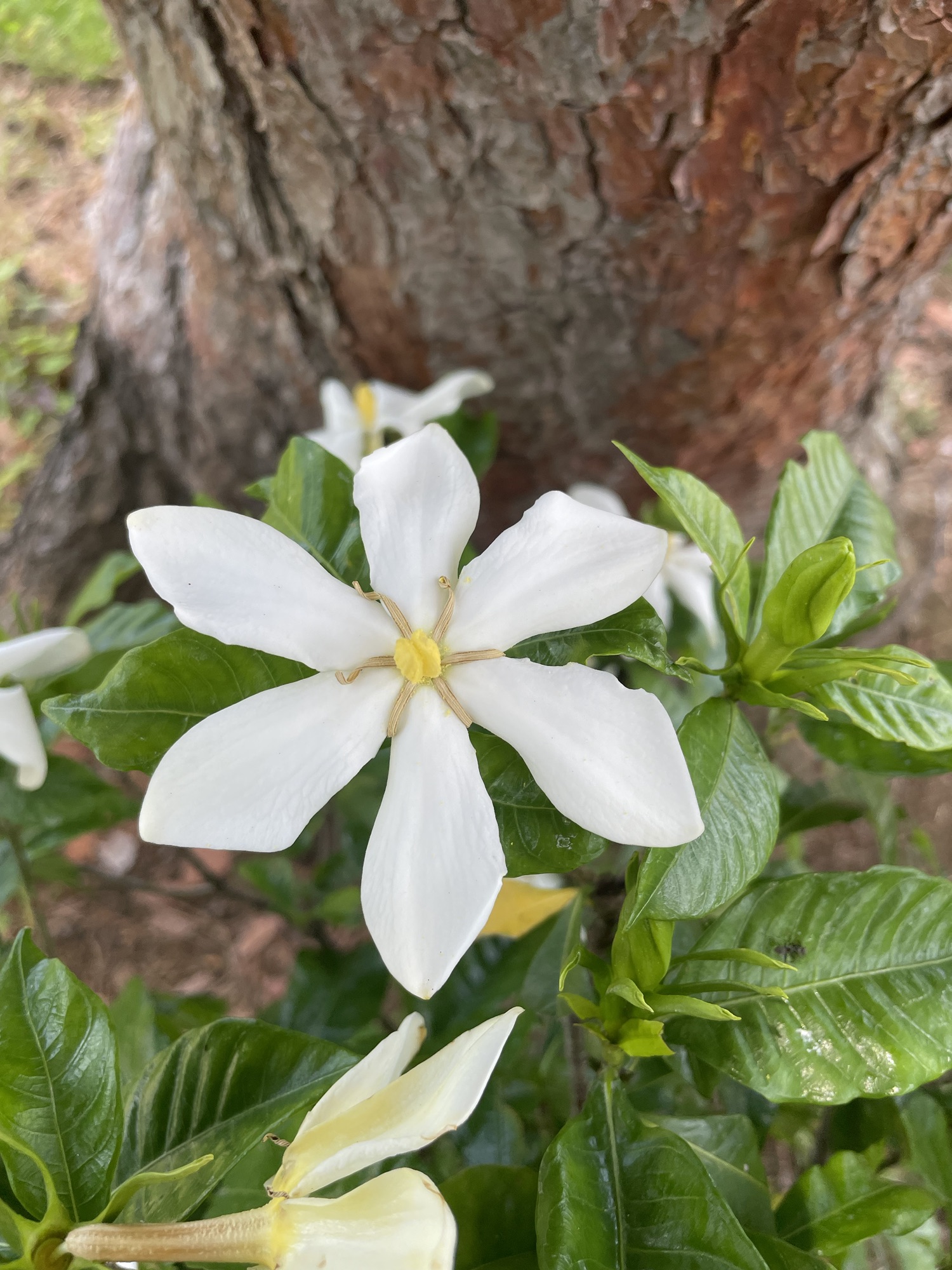
Gardenia (Gardenia jasminoides) is an evergreen shrub in the family Gardeniaceae.
Native to East Asia, including Japan and China, it produces white flowers from June to July.
The tree is 1 to 2 meters tall.
クチナシ
There are various theories as to the origin of its name, but one well-known theory is that it came to be called “gardenia” because its fruit does not split open when ripe and its mouth does not open.
The fragrance of the gardenia is one of its main attractions. I love it!
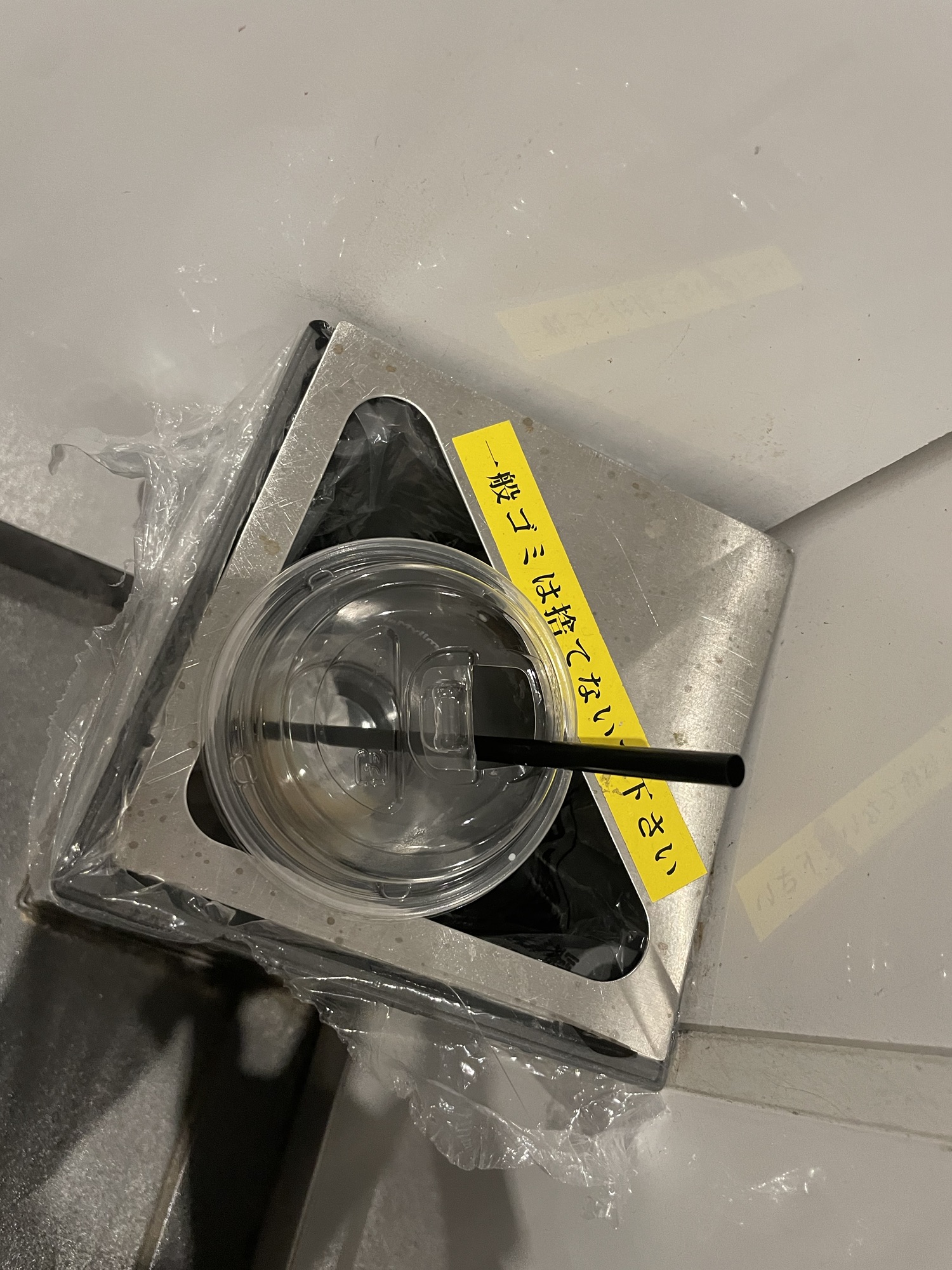
一般ゴミGeneral waste refers to small combustibles generated by households in the course of daily life. This includes kitchen garbage, paper, cloth, and small plastic products, as well as small combustibles such as shoes, bags, and video tapes.
In Japan, it is customary to take garbage home with you.
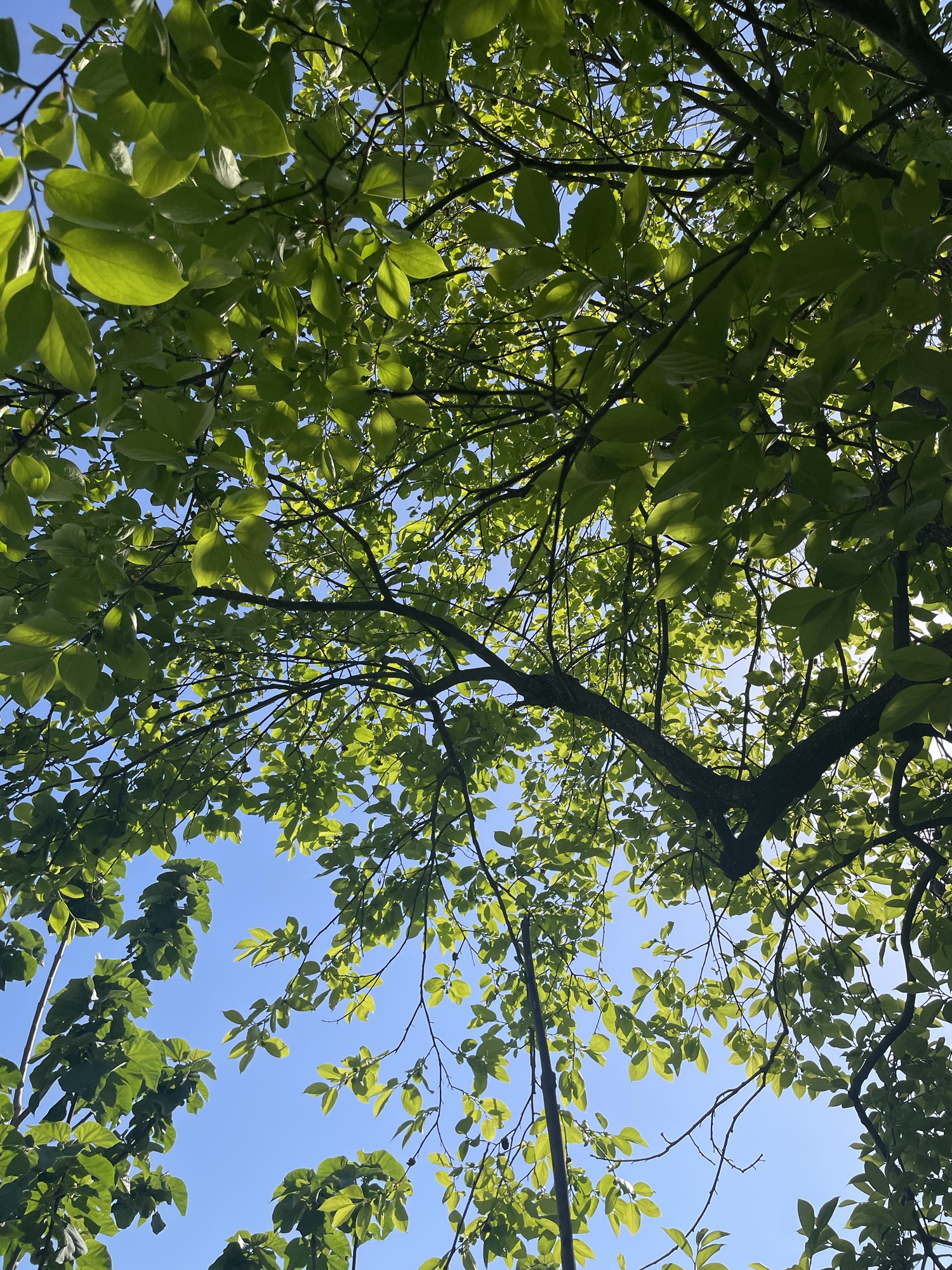
Rikka is one of the 24 Sekki (24 seasonal divisions).
Nijushisekki divides the spring, summer, fall, and winter seasons into six segments each, and the year is divided into 24 segments, each with a name that serves as a guide to the season.
For example, the first Sekki before Rikka is “Kokuu,” which means rain moistens grains, and the next Sekki after Rikka is “Shoman,” which means all things are full in heaven and earth.
Rikka may refer to the day on which summer begins, or it may refer to the 15 days from Rikka to the day before the next Sekki, Shomitsu.
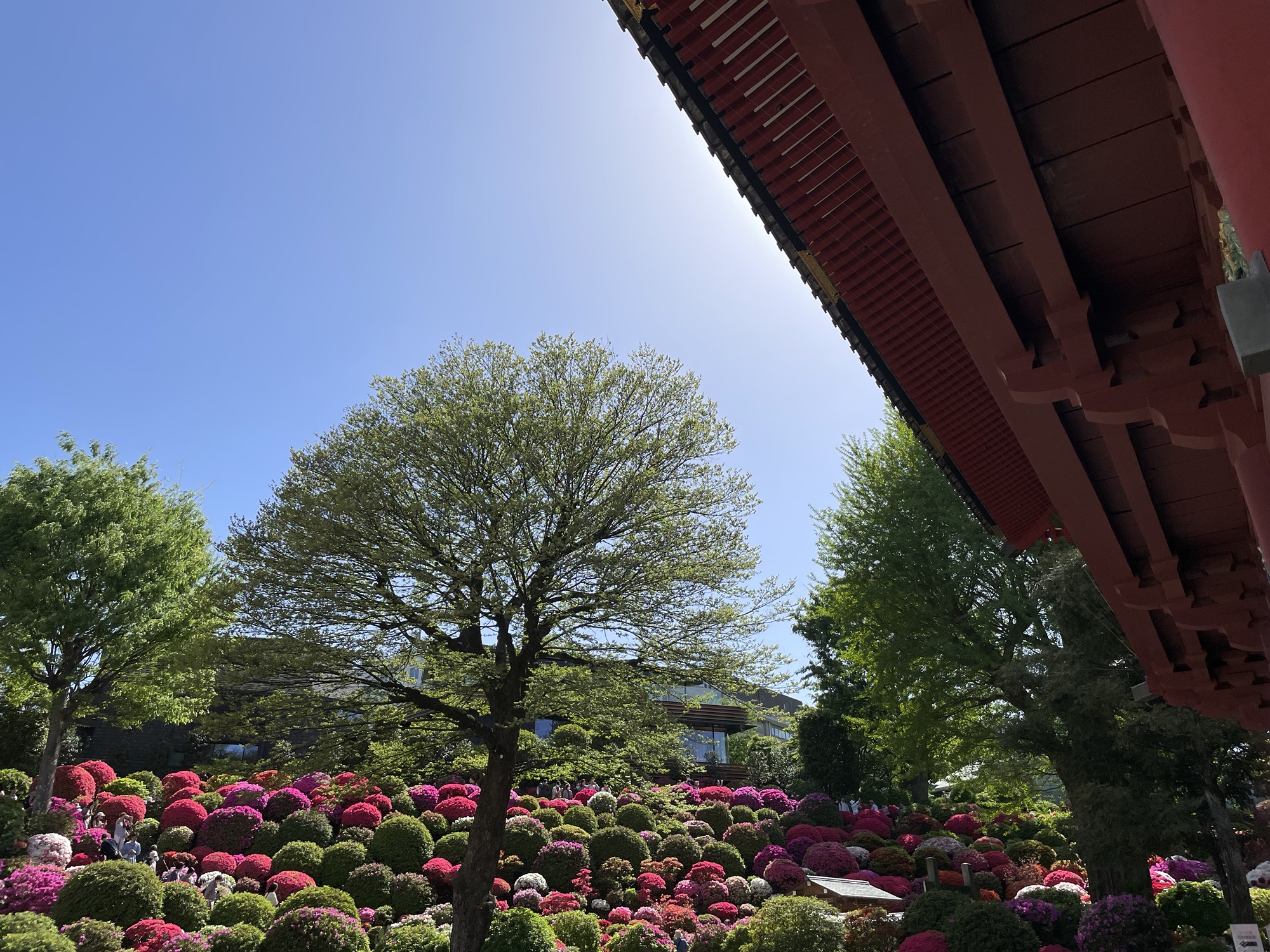
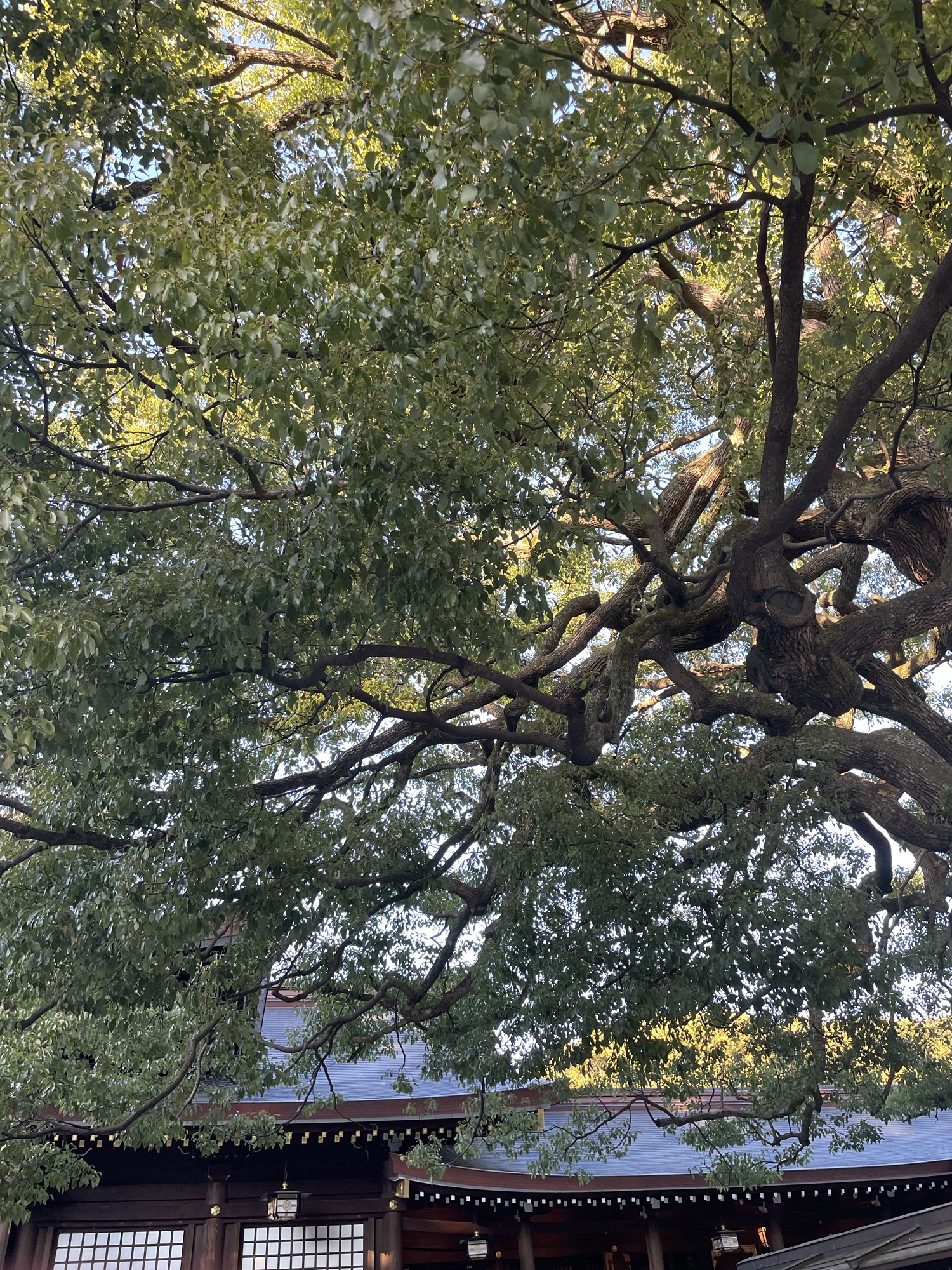
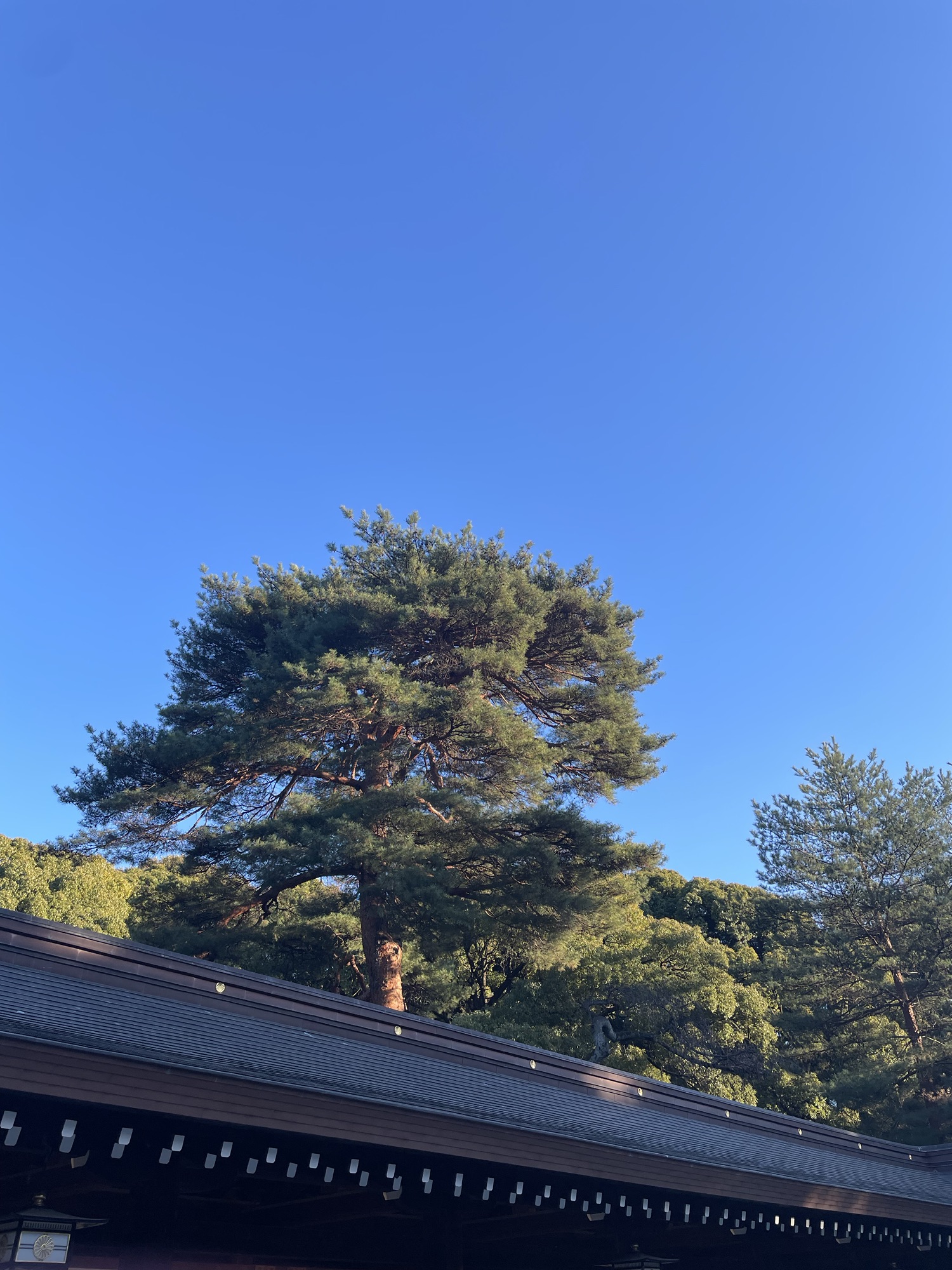
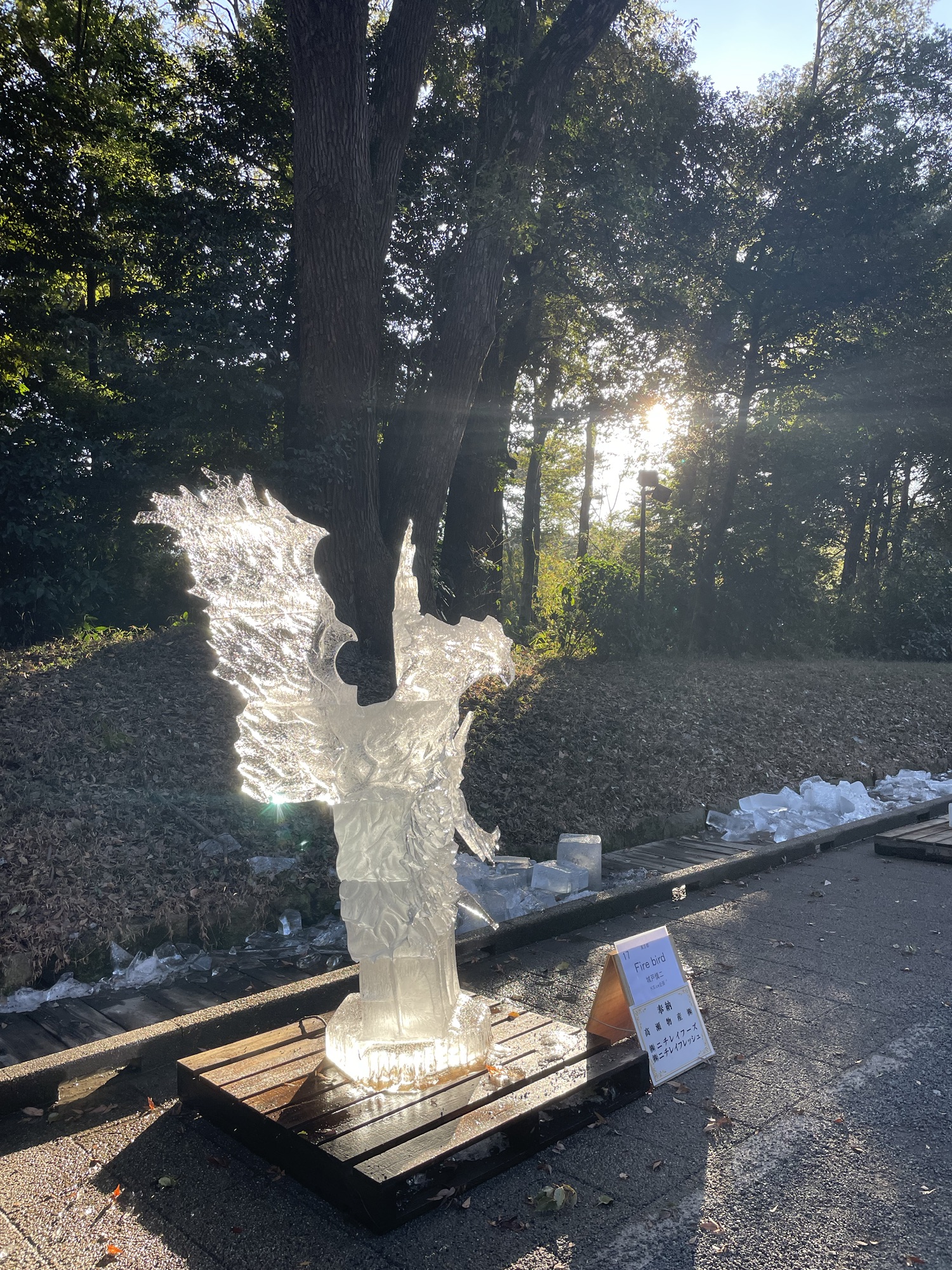
In January, I visited Meiji Jingu for hatsumode, the first shrine visit of the new year. The big trees, the wooden halls, and the clear winter sky make this one of my favorite places in Japan.
Old trees and a shrine hall at Meiji Jingu. Photo: SegaijinWarm wooden beams under the shrine roof. Photo: Segaijin
Words written by children
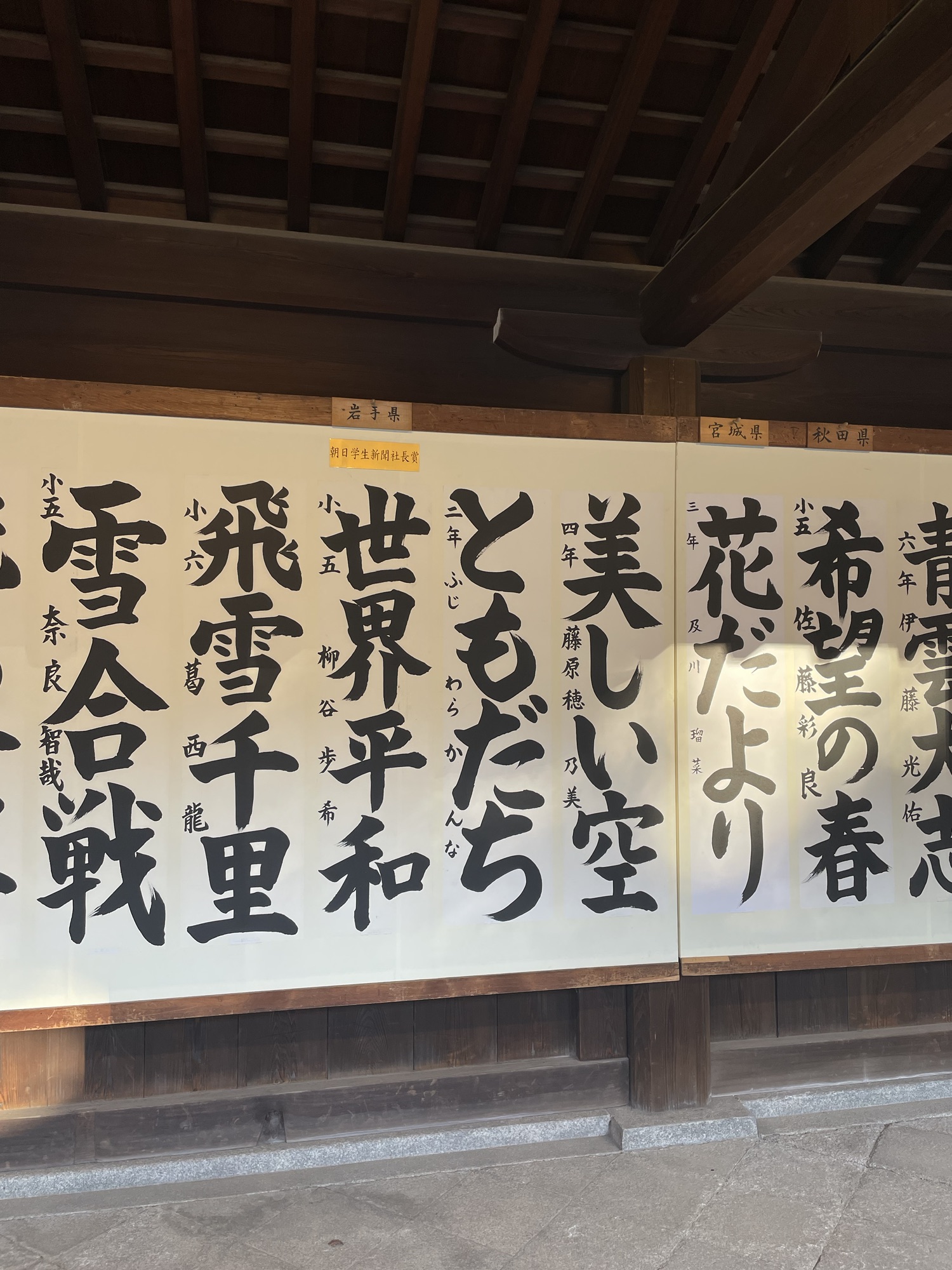
Inside the shrine grounds, I came across a long row of calligraphy written by children from all over Japan. Each work had the child’s name and grade written beside it, and every brushstroke was bold and full of energy.
Children’s calligraphy displayed at Meiji Jingu. Photo: Segaijin
A few of the words I could read:
美しい空 (Utsukushii sora): “Beautiful sky”
ともだち (Tomodachi): “Friends”
世界平和 (Sekai heiwa): “World peace”
花だより (Hana dayori): “News of blossoms,” a gentle way of saying that spring flowers are on their way
What is kakizome?
Kakizome (書き初め) means “the first writing” of the new year. In Japan, many people, especially children, write a word or a short phrase with a brush and ink at the beginning of the year, as a wish for the months ahead.
Why it touched me
I studied calligraphy until I finished high school. Seeing these children’s bold, bright brushstrokes made me want to pick up a brush again. Their words were simple, but they felt very strong: sky, friends, peace.
A clear blue sky on the day of my visit. Photo: Segaijin
If you would like to visit
Meiji Jingu is a quiet, beautiful place that I love to visit. If you would like to spend a relaxed half day around Meiji Jingu and Harajuku, you can book a cultural experience online on Klook (affiliate link).
What word would you write in your heart at the beginning of a new year?
Born from a hungover comedian’s late-night order, this “soup-only udon” became Osaka’s most beloved comfort food.
🇯🇵 日本語まとめは記事の最後にあります
What Is Niku Sui?
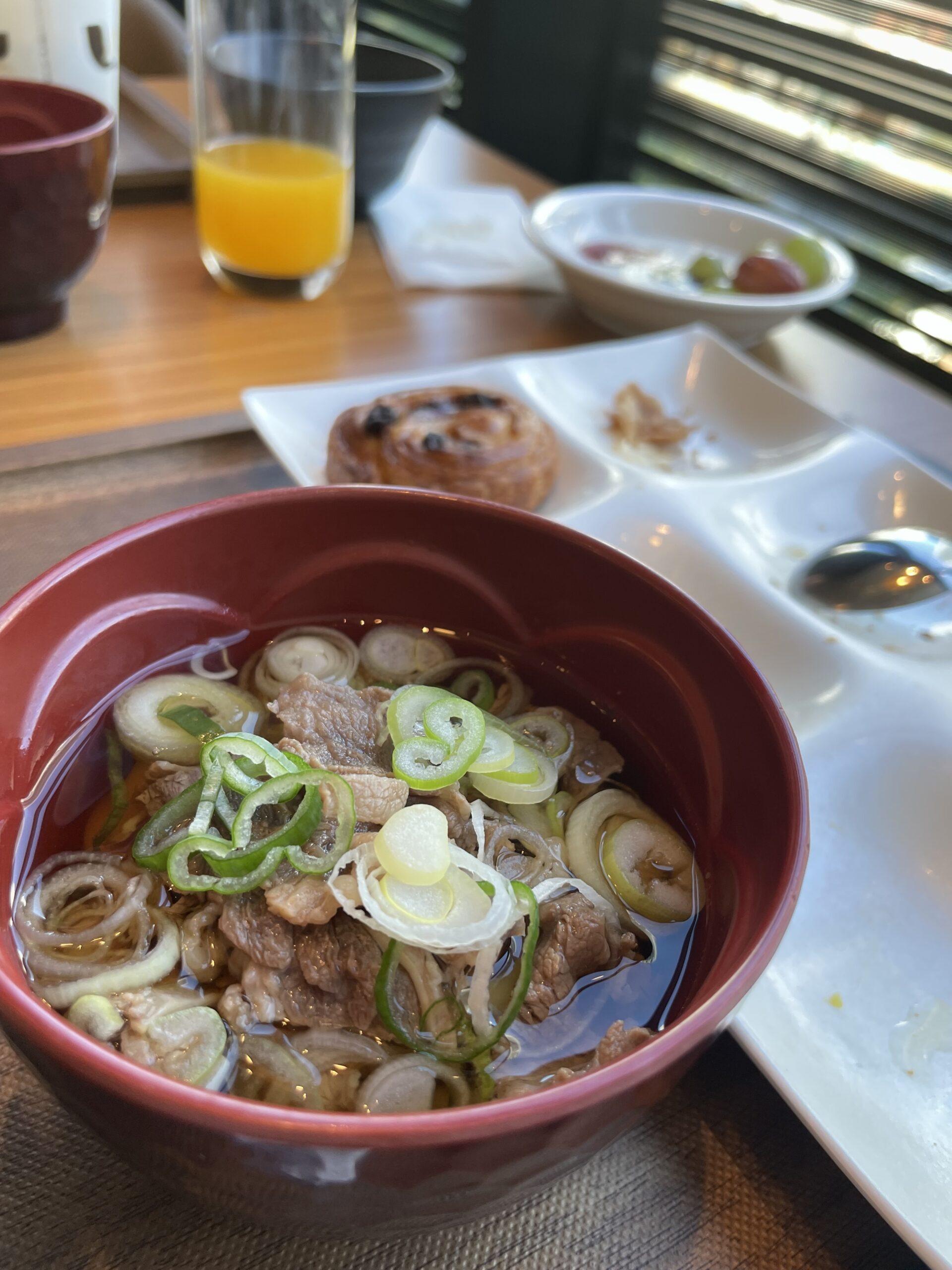
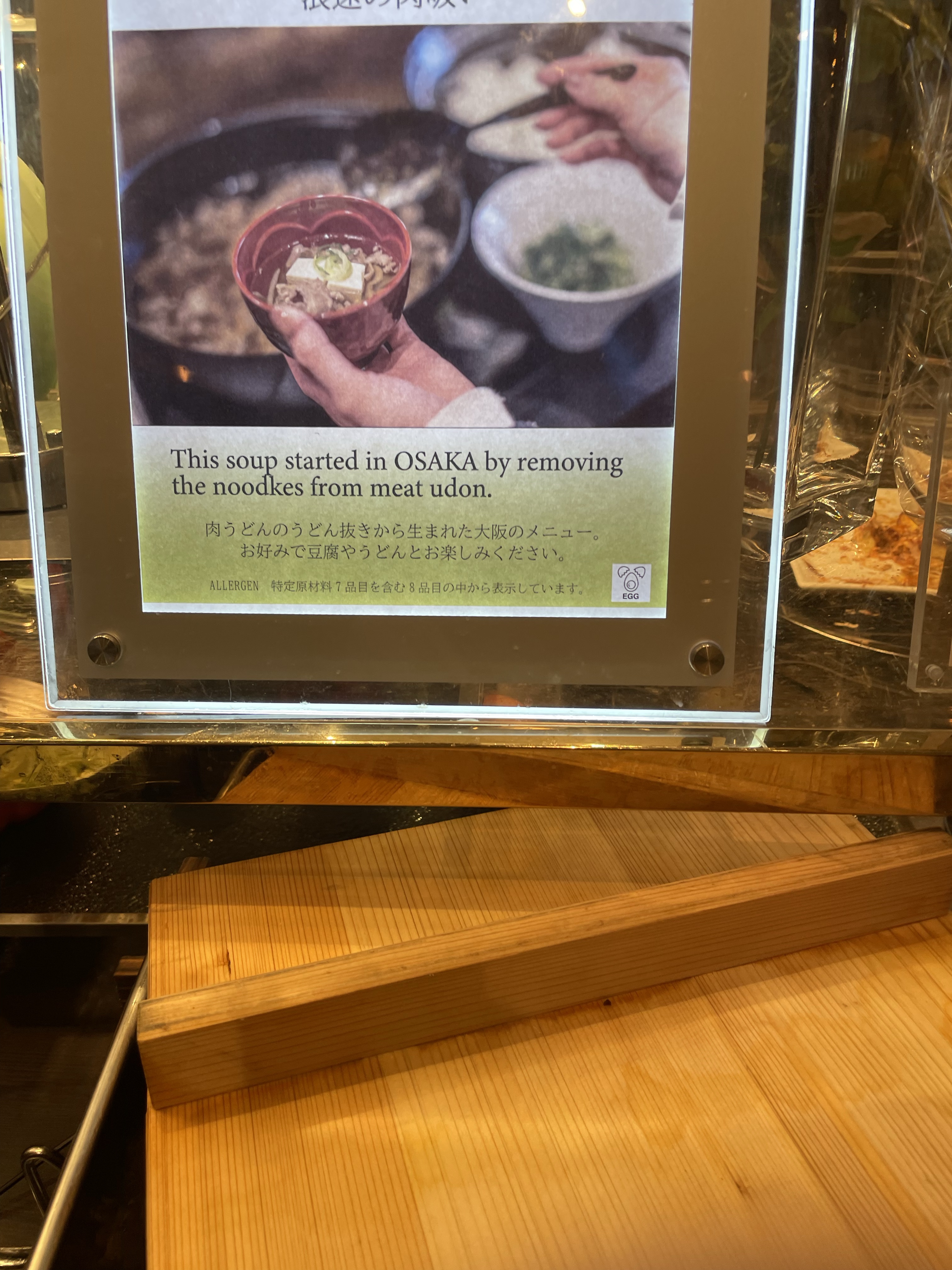
Niku Sui (肉吸い) literally means “meat soup” — and it’s exactly what it sounds like: a bowl of beef udon, minus the udon noodles.
The dish features thinly sliced beef and a half-cooked egg in a delicate Kansai-style dashi broth, made from dried bonito flakes (katsuobushi) and kelp (kombu). You can also order it without the egg, or with tofu instead.
It’s light, comforting, and surprisingly addictive.
Why Osaka? Understanding Osaka’s Udon Culture
To understand Niku Sui, you need to understand Osaka’s love affair with dashi.
While Tokyo and eastern Japan traditionally favor a darker, soy-sauce-heavy soba broth, Osaka is the heart of Japan’s kombu (kelp) culture. The city’s location near the historic kelp trade routes from Hokkaido made it the perfect place for delicate, umami-rich broths to flourish.
In Osaka, dashi isn’t just a base — it’s the soul of the dish. A bowl of Osaka udon is judged first by its broth: clear, golden, and impossibly fragrant from kombu and katsuobushi (bonito flakes).
This is why Niku Sui makes perfect sense in Osaka. Once you remove the udon noodles, what’s left is the broth — and in Osaka, the broth is the star.
The Story Behind Niku Sui: Born from a Hangover
Niku Sui was born in the 1980s, and like many great Osaka dishes, it has a wonderfully unpretentious origin story.
The setting was Chitose, a humble udon shop in Namba (the heart of Osaka’s entertainment district). One morning, an actor from Yoshimoto Shinkigeki — Osaka’s legendary comedy troupe — stumbled in with a brutal hangover.
Too queasy to eat solid food but in need of something nourishing, he ordered something off-menu: “Niku udon. Hold the udon.”
The chef obliged, serving up the rich beef-flavored broth with the toppings but no noodles. The actor loved it. Word spread among the comedians. Soon, regulars were ordering it. And eventually, it earned its own name on the menu: Niku Sui — literally, “meat soup.”
Today, Chitose is still in business, and the dish has become a beloved Osaka comfort food — perfect for hangovers, late-night cravings, or anyone who wants the soul of udon without the heaviness of noodles.