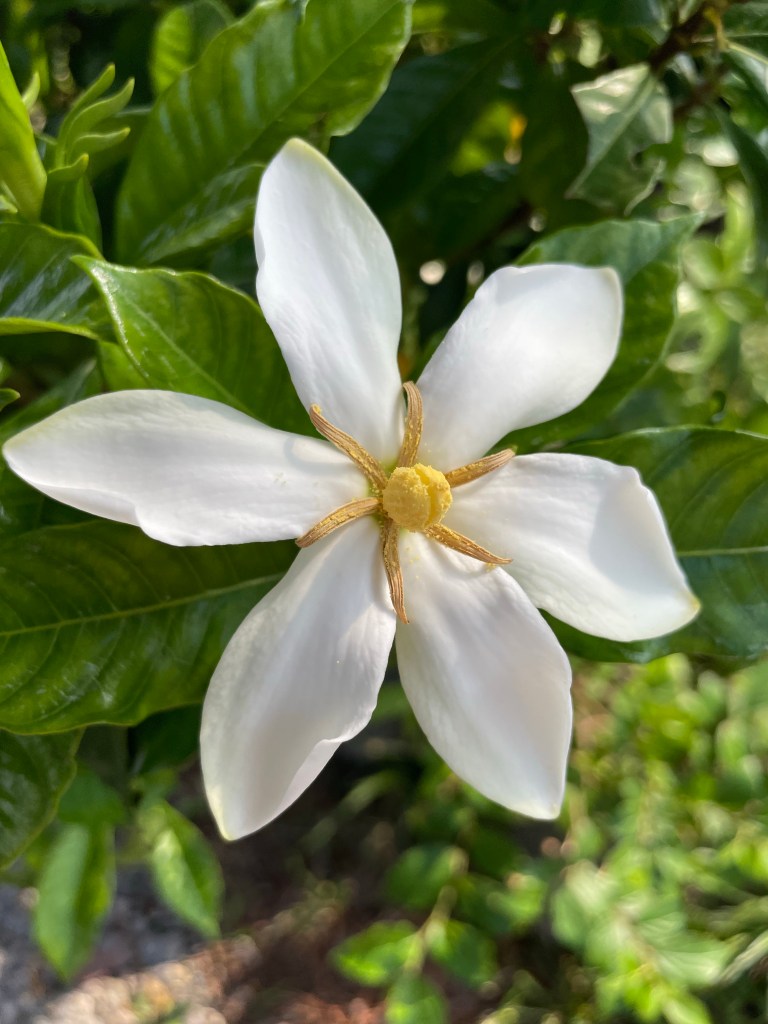
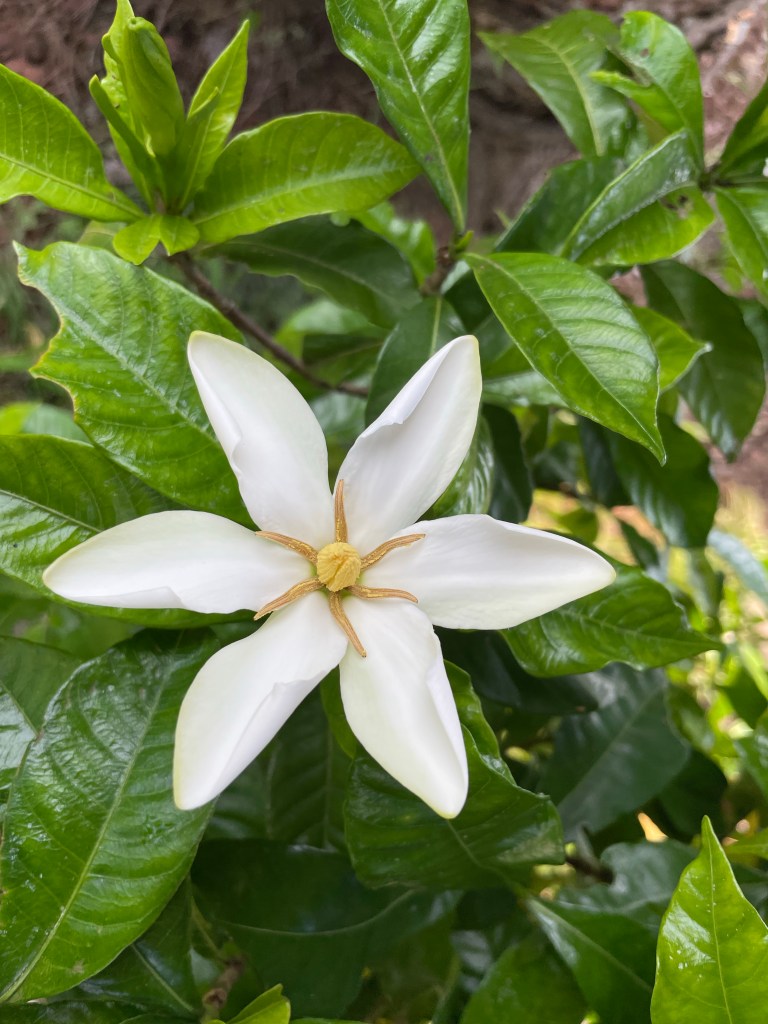
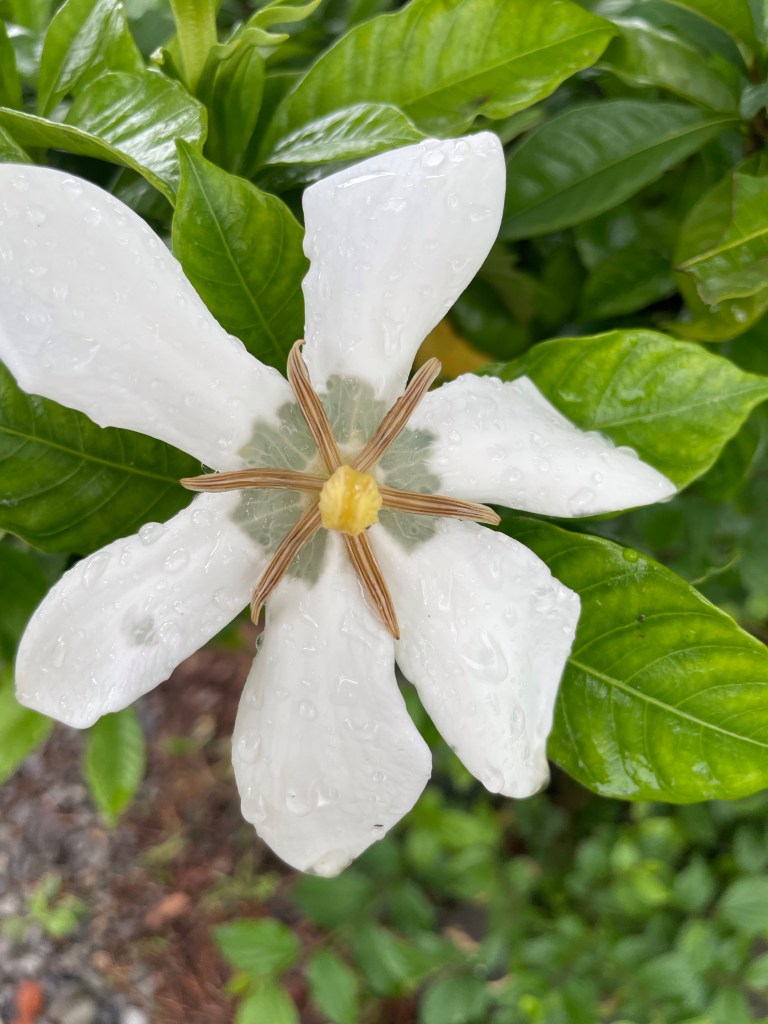
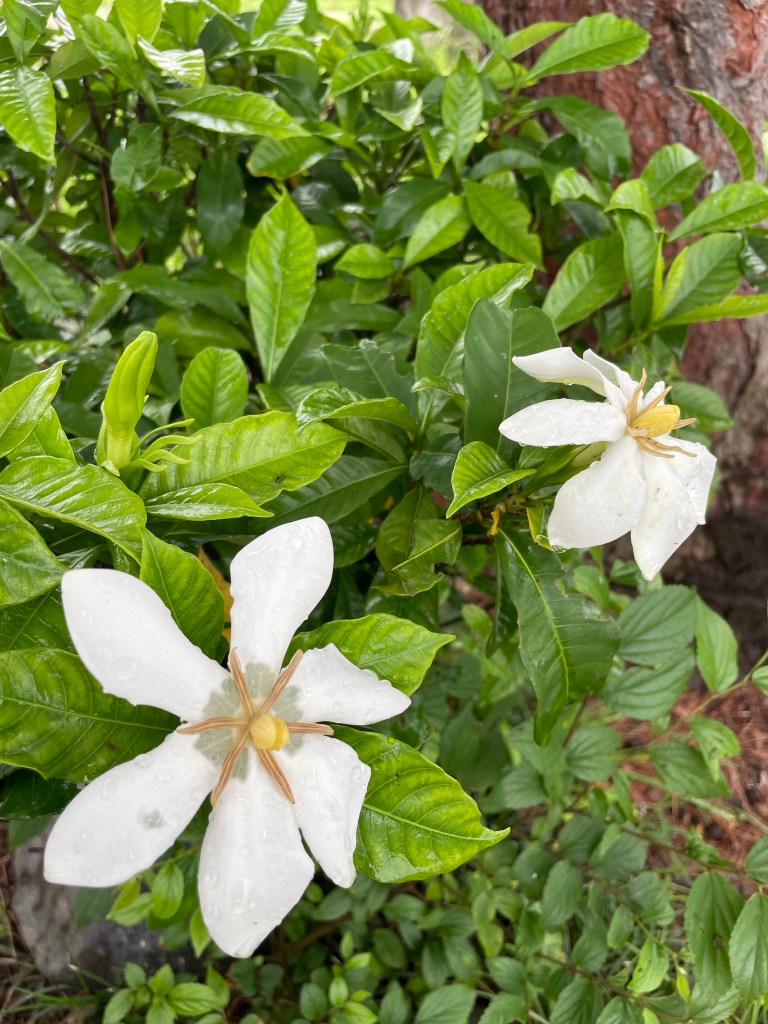
こんな大きな花びらが閉じていく
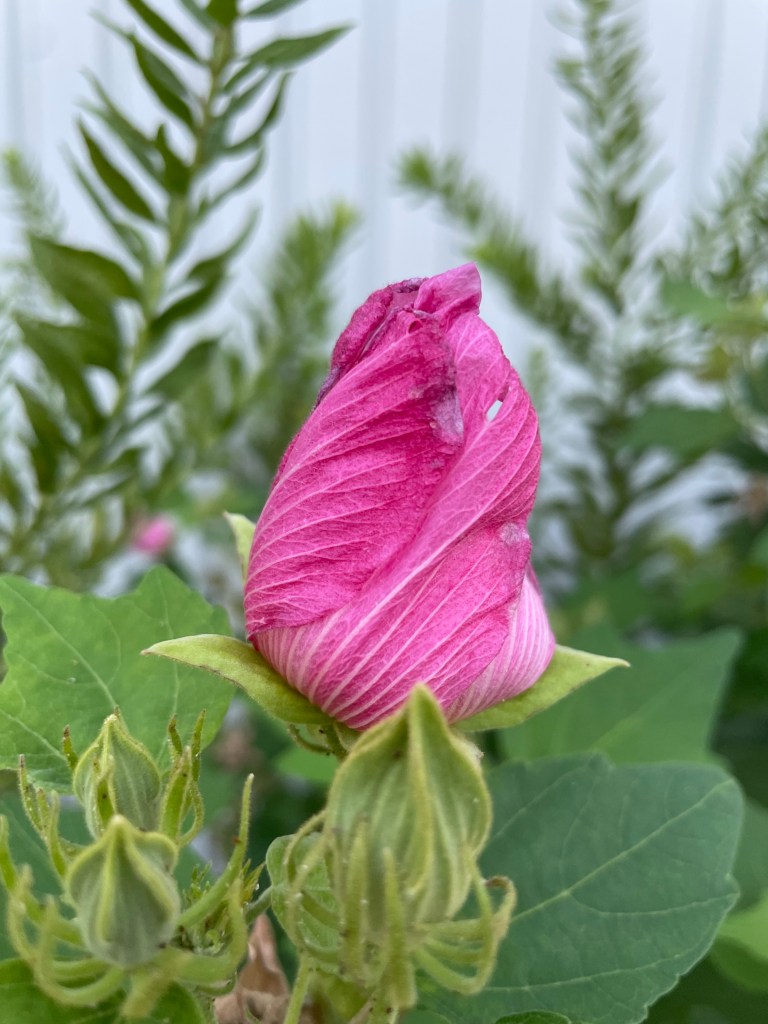
The closing petals, so artistic.
Respect nature

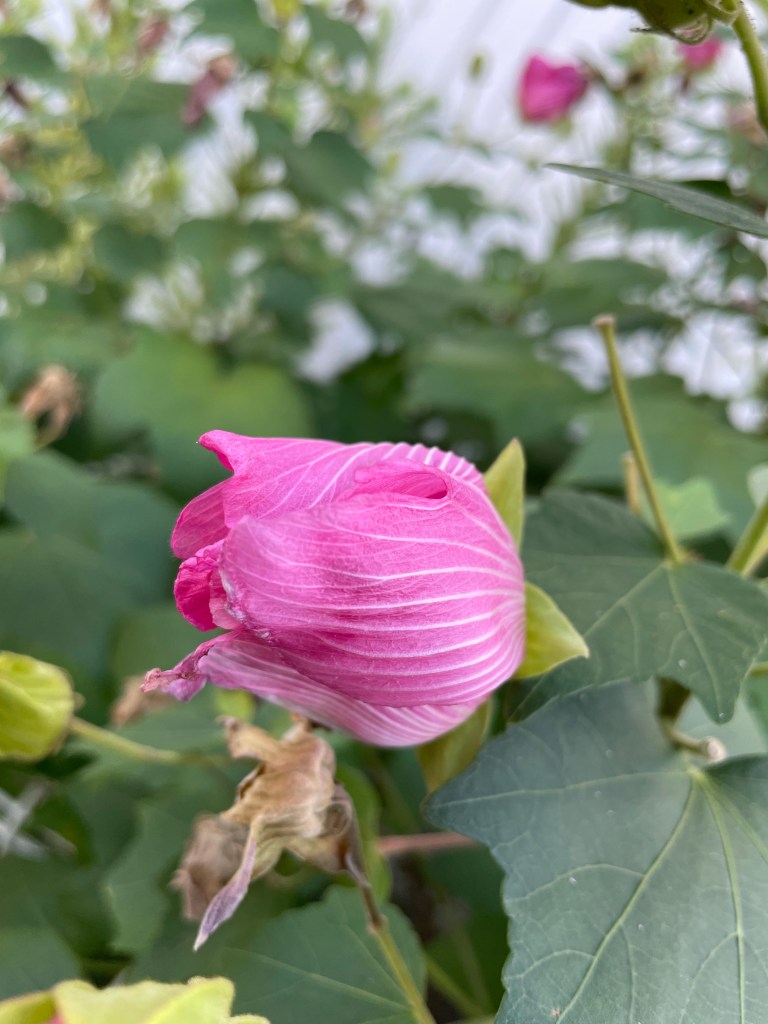
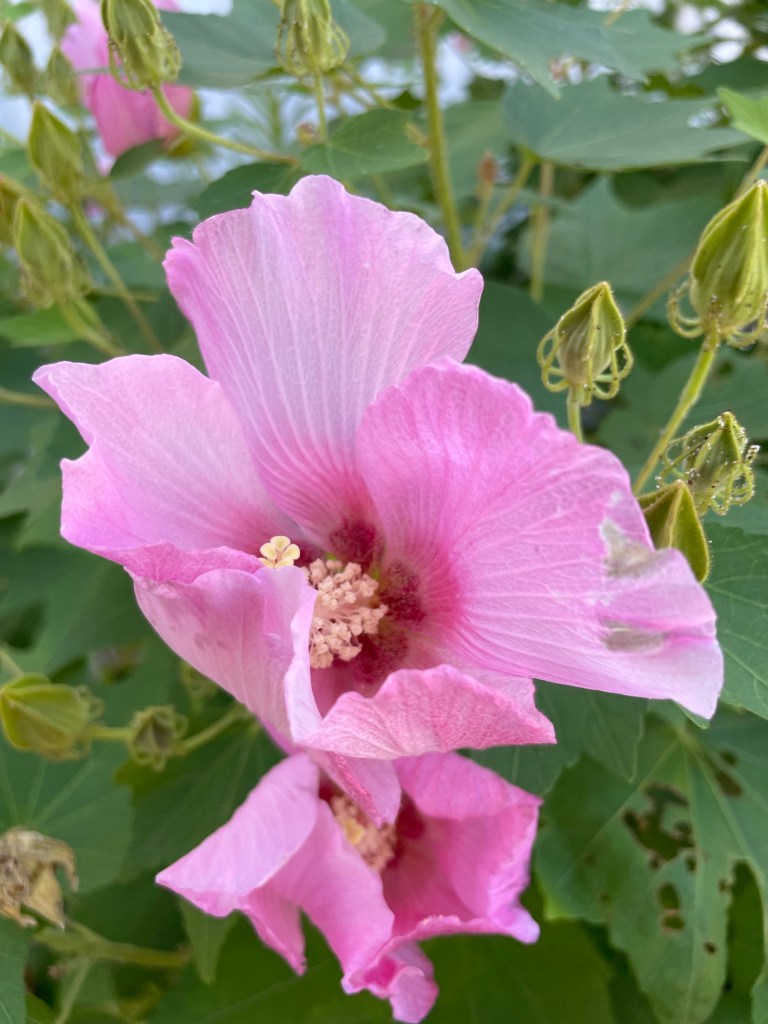
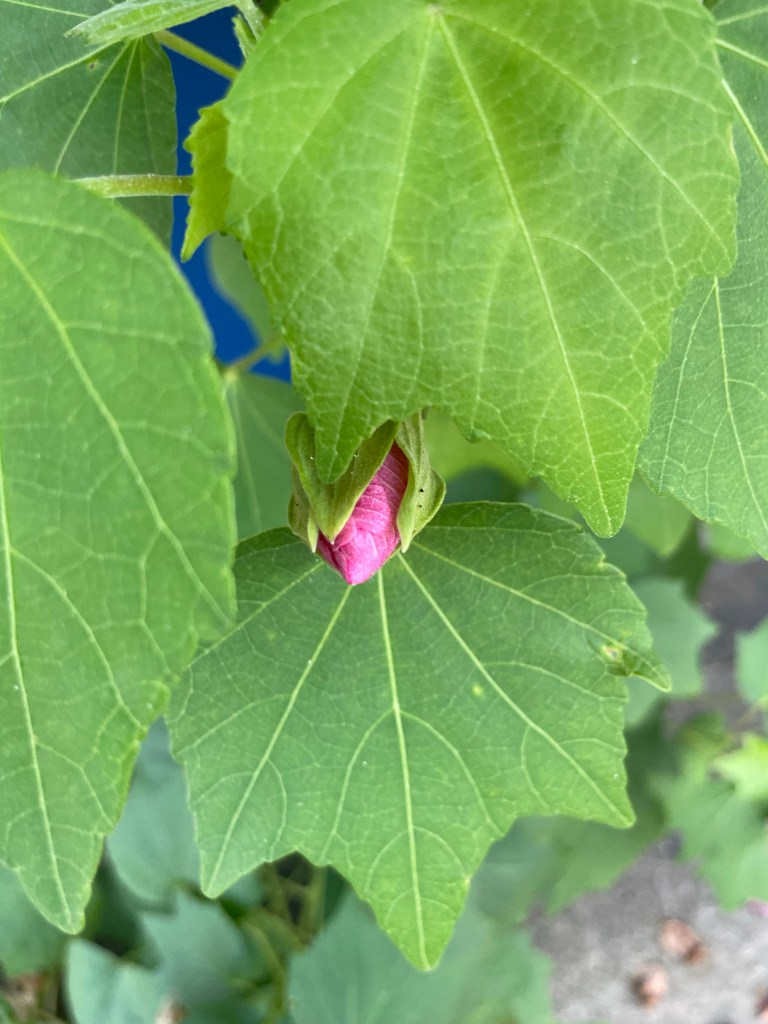
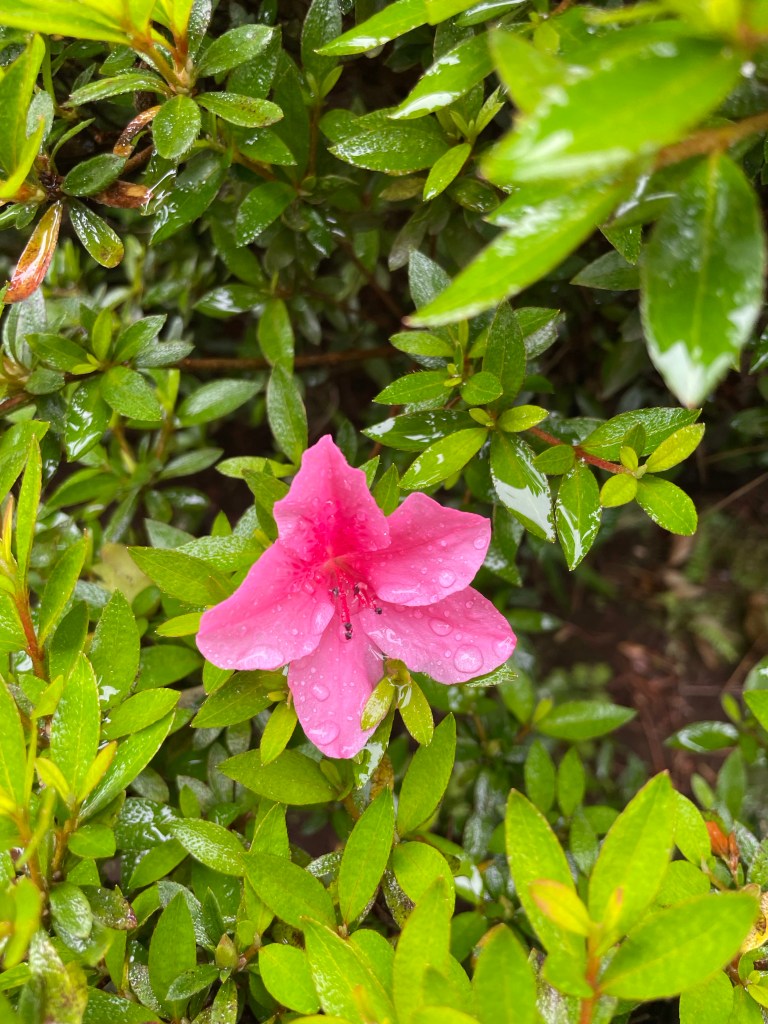
Buds つぼみ
open every morning and close in the evening
毎日のルーティン
ただ ひっそり ゆっくり
daily routine


Beautiful cars in this town.
I fell in love with it and took pictures.

The appearance is beautiful.
Art.

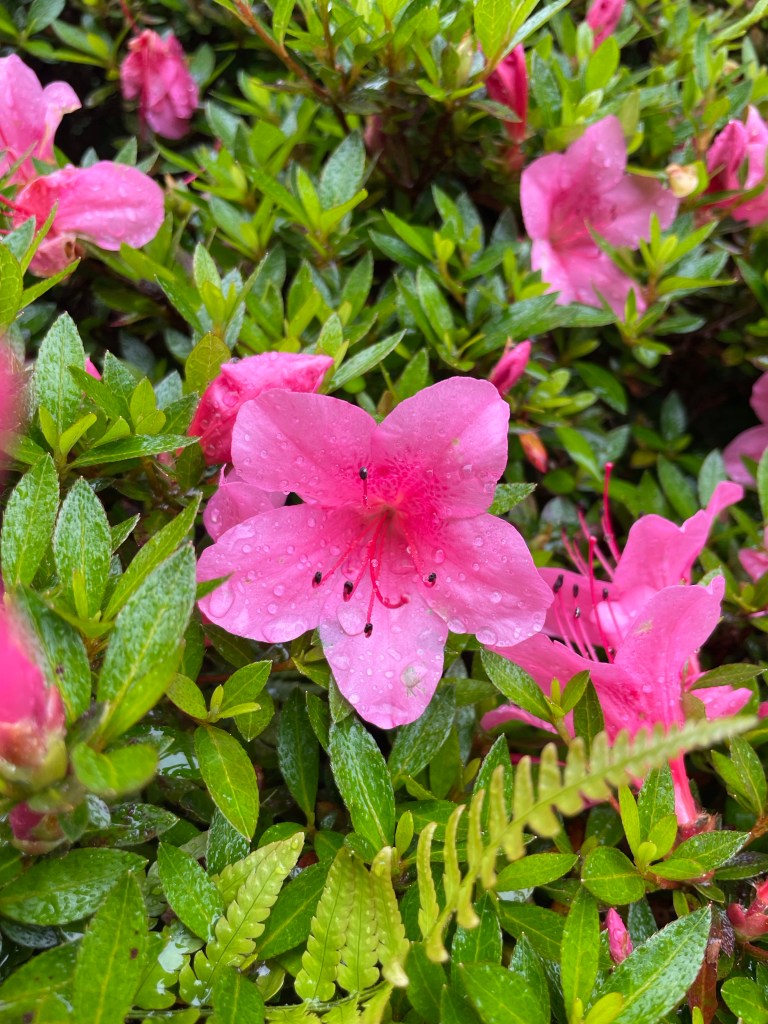
Hot summer, but they are blooming well.
Plants are amazing
They are not complaining.
Blooming beautiful
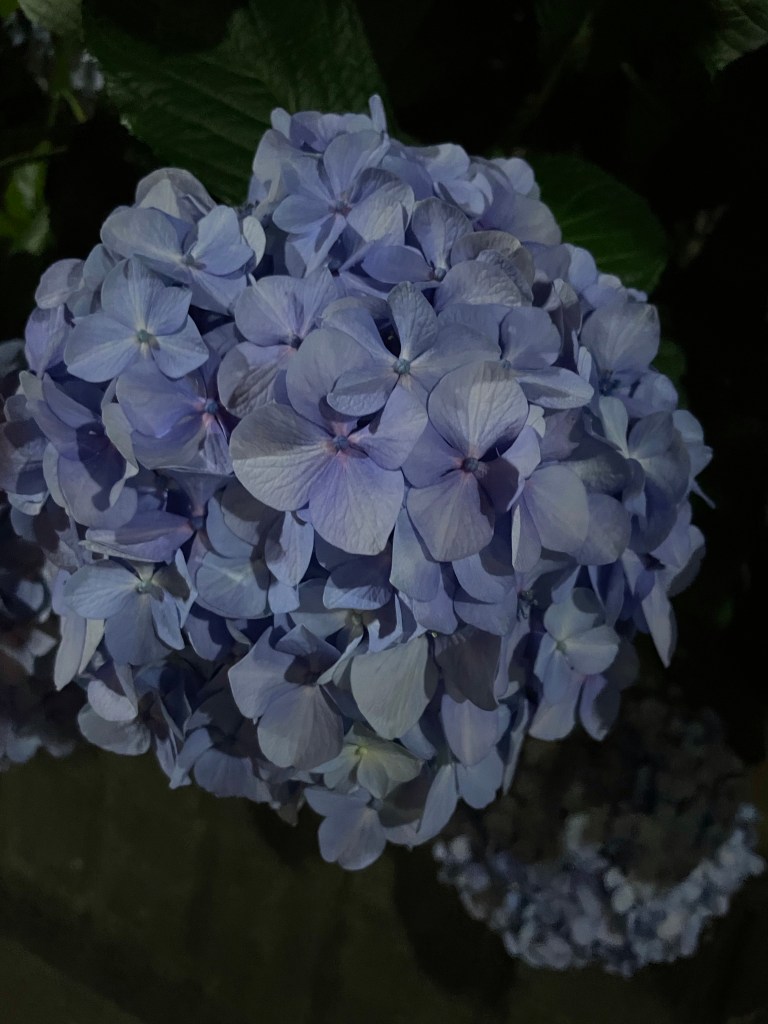
暑い夏 美しくたたずむ 花々
尊敬
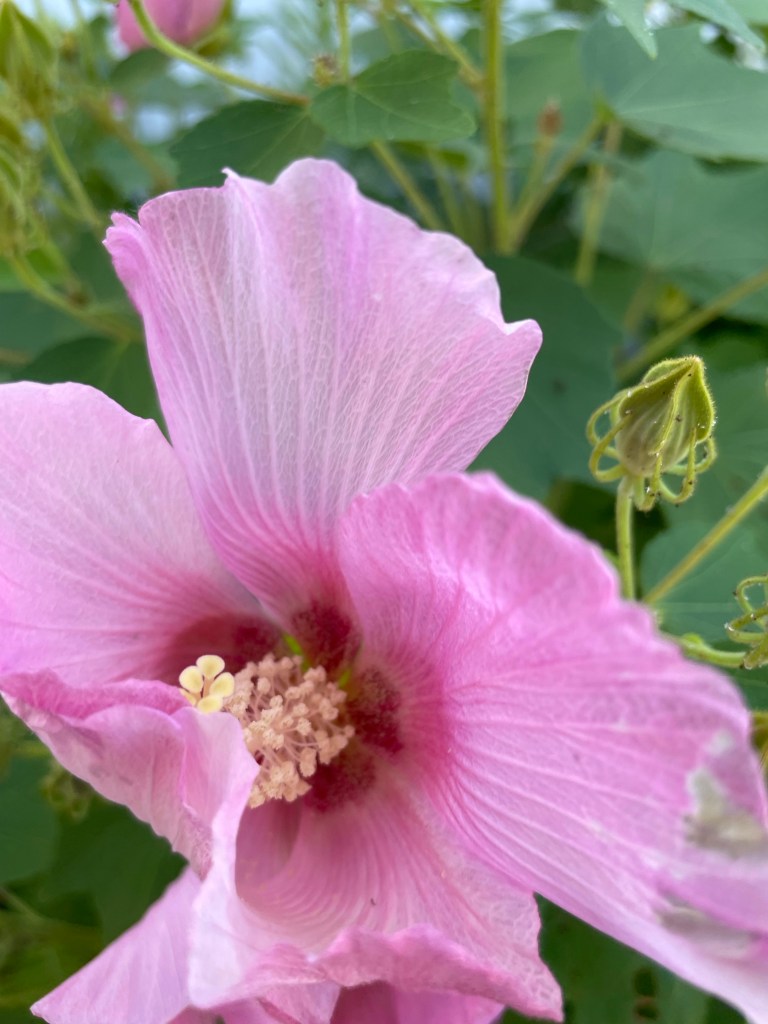
Although the exact date of its cultivation in Japan is unknown,
it is believed to have already been cultivated in the gardens of aristocrats and samurai families during the Muromachi period (1336-1573).
It has a deep connection with Japanese culture and is said to have been a favorite of the ink painter and Zen monk Sesshu.
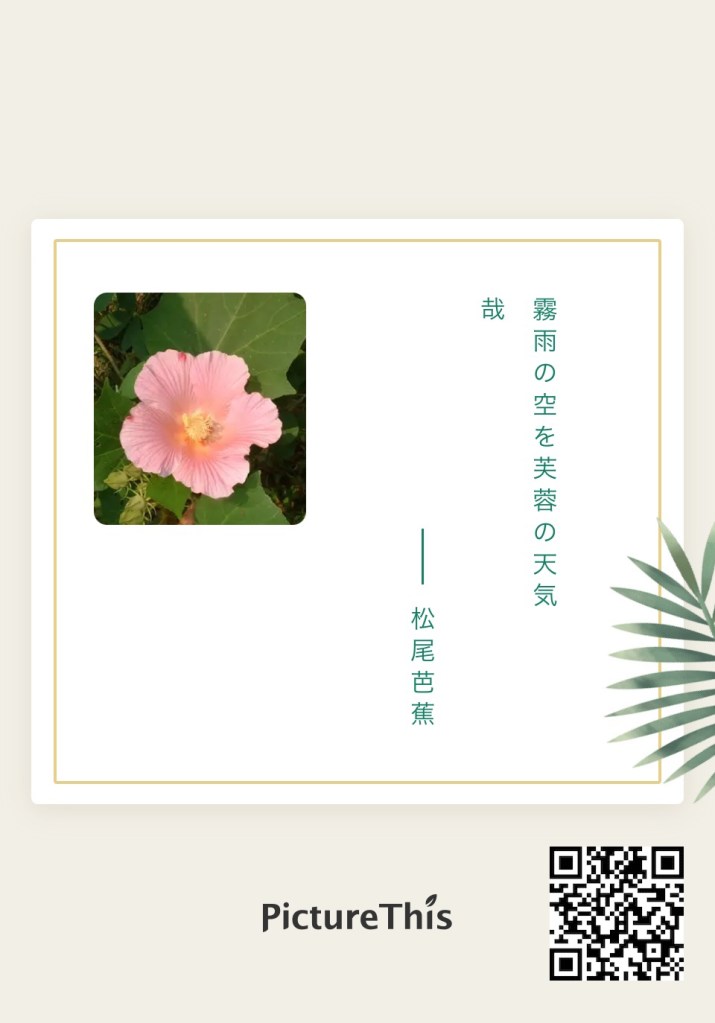
Matsuo Basho composed a poem, “Fuyo (hibiscus sylvestris), which is a kind of hibiscus that changes its shape day by day.
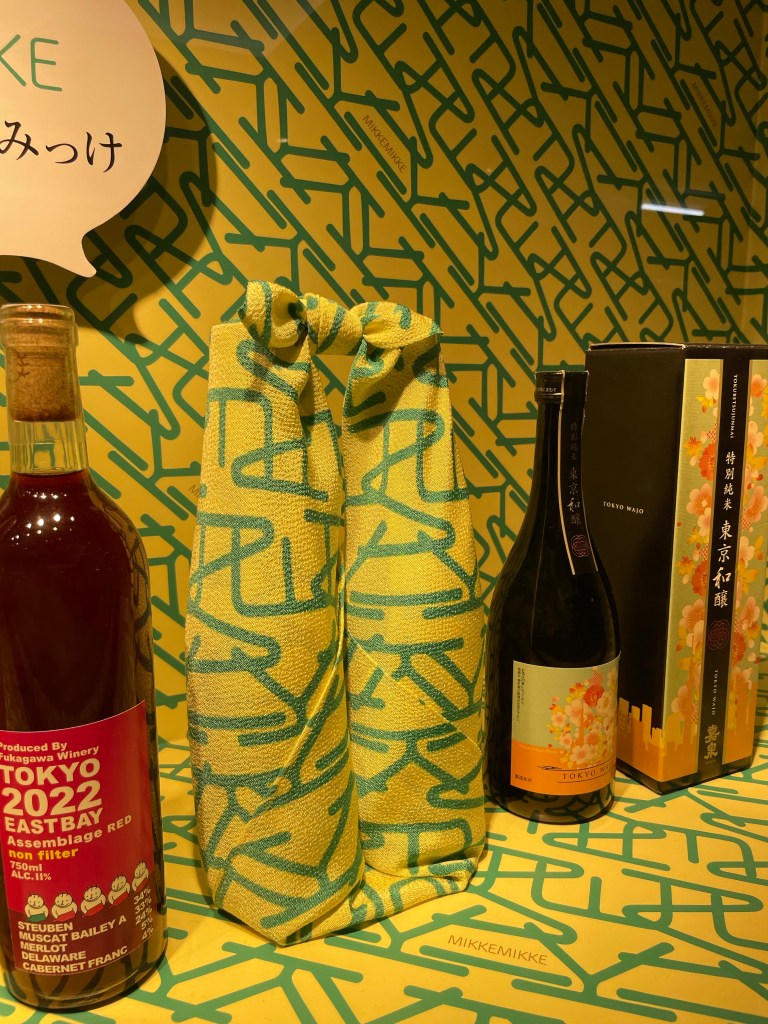
丹後は古くから織物の里であり、
江戸時代に発祥した絹織物
「丹後ちりめん」は、
しなやかで染色性に優れ、
友禅染などの着物の代表的な生地として、伝統文化を支えてきました
丹後は今も着物の生地の約6割を生産する国内最大の絹織物産地であります
織物の営みが育んだ、住居と機場、織物工場の町並み、天橋立などの象徴的な風景を巡れば、約300年に渡る織物の歴史と文化を体感できるでしょう!
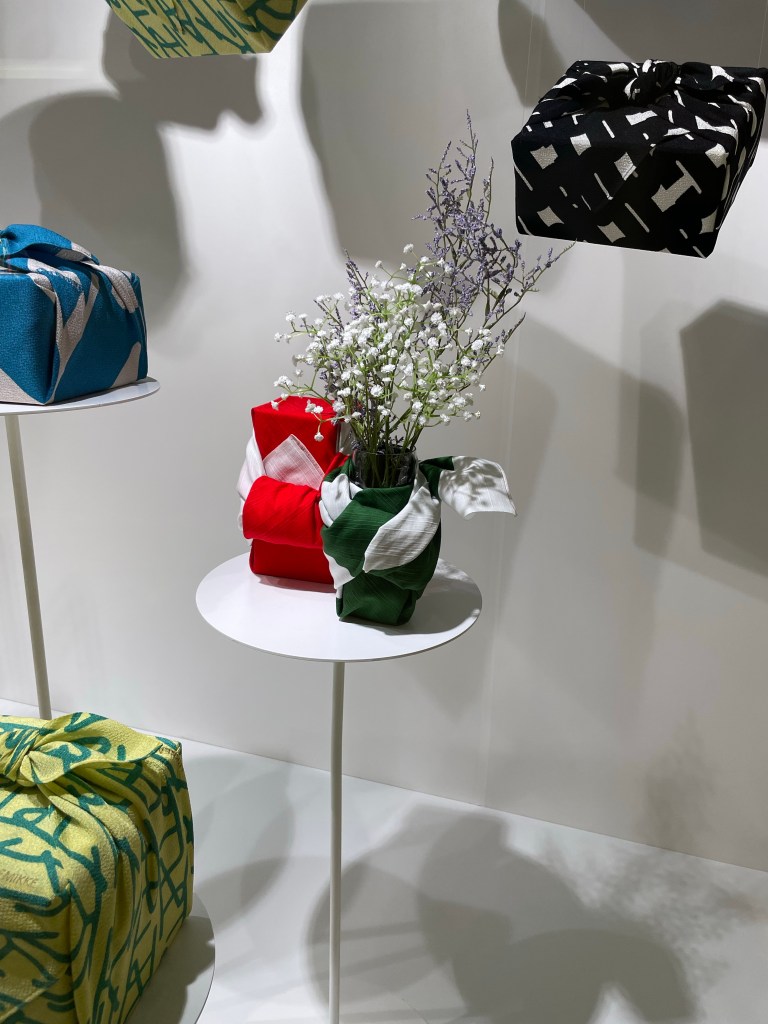
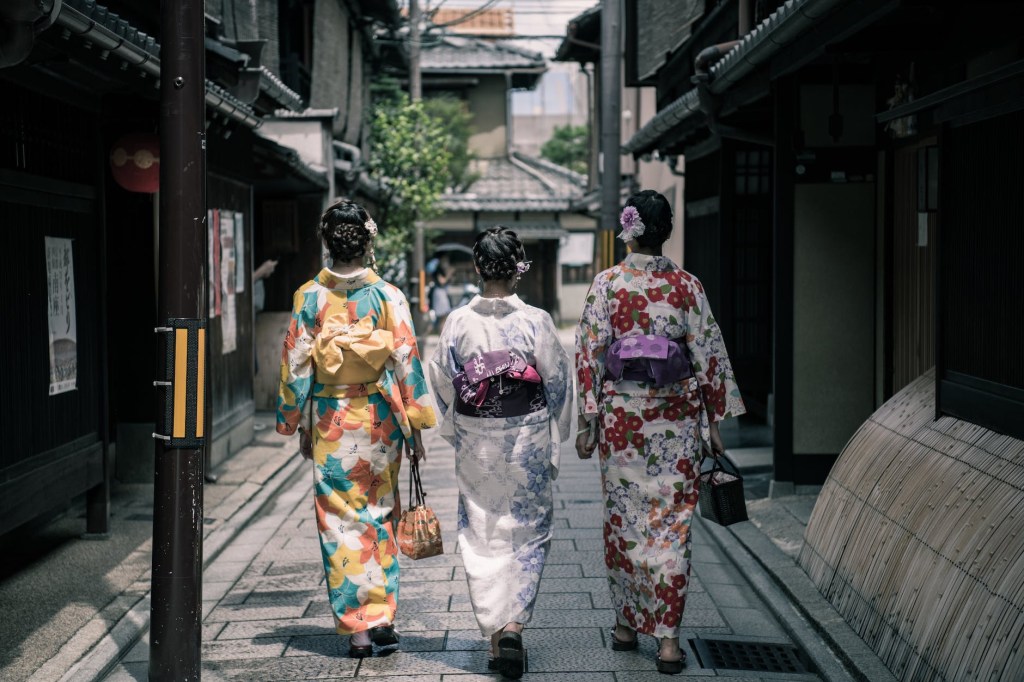
Tango has long been a village of textiles, and Tango Chirimen, a silk fabric originated in the Edo period (1603-1867), is supple and dyeable, and has supported Japan’s kimono culture as a representative fabric for yuzen-dyed and other kimono.
The area is still the largest silk weaving center in Japan, producing approximately 60% of the fabric used to make kimonos.
What a beautiful aroma!
Sweet, elegant and noble scent.
大好きな香り
クチナシ 白い花の香り
自然ってすごい